Industrial Use
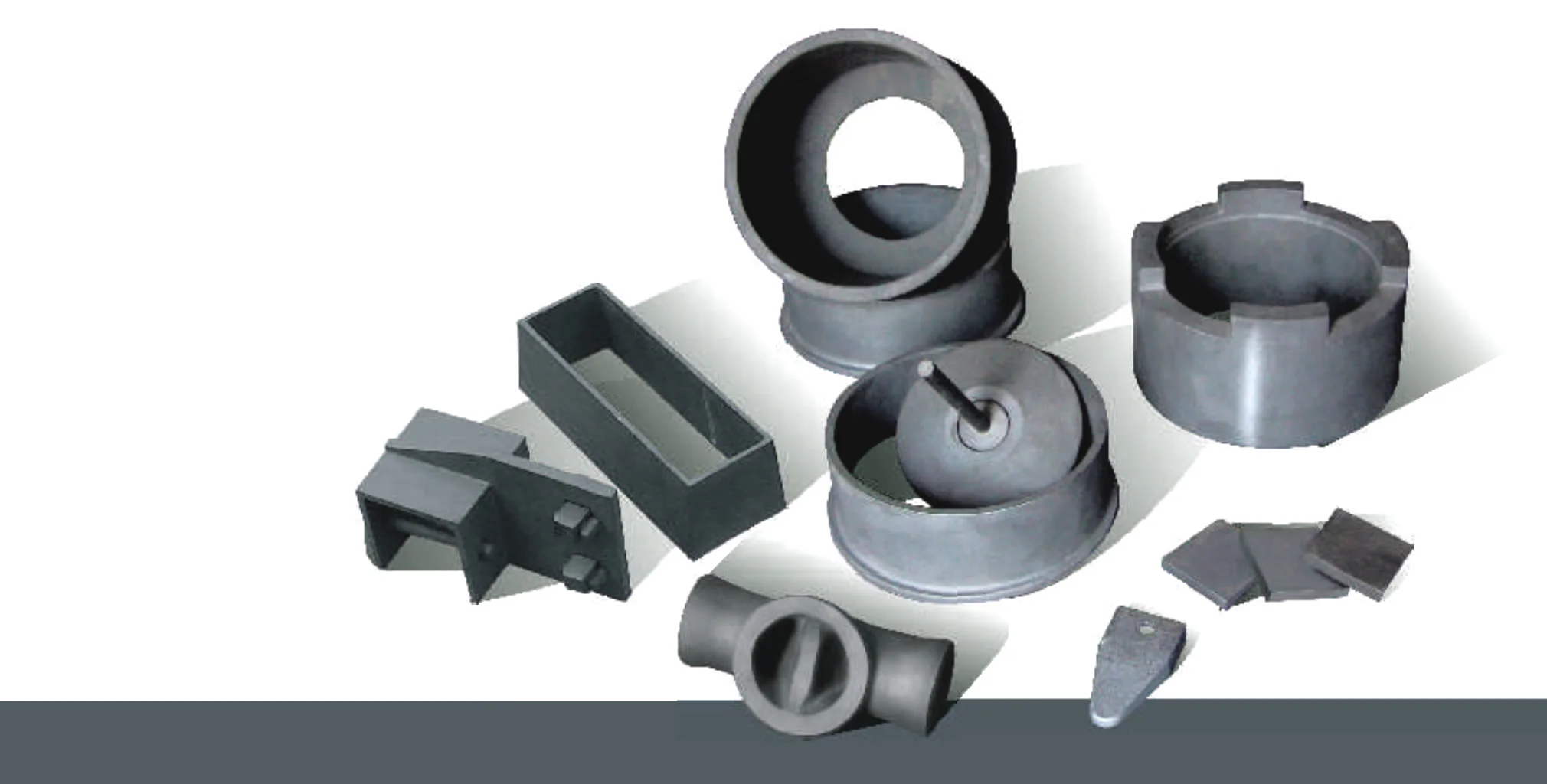
Silicon nitride structural parts deliver exceptional resistance to wear, corrosion, and high temperatures—ideal for demanding industrial applications.
Industrial Use
Silicon nitride structural parts deliver exceptional resistance to wear, corrosion, and high temperatures—ideal for demanding industrial applications.
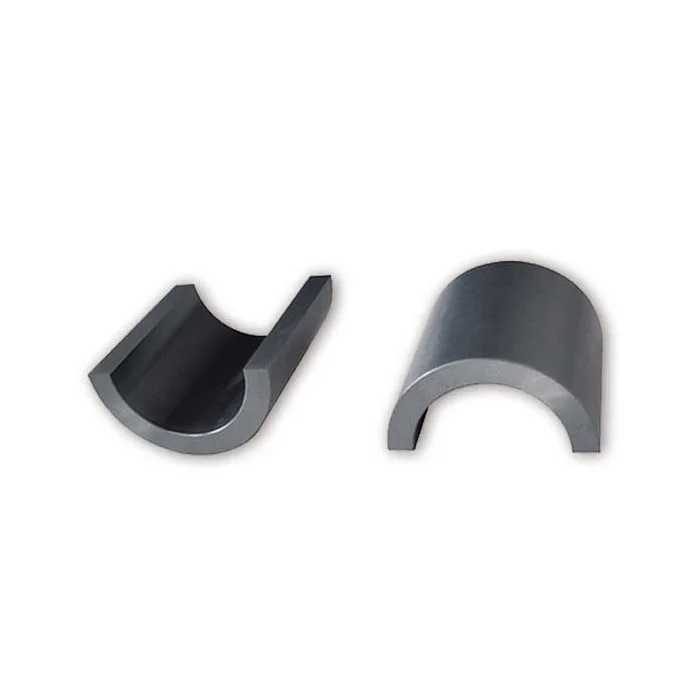
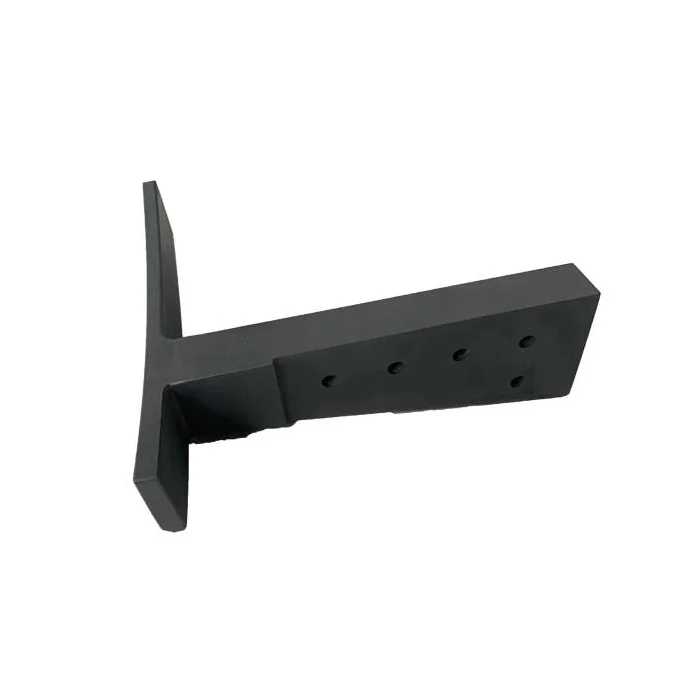
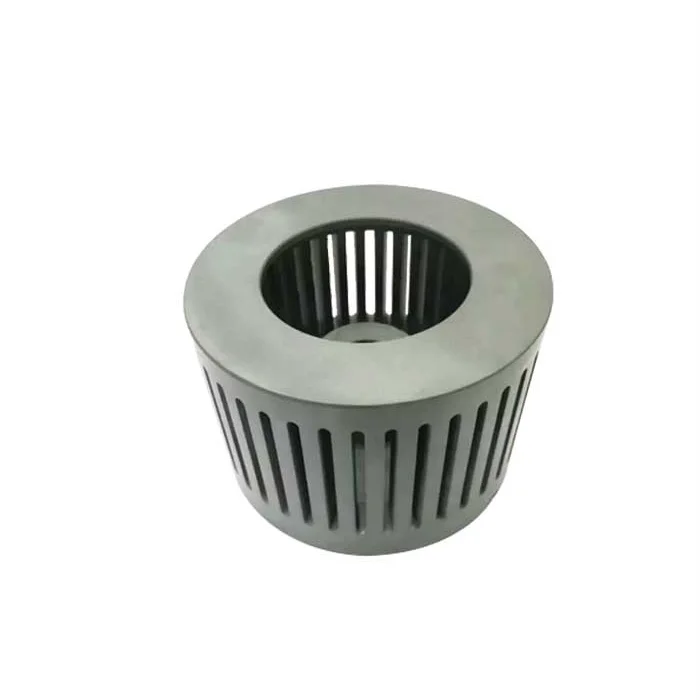
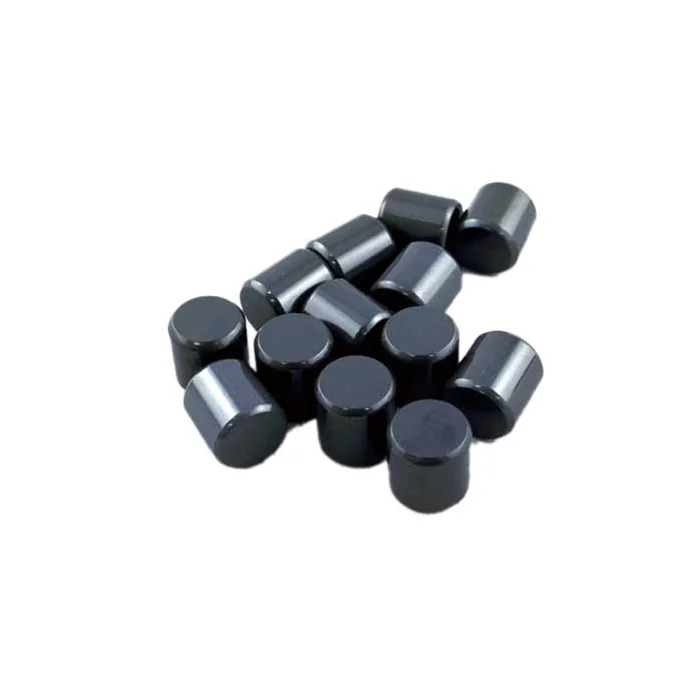
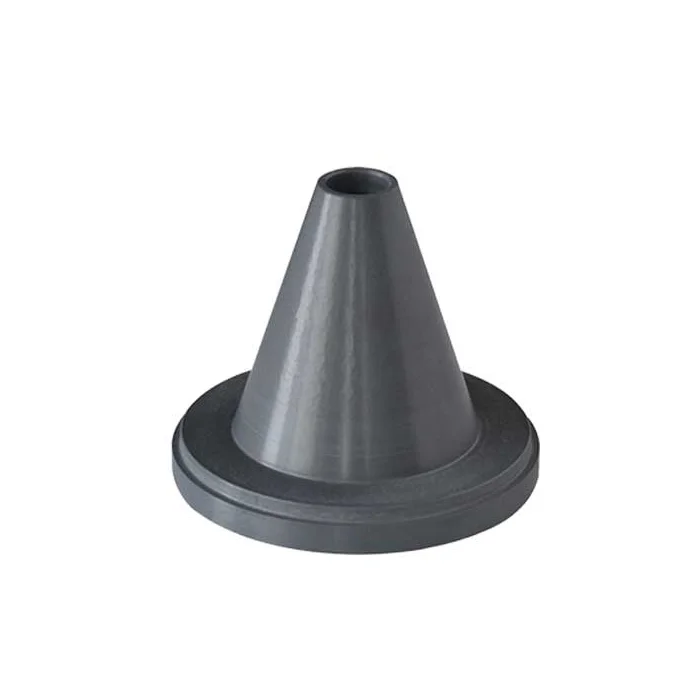
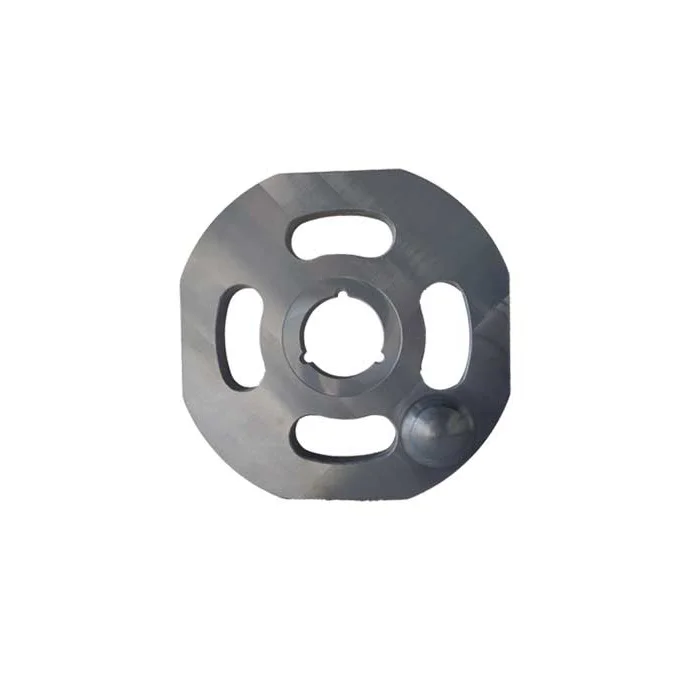
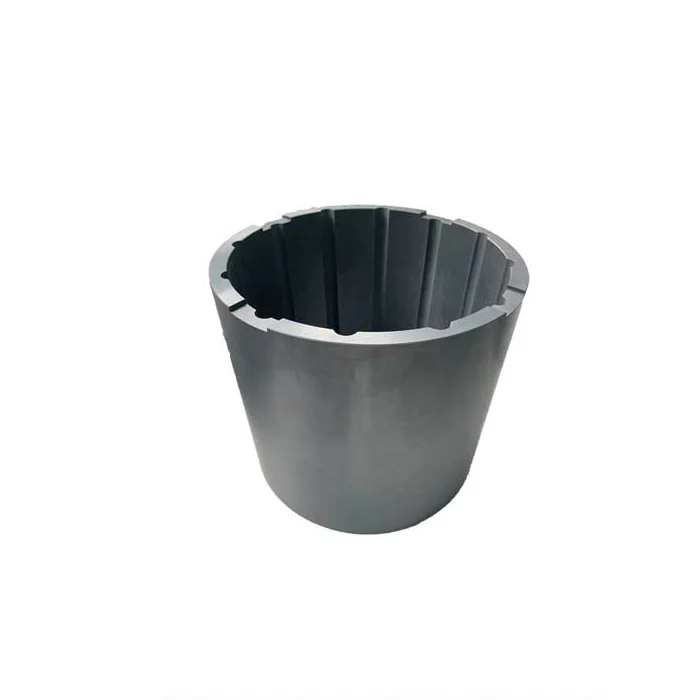
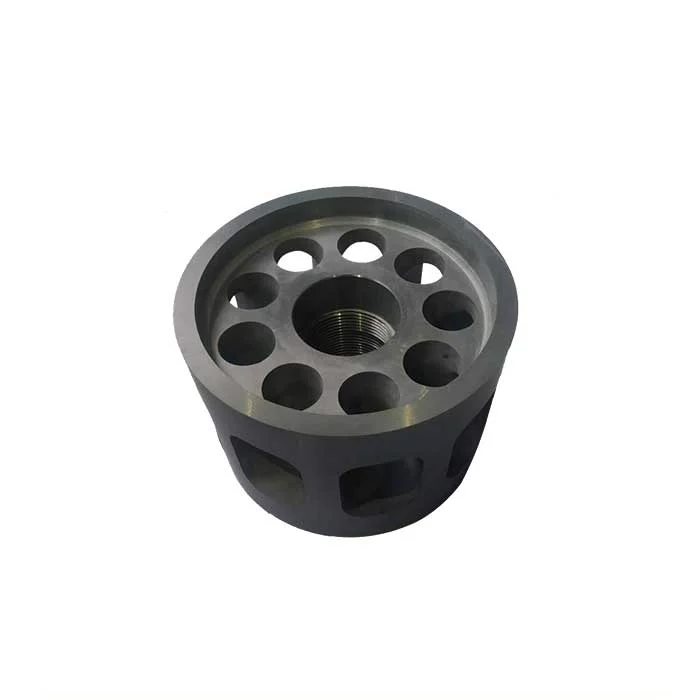
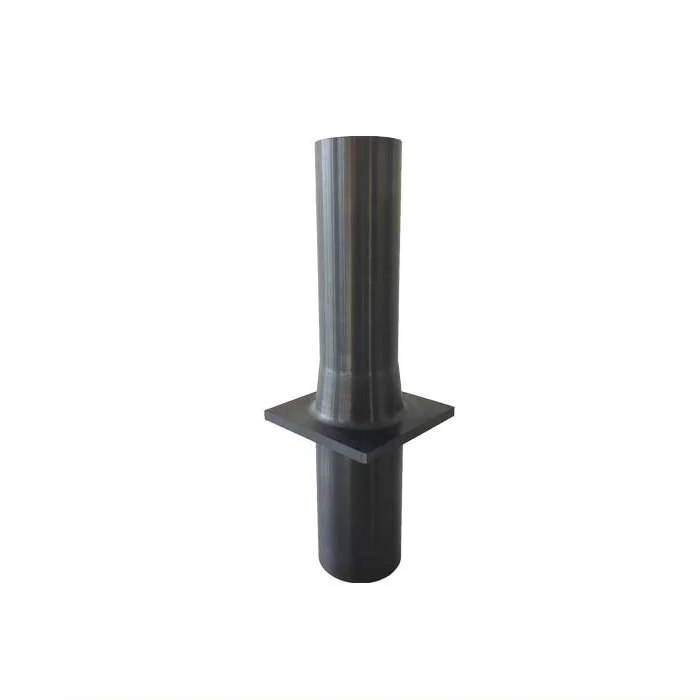
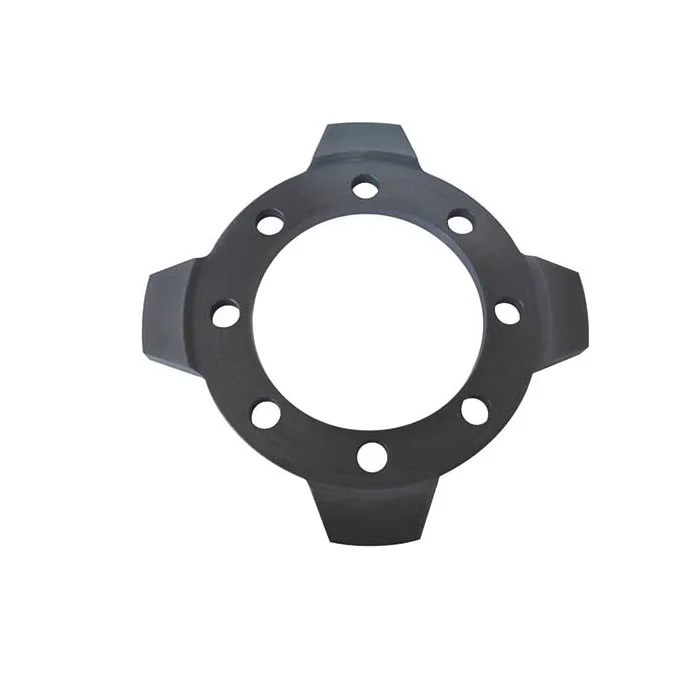
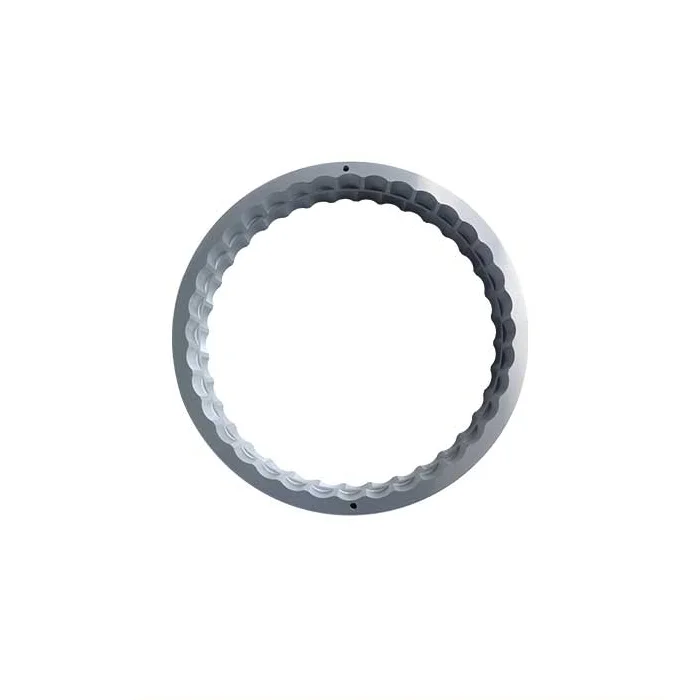
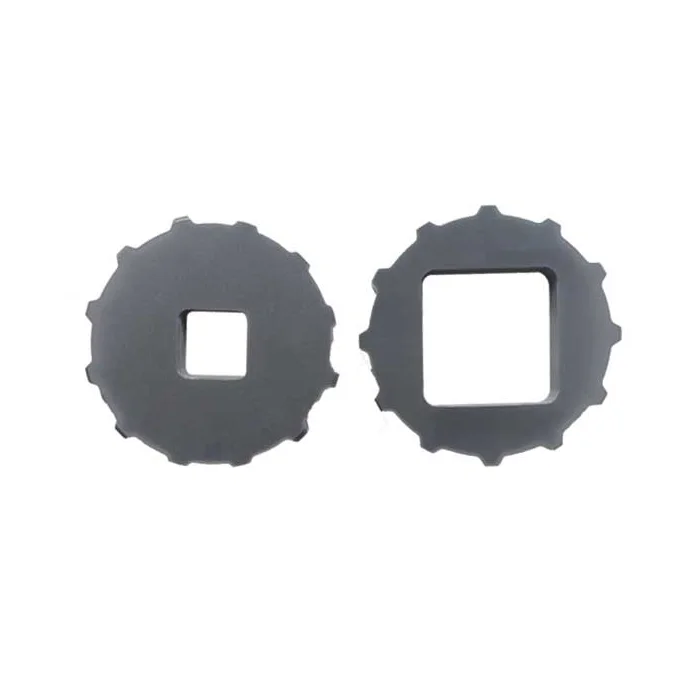
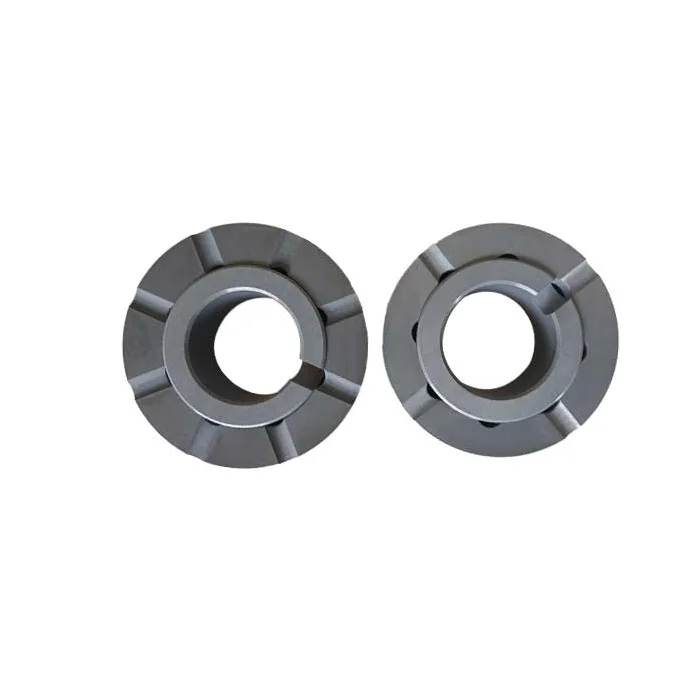
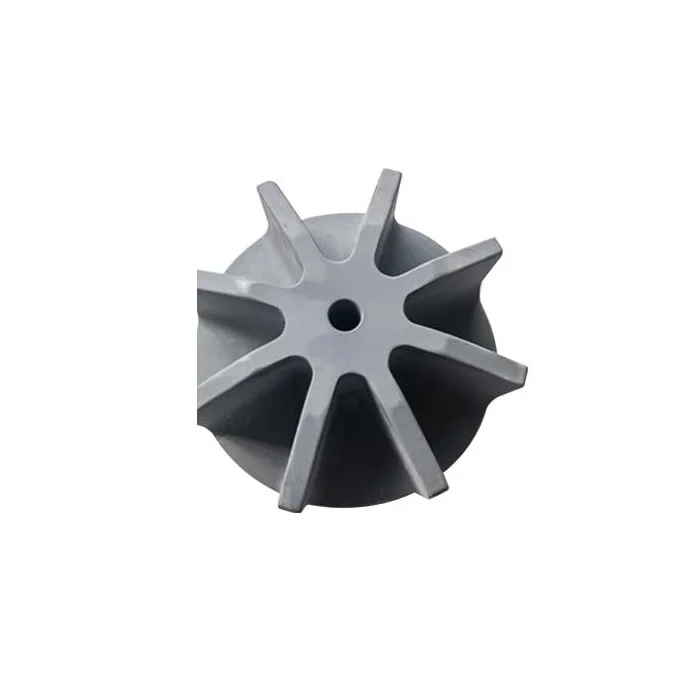
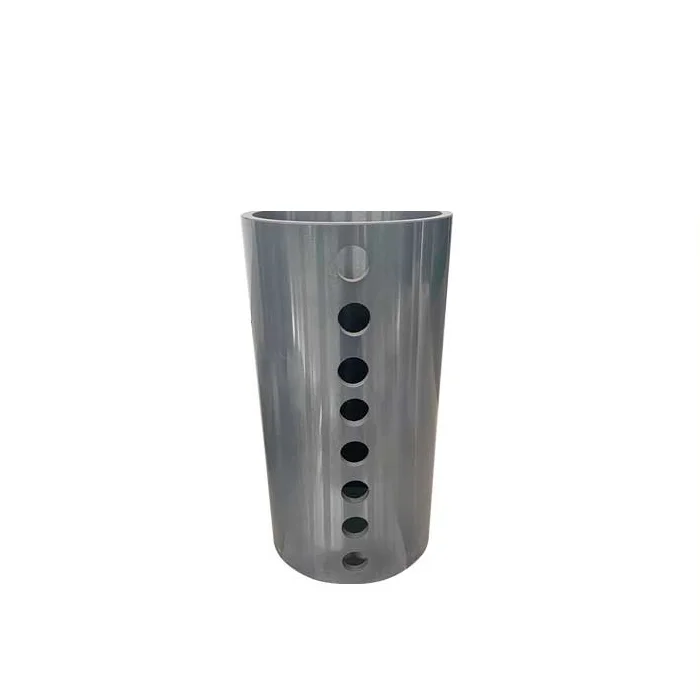
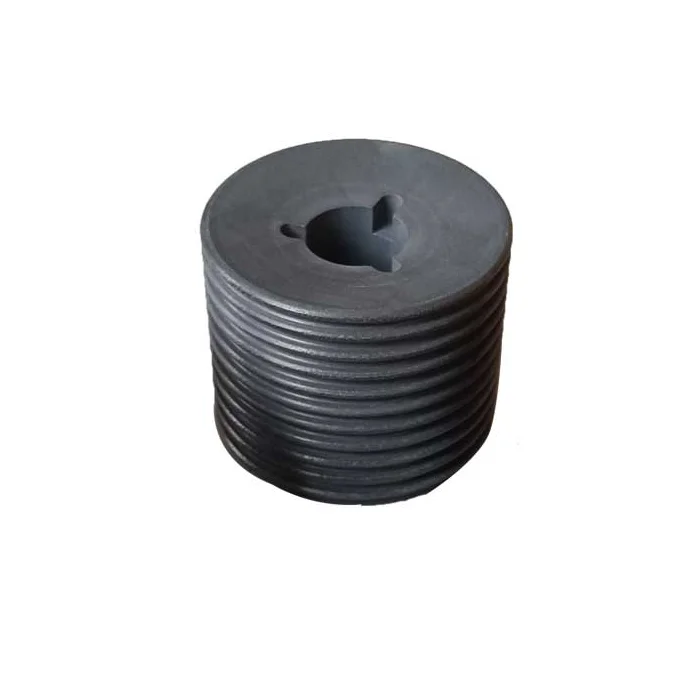
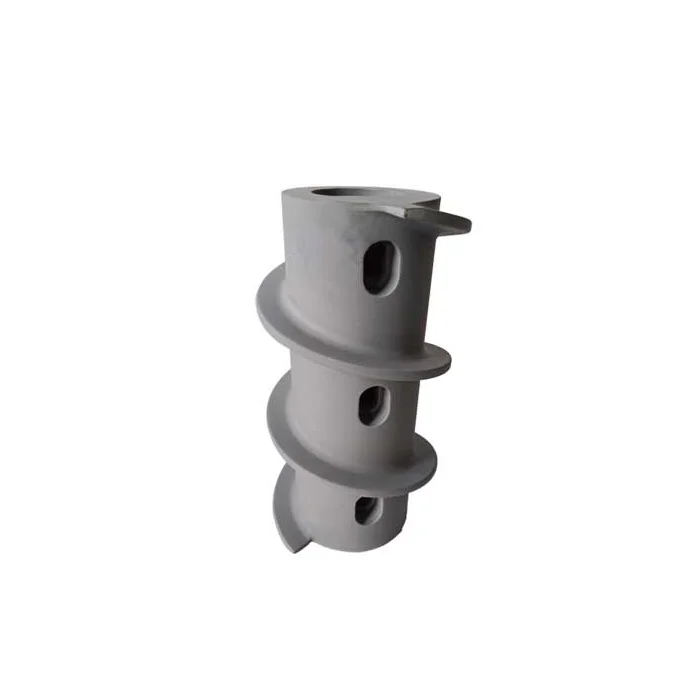
Silicon nitride structural parts are advanced ceramic components known for their outstanding mechanical strength, wear resistance, and thermal stability. These high-performance ceramics are engineered to operate in the most demanding industrial environments where traditional materials fail due to abrasion, corrosion, or extreme heat.
Manufactured using hot-pressing and advanced sintering techniques, silicon nitride parts offer a unique combination of high flexural strength, excellent fracture toughness, and low thermal expansion. These properties make them especially effective in high-temperature, chemically aggressive, or mechanically dynamic settings.
Typical applications include:
Bearings, seals, and guides in semiconductor and automotive industries
Insulating components in high-voltage and RF electronics
Nozzles, plungers, and sleeves in chemical processing systems
Structural supports and fastening components in high-temperature kilns
Precision mechanical parts in aerospace and energy sectors
Unlike other ceramics such as alumina or zirconia, silicon nitride parts can withstand rapid thermal cycling, maintain stability at temperatures up to 1400°C, and resist chemical degradation from acids, alkalis, and molten metals. This makes them a preferred choice for wear resistant ceramic components where durability and performance are critical.
We offer custom silicon nitride structural parts tailored to your exact specifications, including special shapes, sizes, and connection methods. Our engineering team works closely with clients to ensure optimal material selection and integration with metal or composite systems.
With a smooth surface finish, lightweight design, and long service life, our structural ceramic components significantly reduce maintenance costs and downtime in industrial operations.
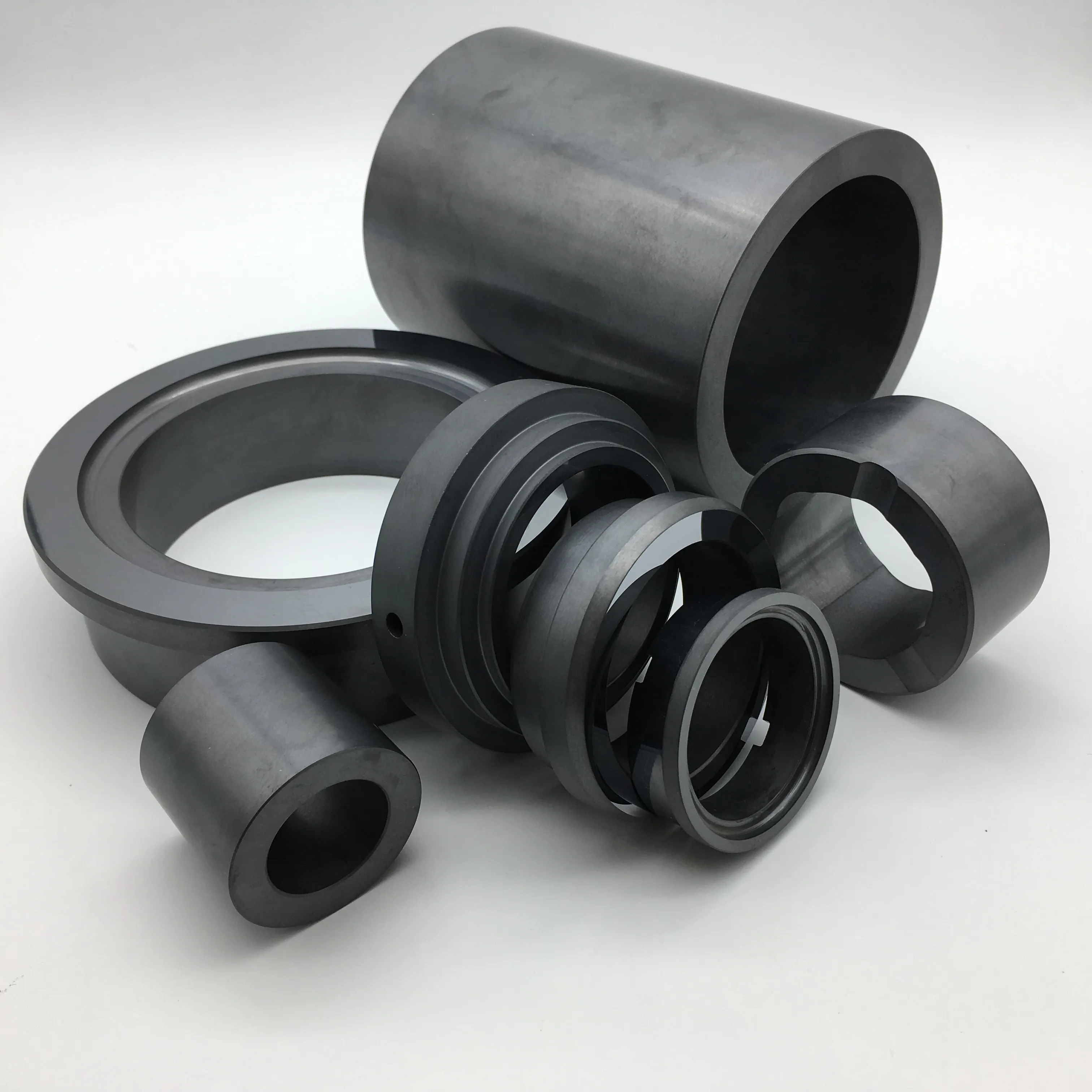
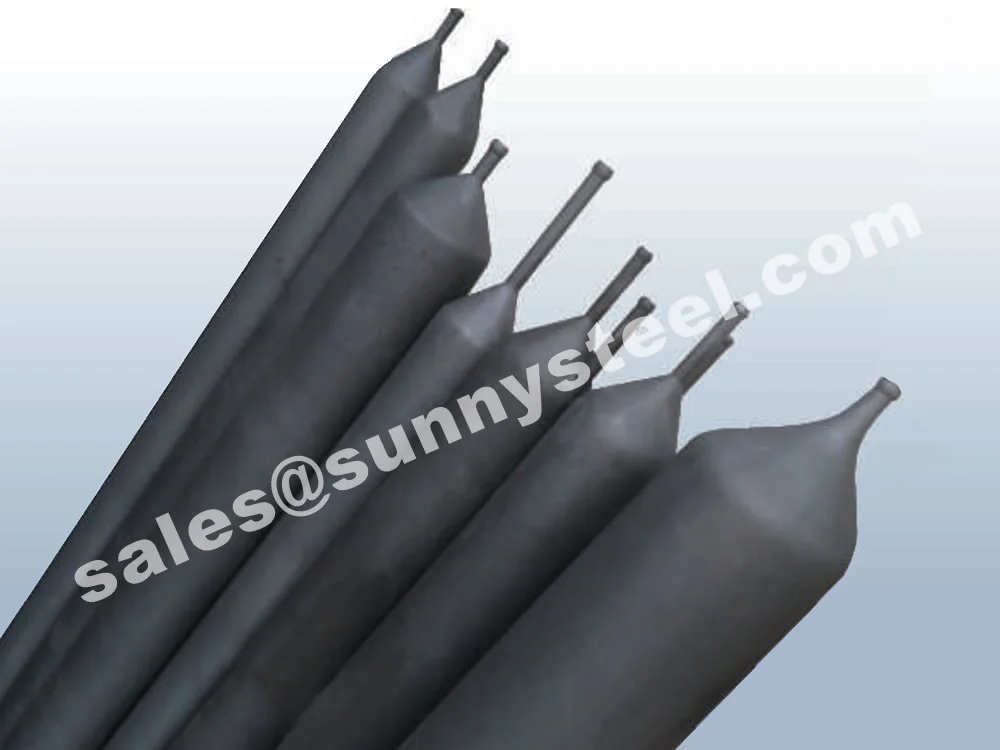
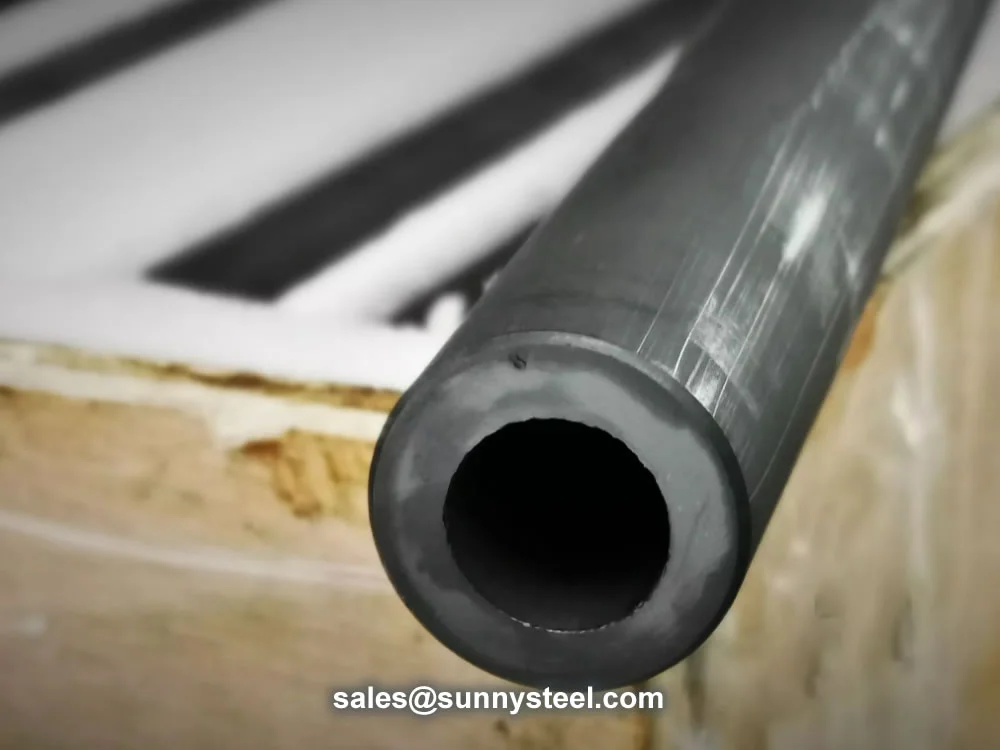
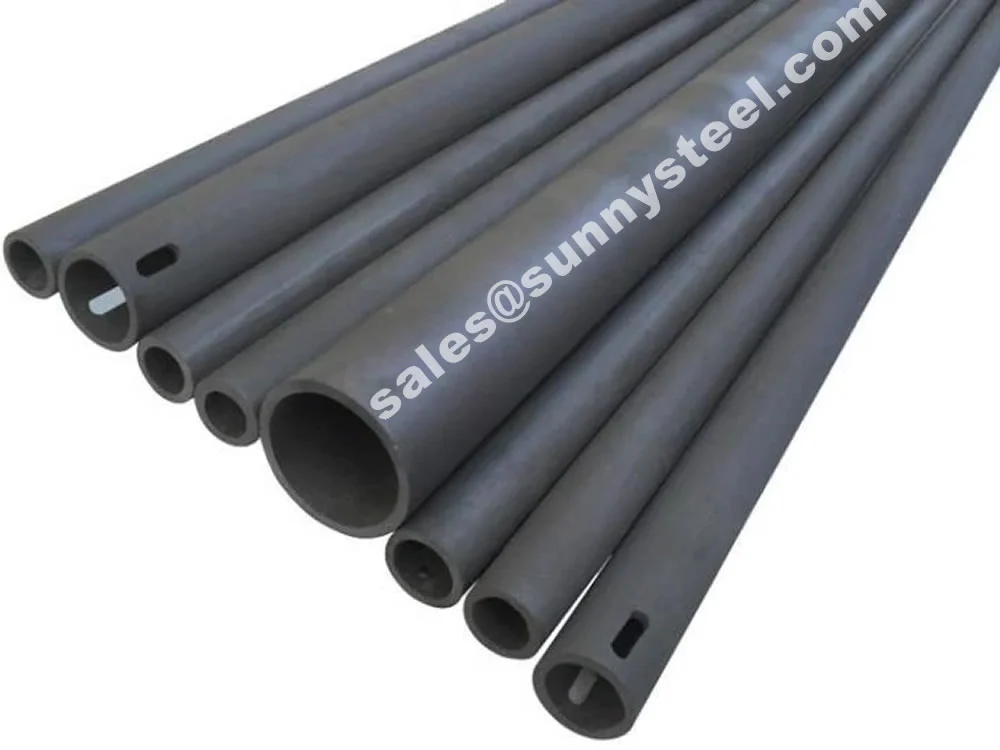
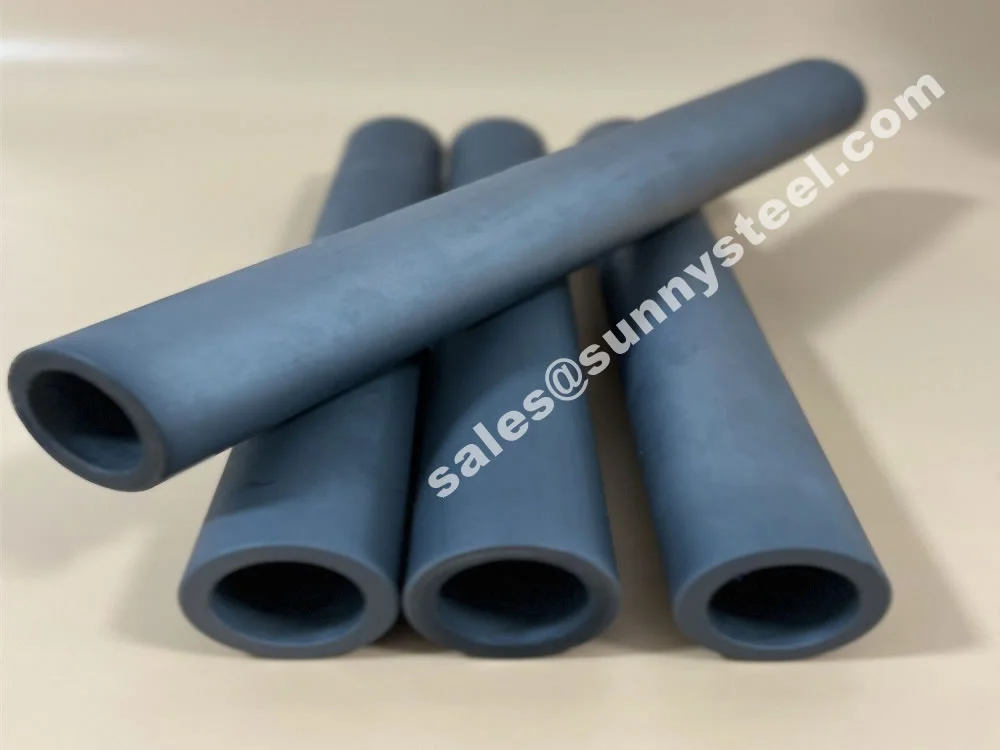
Silicon carbide, mainly consisting of SiC, also known as carborundum, is a hard chemical compound containing silicon and carbon. It is a lightweight ceramic material with high strength properties comparable to diamond, featuring excellent thermal conductivity, low thermal expansion, and outstanding resistance to acid corrosion.
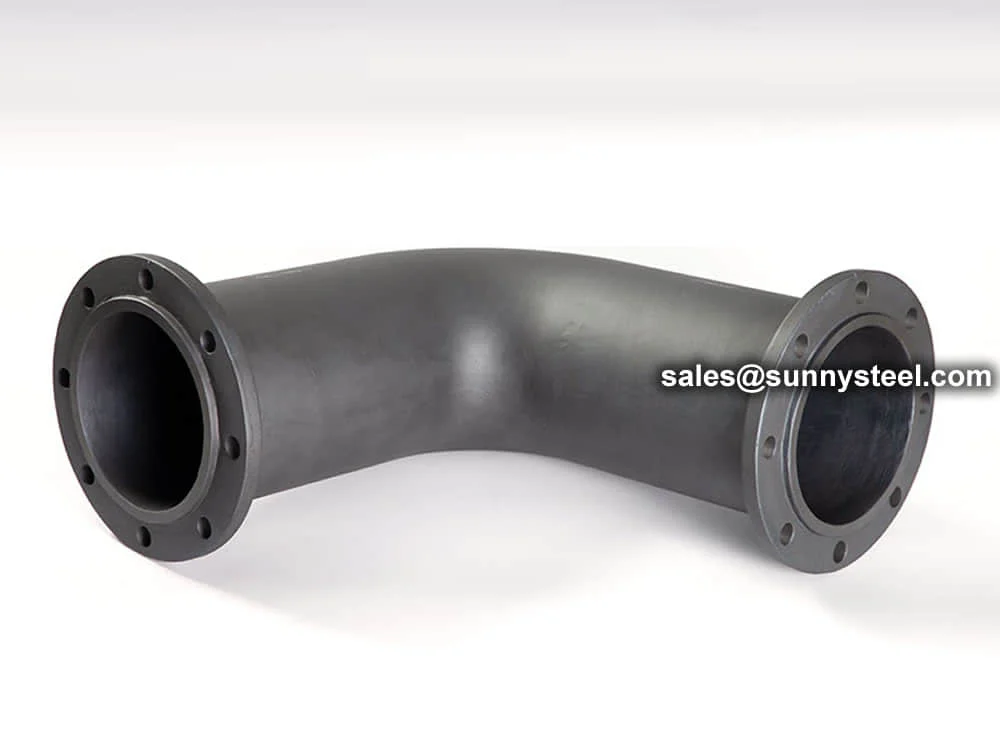
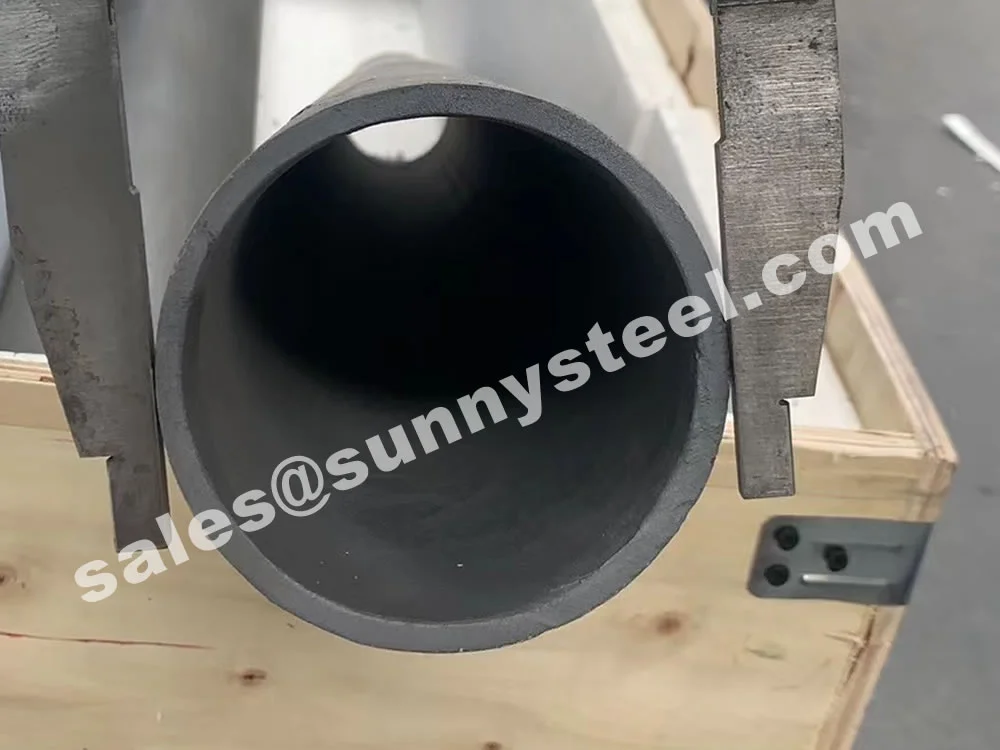
Silicon carbide (SiC) ceramic-lined pipes consist of a steel outer shell with a sintered or reaction-bonded SiC inner liner.
This composite structure delivers exceptional protection in demanding environments, combining mechanical strength with high-performance ceramics.
Detailed parameter comparison and material properties
| Property | SISIC | SSIC |
|---|---|---|
| SiC Content | 85-90% | >99% |
| Free Silicon | 15-20% | 0% |
| Max Temperature | 1380°C | 1600°C |
| Thermal Conductivity | 130 W/m·K | 120 W/m·K |
| Relative Cost | Lower | Higher |
Silicon carbide demonstrates excellent resistance to various corrosive environments:
Understanding the differences between reaction bonded and pressureless sintered silicon carbide
Reaction bonded silicon carbide offers the lowest cost production technique with excellent overall performance characteristics.
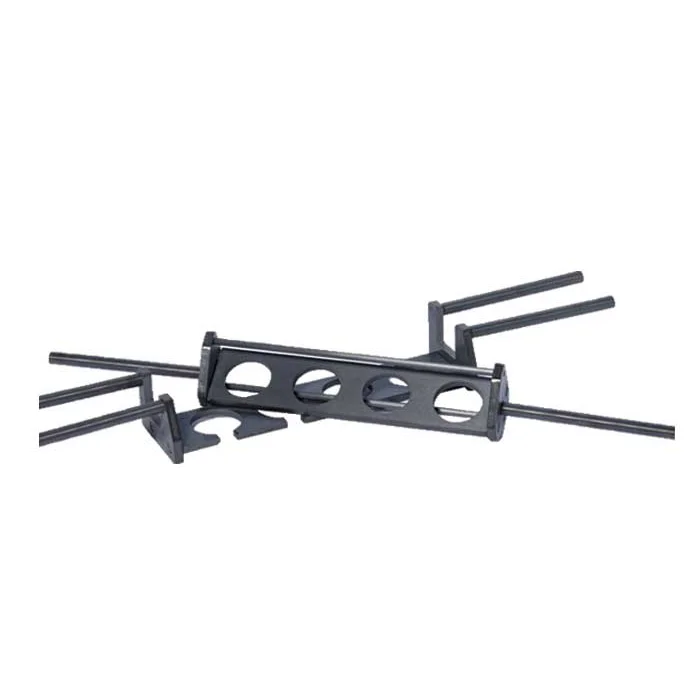
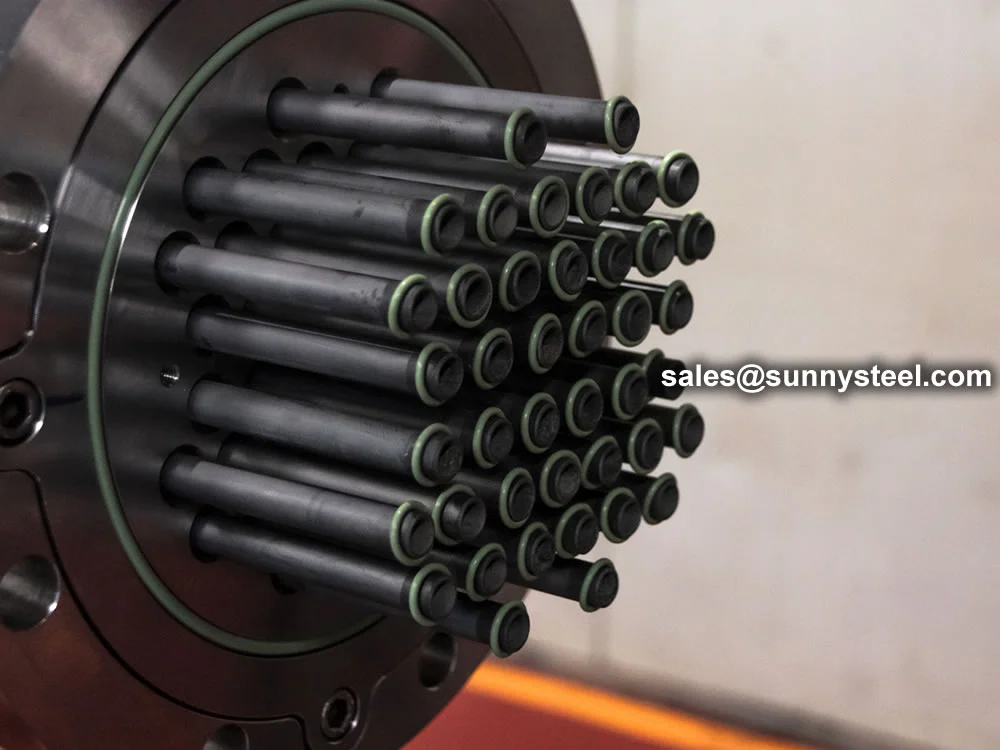
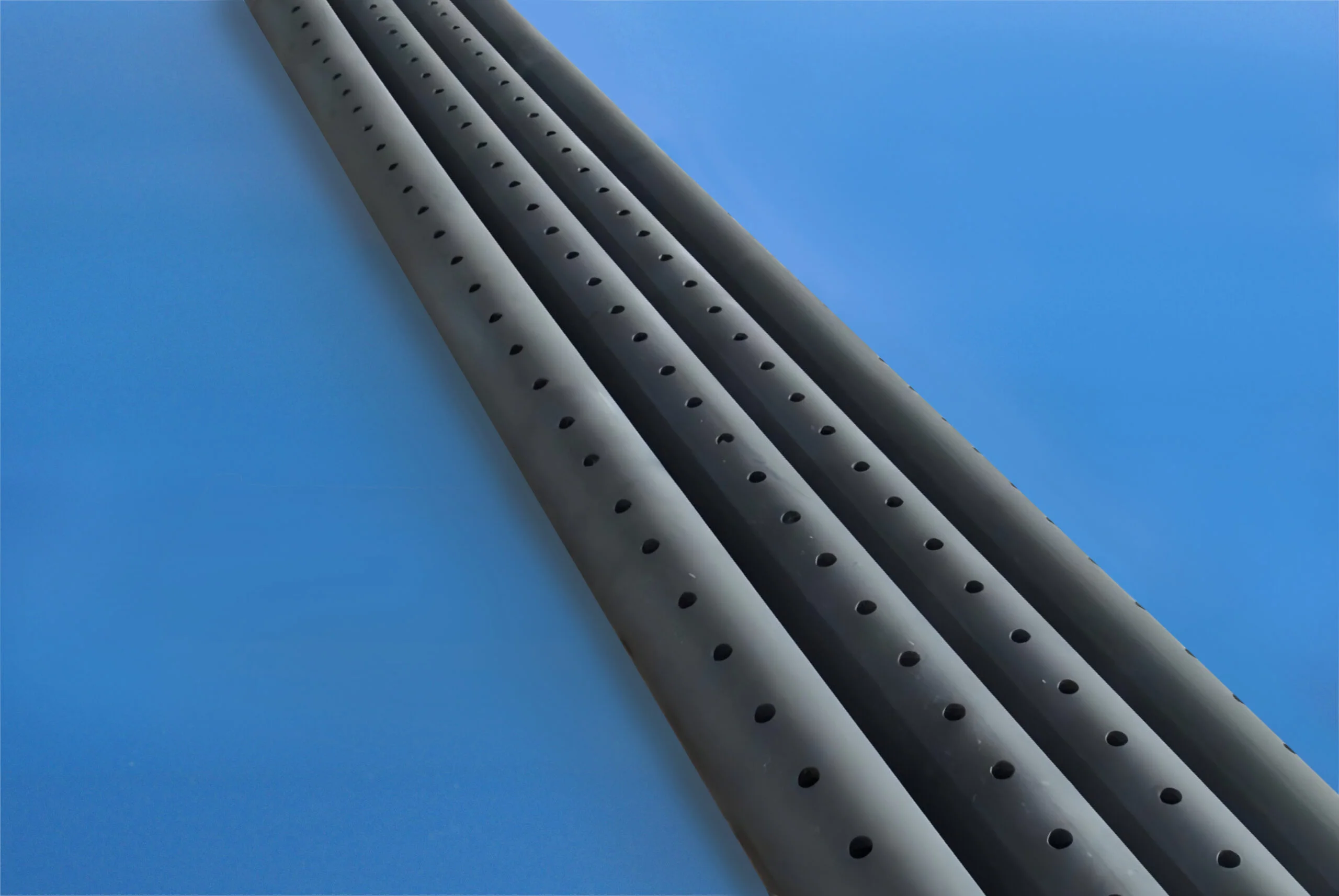
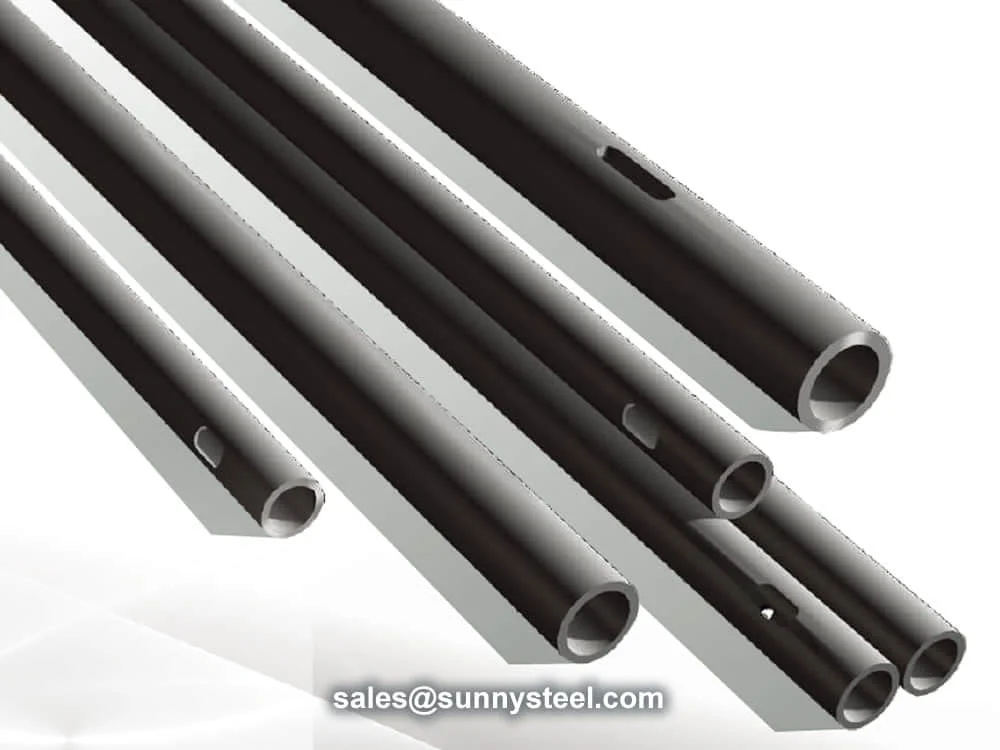
Beams, rollers, cooling air pipes, thermocouple protection pipes, temperature measurement pipes, burner nozzles, wear-resistant parts, corrosion-resistant parts, sealing parts, and various special-shaped structural parts.
Compared with reaction bonded silicon carbide, pressureless sintered silicon carbide offers superior performance in demanding applications.
Can be used in environments where other materials cannot meet requirements, offering significantly longer service life and reduced maintenance costs.
Silicon carbide products are an advanced material widely used in high temperature, high pressure and high frequency environments.
Composite structure with ordinary steel outer wall meets strength requirements for various industrial processes.
Inner ceramic layer (≥95% content) provides 30x better wear resistance than carbon steel pipes.
Corrosion-resistant composite layer enables use in acid, alkali, and salt environments.
Organic polymer matrix with inorganic ceramic reinforcement provides 14-16 MPa peeling strength (100x stronger than ordinary lining).
Continuous operation from 40°C to 200°C, with peak resistance up to 260°C.
Elbows show no significant wear after 1-2 years, outperforming thick-walled cast steel by nearly 10x.
Silicon carbide ceramic-lined pipes offer superior performance compared to traditional materials:
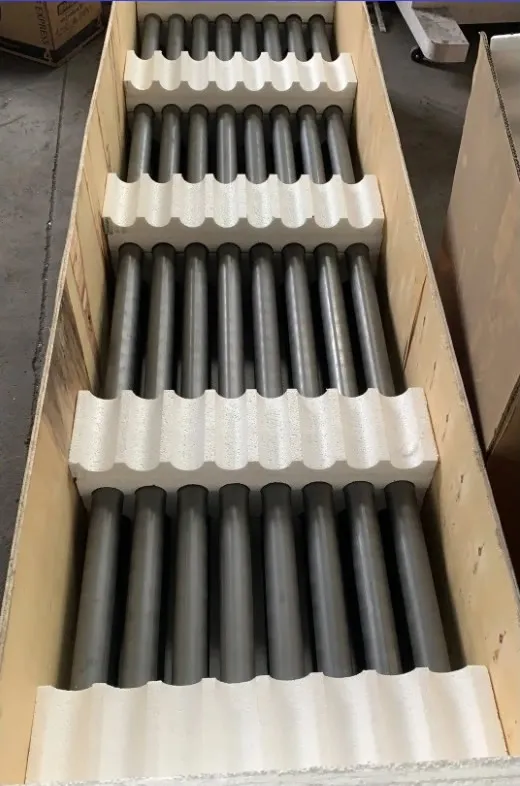
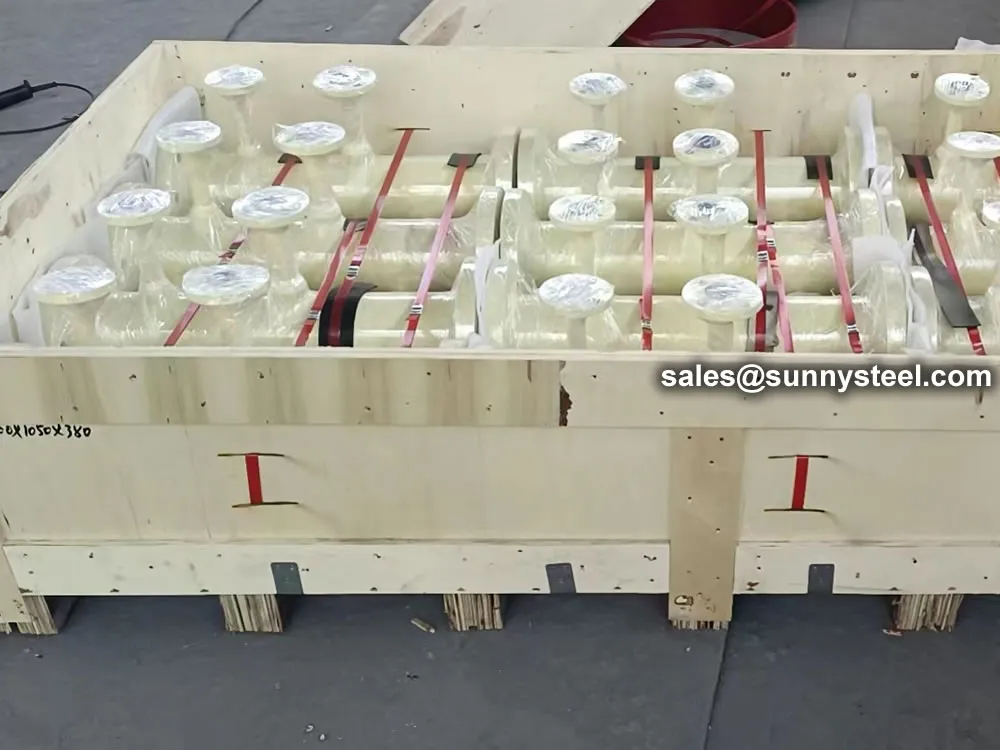
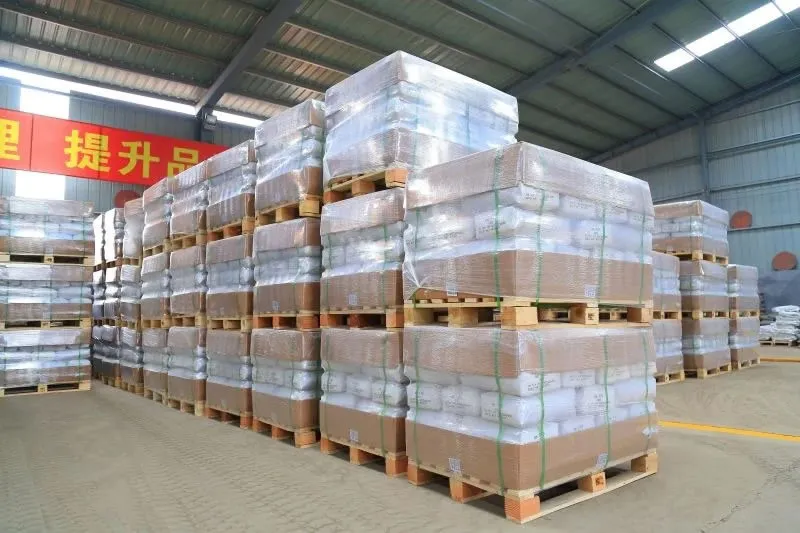
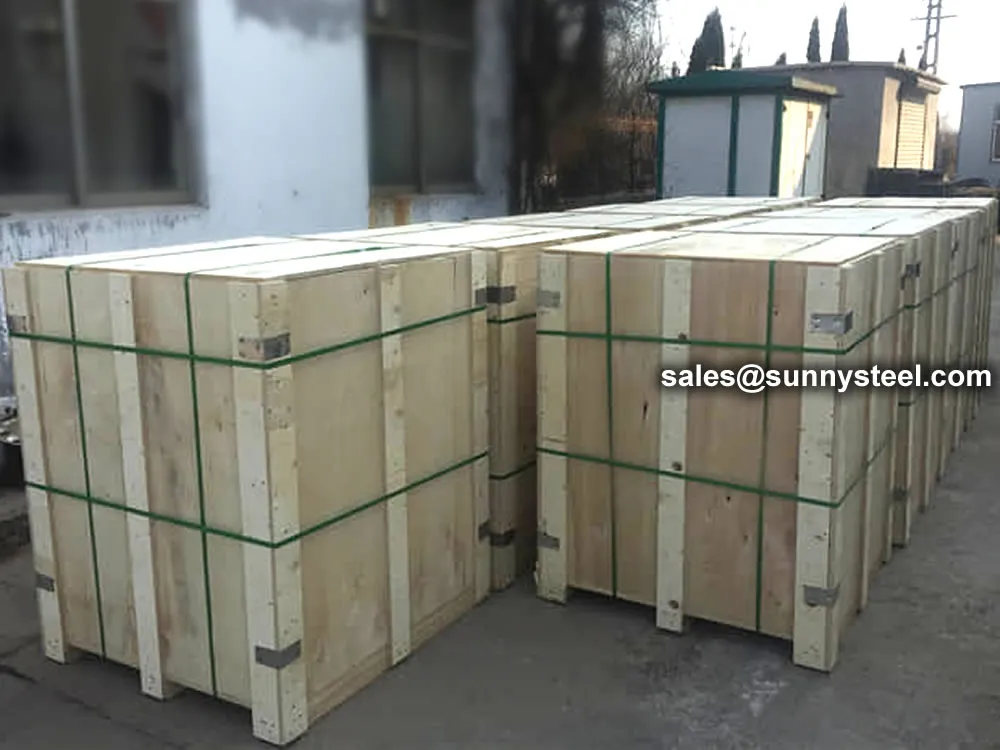
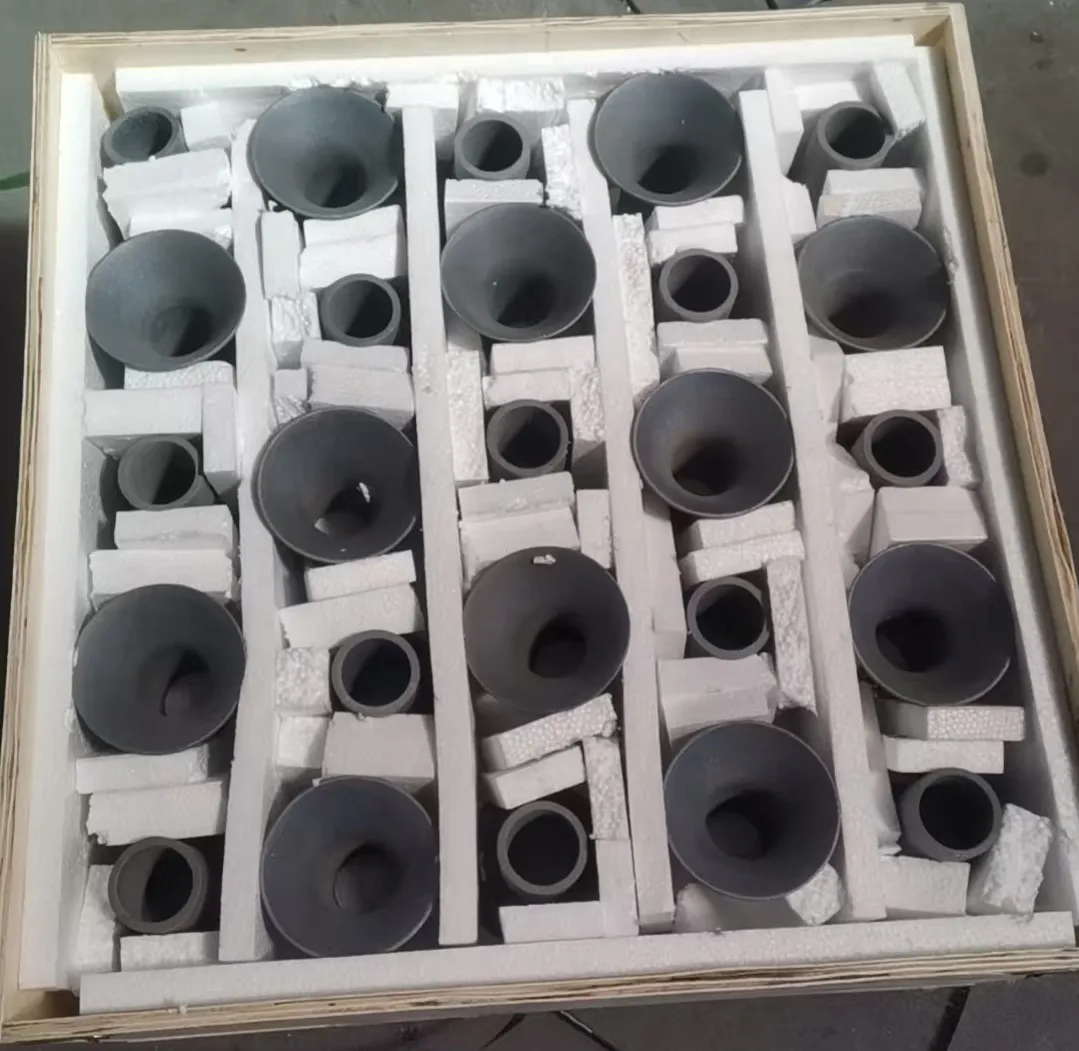
High-performance ceramic solutions for extreme industrial environments
Furnace parts, kiln furniture
Wafer processing, clean room tools
Resists acid/base attack
Lithium cell production
Bulletproof and impact protection
Used in pumps and agitators
Corrosion-resistant tubes
Long-lasting under high speed
Used for coal powder, ash, and slag pipelines, delivering superior wear resistance.
Conveying ore slurry, tailings, and concentrates; pipe life 5x longer.
For long-distance wet coal delivery and corrosive environments.
Pump seals and precision bearings for extended service.
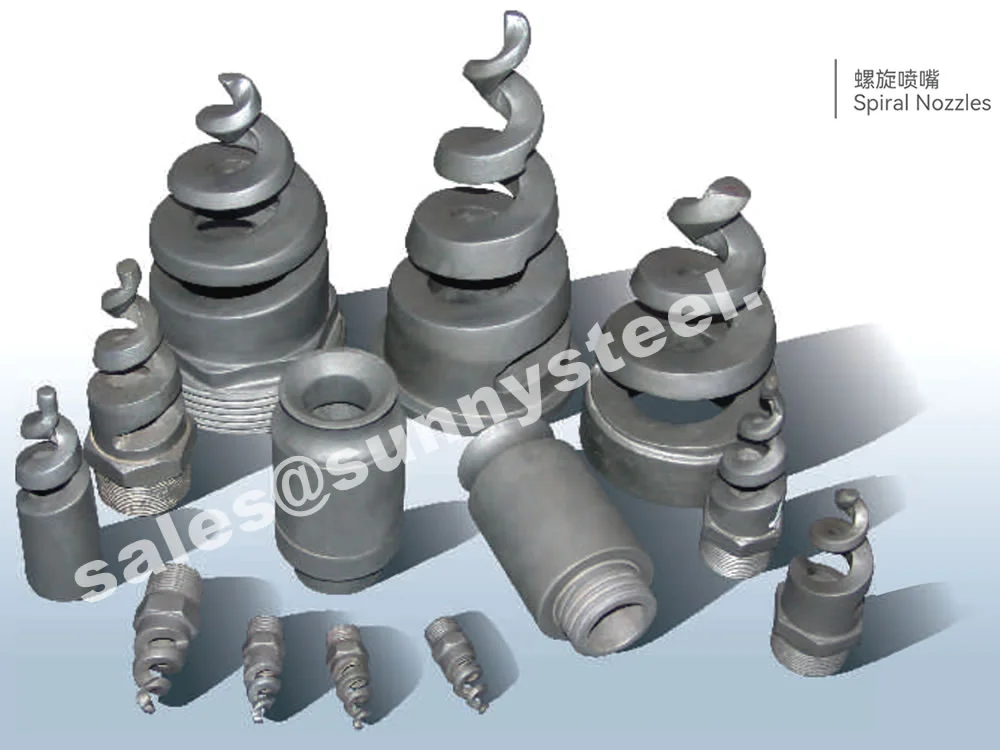
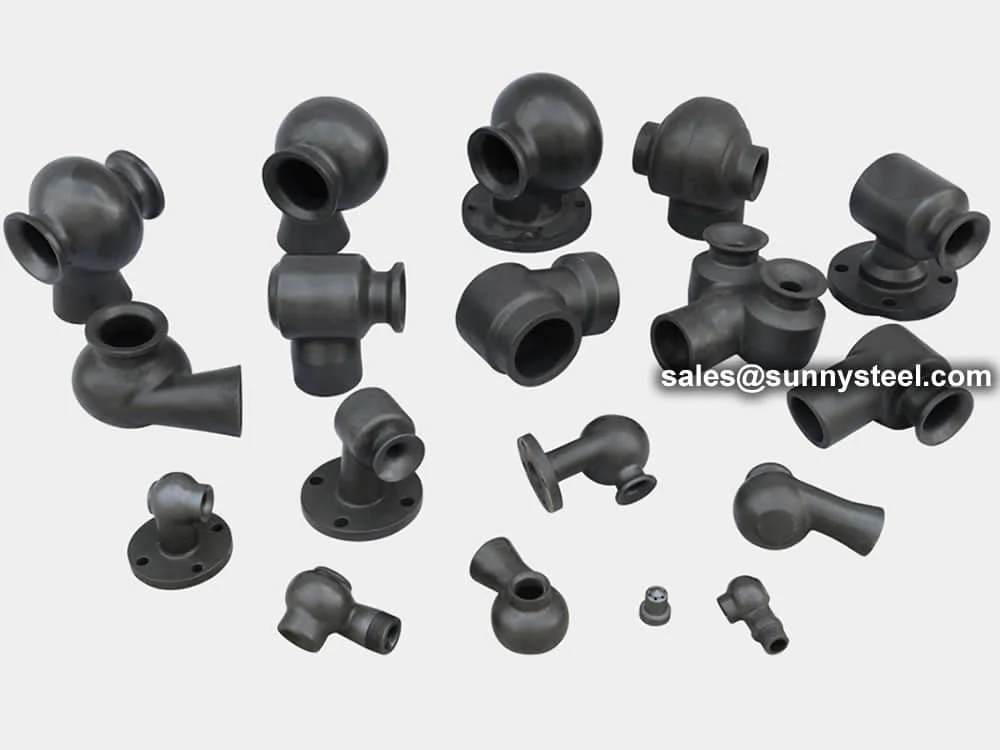
SiSiC Desulfurization Spray Nozzle