0086-21-33780199 (service time:9:00-21:00)
High Chromium Alloy Lined Pipe

High Chromium Alloy Lined Pipe

Bimetal Clad Wear-resistant Pipes

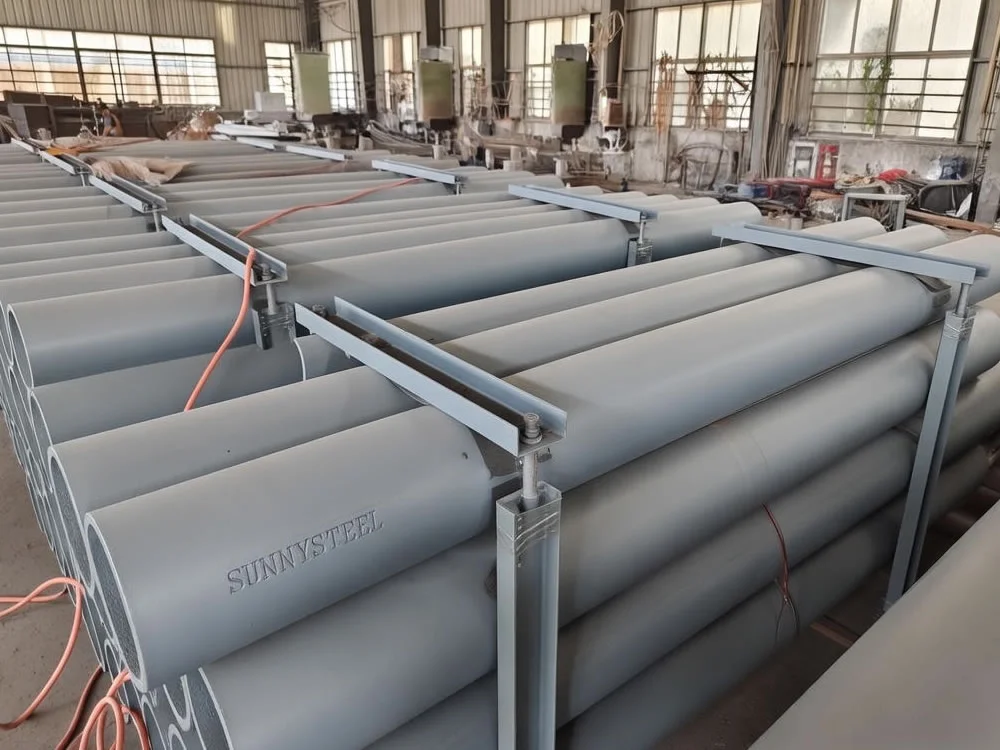
Advanced bimetallic pipes combining carbon/low-alloy steel outer layer with high chromium alloy inner lining for exceptional abrasion, corrosion, and impact resistance.

High Chromium Alloy Lined Pipe

Bimetal Clad Wear-resistant Pipes

Advanced bimetallic pipes combining carbon/low-alloy steel outer layer with high chromium alloy inner lining for exceptional abrasion, corrosion, and impact resistance. Manufactured via centrifugal casting for uniform, defect-free bonding. Lifespan 5-10 years in harsh slurries.
High Chromium Alloy Lined Pipe
Bimetal Clad Pipe
Wear Resistant Pipe

Product Overview

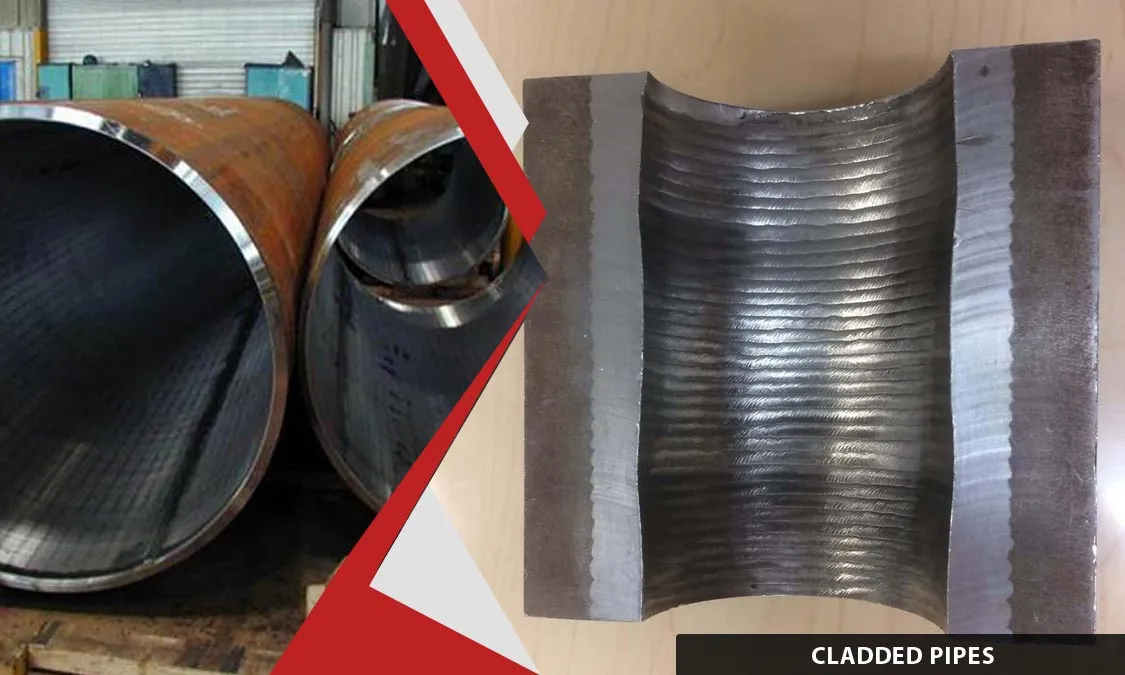
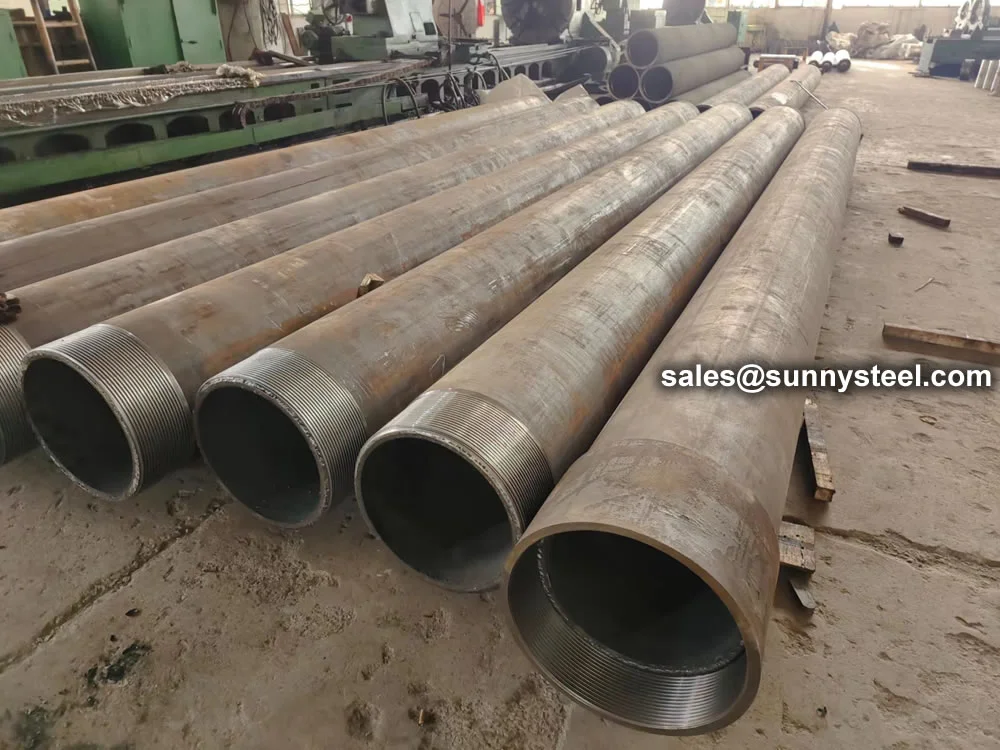
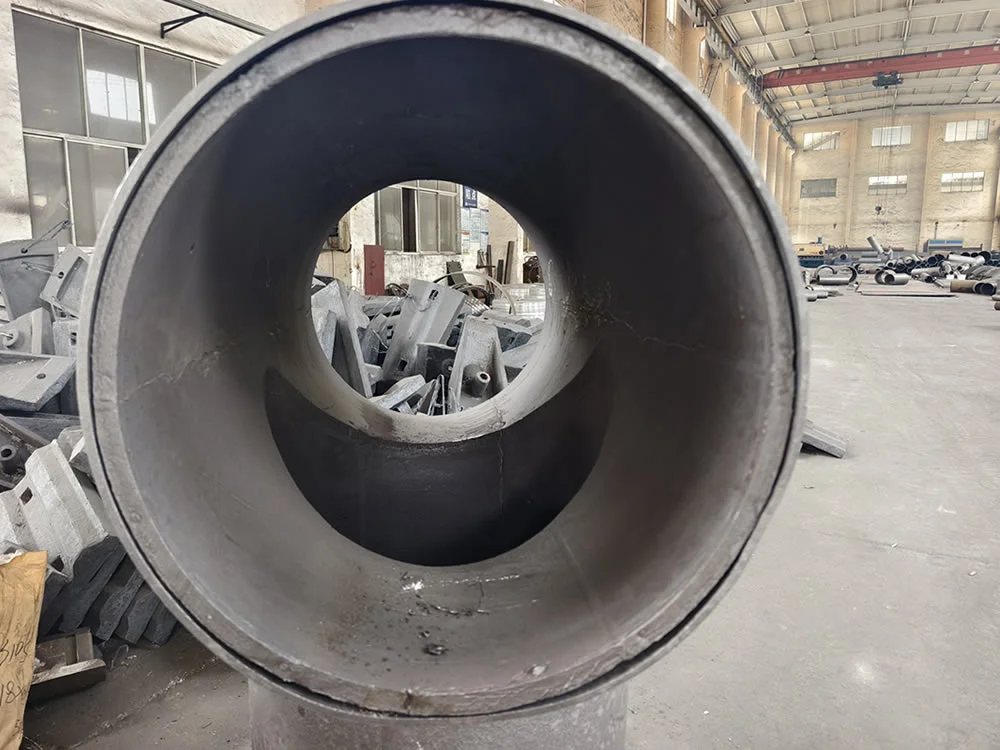
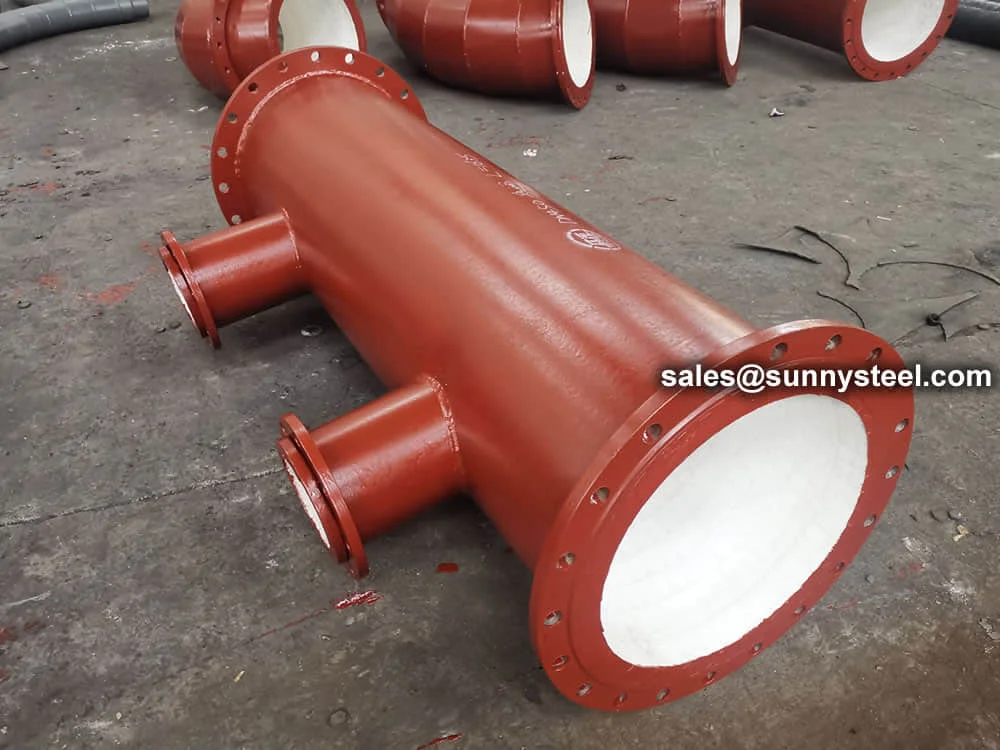
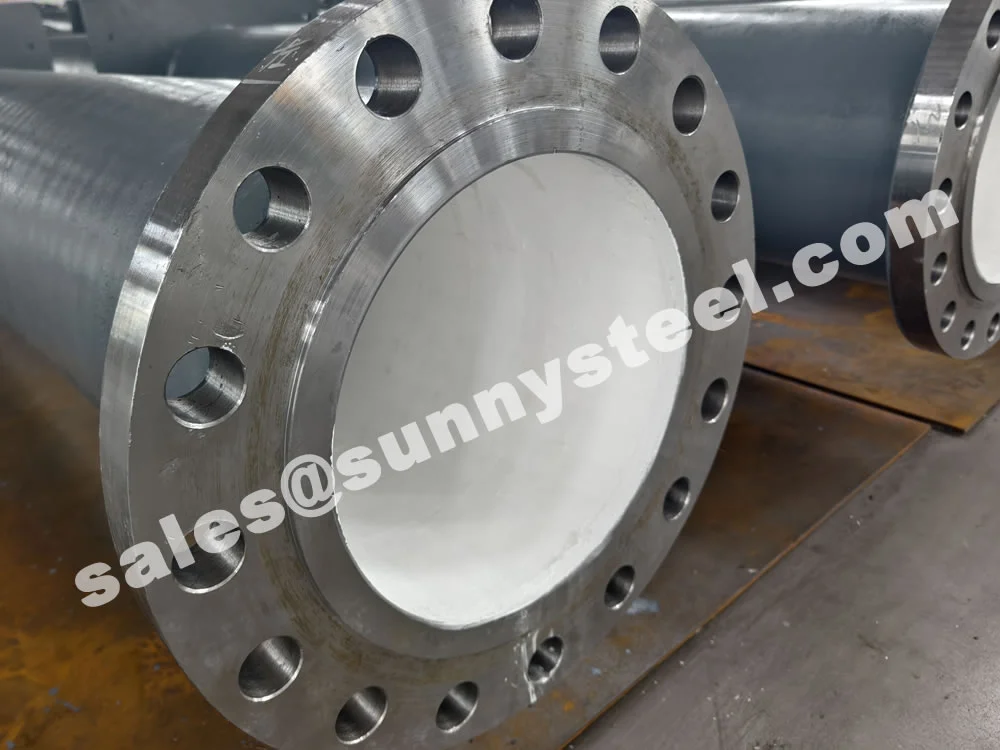
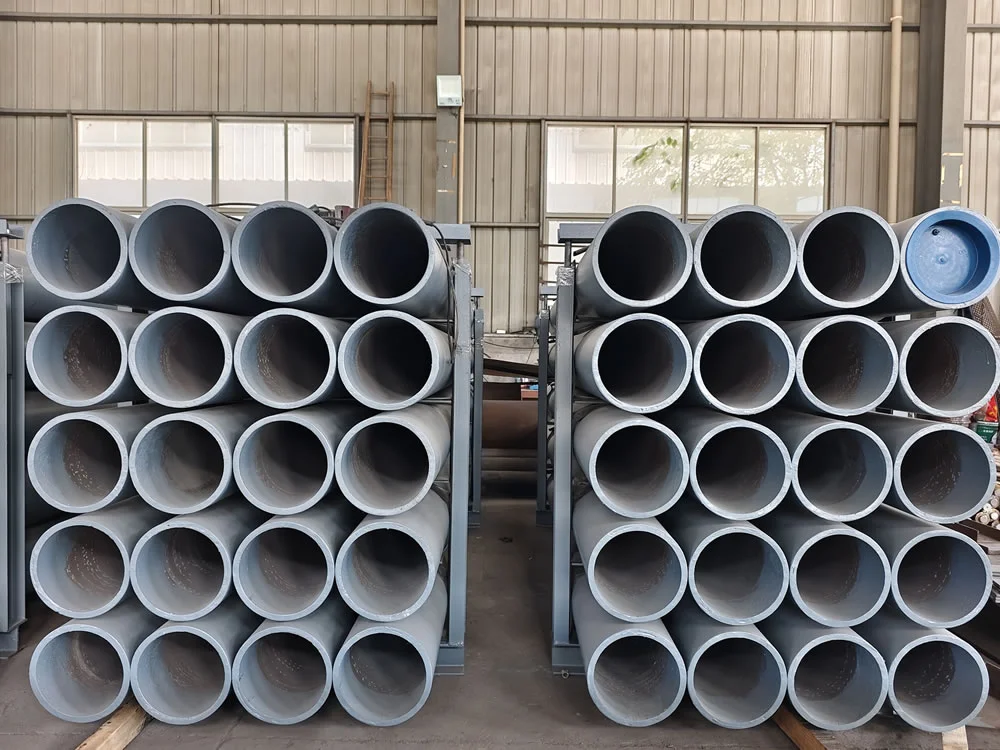
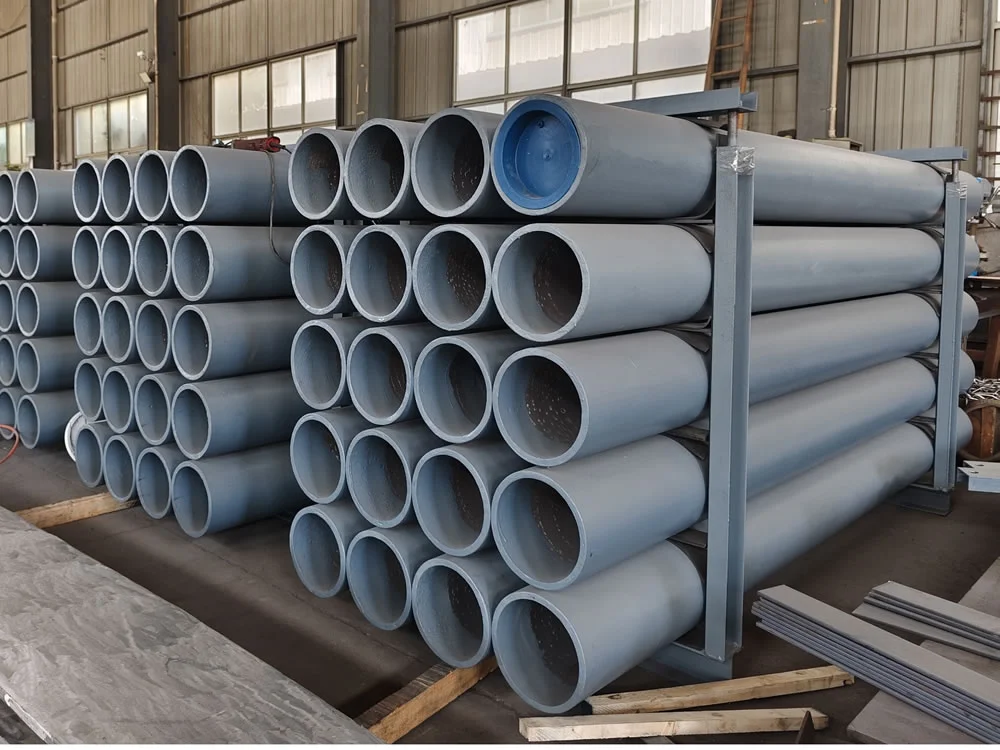
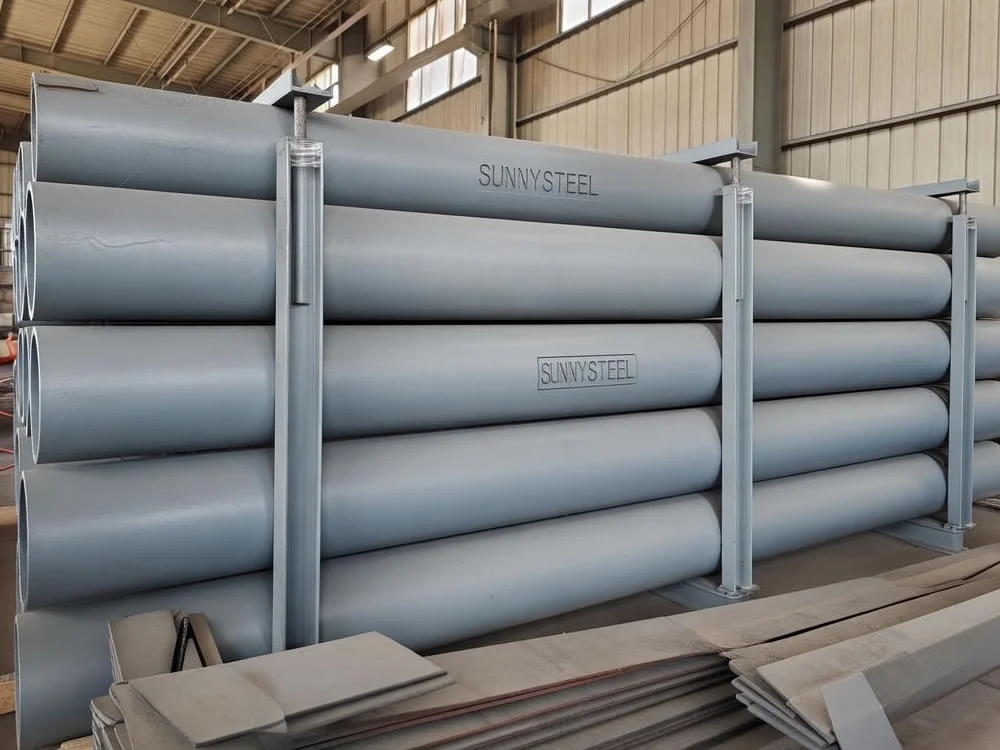
High chromium alloy lined pipes feature a seamless steel outer pipe with a metallurgically bonded high chromium cast iron inner lining. This bimetallic construction delivers the strength and weldability of steel with the superior wear/corrosion resistance of high chrome alloys.

Priced at ~45,000 CNY/ton; extends service life significantly while reducing maintenance costs in abrasive and corrosive environments.

Key Features & Advantages

  • Superior Wear Resistance: Chromium carbide layer (Cr >20%) with HRC60 hardness; 20x lower wear than carbon steel.
  • Excellent Corrosion Resistance: Protective film from Cr/Mo/rare earth elements; effective in low pH and high-temp environments.
  • Impact & Thermal Shock Resistance: Ductile outer steel absorbs shocks; uniform bonding prevents delamination.
  • Good Weldability: Outer A3/16Mn steel layer enables safe field welding.
  • Cost-Effective Longevity: 5-10 year lifespan in slurries; 40% maintenance savings in power plants.

Technical Specifications

Physical Properties Comparison
Property High Chromium Alloy (KmTBCr28) Low-Alloy Cast Iron Carbon Steel (Q235) Stainless Steel (316L)
Hardness (HV/HRC)1500–1800 (55–62 HRC)400–500 (40–50 HRC)150–200 HB200–250 HV
Density (g/cm³)7.7–7.97.2–7.47.858.0
Thermal Conductivity (W/m·K)15–2040–5050–6016
Impact Toughness (J/cm²)5–1010–1550–70100–150
Thermal Shock ResistanceHighModerateModerateHigh
Chemical Composition Comparison (%)
Element High Chromium Alloy (KmTBCr28) Low-Alloy Cast Iron Carbon Steel (Q235) Stainless Steel (316L)
Chromium (Cr)26–281–50.05–0.216–18
Carbon (C)2.0–3.52.5–3.50.12–0.20.03 max
Molybdenum (Mo)0.5–3.00–0.52–3
Nickel (Ni)0.5–2.00–1.010–14
Manganese (Mn)0.5–1.50.5–1.00.3–0.72.0 max
Silicon (Si)0.5–1.51.0–2.00.3 max1.0 max
Performance Comparison
Property High Chromium Alloy Lined Low-Alloy Cast Iron High-Alloy Cast Iron Ceramic-Lined
Wear Resistance (ASTM G65, mm³ loss)0.5–1.05–101.5–3.00.1–0.5
Corrosion Resistance (pH < 4)ExcellentPoorGoodExcellent
Impact ResistanceHighModerateLowPoor
Thermal Shock ResistanceHighModerateModeratePoor
Cost (USD/m, 6-inch)200–300100–150150–200300–400
Service Life (years, slurry)5–101–33–57–12
Bimetal Clad Pipe

Advantages of High Chromium Alloy Lined Pipe

  • 1. Outstanding Wear Resistance

    The super-hard alloy liner has a hardness above HRC 56, ensuring excellent durability under abrasive conditions.

  • 2. High Impact & Thermal Shock Resistance

    The metallurgically bonded dual-layer structure withstands expansion, contraction, and mechanical shock without cracking.

  • 3. Excellent Heat & Corrosion Resistance

    Ideal for both wet and dry environments, the alloy matrix resists chemical corrosion and thermal degradation.

  • 4. Advanced Casting Technology

    Manufactured using EPC (lost foam casting), ensuring uniform wall thickness, high compactness, and stable quality.

  • 5. Flexible Installation Options

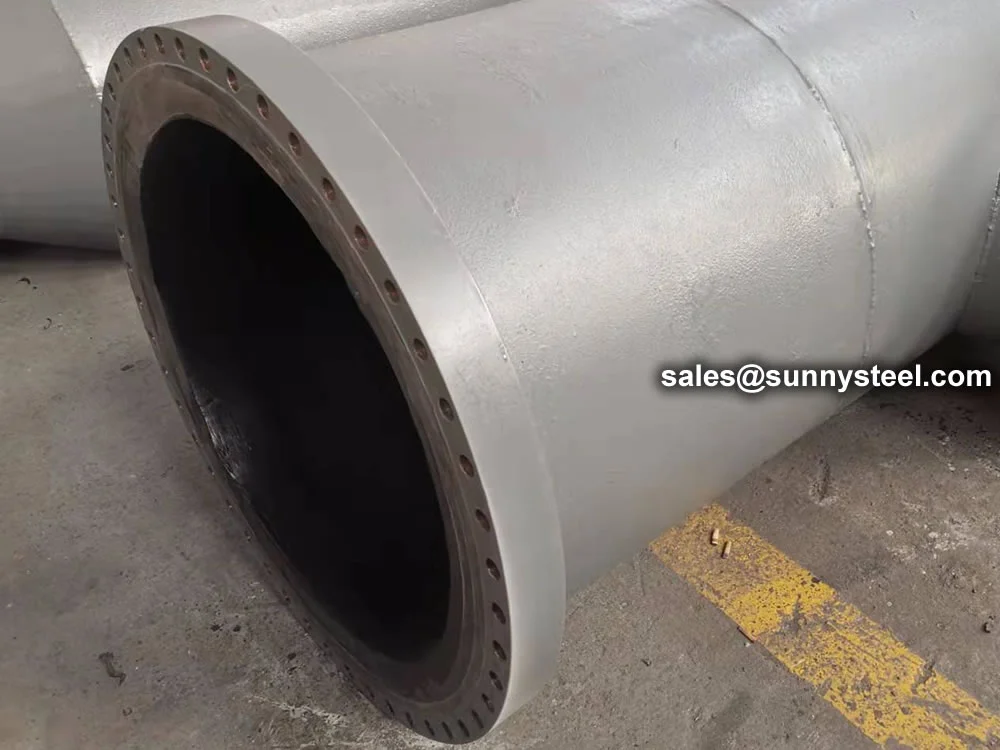
    Compatible with flange, quick coupling, or direct welding. Easy to cut, reassemble, and maintain on-site.

  • 6. Cost-Effective Solution

    Delivers 5–10× longer service life at a lower cost than solid alloy pipes, offering significant savings over time.

FAQ

A bimetal clad pipe is a composite pipe consisting of two different materials that are metallurgically bonded together. Typically, it features an inner layer made of corrosion-resistant or wear-resistant material and an outer layer made of a strong structural material, combining durability with performance.

A bimetal, or thermostatic metal, is a composite sheet or strip made of two or more materials with different coefficients of thermal expansion. These materials are bonded together by riveting, brazing, or welding and are commonly used in applications where thermal response is critical.

KmTBCr28 is a white cast iron alloy with approximately 28% chromium and low carbon content. It has a Brinell hardness of around 430 and offers excellent corrosion resistance, especially in low pH environments where erosive wear is also a concern.

Pipe cladding is the process of applying a protective layer or coating to a pipe's surface to enhance its resistance to wear, corrosion, abrasion, and impact. It is commonly used in industries like oil & gas, power generation, and chemical processing to extend pipe service life and reduce maintenance.

Common pipe cladding techniques include:
  • Weld-overlay cladding: Uses welding techniques like MMA, GTAW, or SAW to deposit a cladding layer.
  • Explosion cladding: Bonds two metals using explosive energy to create a strong metallurgical bond.
  • Mechanical cladding: Involves bonding by pressure or heat without welding, using processes like roll bonding or diffusion bonding.

  • Excellent corrosion and wear resistance from the inner layer.
  • Cost efficiency by using premium materials only where necessary.
  • Extended service life in abrasive and corrosive environments.
  • Customizable combinations of materials for inner and outer layers to meet specific application needs.

  • Oil and gas: Transporting corrosive fluids and gases.
  • Petrochemical: Handling abrasive and corrosive materials.
  • Mining: Conveying slurries and abrasive minerals.
  • Power generation: Transporting coal ash and other particulates.

Bimetal clad pipes are manufactured through techniques such as explosive welding, roll bonding, or vacuum diffusion bonding. These processes ensure a strong and reliable metallurgical bond between the inner and outer layers of the pipe.

Yes, bimetal clad pipes can be customized in terms of materials, sizes, shapes, and thicknesses to meet the needs of different applications and industries. Tailored designs help optimize performance and cost-efficiency.

Yes, bimetal clad pipes can be installed using standard joining methods such as welding, flanges, or mechanical couplings. Their high resistance to corrosion and wear significantly reduces the need for frequent maintenance.

Yes, bimetal clad pipes can be engineered to withstand high temperatures. With proper selection of inner and outer materials, they provide excellent stability and performance in elevated temperature applications.

CRA stands for Corrosion Resistant Alloy. It refers to a class of materials specifically designed to resist corrosion in harsh environments. CRA cladding involves applying these alloys to base pipes to significantly enhance their resistance to corrosive substances.

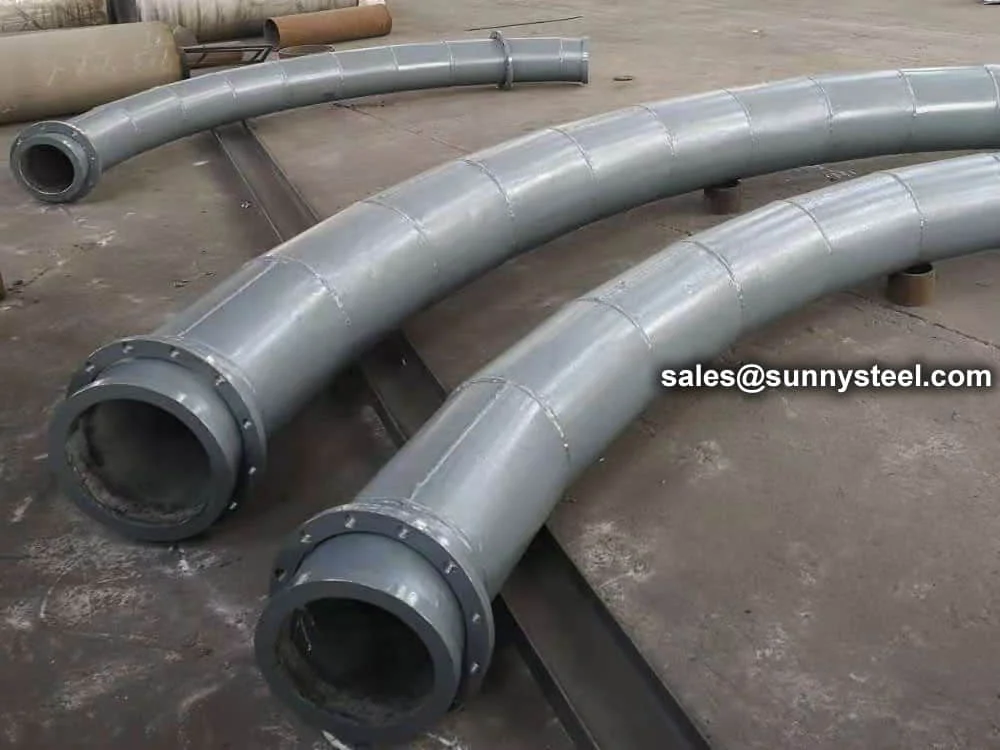
Elbow cladding is the process of applying a cladding layer to elbow-shaped pipe fittings. This procedure requires greater precision than straight pipe cladding due to the curvature and potential deformation of elbow sections during processing.

While pipe cladding is most commonly used in the oil and gas industry, it is also widely applied in:
  • Mining
  • Marine and aquaculture
  • Manufacturing
  • Fabrication and heavy industry
  • Any sector requiring protection against high temperature and high impact conditions

Pipe lining is a rehabilitation technique used to extend the lifespan of existing pipelines. It restores pipes affected by:
  • Corrosion
  • Abrasion
  • Erosion
  • Leaks and other surface degradation
Pipe lining typically involves mechanically bonding a liner to the interior of a pipe without metallurgical bonding.

Pipe lining is a mechanical process used to bond a protective material inside a pipe, often for restoration or life extension. Benefits include:

  • Protection from internal damage
  • Restoring original pipe dimensions
  • Cost-effective refurbishment

Pipe cladding is a metallurgical process where corrosion- or wear-resistant materials are bonded to the pipe body. Common purposes include:

  • Improving resistance to wear and corrosion
  • Enhancing thermal and mechanical durability
  • Creating pipes suitable for harsh operating conditions

Many specialized companies offer advanced pipe cladding solutions using state-of-the-art equipment. Our pipe cladding services feature:
  • User-friendly operation
  • High levels of automation
  • Effective water cooling systems
  • Multi-torch welding head configurations
  • High precision and original design for critical components
These features enable efficient, reliable, and high-quality cladding for industrial demands.

High Chromium Alloy Lined Pipe Application

High Chromium Alloy Lined Pipe are widely used in high-corrosion, high-pressure, and wear-resistant environments across multiple industries.

Oil & Gas Transport

Used as casing pipes for offshore oil & gas with Inconel or Duplex liners and carbon steel outer layers.

Boilers

High-temp resistant cladding materials like Alloy 800 and 17-14CuMo ensure durability under 800°C and 35 MPa conditions.

Waste Incinerators

Clad pipes with corrosion-resistant alloys like Sanicro 65 extend the service life in corrosive incineration environments.

Heat Exchangers

Used in chemical and power industries, combining high thermal conductivity with excellent corrosion resistance.

Wear-Resistant Transport

Ideal for pneumatic conveying of fine powders with SUS316L or Stellite alloy liners providing long service life.

Marine & Seawater

Nickel, titanium, and copper alloys used as liners ensure performance in desalination and seawater cooling systems.
Related Products