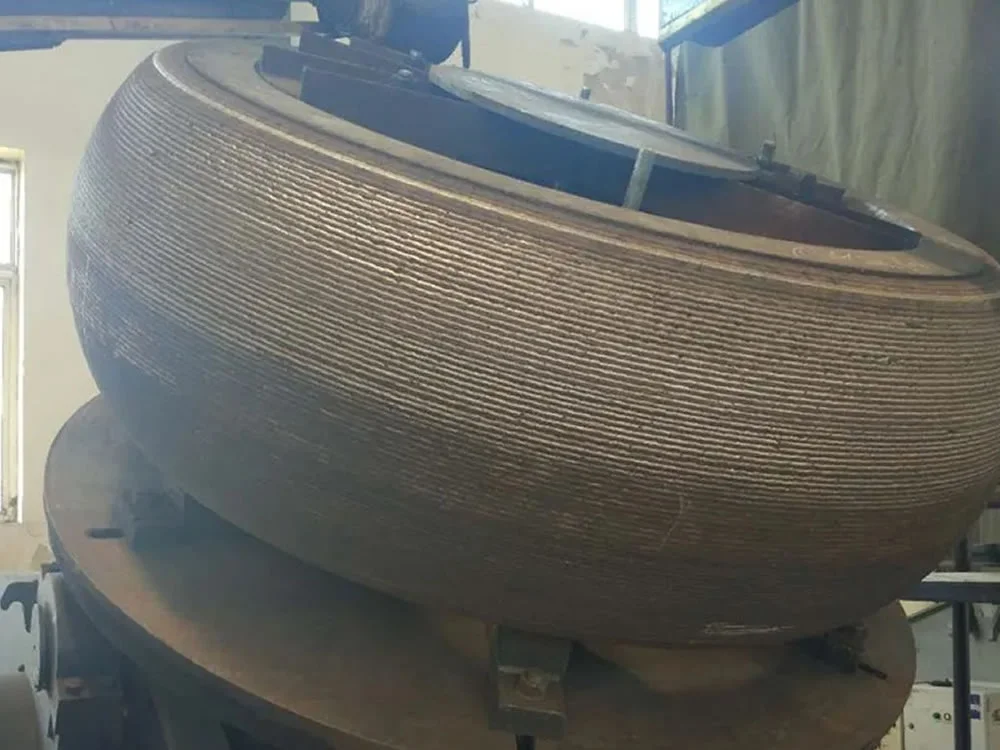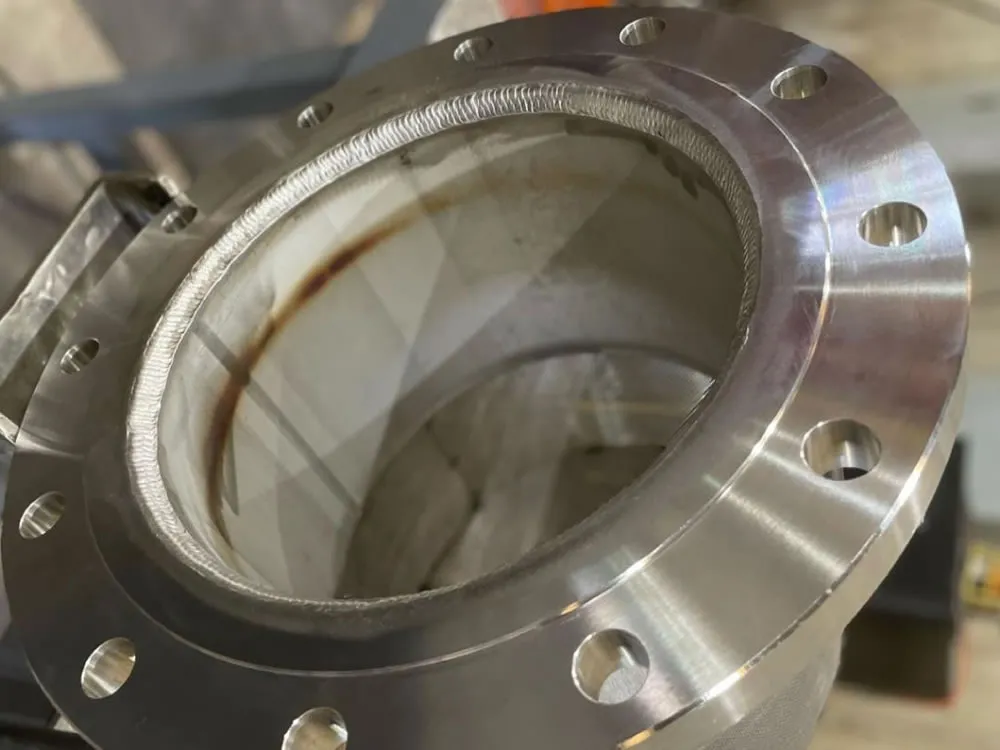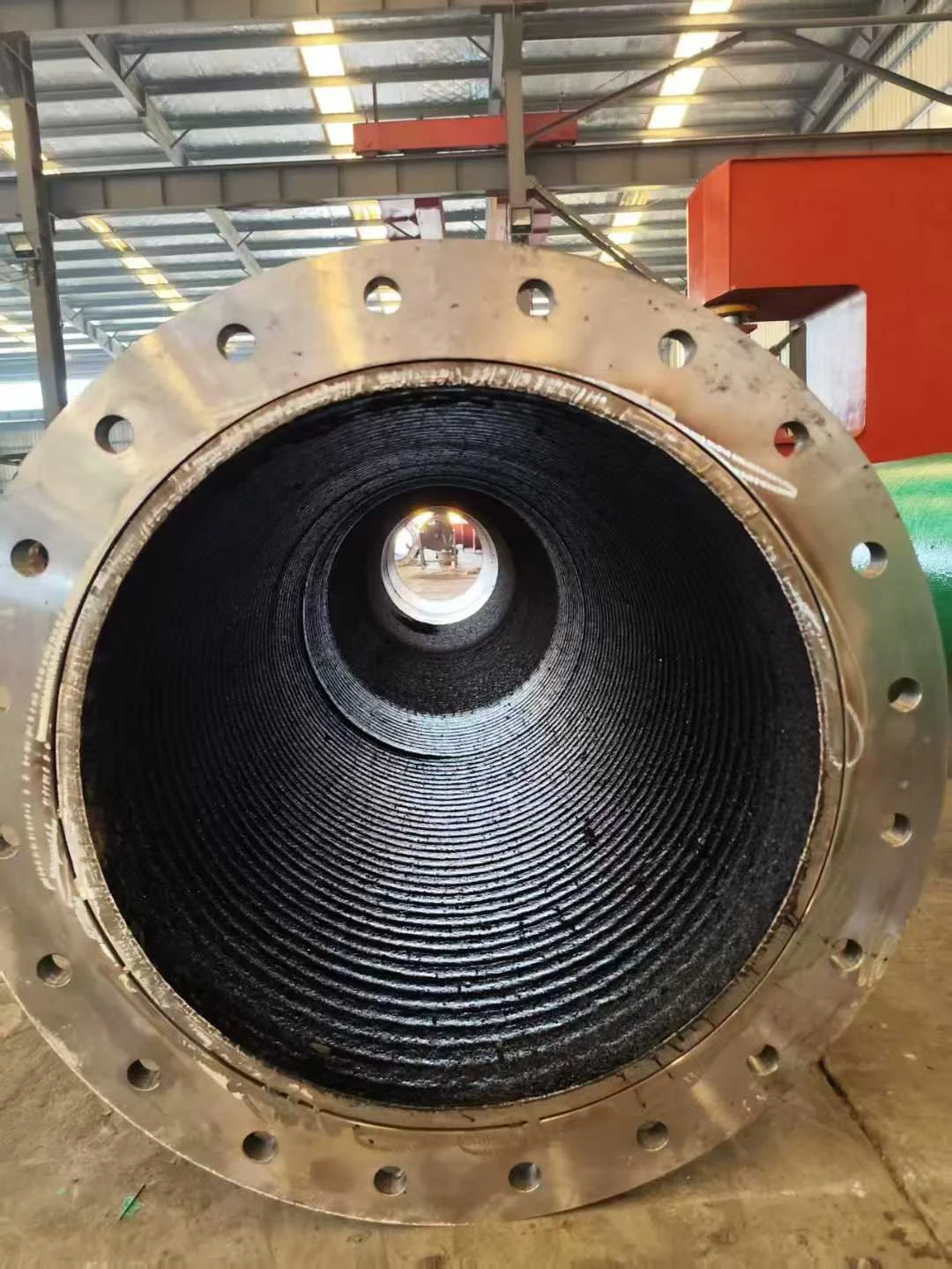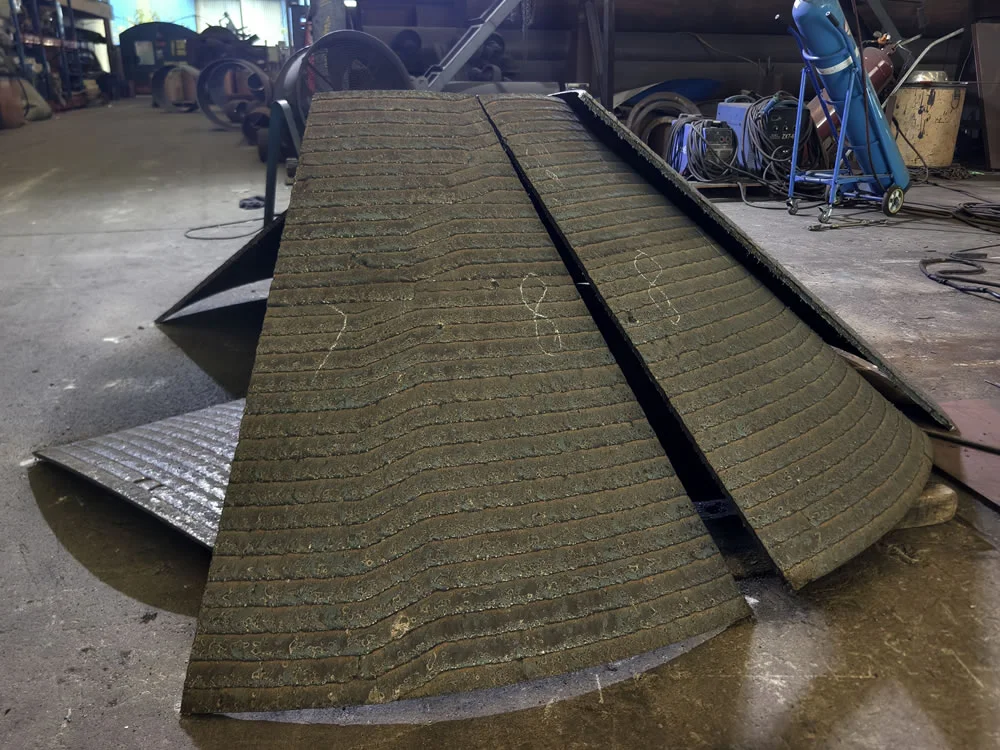
Welding Alloys – Advanced Wear Protection
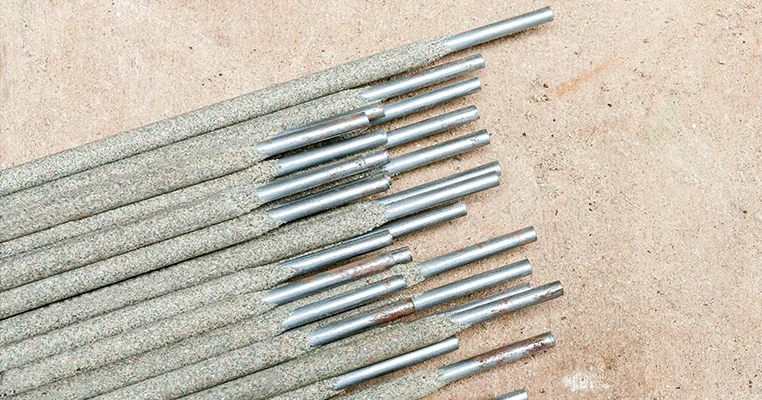
Welding alloys offers industry-leading flux cored and metal cored wires, plus coated/tubular electrodes for hardfacing, rebuilding, and repair.
Welding Alloys – Advanced Wear Protection
Welding alloys offers industry-leading flux cored and metal cored wires, plus coated/tubular electrodes for hardfacing, rebuilding, and repair.
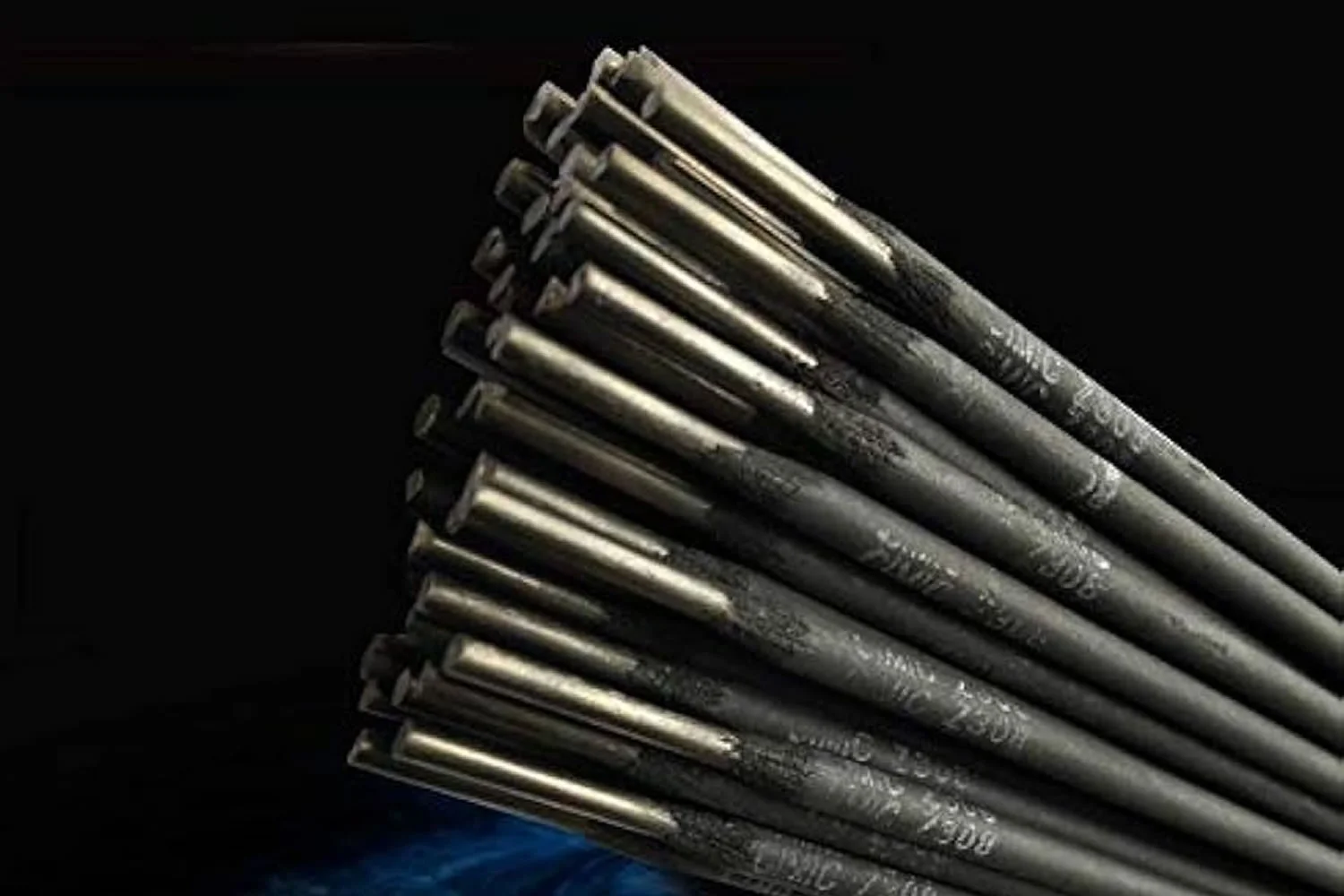
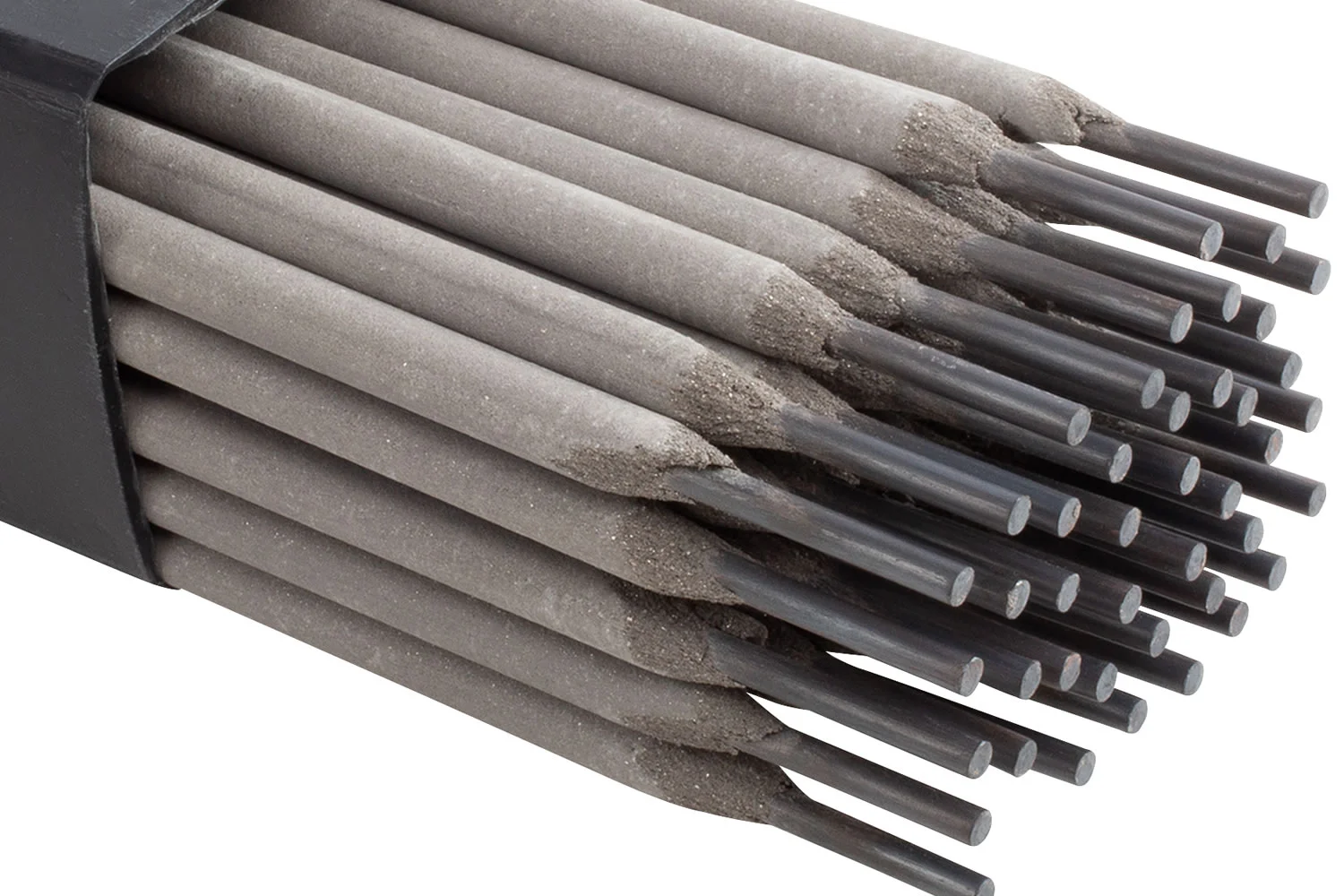
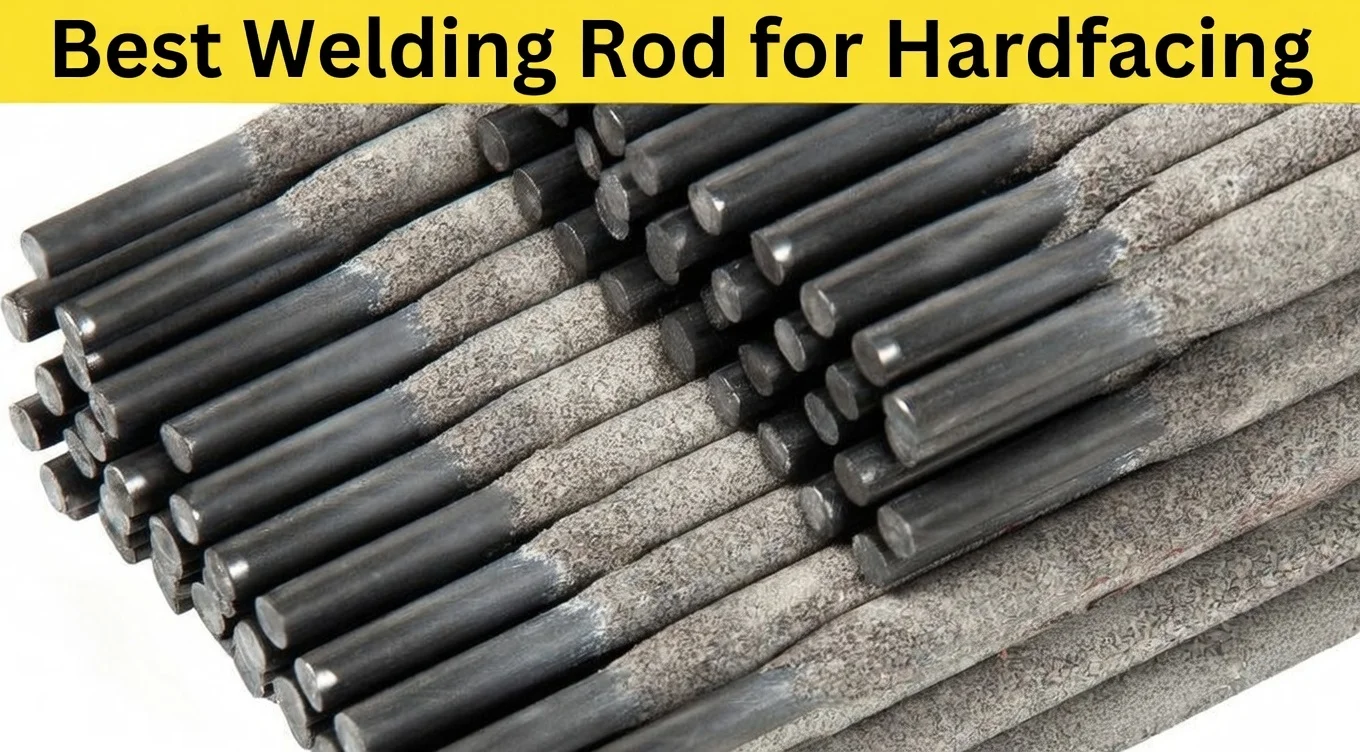
These wires consist of hard phases within a matrix, whose structure is determined by the composition of the filler metal.
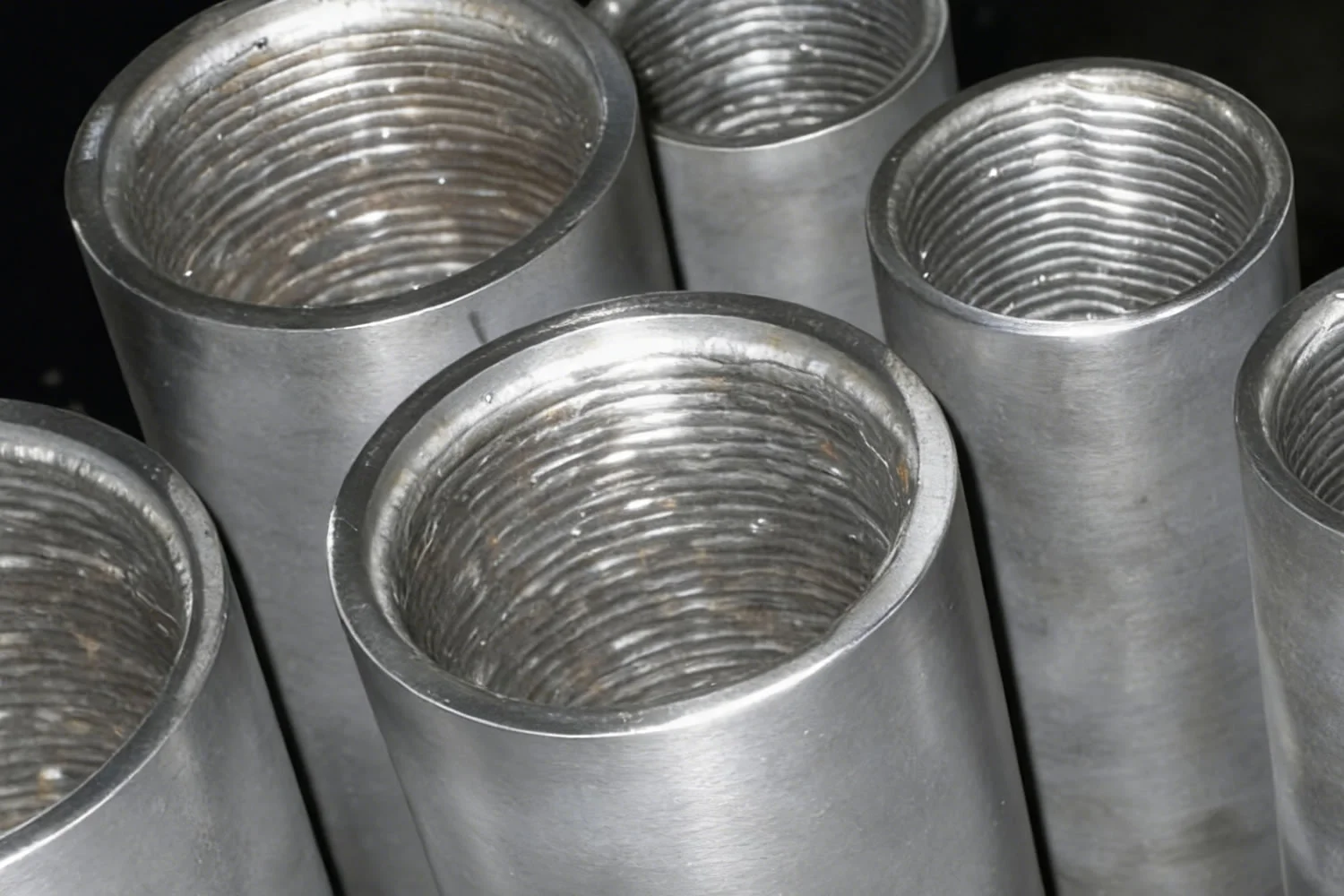
Products with high boron content deliver the optimal solution for combating a broad range of pure abrasive wear conditions. HARDFACE BN, HARDFACE BNC, and HARDFACE NCWB can achieve high hardness starting from the first layer; however, applying a second layer or repairing an existing hardfacing deposit with these wires is not recommended due to the risk of spalling.
A vast selection of cored wires can be engineered and manufactured simply by adjusting or incorporating specific elements. For instance, by adding an appropriate amount of niobium, our HARDFACE HCNB-O enhances wear performance from the first layer, offsetting the dilution effect on the substrate.
With most of these wires, shrinkage cracks will form in the deposit. These cracks arise from the natural stress relaxation within the deposit. Stress-relief cracking typically does not occur when using cored wires specifically designed for impact resistance.
Pioneers in flux cored and metal cored consumables, Welding Alloys provides specialized hardfacing solutions for build-up, repair, and surface protection. Seamless wires (ROBODUR/ROBOTOOL) and advanced alloys ensure optimal performance in demanding environments.
Self-shielded (-O), gas-shielded (-G), and submerged arc (-S) options available. Expert support for consumable selection worldwide.
Our range of cored welding wires are categorised into product families. Below is a brief overview of our main product families for Hardfacing applications, which will help to guide your selection process:
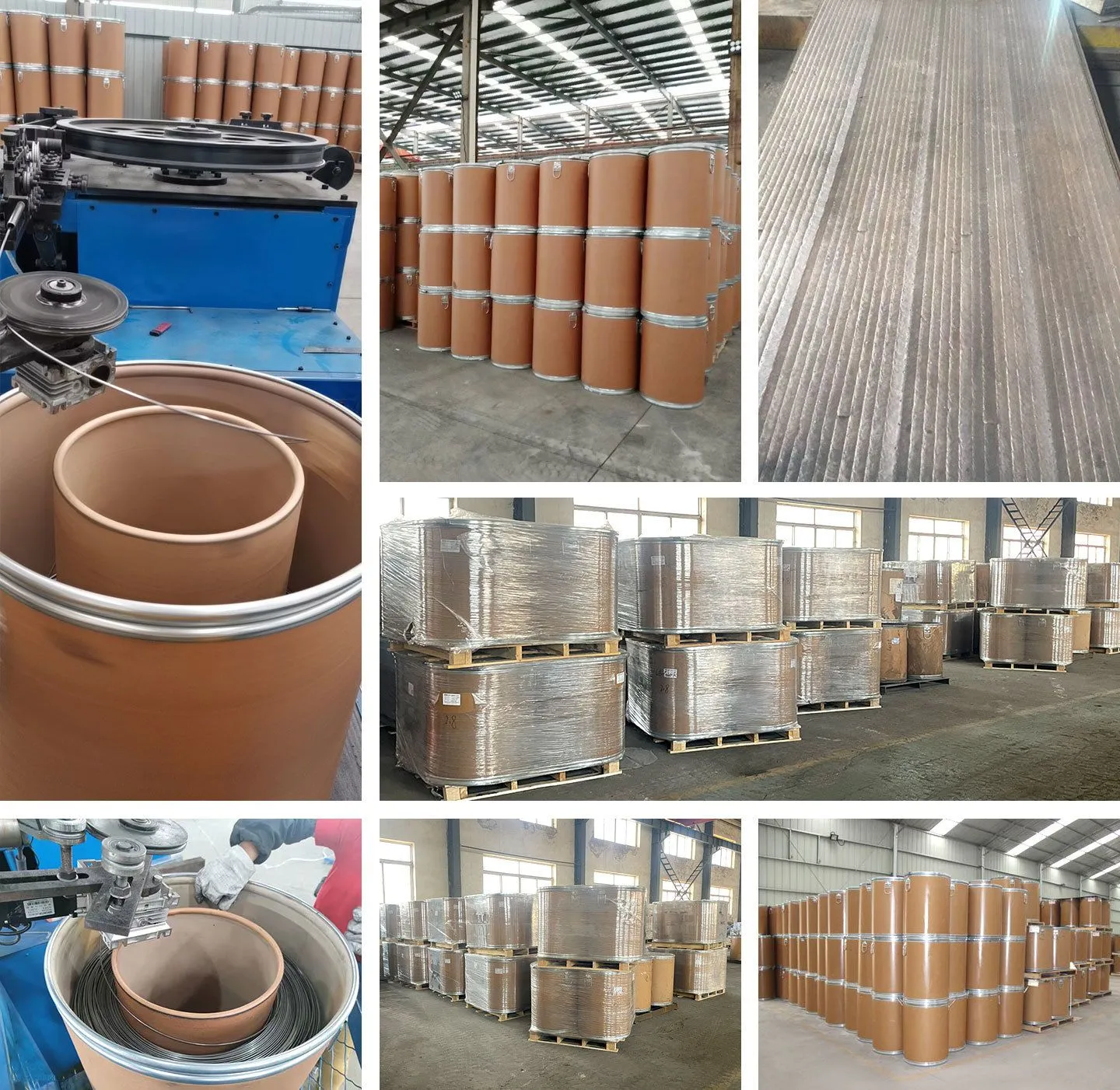
Our hardfacing consumable experts will support you in choosing the right consumable for your requirements.
| Item | Wire diameter(mm) | Alloy Chemical Composition(%) | Performance And Use | |||||||||
|---|---|---|---|---|---|---|---|---|---|---|---|---|
| C | Cr | Si | Mn | B | Mo | Nb | W | V | Ni | |||
| HP124 | 2.4-3.2 | 4.0-5.3 | 23-25 | 0.7-1.5 | 0.5-1.5 | 0.8-1.5 | Wear-plate surfacing single-layer welding wire is suitable for low stress abrasive wear conditions | |||||
| HP128 | 2.4-3.2 | 4.2-5.5 | 27-29 | 0.5-1.5 | 0.5-1.5 | 0.8-1.5 | ||||||
| HP130 | 2.4-3.2 | 4.2-5.5 | 29.5-30.5 | 0.5-1.5 | 0.5-1.5 | 0.8-1.5 | ||||||
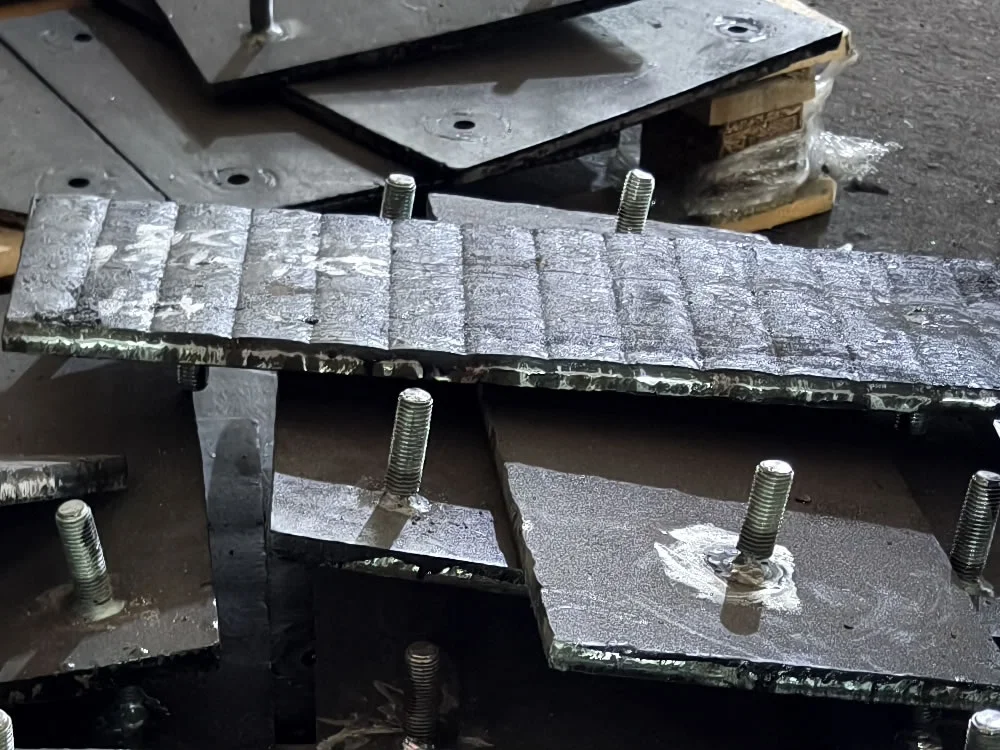
| HP220 | 2.4-3.2 | 4.0-5.0 | 19.5-20.5 | 0.7-1.5 | 0.7-1.5 | 0.4-0.7 | Wear-resistant plate surfacing welding double layer and above.The welding wire is suitable for medium impact wear condition | |||||
| HP224 | 2.4-3.2 | 4.0-5.3 | 23-25 | 0.7-1.5 | 0.7-1.5 | 0.4-0.7 | ||||||
| HP228 | 2.4-3.2 | 4.2-5.5 | 27-29 | 0.5-1.5 | 0.7-1.5 | 0.4-0.7 | ||||||
| HP230 | 2.4-3.2 | 4.2-5.5 | 29.5-30.5 | 0.5-1.5 | 0.7-1.5 | 0.4-0.7 | ||||||
| HP236 | 2.4-3.2 | 4.2-5.5 | 35.0-37.0 | 0.5-1.5 | 0.7-1.5 | 0.4-0.7 | ||||||
| HP300 | 2.4-3.2 | 4.2-5.5 | 24-27 | 0.5-1.5 | 0.7-1.5 | 0.3-0.7 | 0.5-1.5 | 0.5-1.5 | 0.5-1.5 | 0.5-1.5 | Resistant to high temperature condition of 600 degrees wear-plate surfacing welding wire | |
| HP308 | 2.4-3.2 | 4.2-5.5 | 21-25 | 0.5-1.5 | 0.7-1.5 | 0.3-0.7 | 2.5-3.5 | 2.5-3.5 | 0.8-1.5 | 0.8-1.5 | Resistant to high temperature condition of 800 degrees wear-plate surfacing welding wire | |
| HP310 | 2.4-3.2 | 4.2-5.5 | 21-25 | 0.5-1.5 | 0.7-1.5 | 0.3-0.7 | 5.0-7.0 | 5.0-7.0 | 1.5-2.0 | 0.8-1.2 | Resistant to 1000 °C high temperature condition wear-plate surfacing welding wire | |
| HP4196 | 2.4-3.2 | 0.1-0.4 | 18-20 | 0.4-1.2 | 5.0-7.0 | 8.0-10.0 | Sufacing Grinding Roller and Grinding Table | |||||
| HP4202 | 2.4-3.2 | 0.1-0.4 | 4.0-14.0 | 0.4-1.2 | 12.0-16.0 | 0.6-1.2 | Sufacing Grinding Roller and Grinding Table | |||||
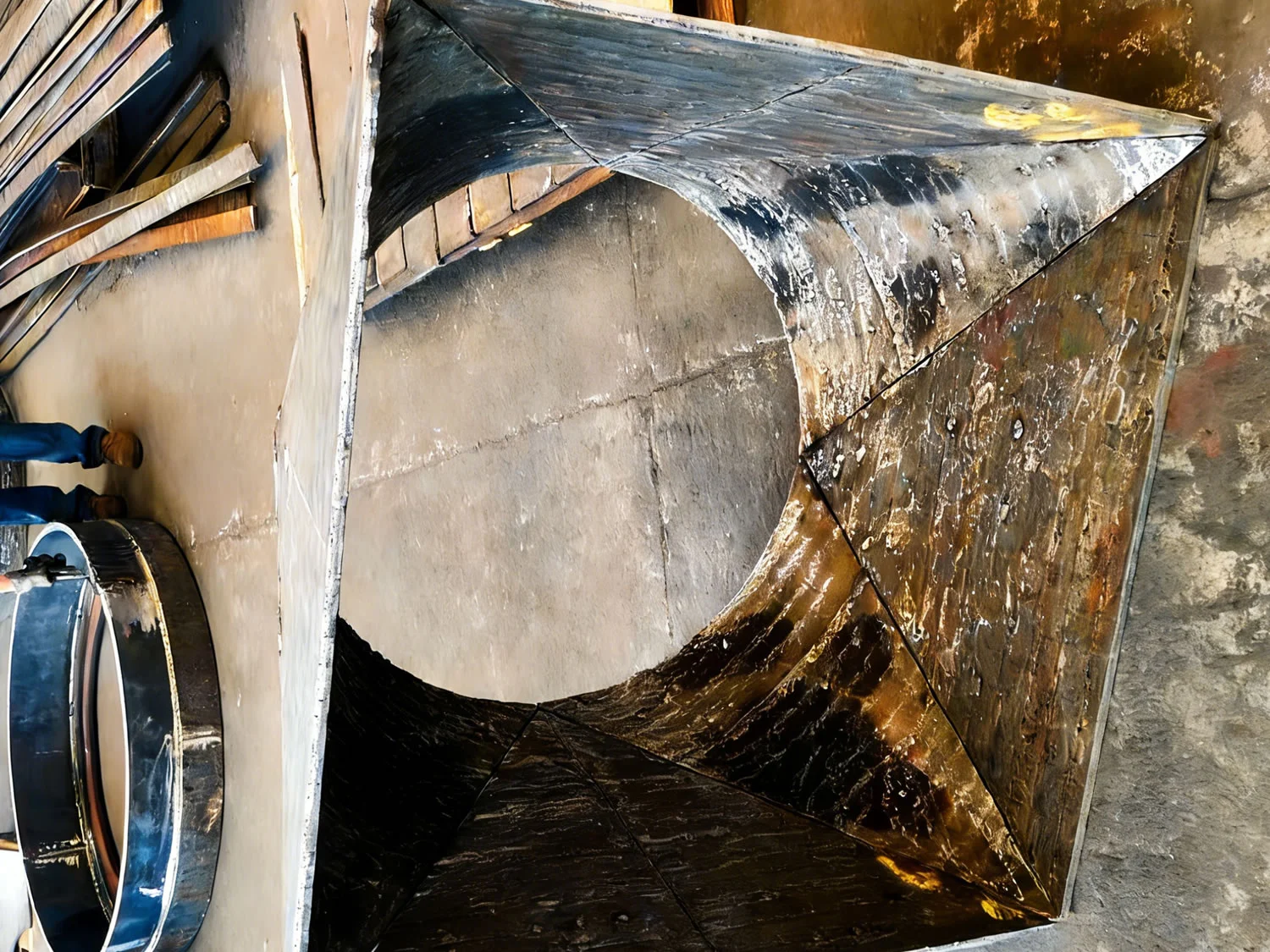
| HP4226 | 2.4-3.2 | 4.2-6.0 | 25-29 | 0.7-2.0 | 0.7-2.0 | 0.3-0.5 | 0.3-0.6 | Cement production wear、Coal hopper、Mineral mechanical wear | ||||
| HP4230 | 2.4-3.2 | 4.2-6.0 | 29-31 | 0.5-2.0 | 0.5-2.0 | 0.3-0.5 | 0.3-0.6 | |||||
| HP4100 | 2.4-3.2 | 4.2-6.0 | 25-29 | 0.5-2.0 | 0.5-2.0 | 0.3-0.5 | 0.8-1.5 | 0.3-0.6 | ||||
| HP4143 | 2.4-3.2 | 4.2-6.0 | 25-29 | 0.5-2.0 | 0.5-2.0 | 0.3-0.5 | 6.0-8.0 | 0.3-0.6 | Mineral mechanical wear wire | |||
| HP4145 | 2.4-3.2 | 4.2-5.5 | 21-25 | 0.5-1.5 | 0.7-1.5 | 0.3-0.7 | 5.0-7.0 | 5.0-7.0 | 1.5-2.0 | 0.8-1.2 | 0.3-0.6 | Blue carbon condition roller special welding wire |
| HP5100 | 2.4-3.2 | 4.2-6.0 | 25-29 | 0.5-2.0 | 0.5-2.0 | 0.3-0.5 | 0.8-1.5 | 0.3-0.6 | Crushing roll surfacing welding wire | |||
| HP6300 | 2.4-3.2 | 4.2-5.5 | 24-27 | 0.5-1.5 | 0.7-1.5 | 0.3-0.7 | 0.5-1.5 | 0.5-1.5 | 0.5-1.5 | 0.5-1.5 | 0.2-0.4 | Single roller cursher teeth、Grizzly bar、Distributor chute ,etc.High temperature and wear resistant parts production and repair of surfacing welding wire |
| HP6308 | 2.4-3.2 | 4.2-5.5 | 21-25 | 0.5-1.5 | 0.7-1.5 | 0.3-0.7 | 2.5-3.5 | 2.5-3.5 | 0.8-1.5 | 0.8-1.5 | 0.2-0.4 | |
| HP6310 | 2.4-3.2 | 4.2-5.5 | 21-25 | 0.5-1.5 | 0.7-1.5 | 0.3-0.7 | 5.0-7.0 | 5.0-7.0 | 1.5-2.0 | 0.8-1.2 | 0.2-0.4 | |