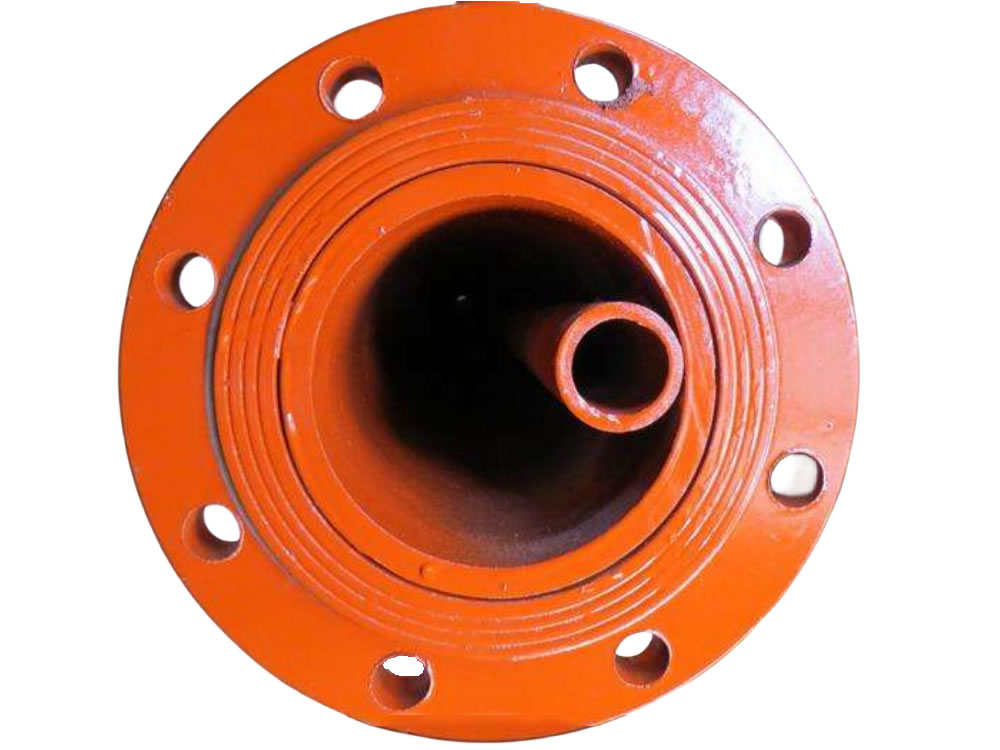
Discover the best material for slurry pipelines. Basalt lined pipes offer superior abrasion resistance, corrosion protection, and long service life in mining, dredging, and power plant slurry transpor
When transporting highly abrasive and corrosive slurries in mining, dredging, mineral processing, and power plants, choosing the right pipeline material is critical to minimize downtime, reduce maintenance costs, and extend service life.
Slurry pipelines must withstand:
| Material | Advantages | Disadvantages |
|---|---|---|
| Carbon Steel / Mild Steel | Low initial cost, easy fabrication | Poor abrasion resistance, fast wear, frequent replacement |
| High Chrome White Iron | Good hardness | Brittle, heavy, difficult to install, corrosion issues |
| Polyurethane / Rubber Lined | Good flexibility and impact resistance | Limited temperature range, aging, delamination over time |
| Ceramic Lined (Alumina) | Excellent abrasion resistance | High cost, brittle, risk of cracking under impact |
| Basalt Lined Pipe | Superior abrasion & corrosion resistance, cost-effective, long life | Best overall performance in most slurry applications |
Basalt lined pipes use natural volcanic basalt rock that is melted and centrifugally cast into the steel pipe, forming a dense, extremely hard lining (Mohs hardness 8–9).
When searching for the best material for slurry pipeline, basalt lined pipes consistently deliver the optimal balance of wear resistance, corrosion protection, reliability, and cost efficiency. Their proven performance in the harshest slurry transport conditions makes them the preferred solution for mining companies and industrial operators worldwide.
Pipe wear in power plants prim...