how to reduce pipe wear in power plant
作者:
admin
发布日期:
2026-04-29 15:17:59
阅读量:
2049
Pipe wear in power plants primarily results from erosion-corrosion (also called flow-accelerated corrosion or FAC), mechanical abrasion (from ash, coal particles, or solids), vibration/fatigue, and th
Pipe wear in power plants primarily results from erosion-corrosion (also called flow-accelerated corrosion or FAC), mechanical abrasion (from ash, coal particles, or solids), vibration/fatigue, and thermal effects. This is especially common in:
- Feedwater and steam piping (single-phase or wet-steam erosion-corrosion)
- Ash slurry and fly ash transport lines
- Pulverized coal pipes and bends
- Areas with high turbulence (elbows, tees, reducers, valves)
Here are proven strategies to reduce pipe wear, grouped by category:
1. Optimize Water/Steam Chemistry (Highly Effective for Erosion-Corrosion)
- Control pH: Maintain feedwater pH >9.0 (ideally 9.3–9.6 for all-ferrous systems). In plants with copper alloys, keep it in the 8.8–9.2 range to avoid copper attack.
- Oxygen control: Target low dissolved oxygen (around 50 ppb or optimized levels; in some cases, controlled addition above 4 ppb can help form protective oxide layers).
- Use better additives: Switch from ammonia to morpholine or other volatile amines for improved pH control and reduced FAC rates.
- Implement strict chemistry guidelines and monitoring to avoid pH upsets or contaminant ingress. Water chemistry changes are often the most cost-effective way to extend existing pipe life.
2. Material Upgrades and Linings
- Replace carbon steel with low-alloy steels containing chromium (e.g., 0.5–2.25% Cr, such as SA335 P11, P22, or 2.25Cr-1Mo). These form more stable protective oxide layers and significantly resist single-phase erosion-corrosion. Austenitic stainless steels work well for wet-steam conditions.
- For highly abrasive services (ash, coal, slurry):
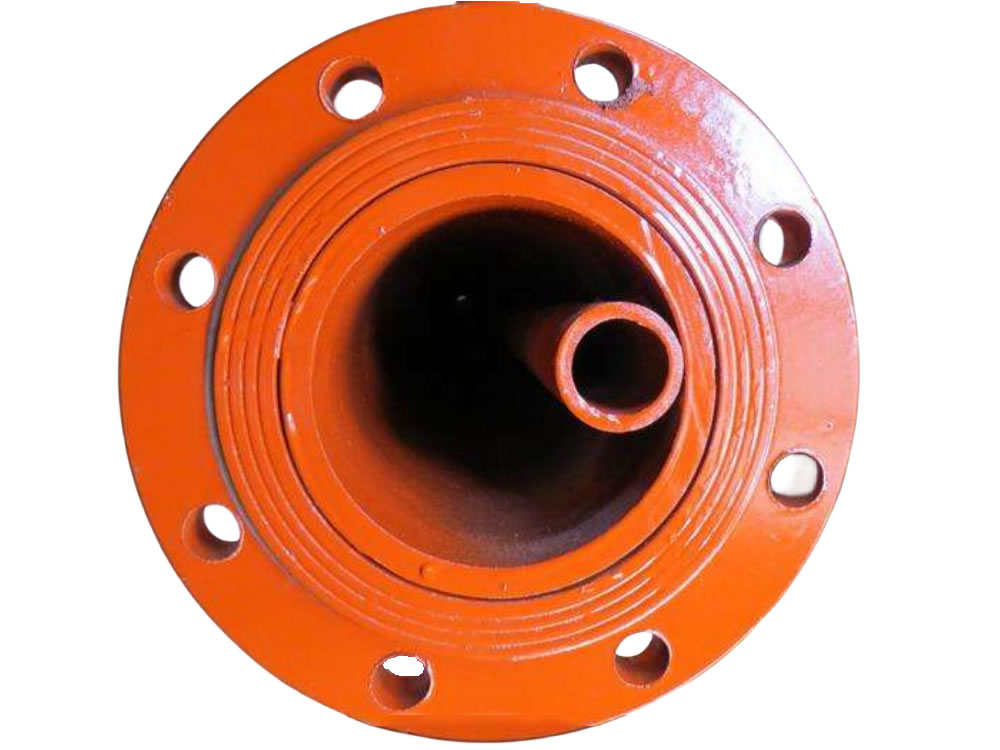
- Use ceramic-lined pipes (alumina or silicon carbide) or basalt-lined pipes (e.g., ABRESIST). These can last 10–30+ years in fly ash systems.
- Apply hard castings, wear-resistant alloys, or composite linings (mineral, metallic, or engineered plastics) on pipe bends and high-wear zones.
- Protective coatings or claddings (e.g., weld overlay) for internal surfaces.
3. Design and Flow Improvements
- Reduce turbulence:
- Use long-radius elbows instead of short-radius.
- Improve geometries at tees, reducers, and branches.
- Minimize the number of bends; use swept or blind-tee designs where appropriate.
- Control velocity: Keep flow velocities as low as possible while maintaining reliable transport (critical for pneumatic or slurry conveying). Use stepped-bore pipelines if pressure drop allows. Dense-phase conveying reduces wear when feasible.
- Redesign attemperator/desuperheater systems to prevent thermal quenching (un-evaporated spray water causing local cooling and damage).
- Add flow straighteners or diffusers upstream of critical components.
4. Mechanical and Operational Measures
- Reduce vibration and fatigue: Install vibration dampeners, supports, or energy-absorbing pads. Proper pipe supports and expansion joints prevent excessive movement that accelerates wear at contact points.
- Minimize solids impact: Use better filtration/settling for abrasive particles. Optimize coal pulverizer performance for more uniform, less abrasive particle size.
- Operational practices: Avoid rapid load changes, excessive cycling, or high-velocity transients. Monitor and control spray in attemperators.
5. Monitoring, Inspection, and Maintenance
- Use non-destructive testing (ultrasonic thickness measurement, radiography) focused on high-risk areas (downstream of valves, elbows, reducers).
- Implement predictive models/software for FAC/erosion-corrosion (many plants use tools like those from EPRI).
- Schedule regular inspections and replace or repair thinned sections proactively.
- Apply wear pads, slide plates, or low-friction supports to reduce external abrasion from movement.
Additional Tips by Plant Type
- Coal-fired plants: Focus heavily on ash handling and coal transport lines — ceramic or basalt linings pay off quickly here.
- Nuclear plants (PWR/BWR): Strict secondary-side chemistry and low-alloy or stainless upgrades are key for feedwater and steam piping.
- Combined-cycle/HRSG: Pay attention to attemperator piping to avoid quench damage.
Expected Benefits
Combining chemistry optimization + material upgrades + design tweaks can reduce wear rates dramatically (often by 50–90% in susceptible systems), extend inspection intervals, reduce forced outages, and lower long-term maintenance costs.
For best results, conduct a site-specific assessment: identify high-wear locations via inspection history and flow modeling, then prioritize based on risk and cost. Consult standards from EPRI, ASME, or your plant's OEM for detailed guidelines.
If you provide more details (e.g., plant type — coal, gas, nuclear; specific pipe service — feedwater, ash, steam; or current wear mechanisms observed), I can give more targeted recommendations.