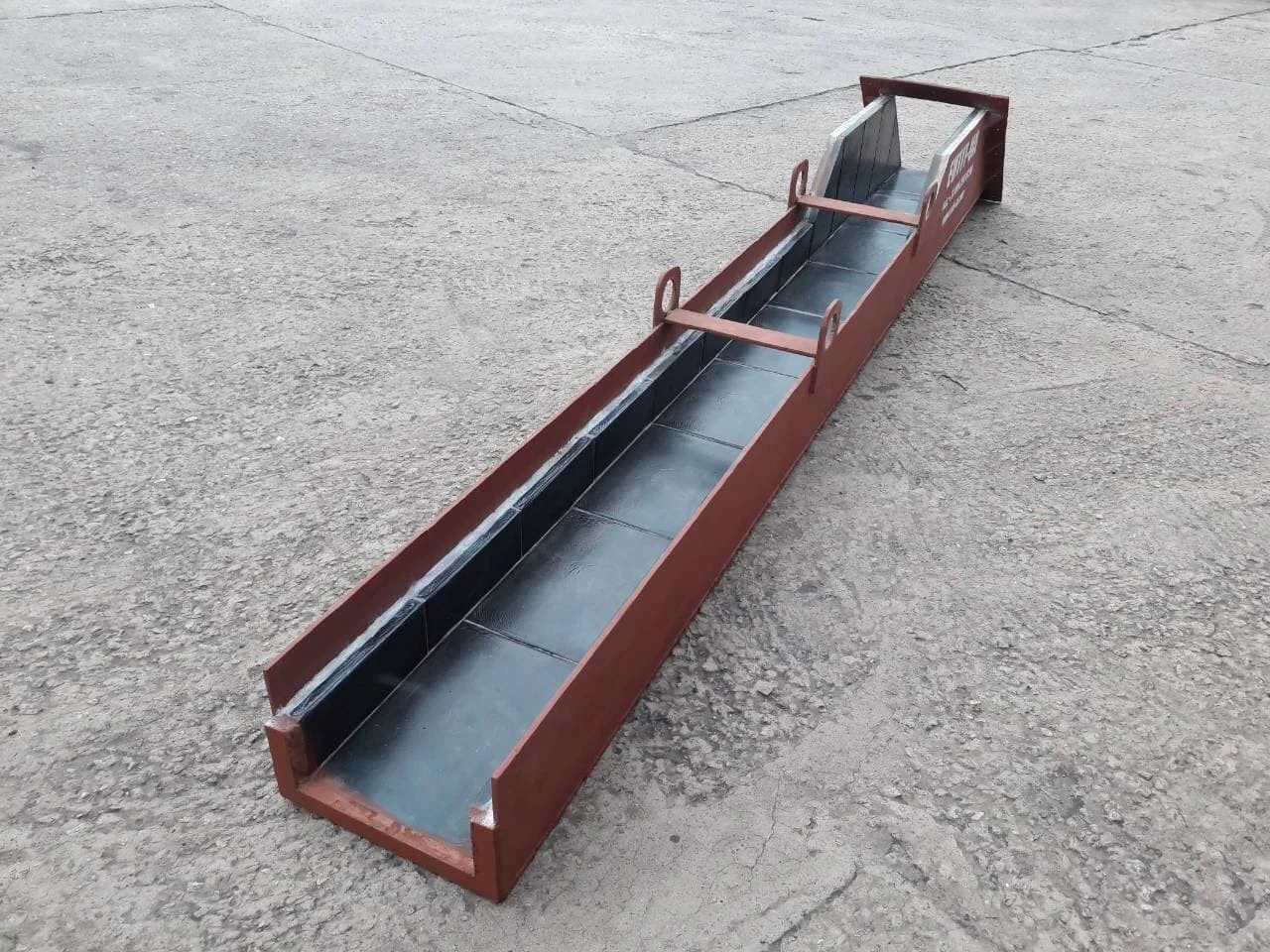
Abrasion-Resistant Tiles
Highly durable basalt cast lining with superior abrasion, corrosion, chemical, and thermal resistance for industrial pipelines and chutes.
Abrasion-Resistant Tiles
Highly durable basalt cast lining with superior abrasion, corrosion, chemical, and thermal resistance for industrial pipelines and chutes.
Custom Cast Basalt Tiles & Cylinders for Extreme Wear Protection
Premium cast basalt lining for ducts, pipes, chutes, and nozzles—molten basalt cast into custom tiles and cylinders. Exceptional abrasion, corrosion, and temperature resistance for mining, power, cement industries. Extend equipment life 5-10x vs. steel; smooth flow, low maintenance, traceable solutions for harsh environments.
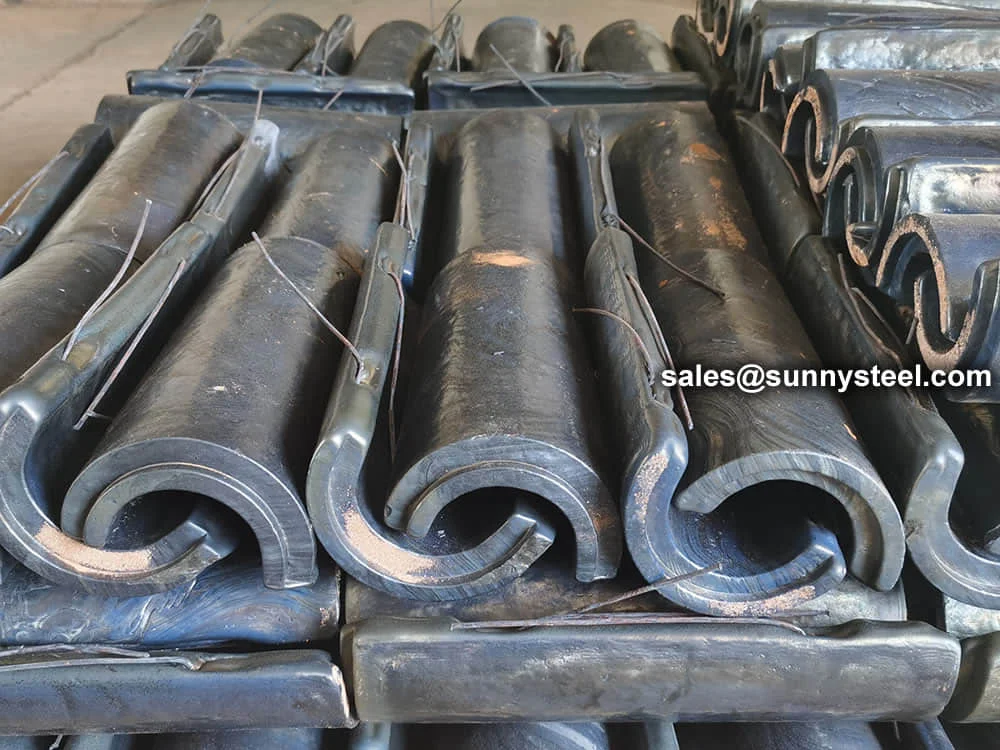
Cast basalt lining is produced by melting natural basalt rock at ~1300°C and casting it into precise shapes, creating an extremely durable, wear-resistant material. It forms custom tiles for trays/chutes and cylindrical segments for pipes/nozzles of any diameter or configuration.
The result is a chemically inert, non-magnetic volcanic rock lining with a smooth surface that prevents material buildup and ensures optimal flow—even in abrasive slurries, corrosive gases, or high-temperature environments.
Ash handling pipes, coal dust ducts, FGD systems.
Slurry pipelines, hydrocyclones, chute linings.
Raw mill ducts, separator cyclones, pneumatic transport lines.
Blast furnace dust lines, sinter handling systems.
Acid-resistant pipe linings, corrosive gas ducts.
Any abrasive or corrosive material transport system.
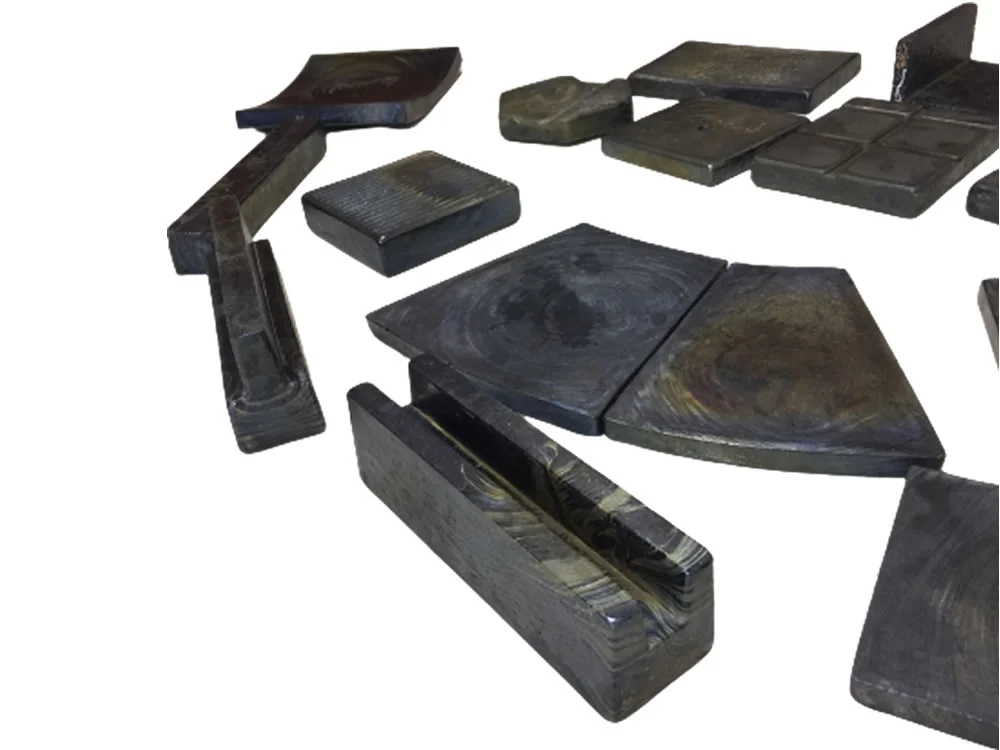
Custom-sized and shaped tiles for flat or curved surfaces: chutes, hoppers, trays.
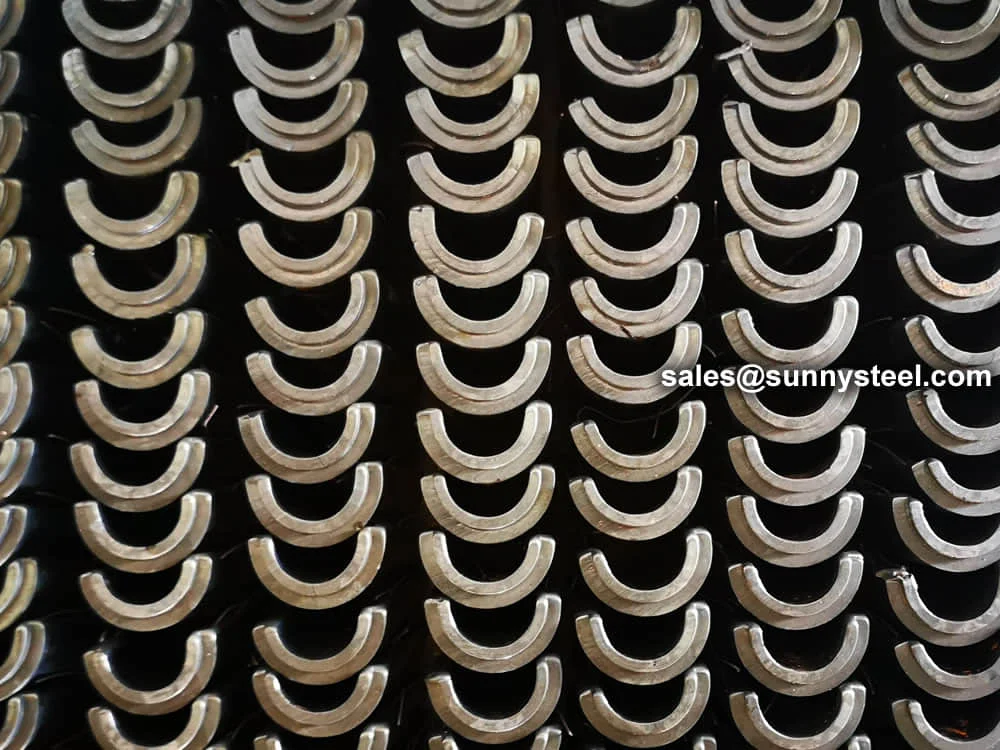
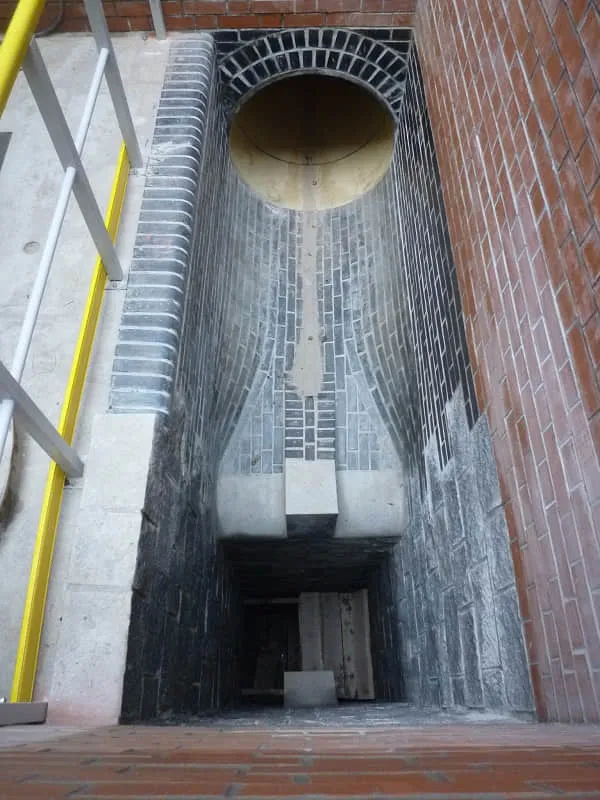
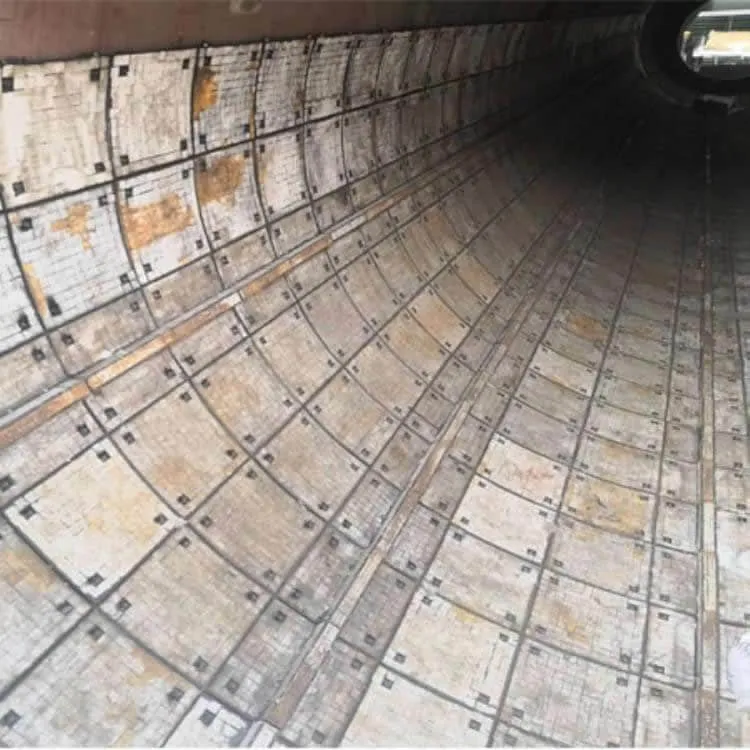
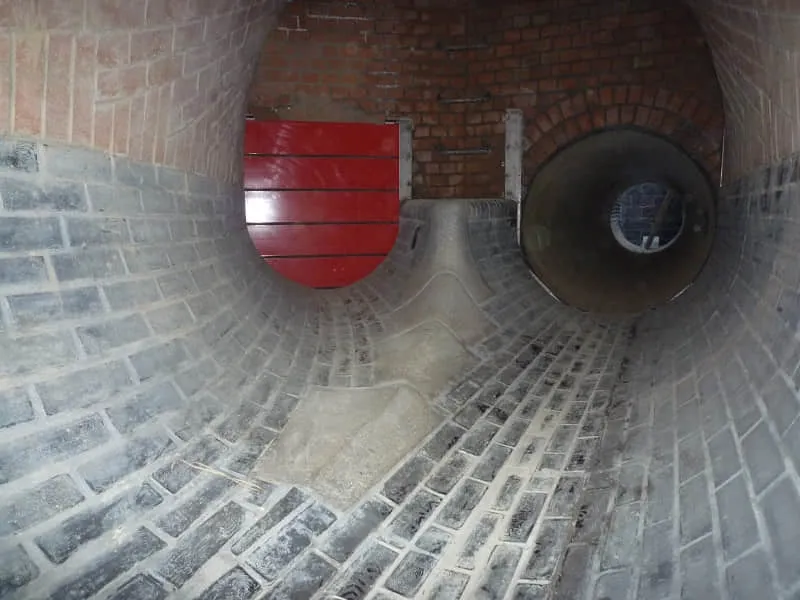
Full cylinders or half-shells for any pipe diameter; straight sections, bends, reducers.
Installation tailored to your equipment—bonded with specialized adhesives or embedded in concrete/refractory. Expert design support ensures perfect fit and maximum protection.
| Property | Value |
|---|---|
| Density | ~2.9–3.0 g/cm³ |
| Mohs Hardness | 8+ |
| Compressive Strength | >450 MPa |
| Abrasion Resistance | 5–10× better than steel |
| Temperature Resistance | Up to 350–450°C continuous |
| Thermal Shock Resistance | Excellent |
| Chemical Resistance | Inert to most acids/alkalis |
Values are typical; exact specifications available upon request.
Cast basalt tiles are produced by remelting natural volcanic rock at extremely high temperatures and recrystallising it under controlled conditions — creating one of the hardest and most abrasion-resistant industrial lining materials available.
High-quality natural volcanic basalt rock is carefully selected and crushed into fragments typically 20–50 mm in size. Premium cast basalt uses 100% pure basalt with no additives.
The crushed basalt is fed into a shaft furnace (gas or electric) and melted at 1,250–1,500°C (usually ~1,300°C) until it becomes a fully liquid, lava-like melt.
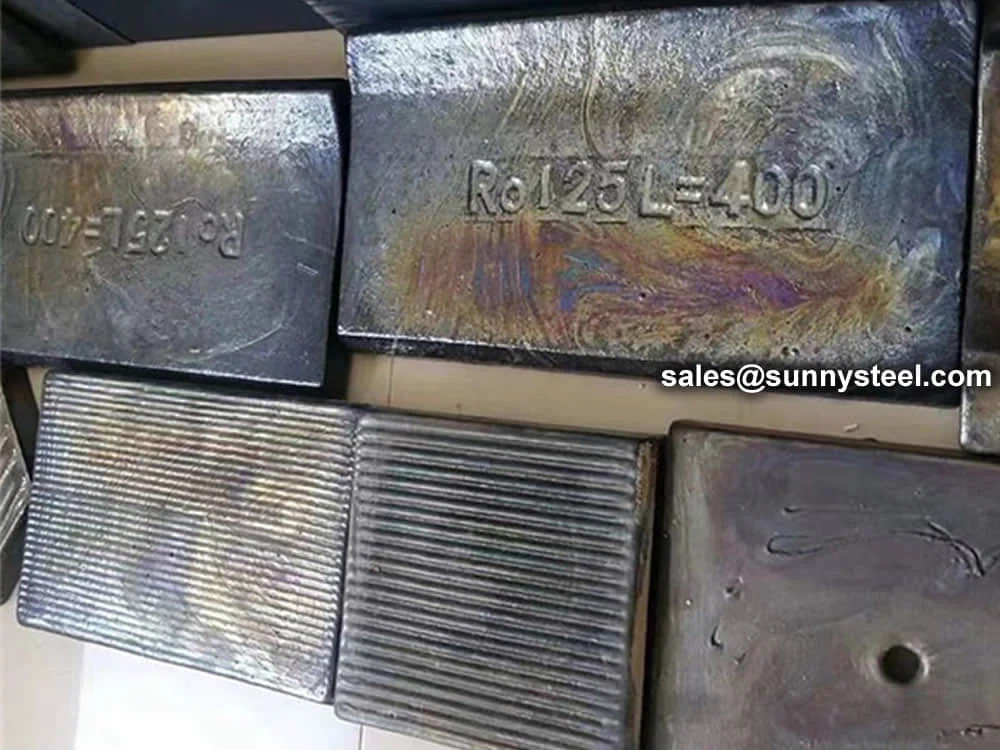
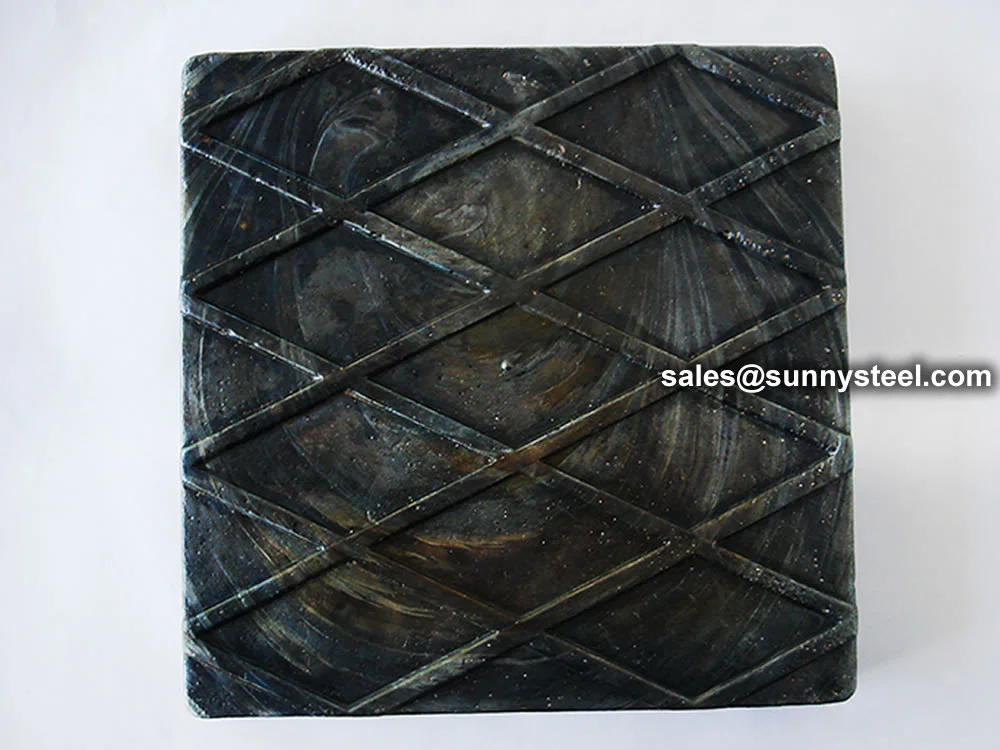
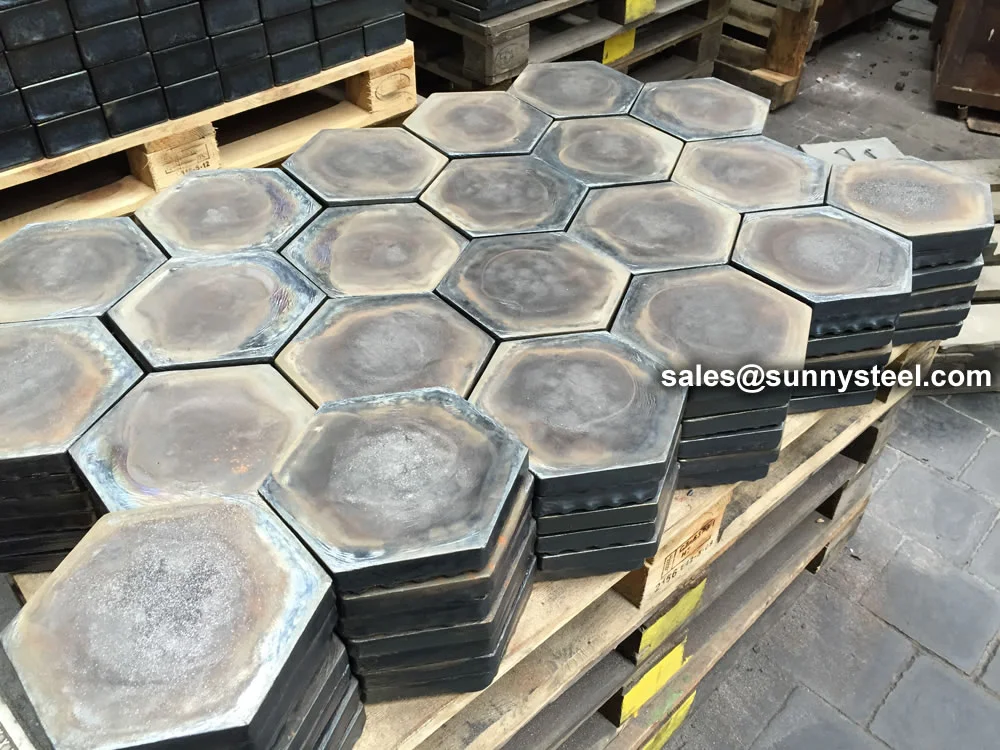
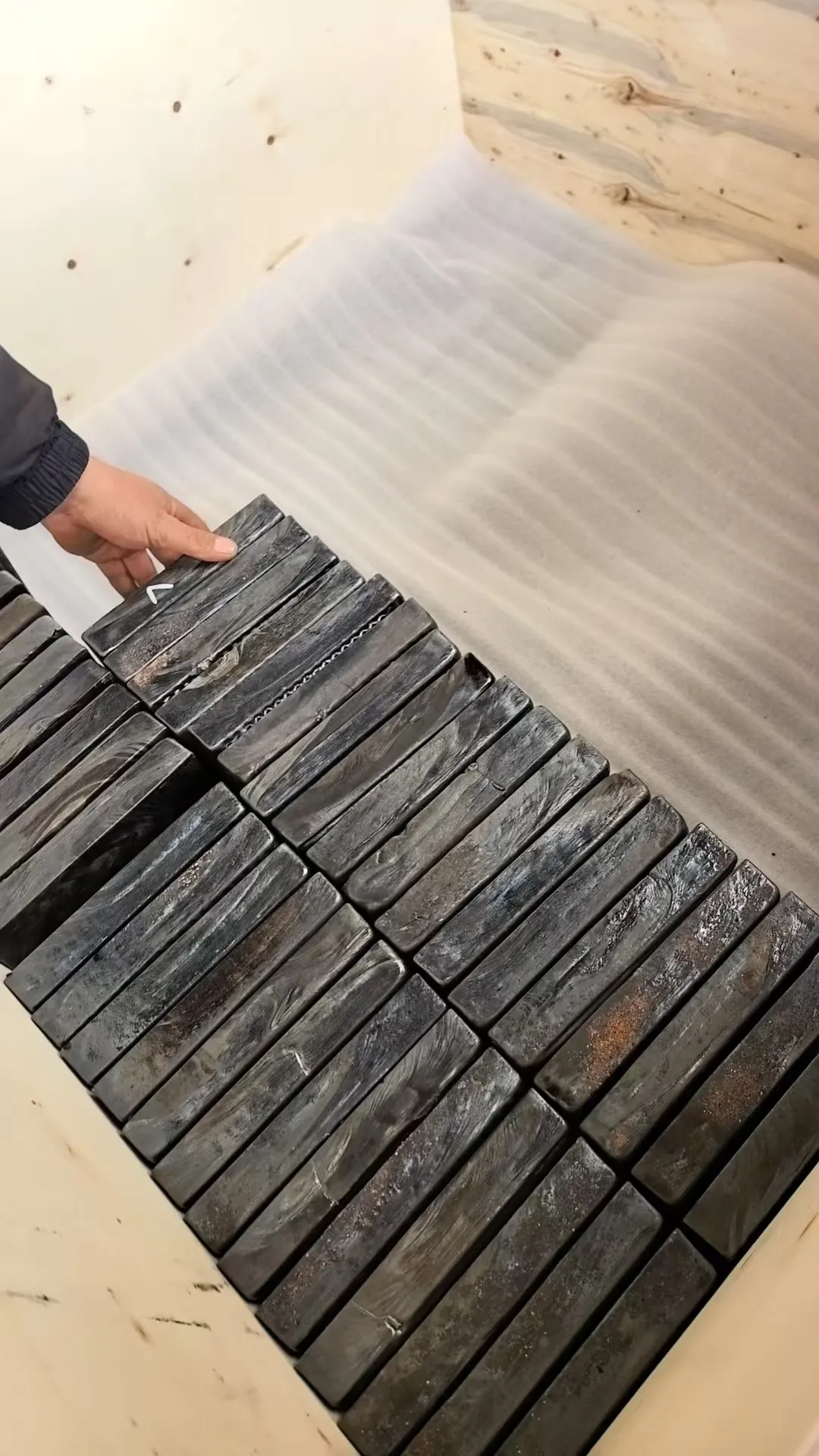
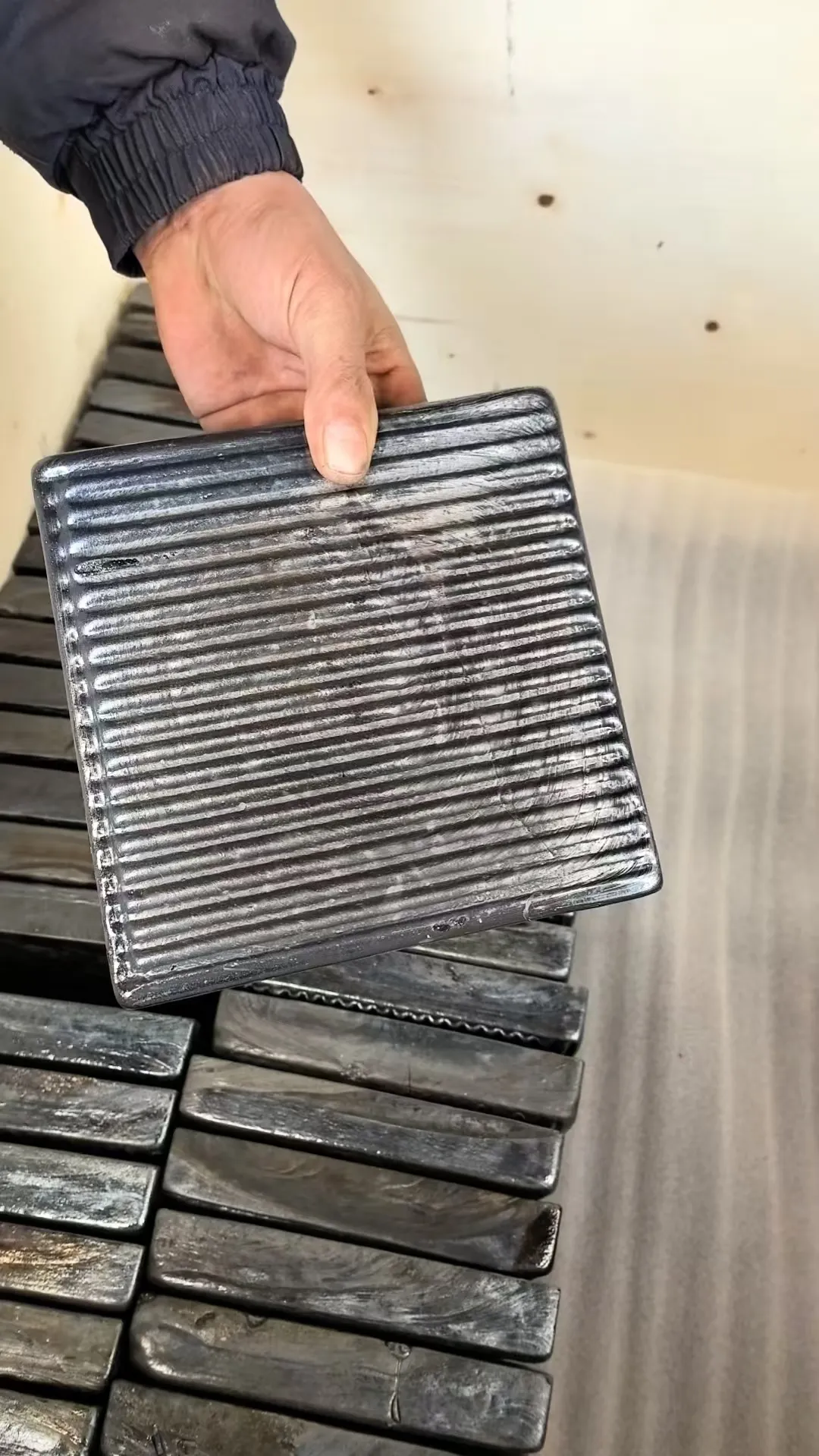
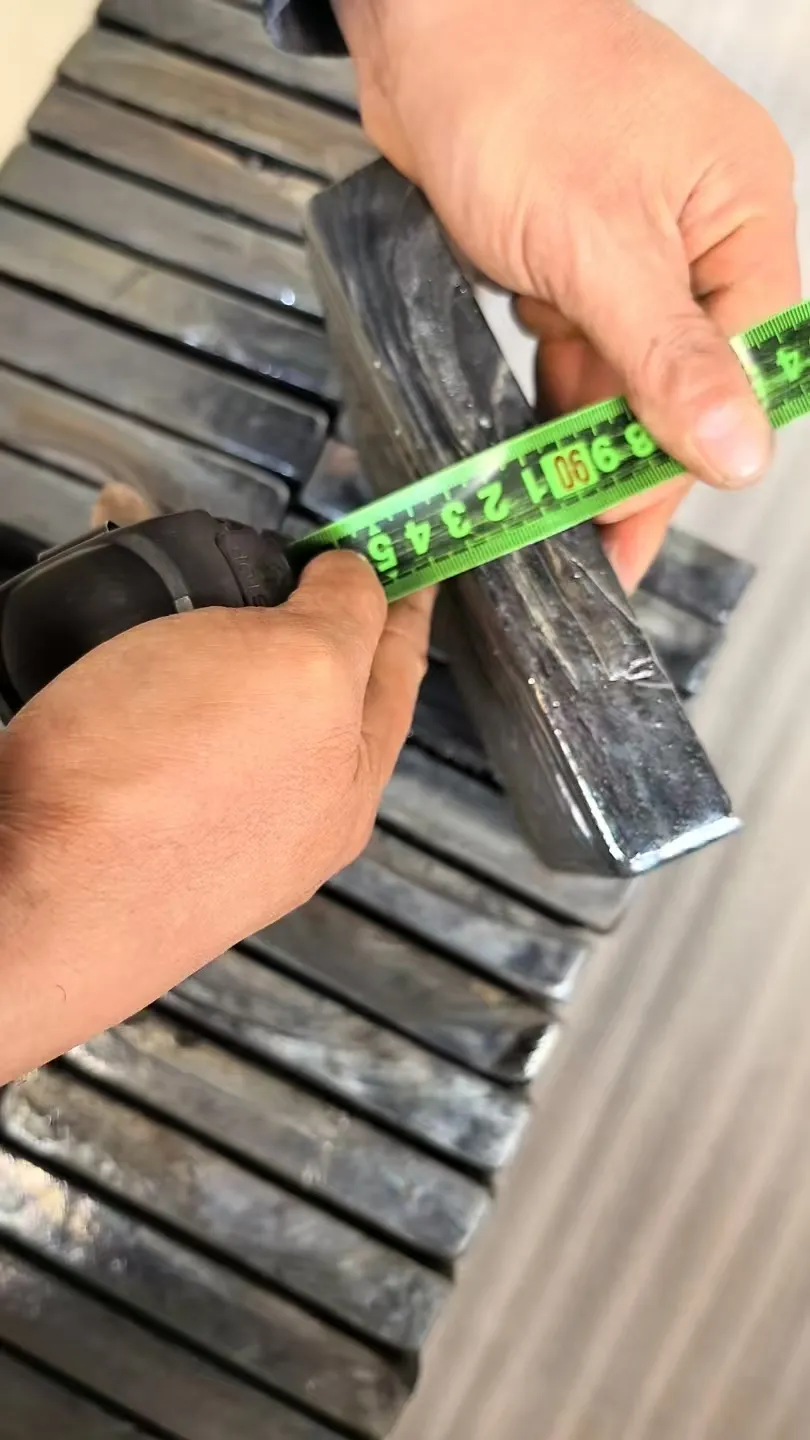
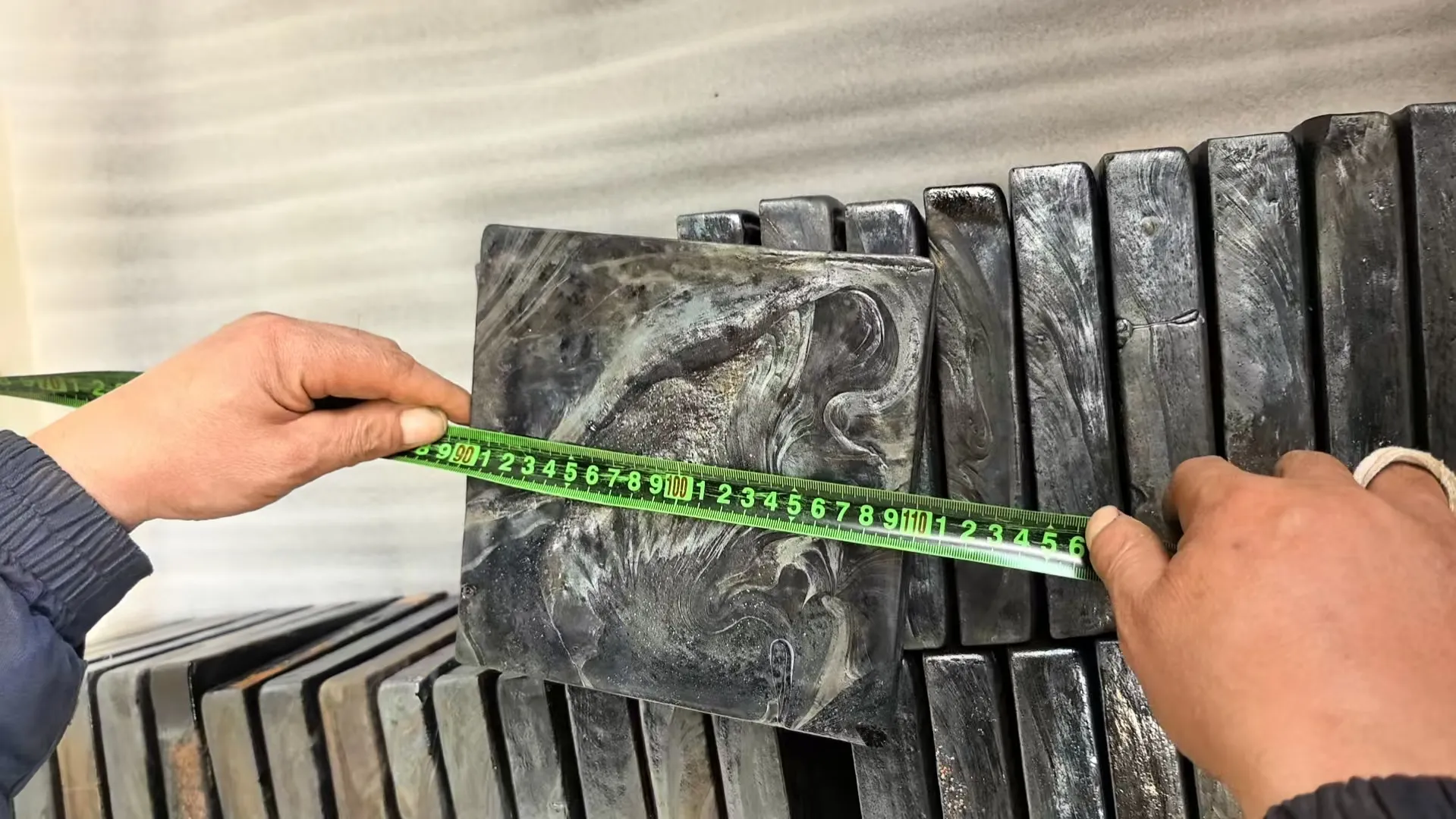
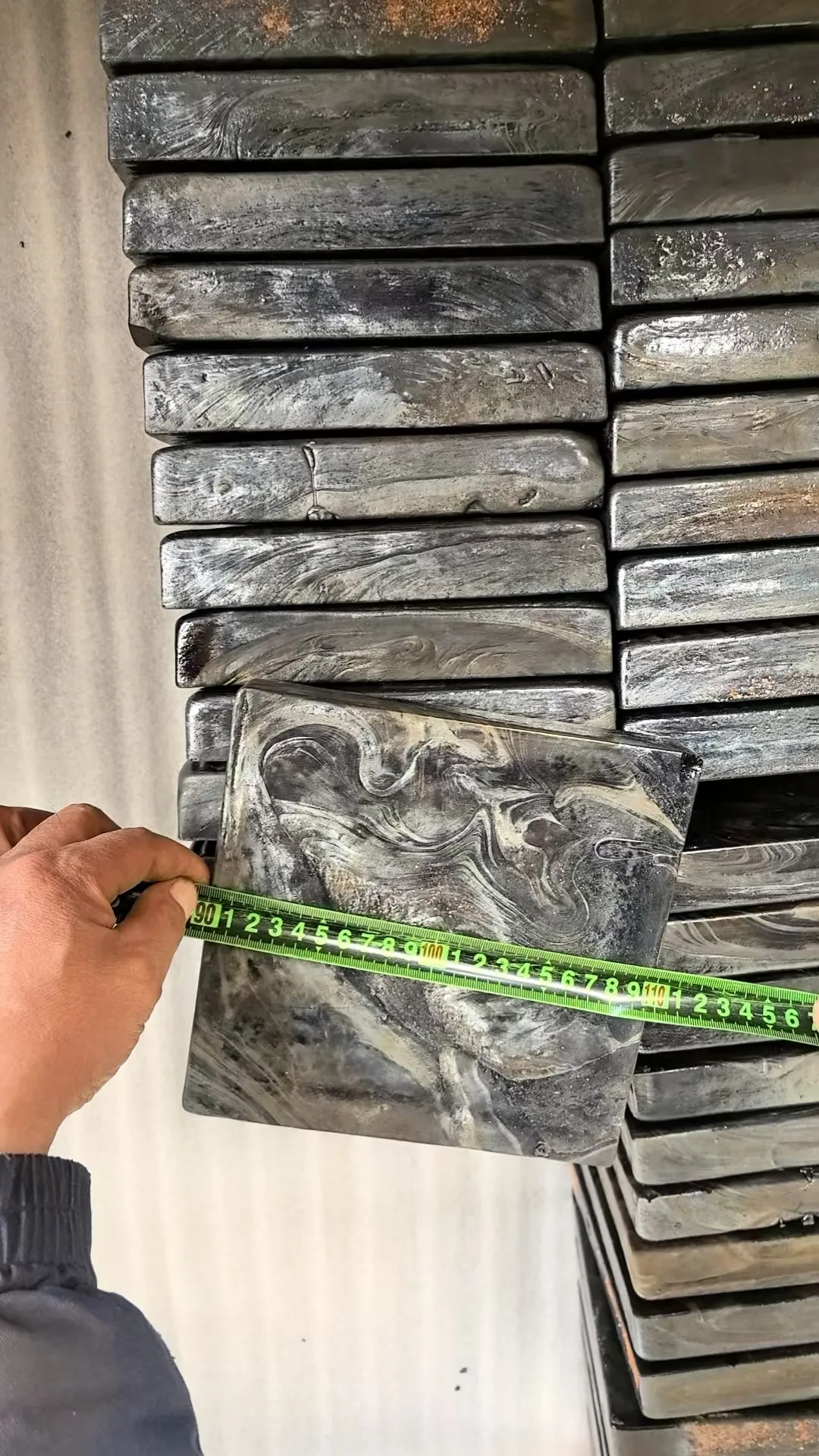
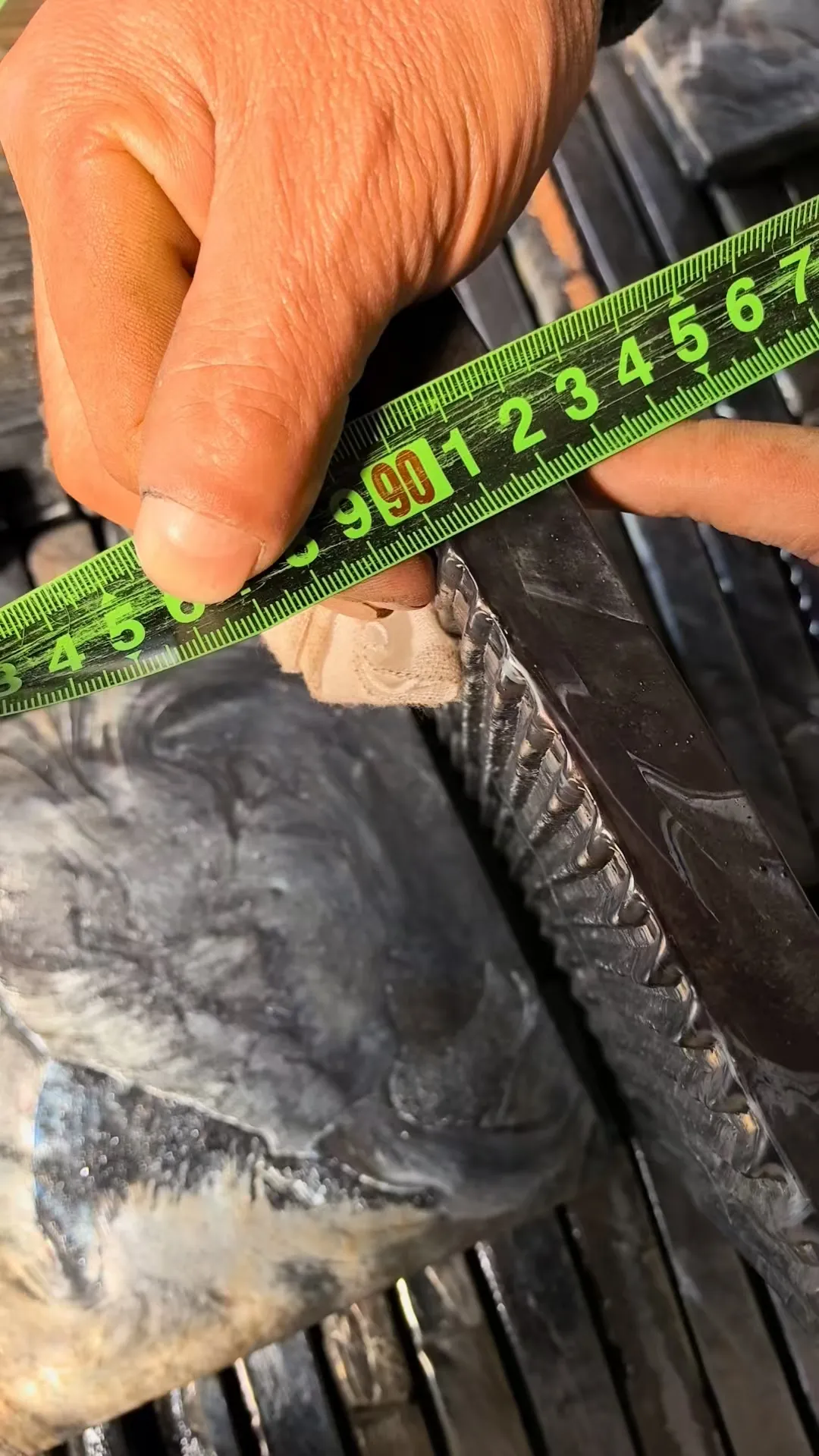
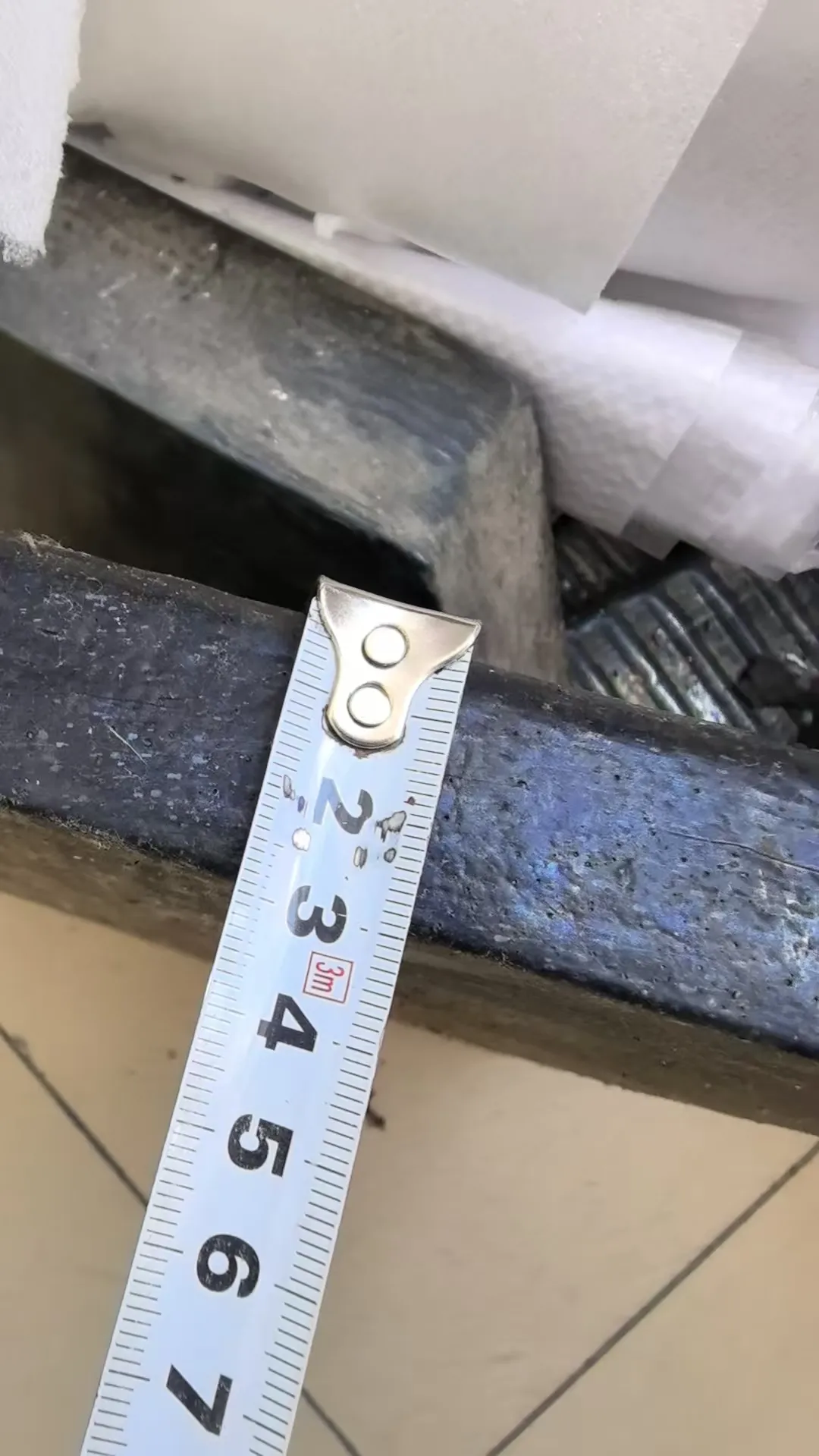
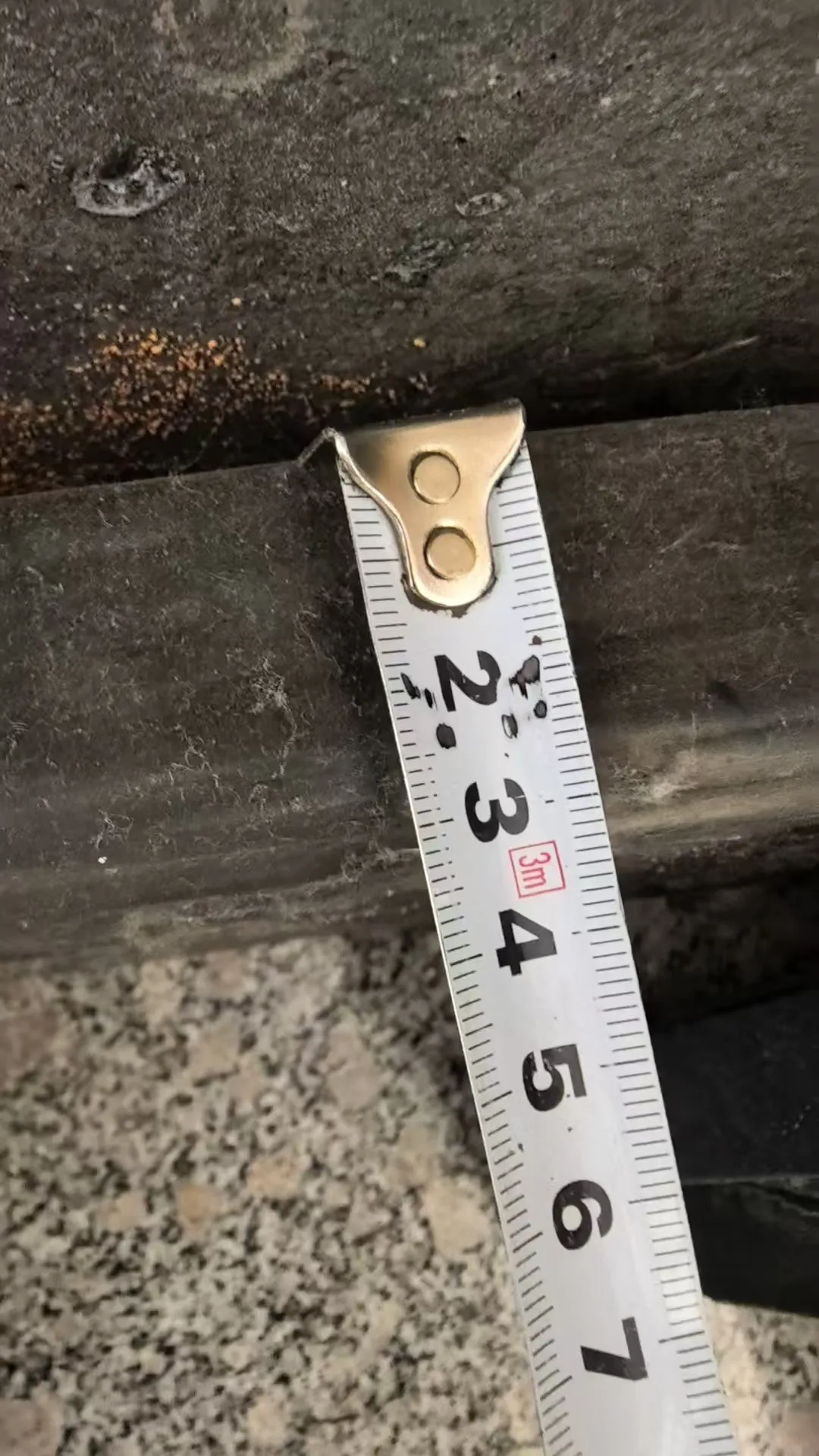
The molten basalt is poured into preheated metal or sand molds to form tiles (square, hexagonal, rectangular), cylinders, or custom shapes. Thickness is typically 20–50 mm. The back side is often textured for better bonding.
After initial cooling, the still-hot castings are carefully removed from the molds while maintaining thermal control to prevent cracking.
Castings undergo a precisely controlled slow cooling process (16–48 hours) in an annealing furnace. This allows uniform devitrification and formation of fine spherulitic crystals, resulting in Mohs hardness ~8 and abrasion resistance 10–30× greater than steel.
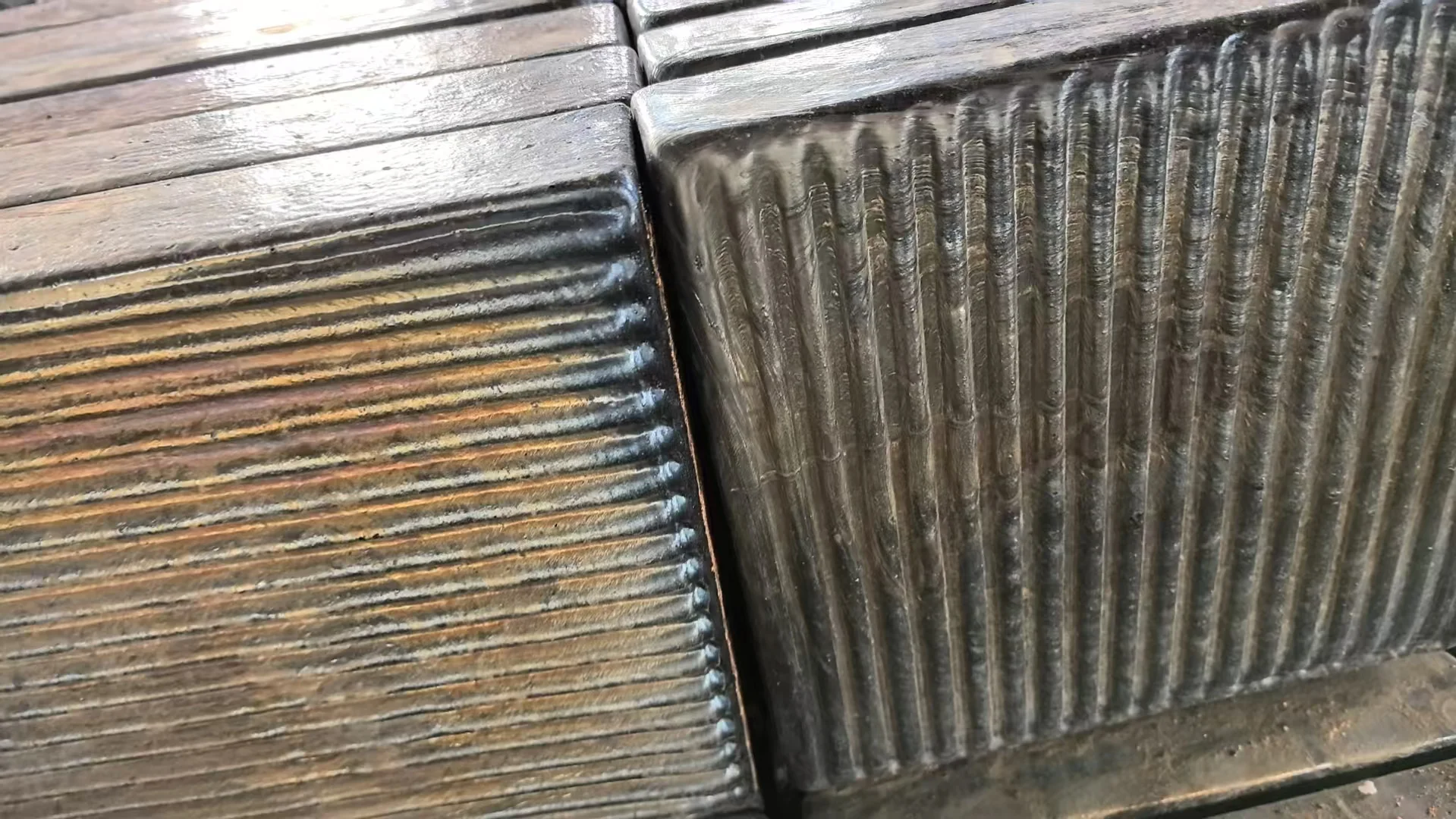
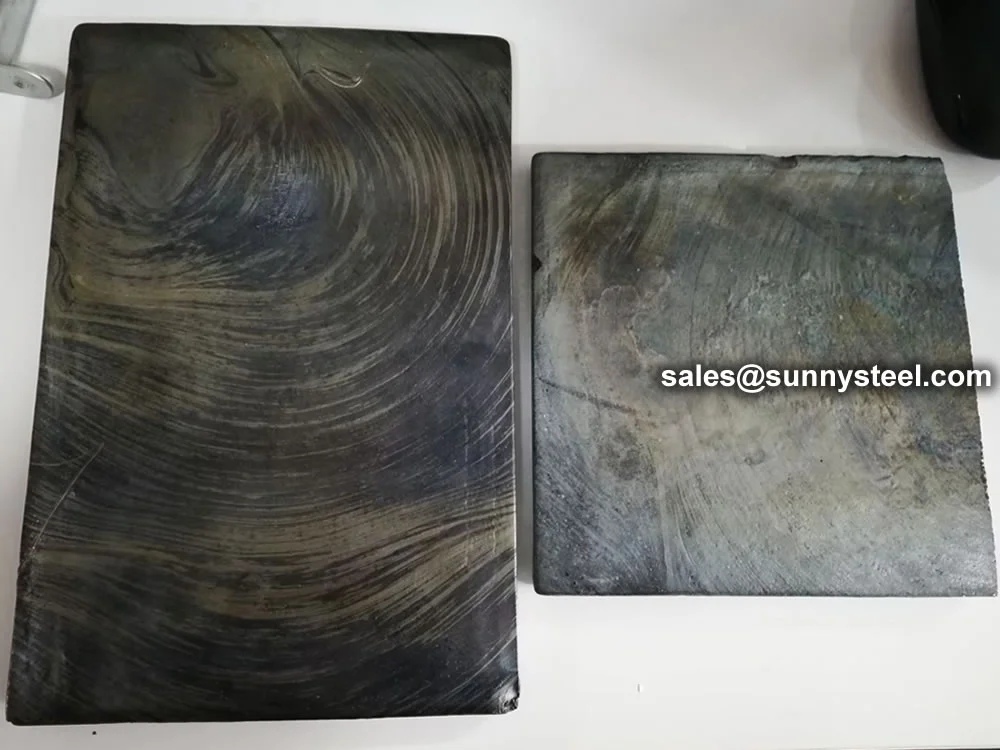
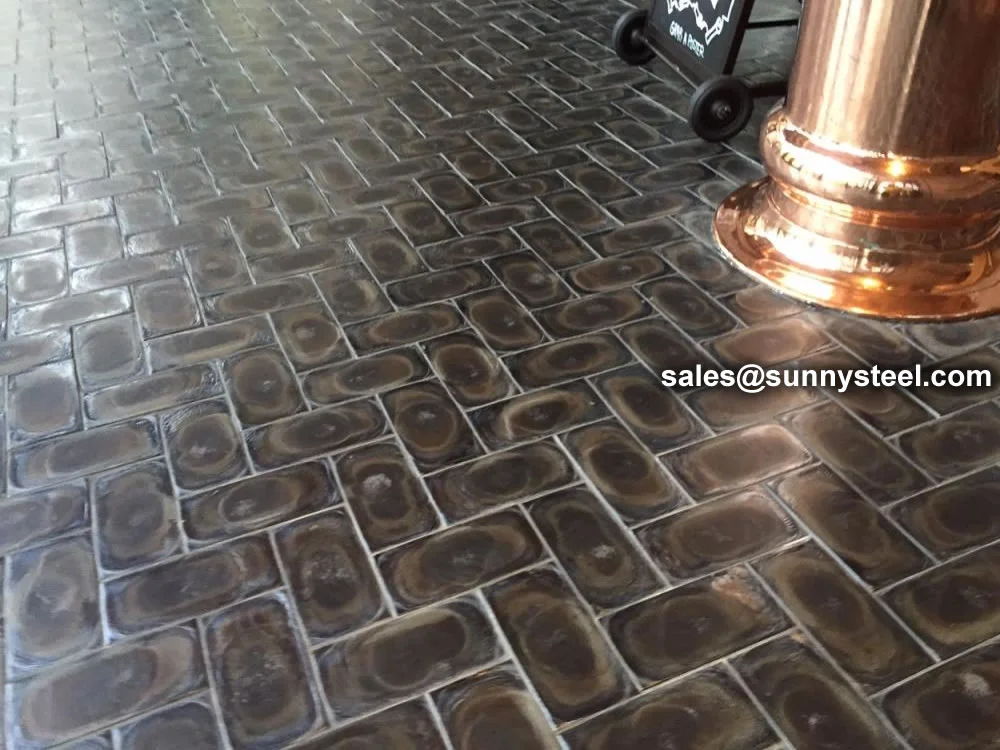
Tiles can be cut, ground, drilled, or polished as required. During cooling, the surface naturally develops a unique glass-like, iridescent patina that is characteristic of cast basalt.
The result is an extremely dense, non-porous material with near-zero water absorption, exceptional chemical resistance, and service life many times longer than steel, rubber, or conventional ceramics in abrasive environments.
Inspection cast basalt tiles offer excellent abrasion, chemical, and impact resistance, ensuring long service life for floors, chutes, and lining surfaces.
Inspection cast basalt tiles are high-performance ceramic tiles made from natural volcanic rock that has been melted and cast into precise shapes. After controlled cooling, the material forms a crystalline structure with exceptional hardness (Mohs 8), high compressive strength, and outstanding chemical stability.
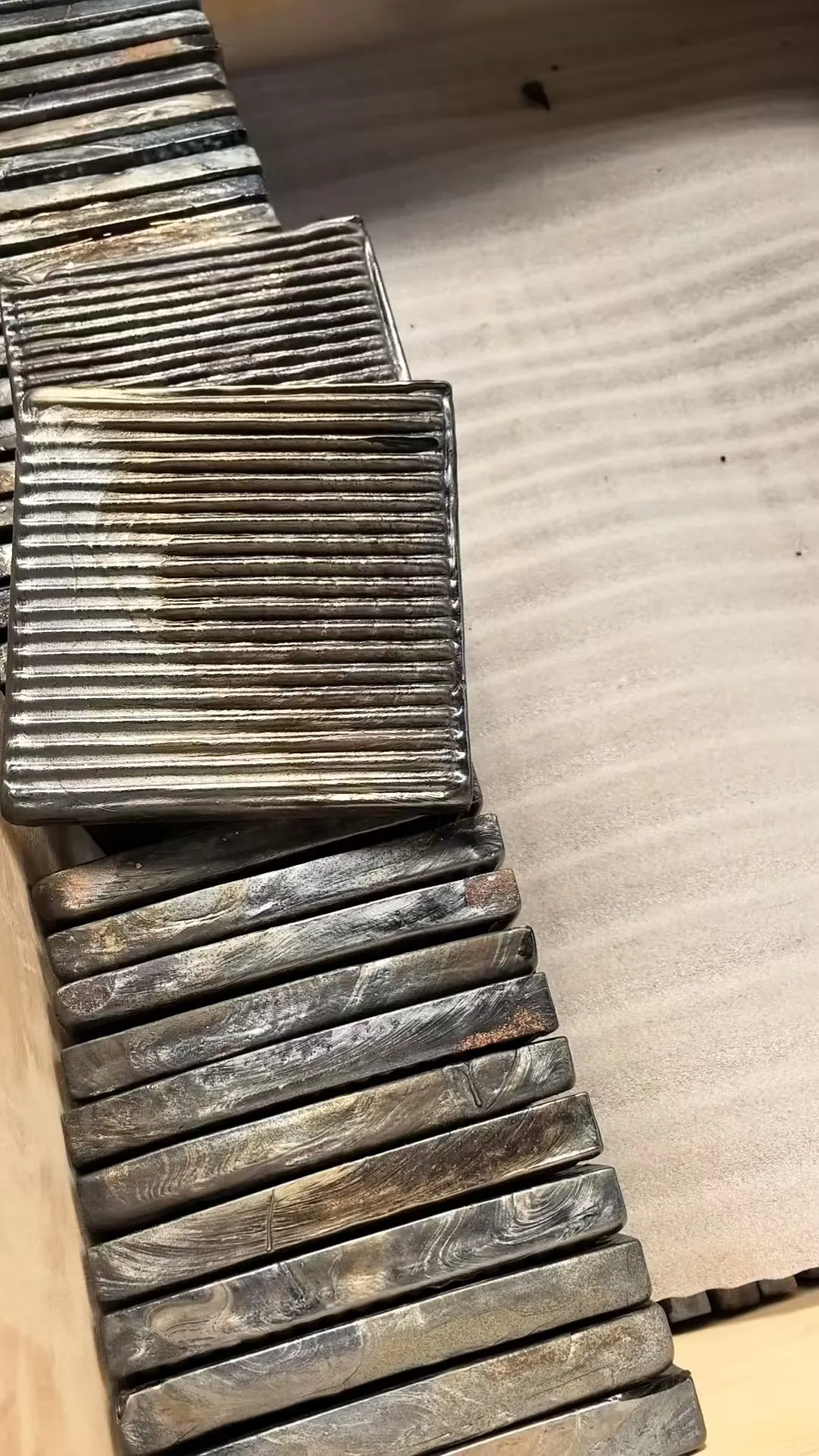
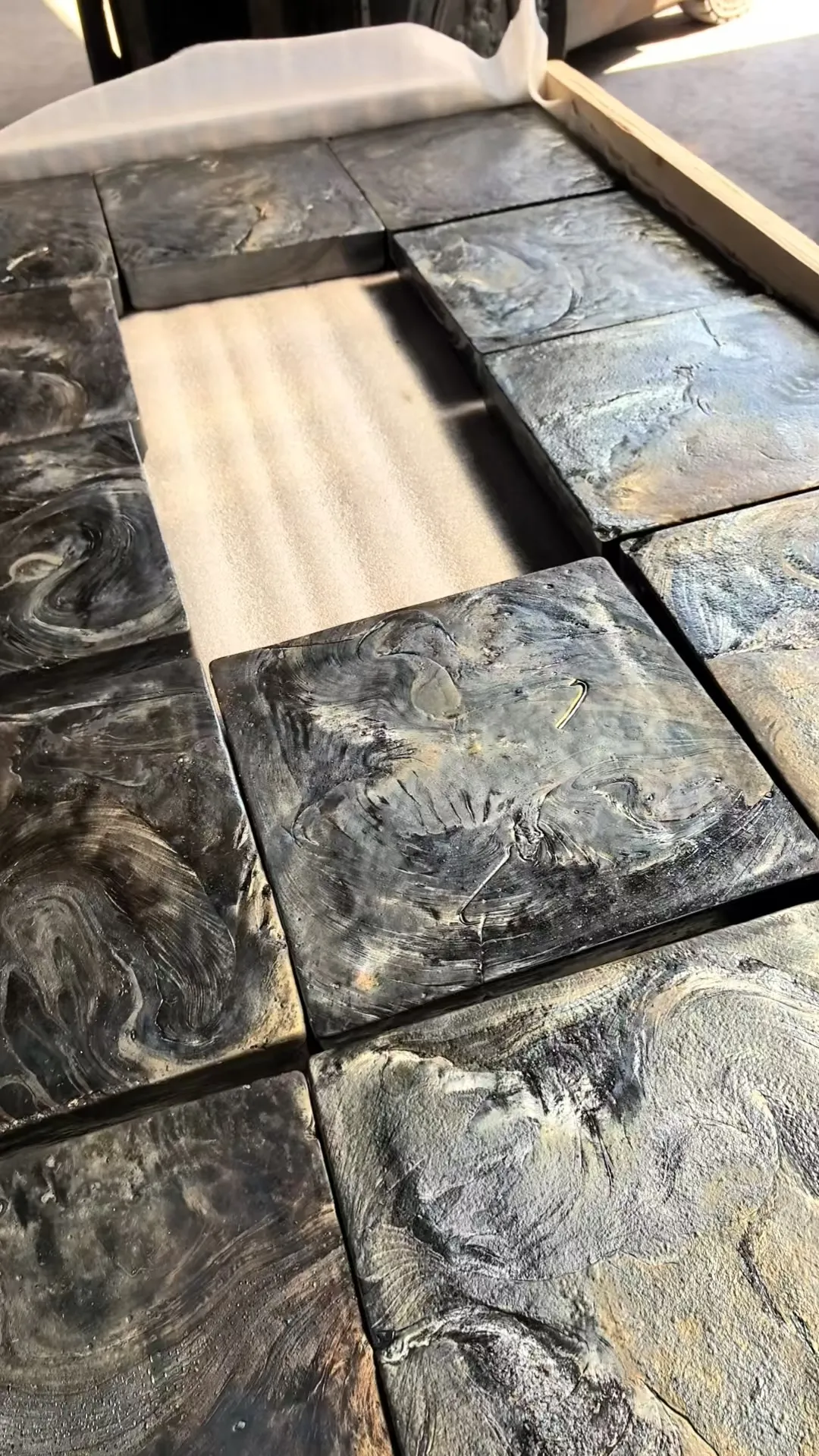
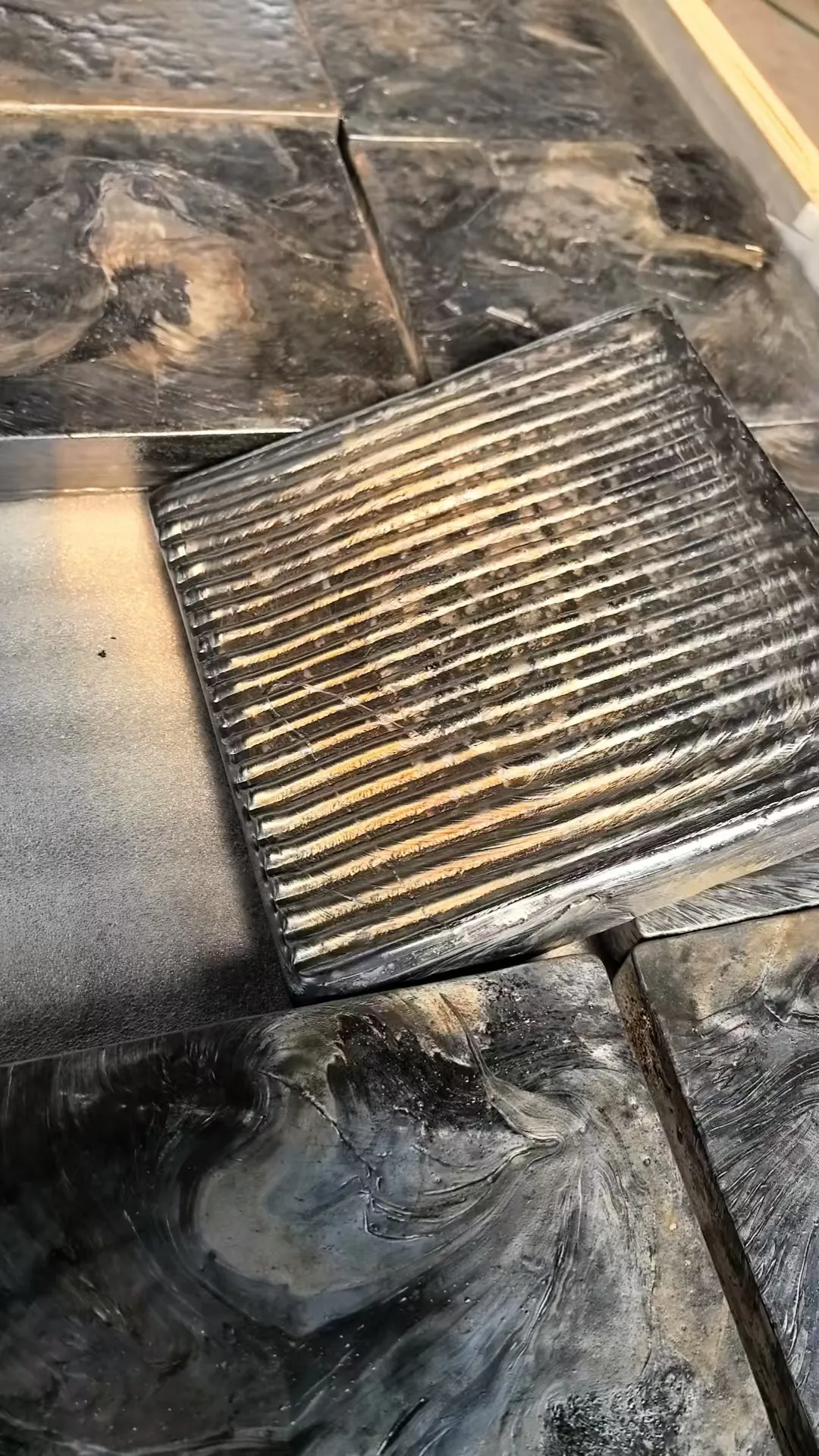
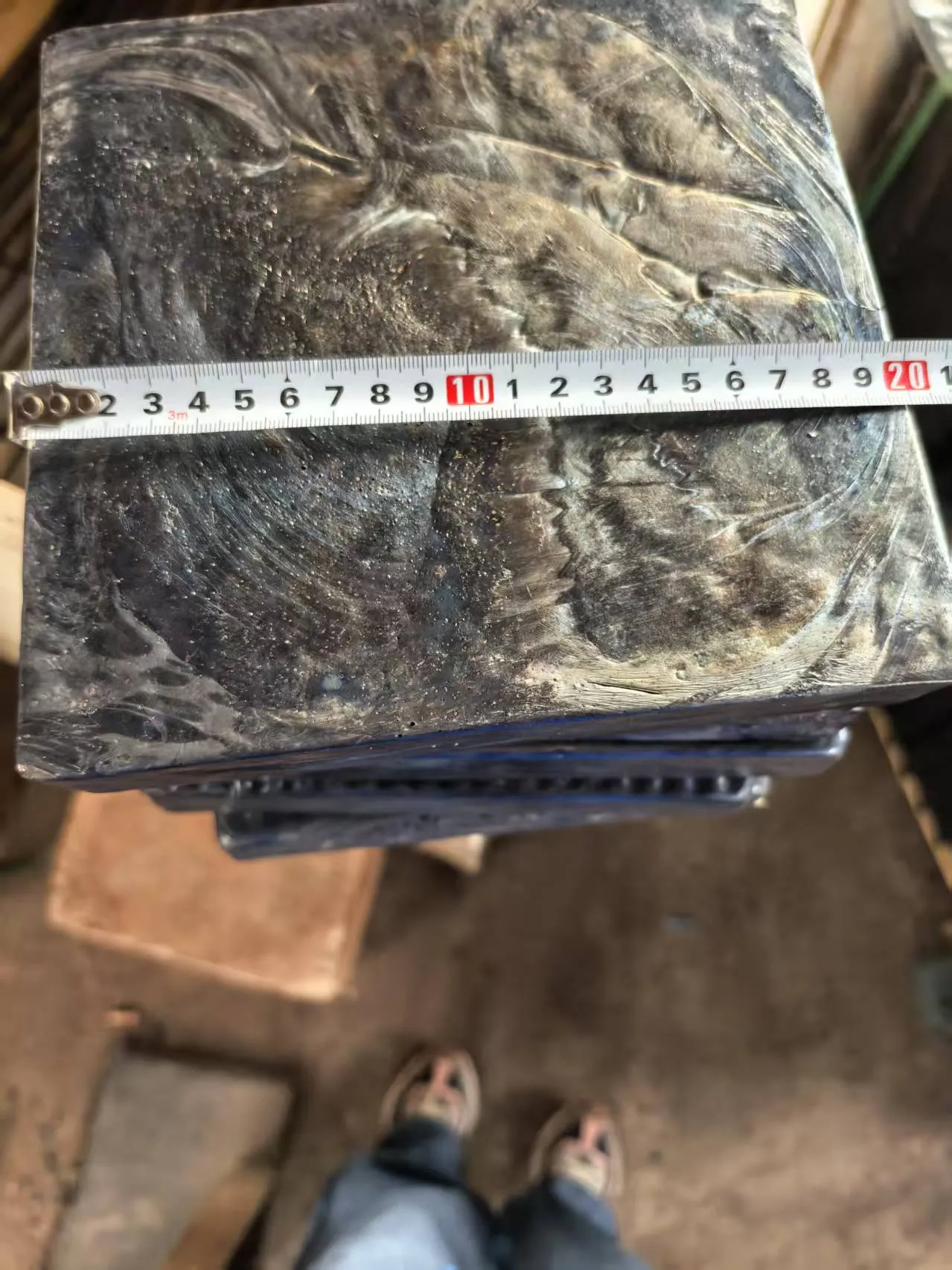
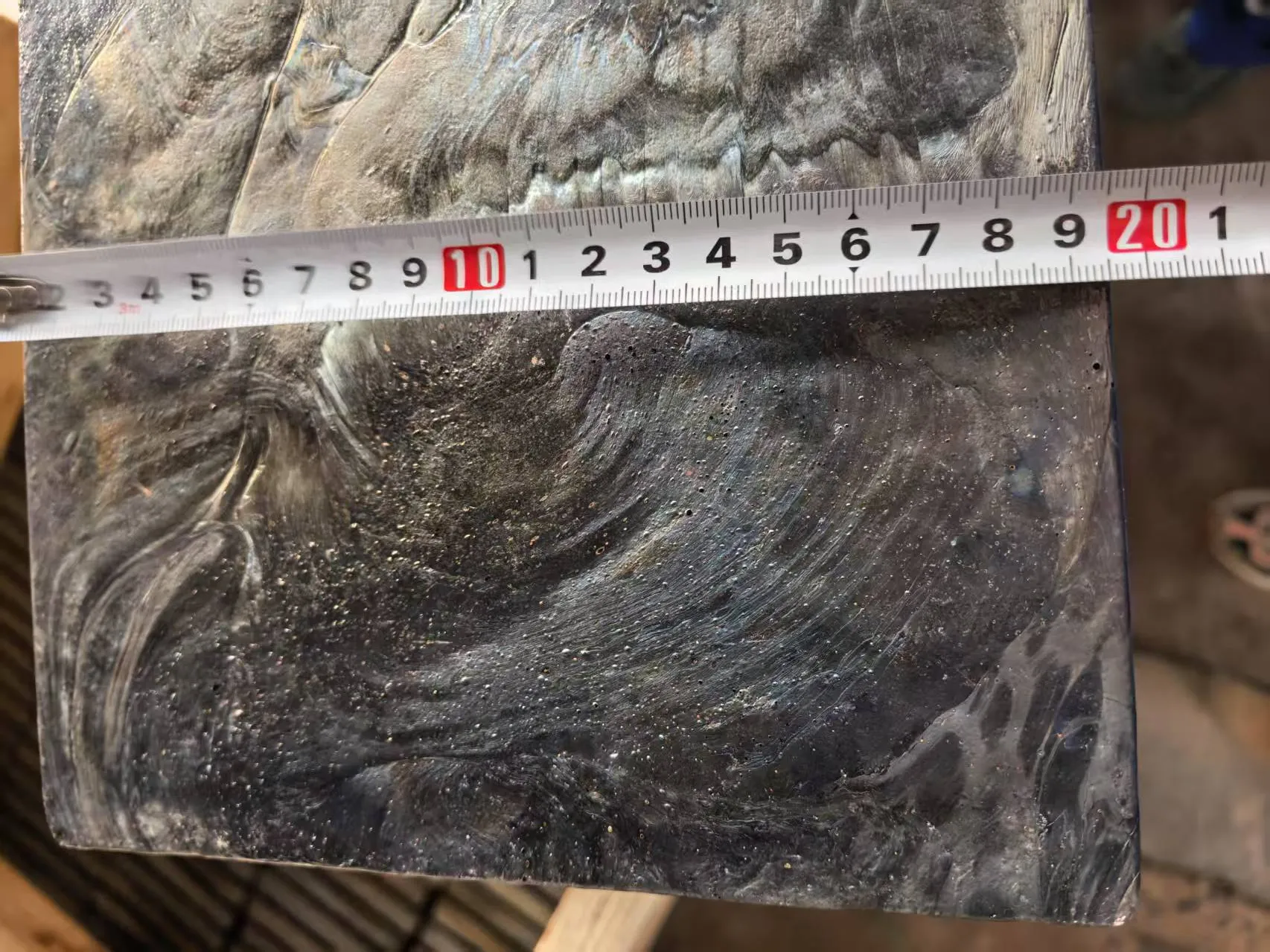
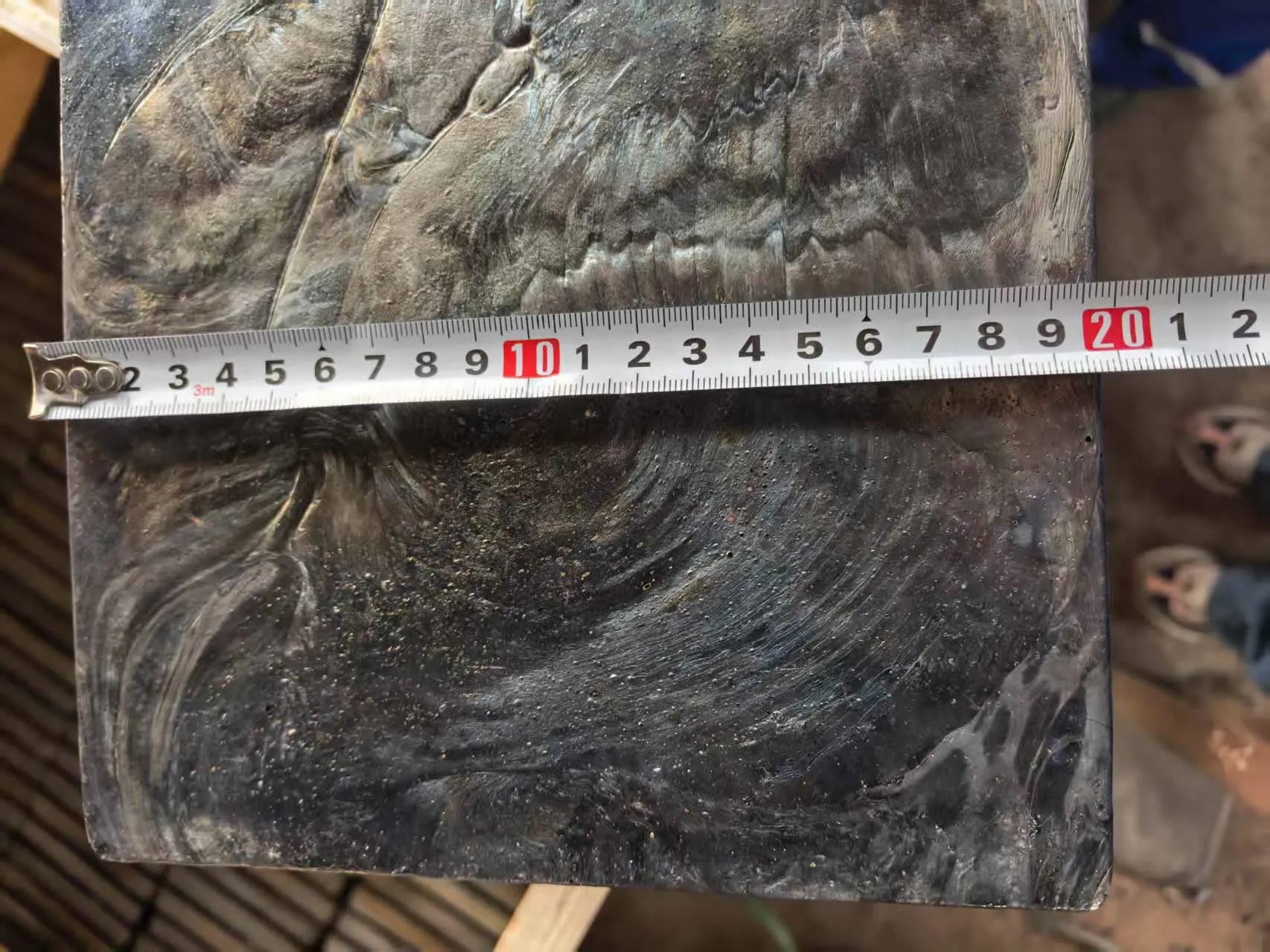
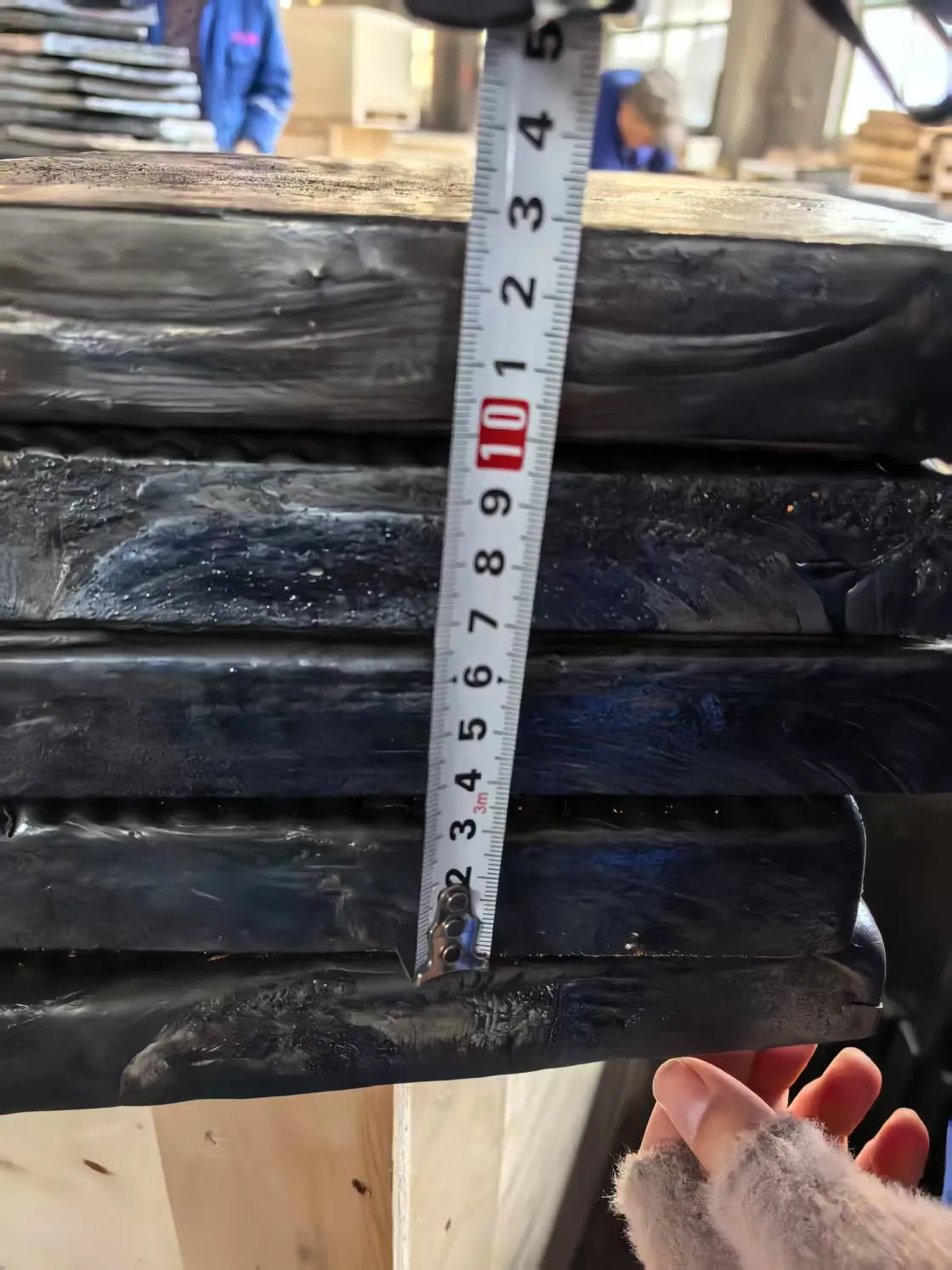
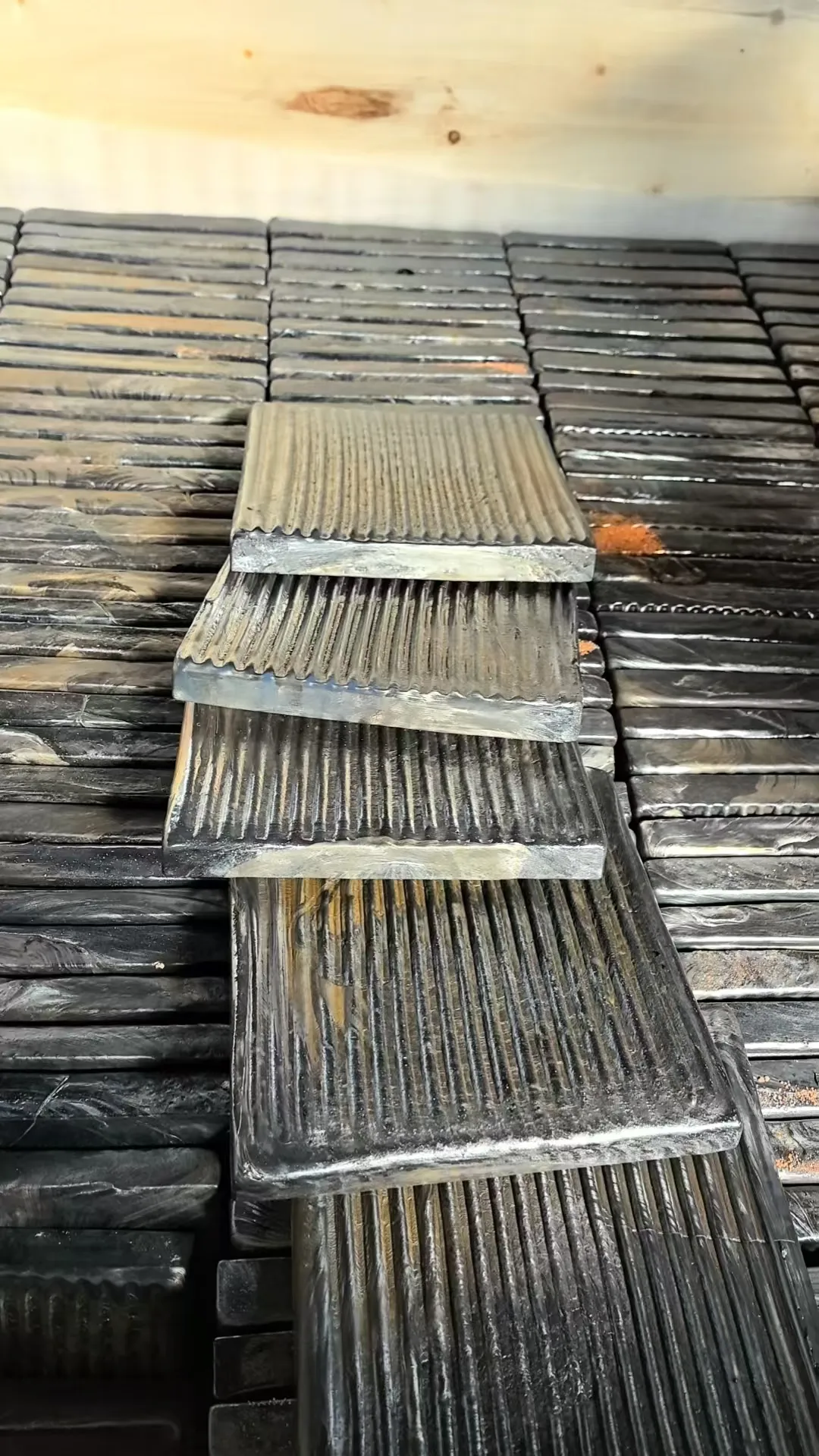
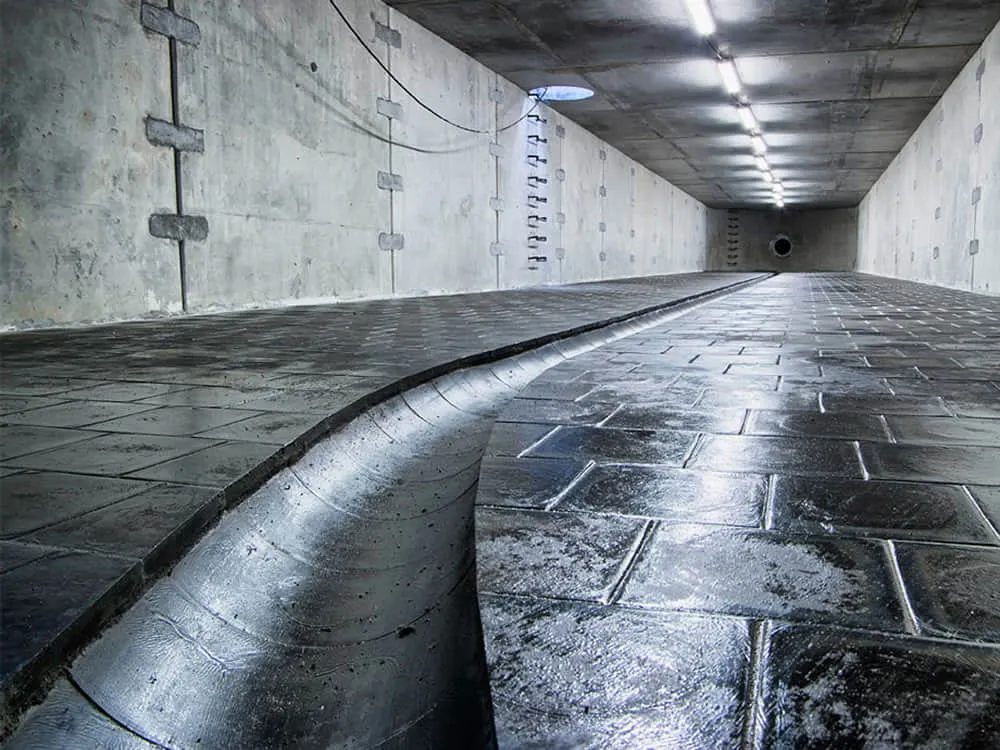
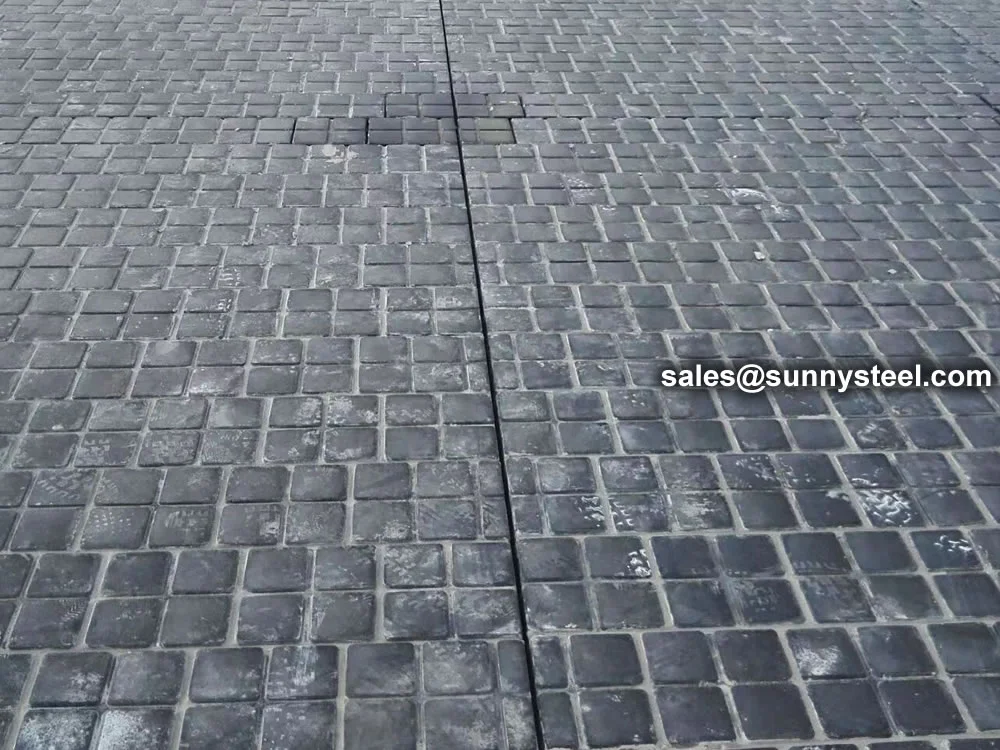
Used for Automotive Brake Testing Grounds
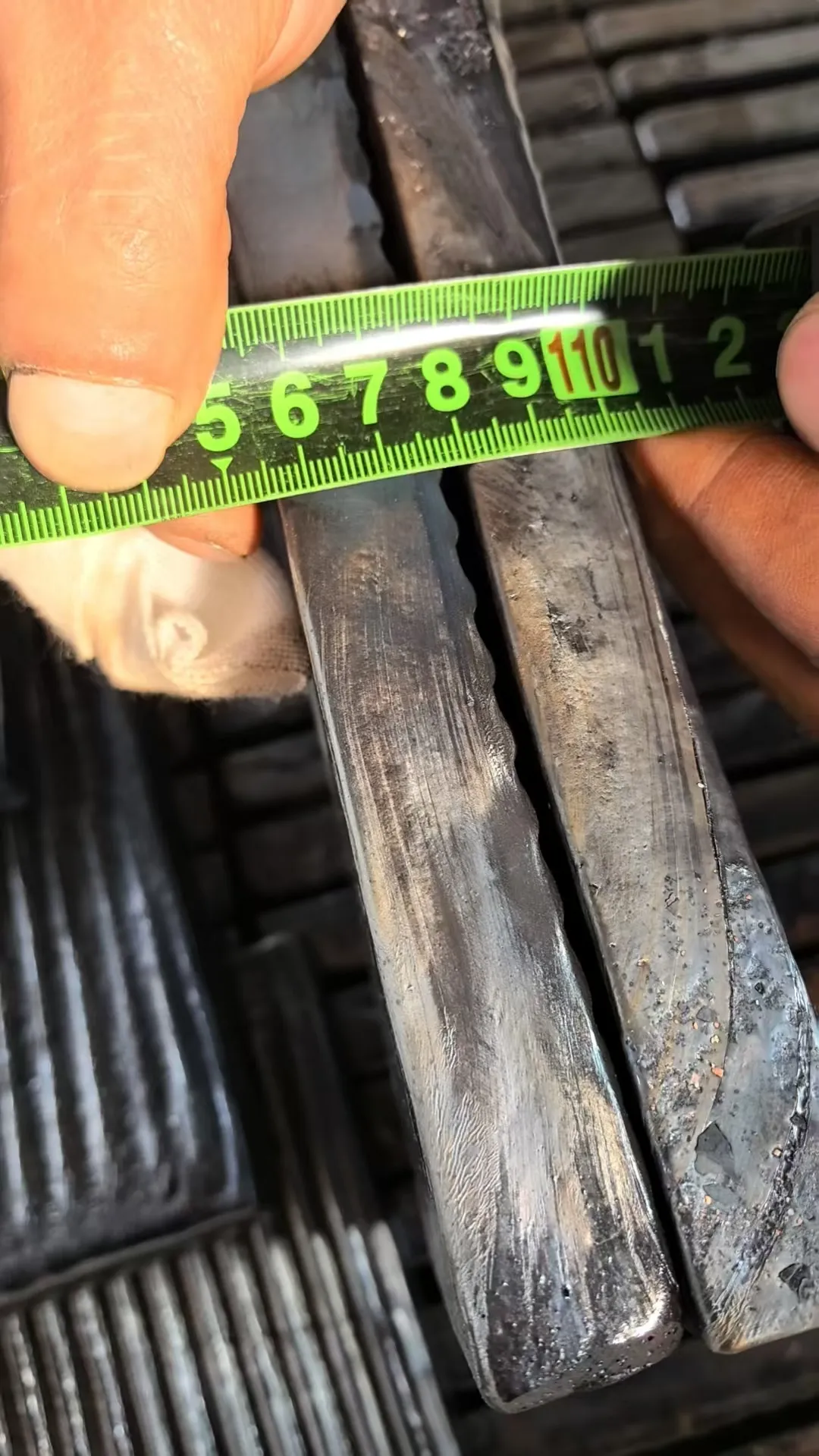
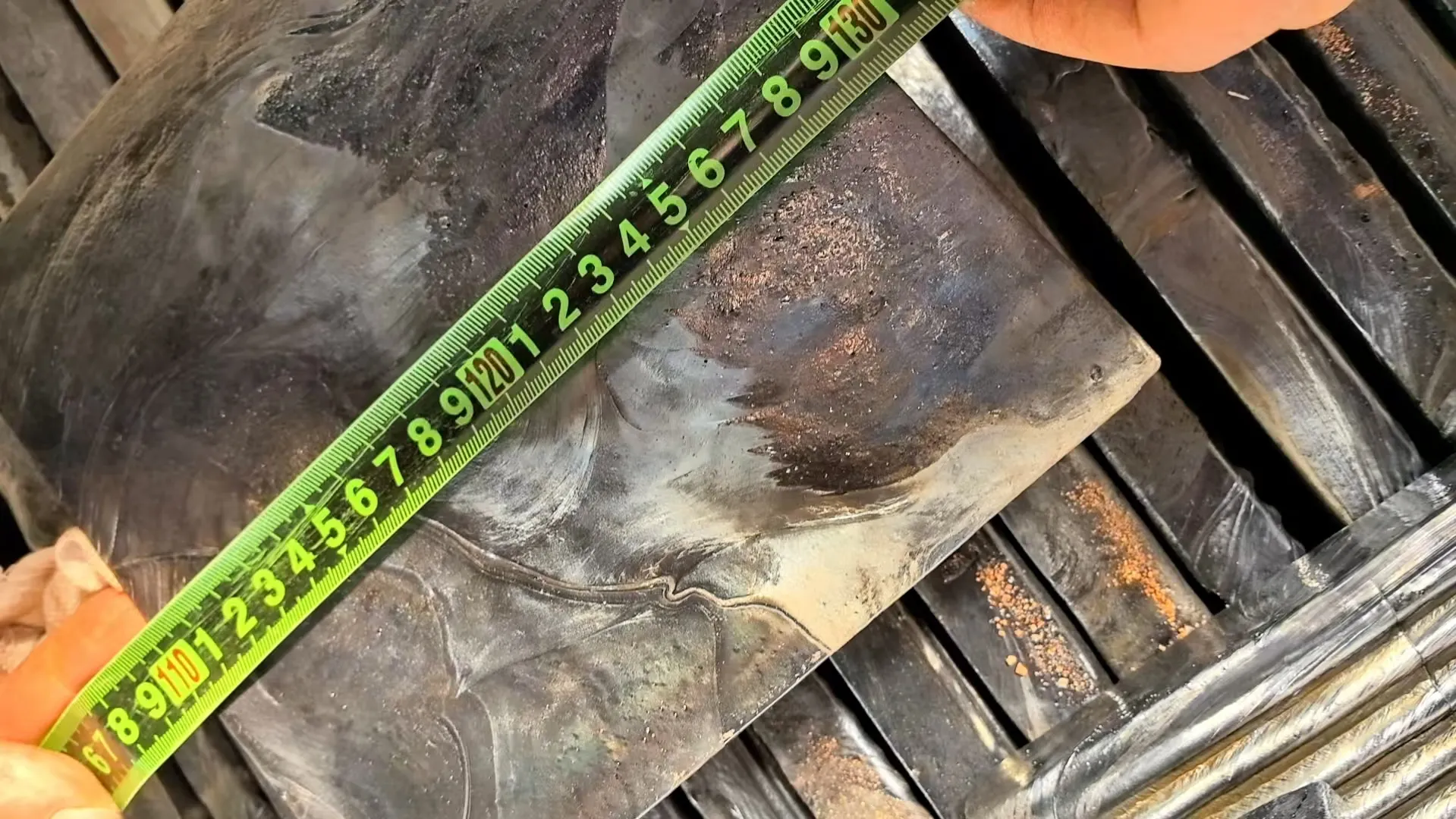
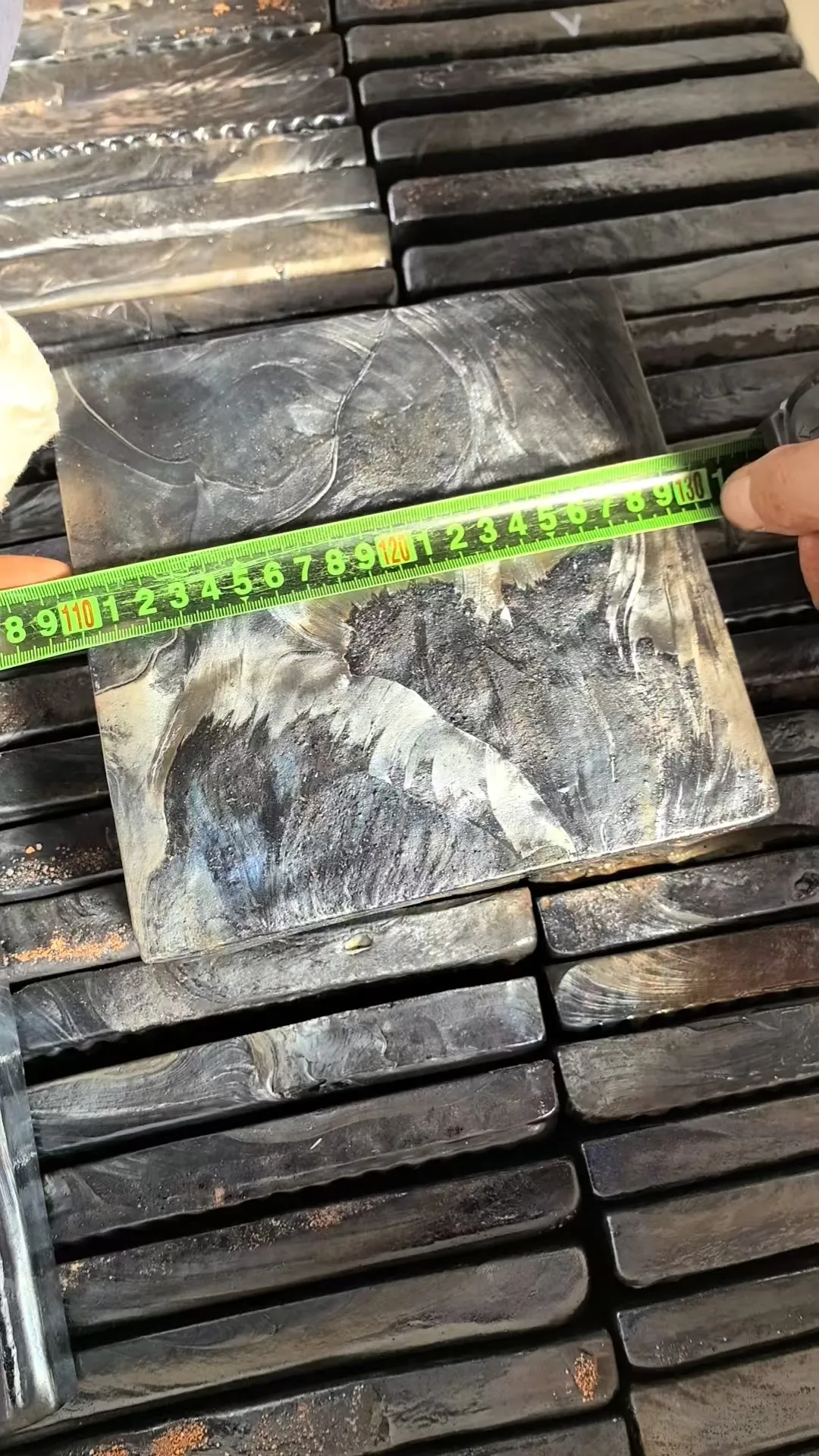
Everything you need to know about Basalt Tiles
Basalt is the new miracle fire-protection material. It is made from volcanic rock and can withstand 2500 degrees for an unlimited time while having 3 times the tensile strength of steel.
Compared with traditional concrete, basalt-fiber-reinforced concrete has the advantages of higher tensile strength and less cracking.
Cast Basalt is a naturally occurring basalt-rock wear-resistant material. Offering superb abrasion resistance, this mineral is quarried, melted, cast, and annealed to form a fine-crystallized glass-ceramic of extreme hardness that resists erosion. Cast Basalt is supplied in pipe and tile form and provides an excellent hard-wearing surface for corrosive wear and abrasion protection of equipment.
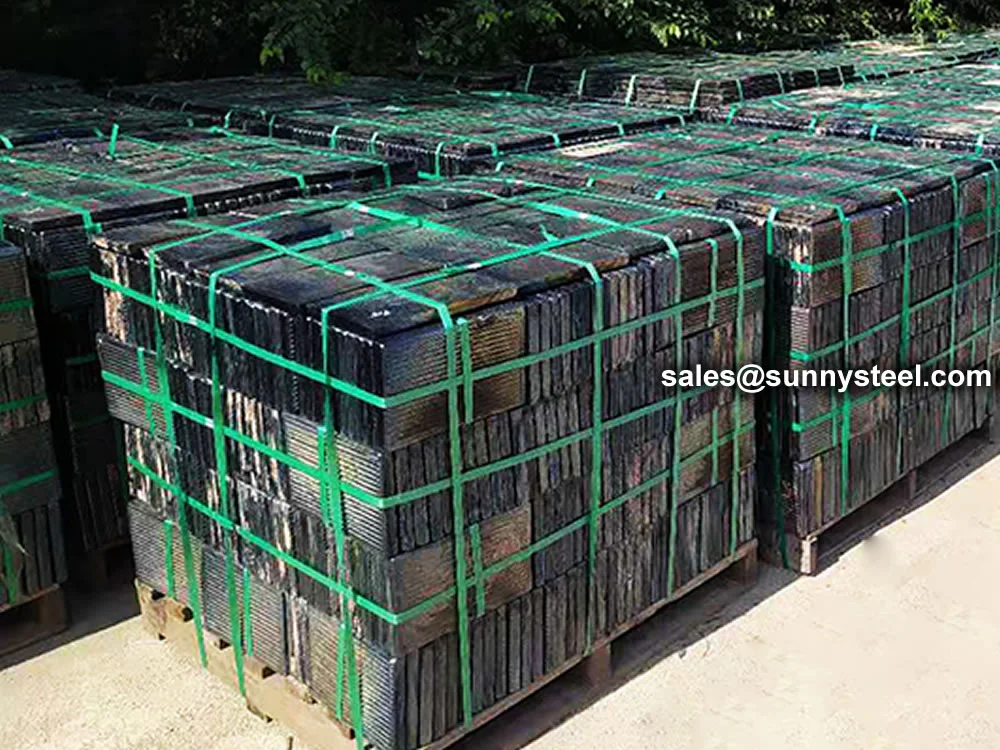
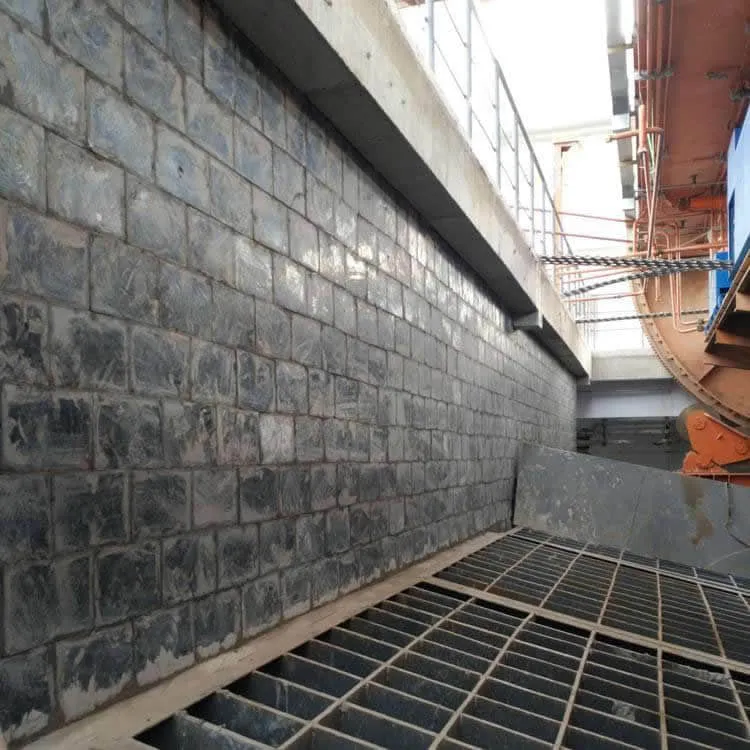
Cast basalt tiles are known for their excellent wear resistance and are commonly used in applications where abrasion and corrosion resistance are critical, such as in pipelines, chutes, hoppers, and other high-wear environments. Having these tiles in stock allows for a quick response to customer demands and efficient fulfillment of orders.
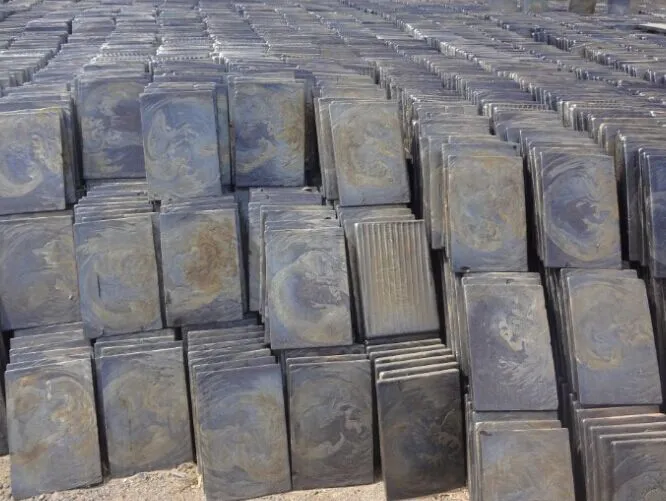
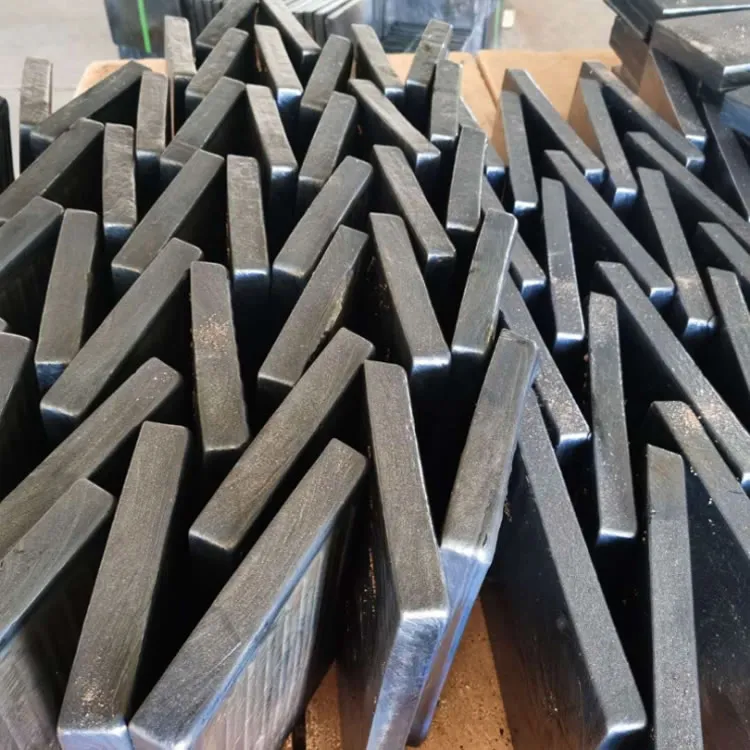
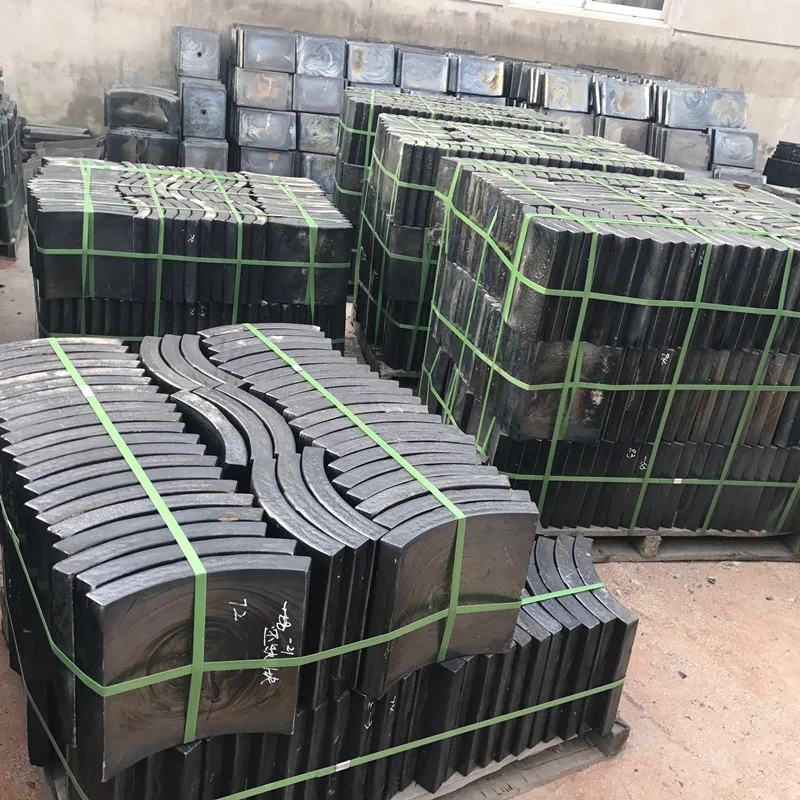
Hard & Compact Smooth & Inner Withstands High-Abrasion & Corrosion In any of the process industries especially Sled and Cement corrosion and abrasion lead to significant downtime of the plant. Further, the useful life or the equipment itself may get impaired because of the high abrasive nature of the materials being used. Thus, ‘wear mechanism’ results in hut down, replacement, etc., which is costly, resulting in loss to tilt: tunic of millions of dollars.
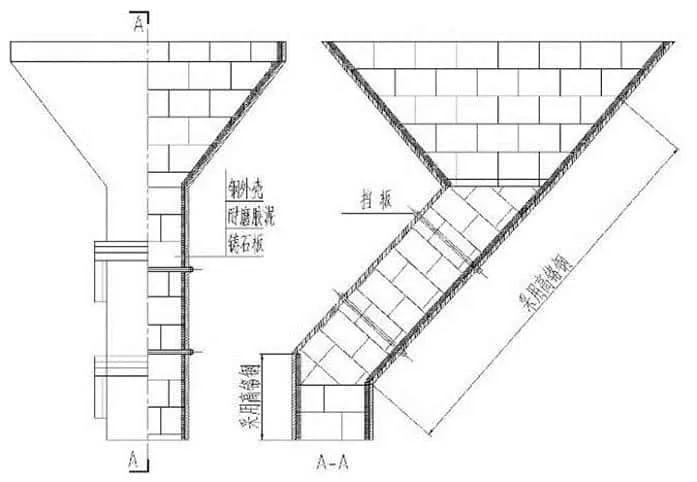
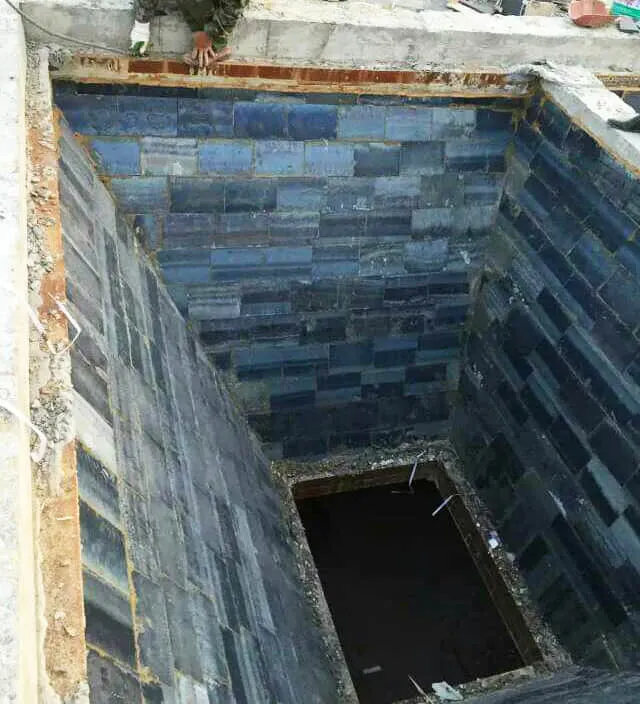
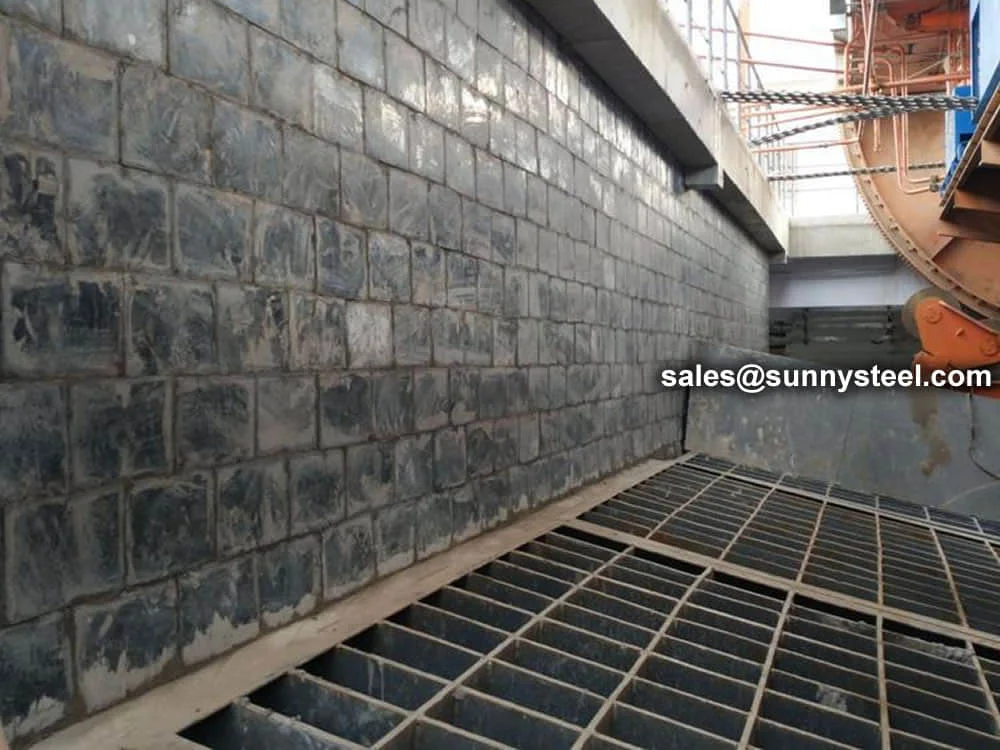
Basalt tiles can be placed and jointed in cement or specially-defined bonding agents, as demanded by the intended application. Basalt tiles can be provided with a central hole that is countersunk for individual bolting, or as ready-made liner plates and pipes.
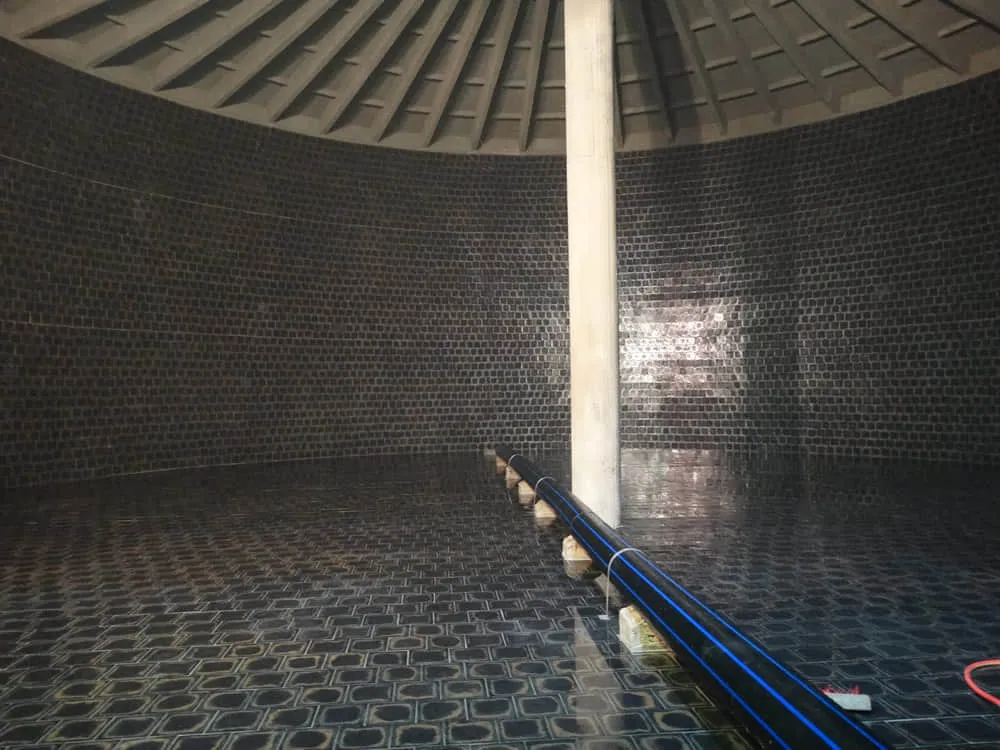
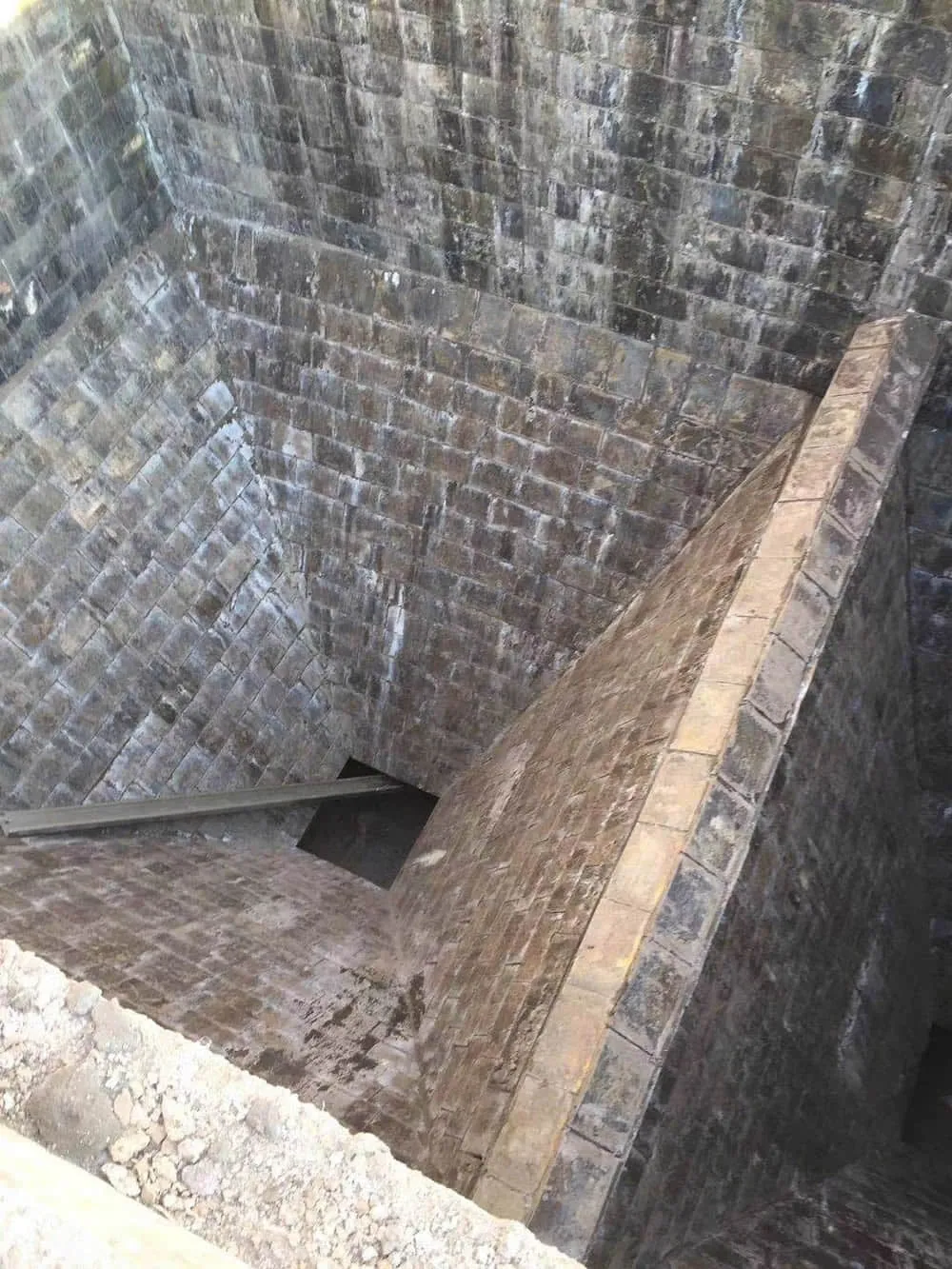
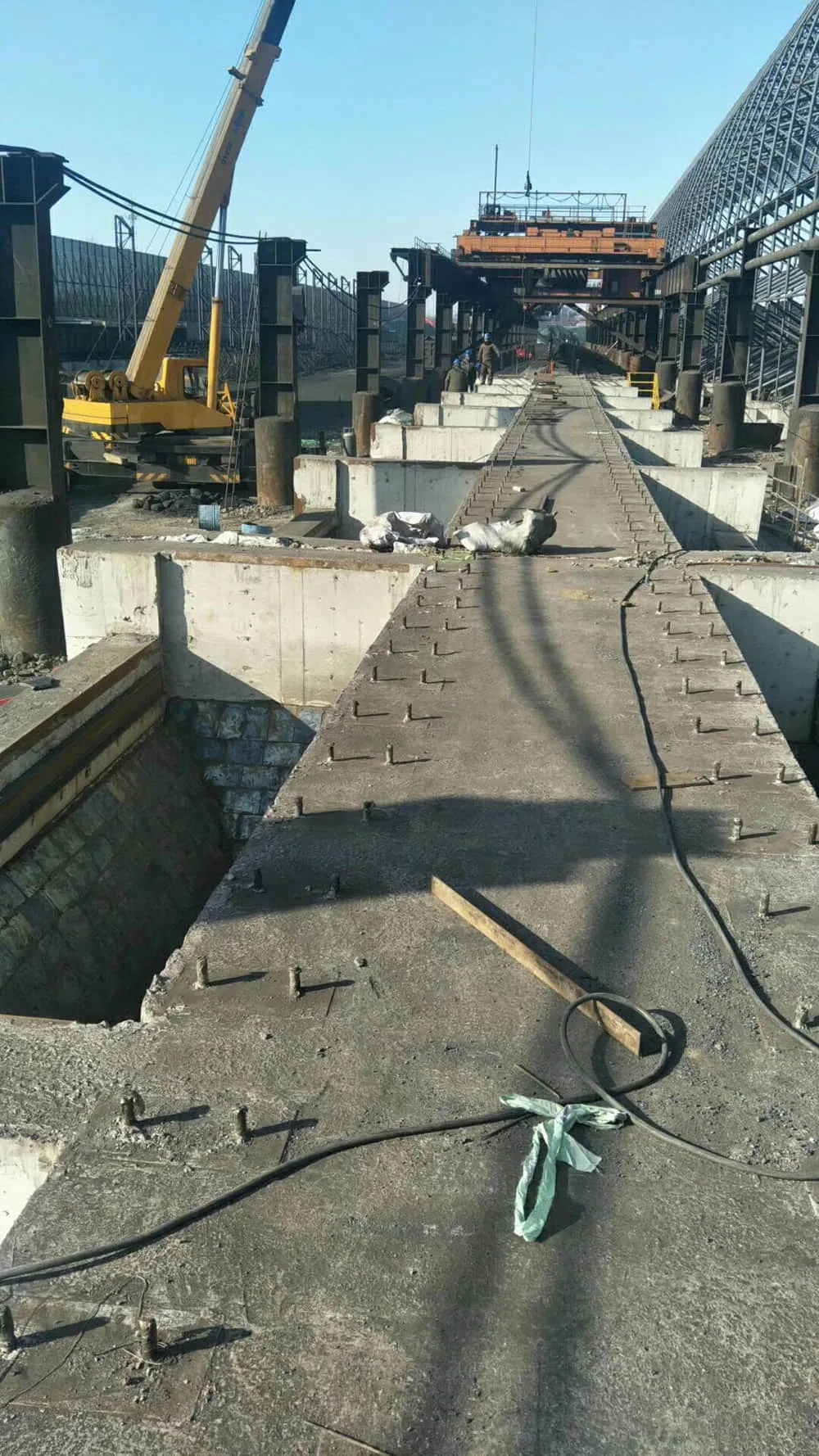
Cast basalt tiles are mainly used in thermal power plants, steel mills, mines and other parts with heavy wear, such as raw coal bunkers, mine bins, coal unloading trenches, hoppers, ore troughs, flotation machines, chutes and other parts.
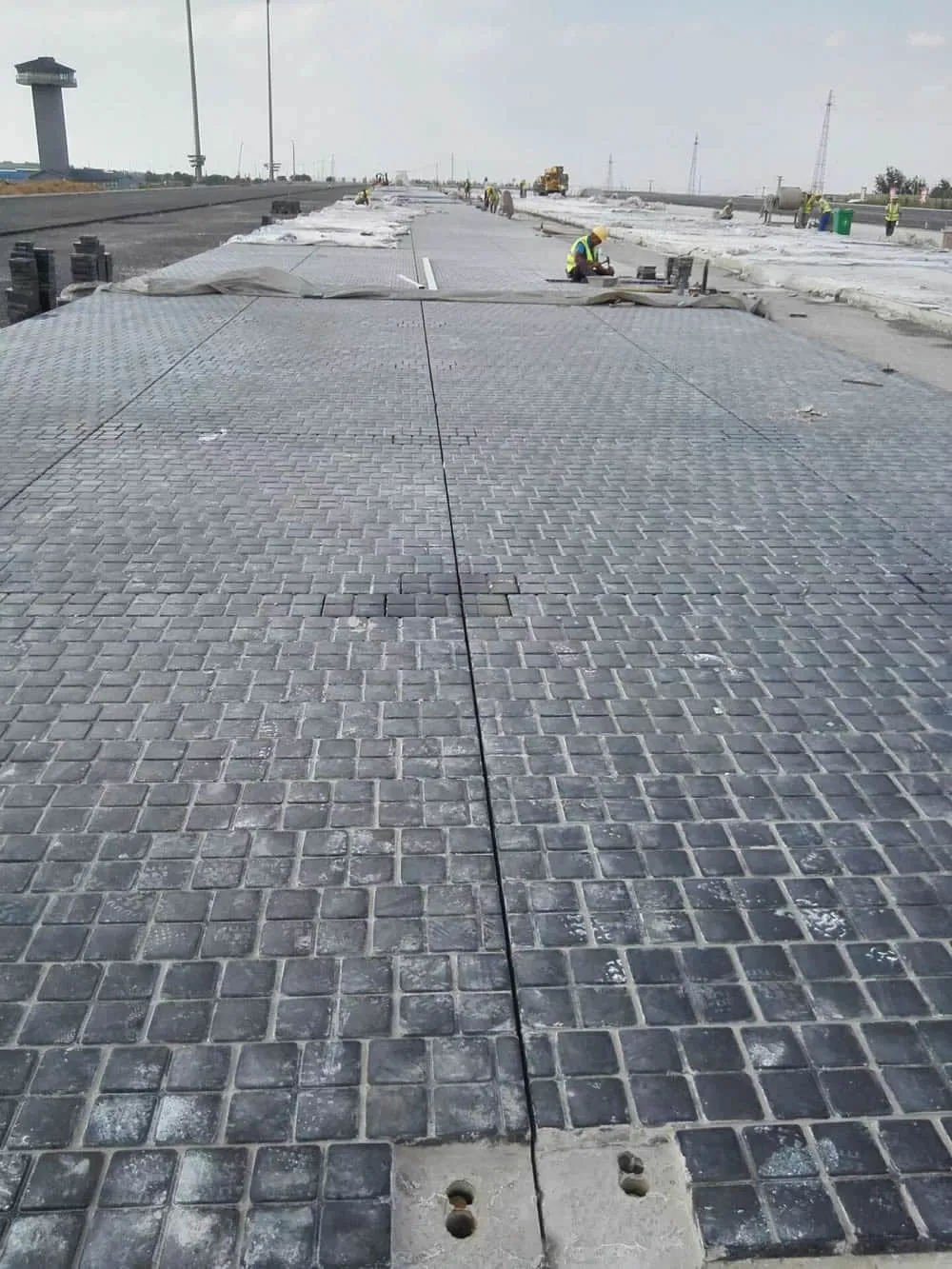
Used for Automotive Brake Testing Grounds
These very hard tiles are made for heavy industrial applications but also feature a beautiful metallic sheen. Originally used for sewerage systems or piping pieces, these pavement tiles are made by melting natural basalt and casting it into metal moulds.