Superior Wear Resistance
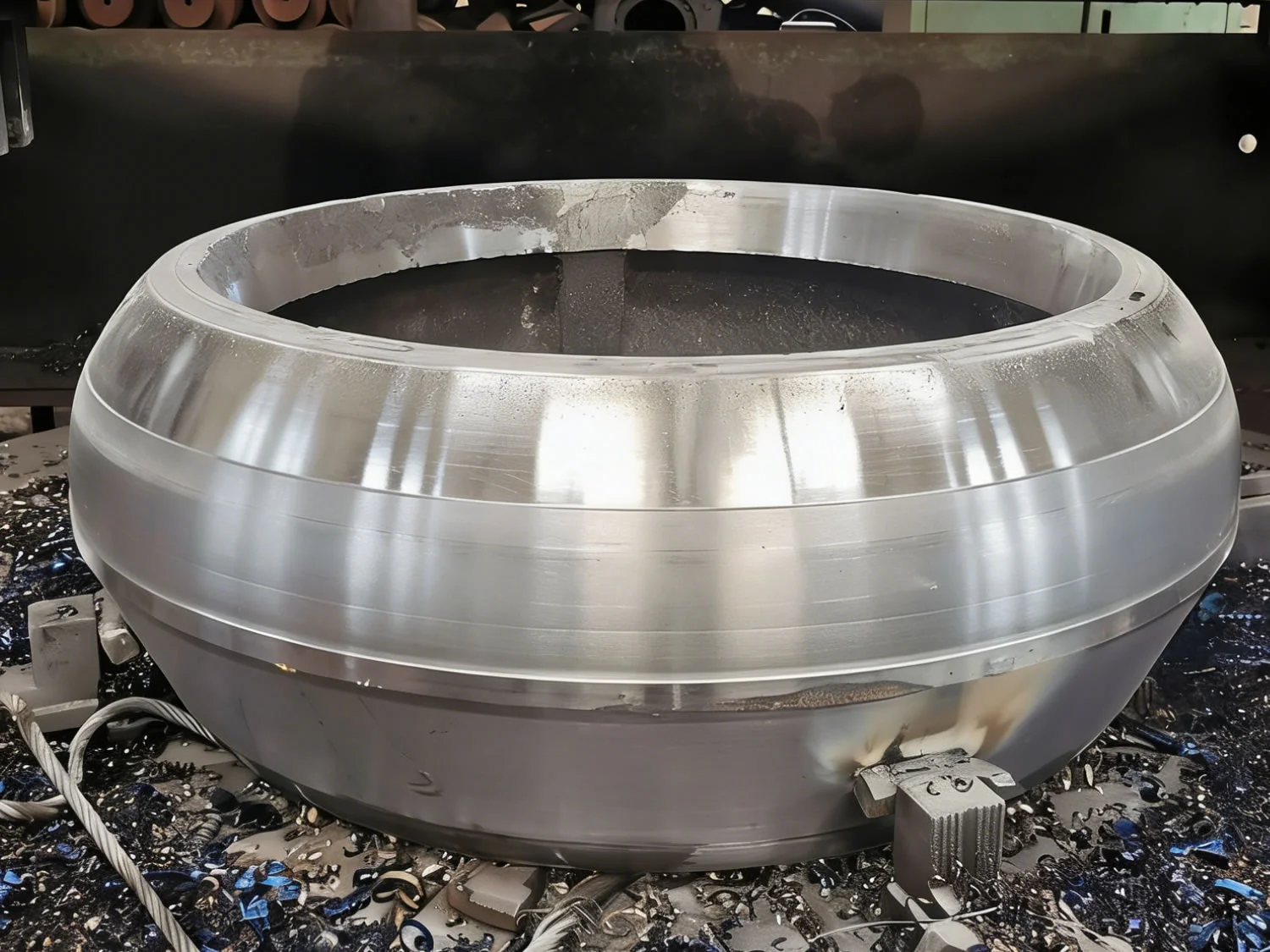
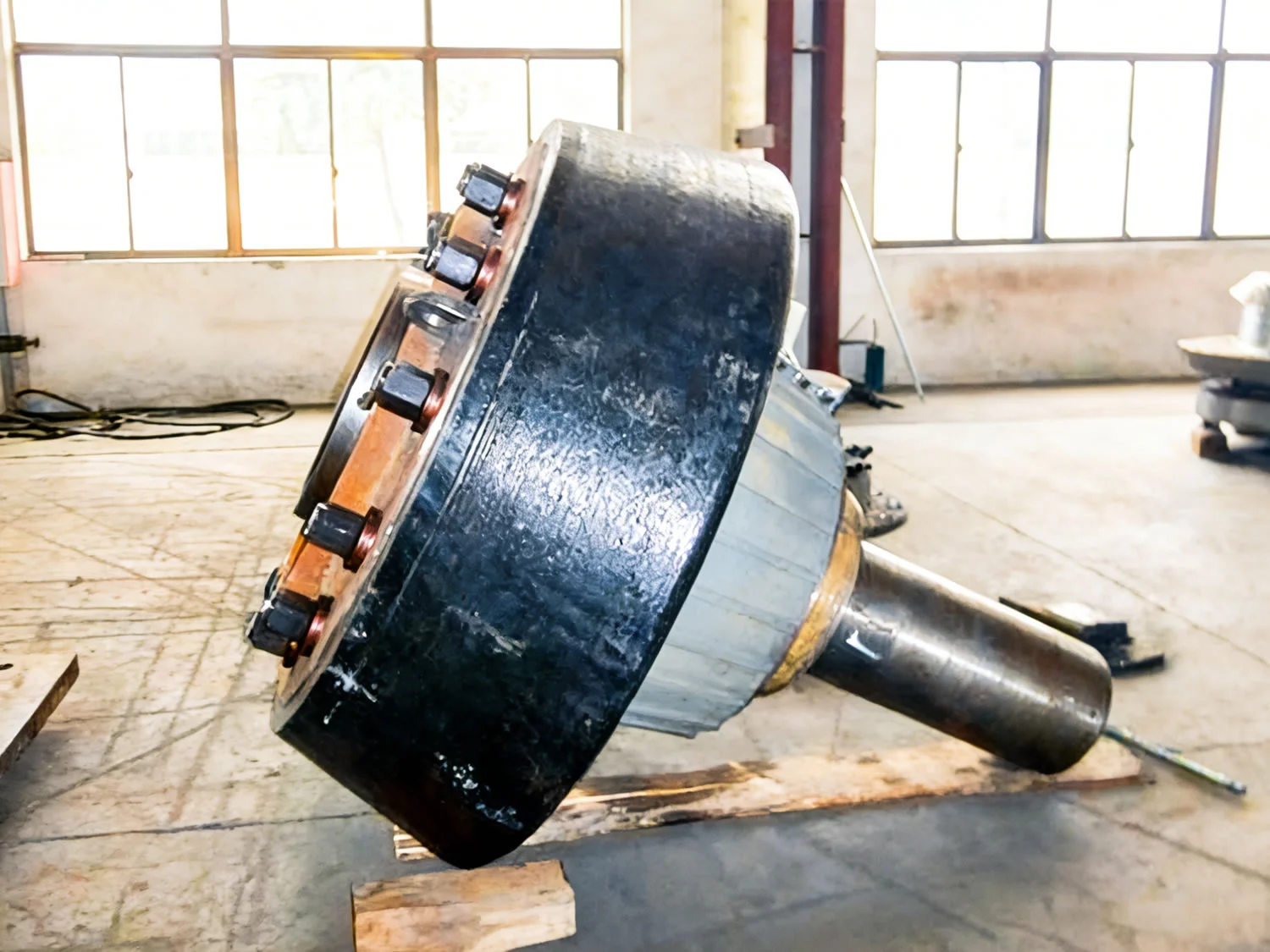
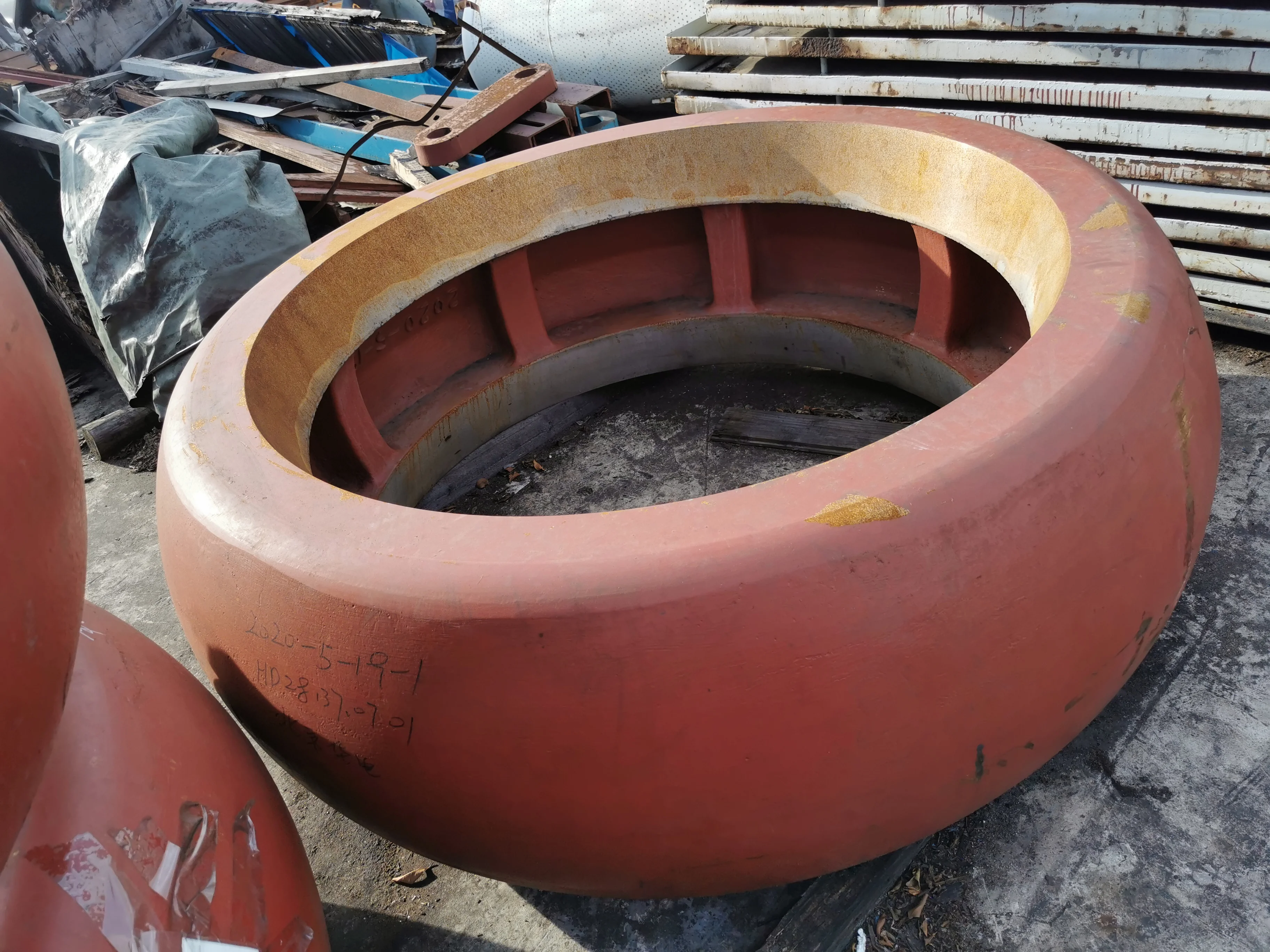
Our high chromium grinding roller, crafted from high chromium cast iron, delivers outstanding crack resistance and wear resistance.
Superior Wear Resistance
Our high chromium grinding roller, crafted from high chromium cast iron, delivers outstanding crack resistance and wear resistance.
The high chromium grinding roller is made of high chromium cast iron, which has the characteristics of good crack resistance, good wear resistance, and strong load bearing capacity, greatly increasing the service life of the roll sleeve and reducing the operating cost. This material choice (typically with high Cr content for hardness HRC 55-65) makes it ideal for abrasive environments in vertical roller mills, outperforming standard alloys in handling quartz-rich raw materials, clinker, slag, and coal while maintaining structural integrity under heavy hydraulic pressures.
Engineered for maximum durability, our high chromium cast iron roller provides key advantages over conventional or hardfaced alternatives:
These properties make high chromium rollers a cost-effective choice for cement plants seeking reliability in tough grinding conditions, with options for ceramic composites or additional surfacing in extreme cases.
| Parameter | Details |
|---|---|
| Material | High Chromium Cast Iron (High Cr content alloy) |
| Hardness | HRC 55-65 |
| Key Properties | Excellent crack resistance, superior wear/abrasion resistance, high load capacity |
| Service Life Benefit | Up to 2x or more compared to standard materials; often 10,000+ hours |
| Compatibility | Customized for major VRM brands (e.g., Loesche, Pfeiffer, Polysius); roller tyre/shell design |
| Optional Enhancements | Hardfacing layers, ceramic inlays for extreme abrasion |
| Condition | Brand New / OEM Quality |
Serving 100+ countries with localized support and fast delivery.
ISO 9001, API, and ASTM compliant – full traceability and third-party inspection.
Cost-effective solutions that extend equipment life and reduce downtime.
High Chromium Grinding Roller, are manufactured using different material compositions depending on the application, operating conditions, and performance requirements:
Often ceramic block inlaid roller sleeves, consisting of three layers: ductile iron (base), high-chromium cast iron (intermediate), and wear-resistant ceramic blocks (outer layer). This design balances high hardness with excellent toughness.
Includes Ni-hard cast iron and high-chromium cast iron, achieving hardness above 58 HRC. Offers strong wear resistance but lower toughness, with potential for cracking under heavy impact.
Such as ZG30Mn cast steel, optimized for improved hardness and wear resistance. Many undergo arc gouging finishing and non-destructive testing (ultrasonic, magnetic particle, dye penetrant) to ensure quality and extend service life.
Outer layer uses alloy cast iron for high hardness and wear resistance, while the inner layer is gray cast iron for toughness and vibration absorption. The roller shaft is typically made of high-quality 45# carbon structural steel, assembled with interference fit for a strong, integrated structure.
Both vertical roller mills and roller presses operate based on the principle of material bed milling, ensuring efficient grinding through particle-to-particle interaction rather than direct metal contact.
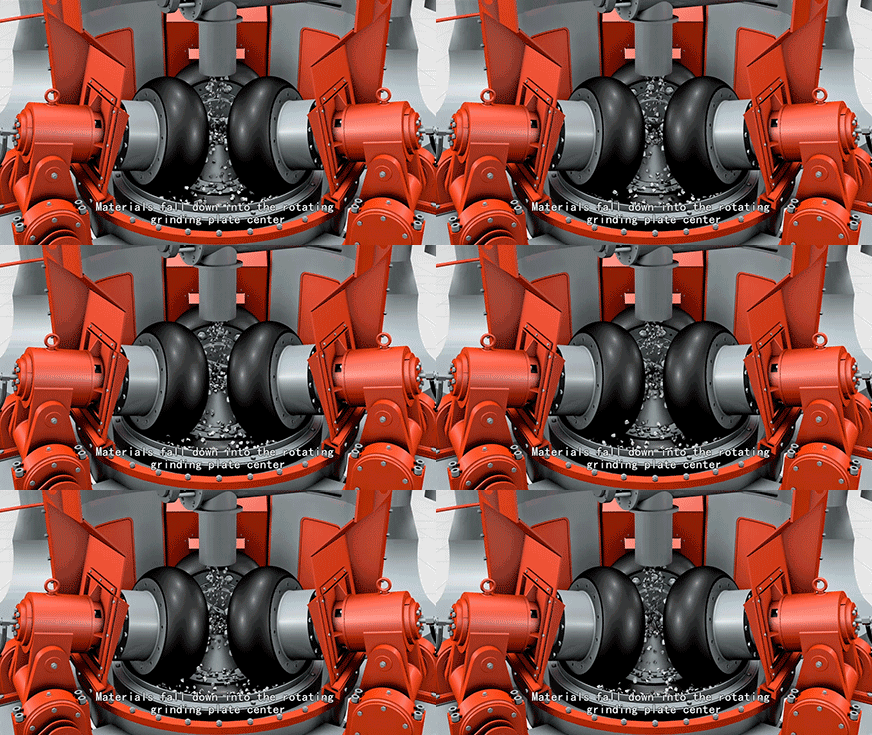
During the grinding process, only a small portion of material particles directly contact the grinding components. Under applied pressure, the particles form a stable material bed. Through stress transmission and interaction between particles, the material is cracked, broken, and finely ground, resulting in high efficiency and reduced component wear.
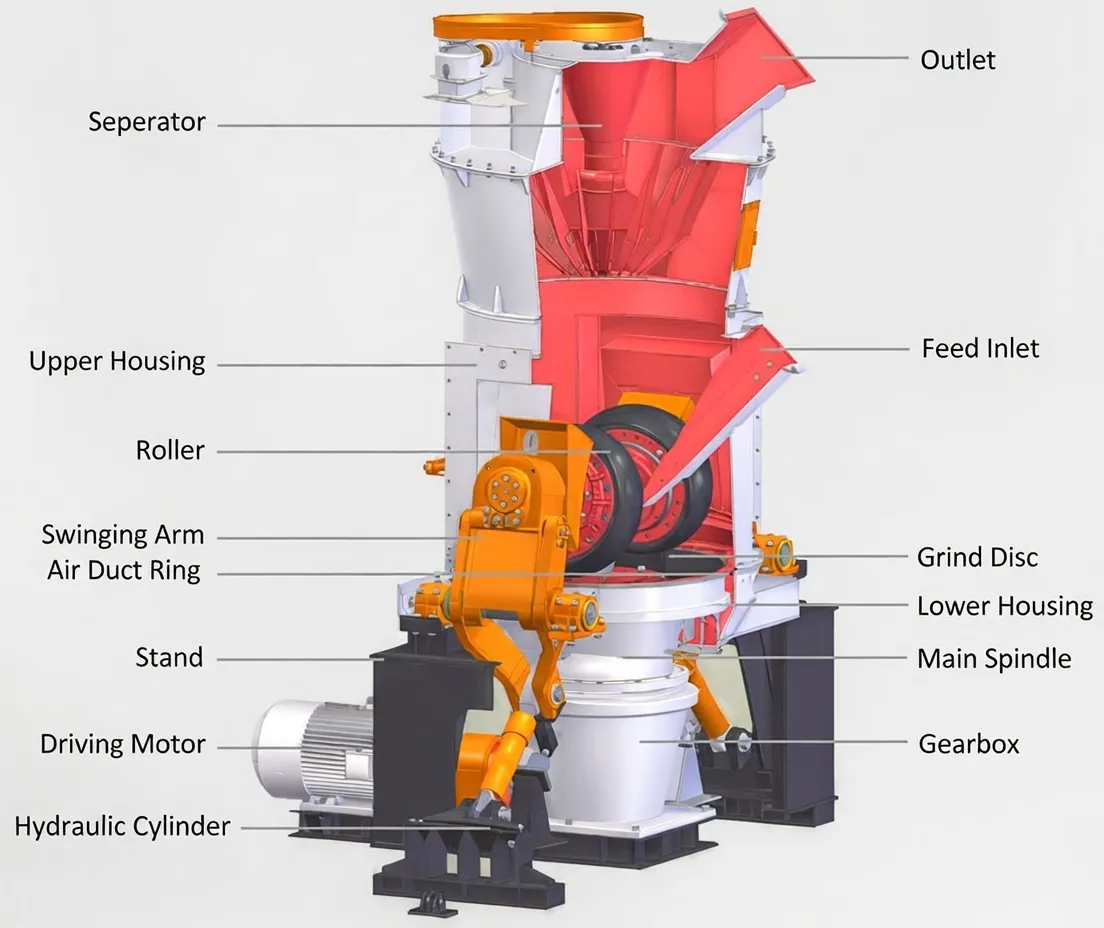
In a vertical roller mill, the grinding components consist of rollers and a grinding disc. The grinding pressure is mainly generated by the rollers and is typically applied through a hydraulic loading system.
Material is fed onto the grinding disc from the center or side of the upper housing. As the disc rotates, a uniform material layer is formed. When the material passes between the rollers and the grinding disc, it is ground under combined extrusion and shear forces.
A roller press uses two rollers of equal size as the grinding components. Material falls vertically from the top and forms a compact material bed between the rollers. Under the high extrusion force applied by the rollers, the material is compressed and ground into fine particles.
Roller presses are available in two drive configurations: double drive and single drive. The double drive roller press, where both rollers are independently driven, is the most commonly used design. In a single drive configuration, one roller is motor-driven, while the second roller is driven via a gear transmission.
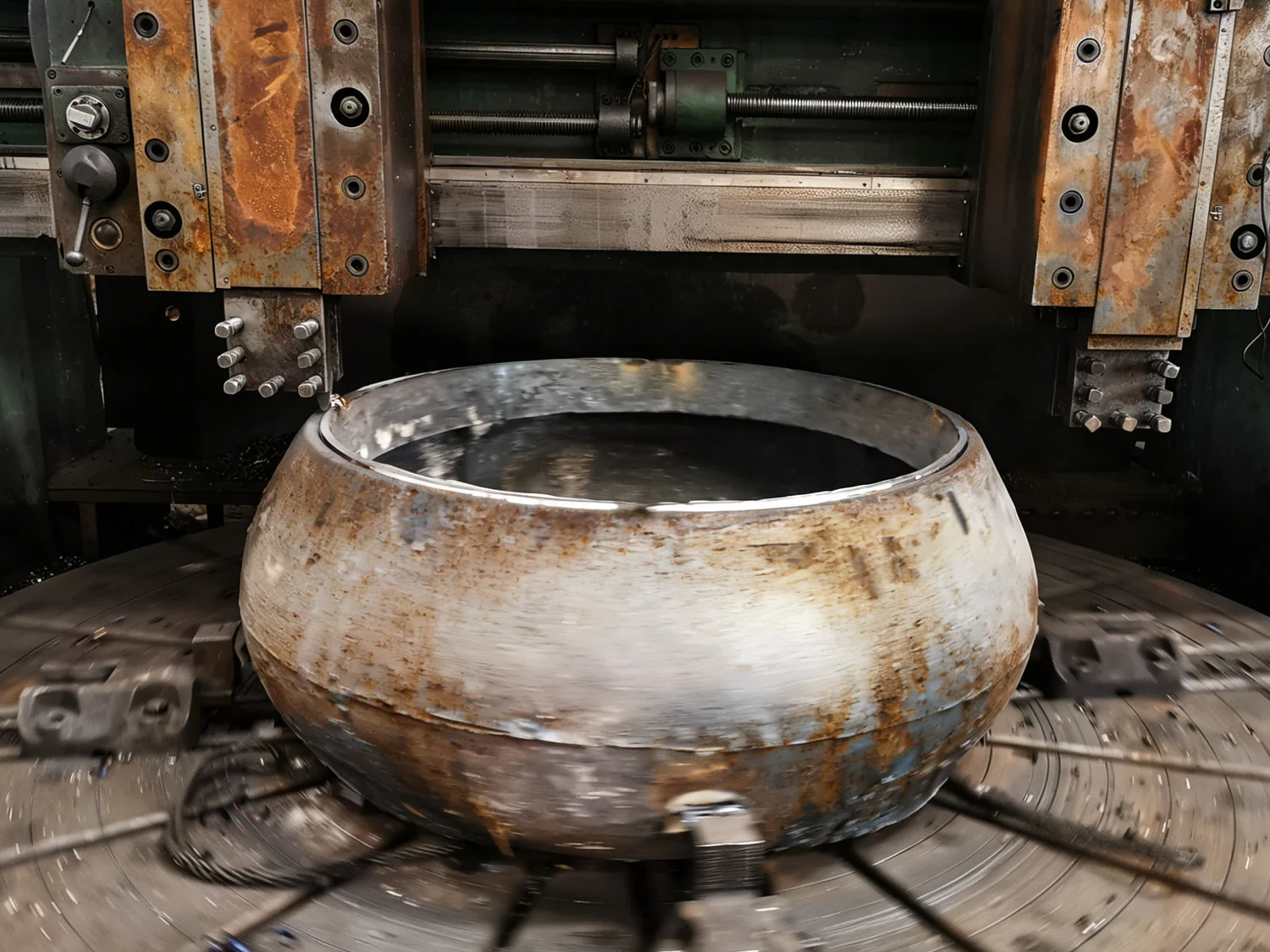
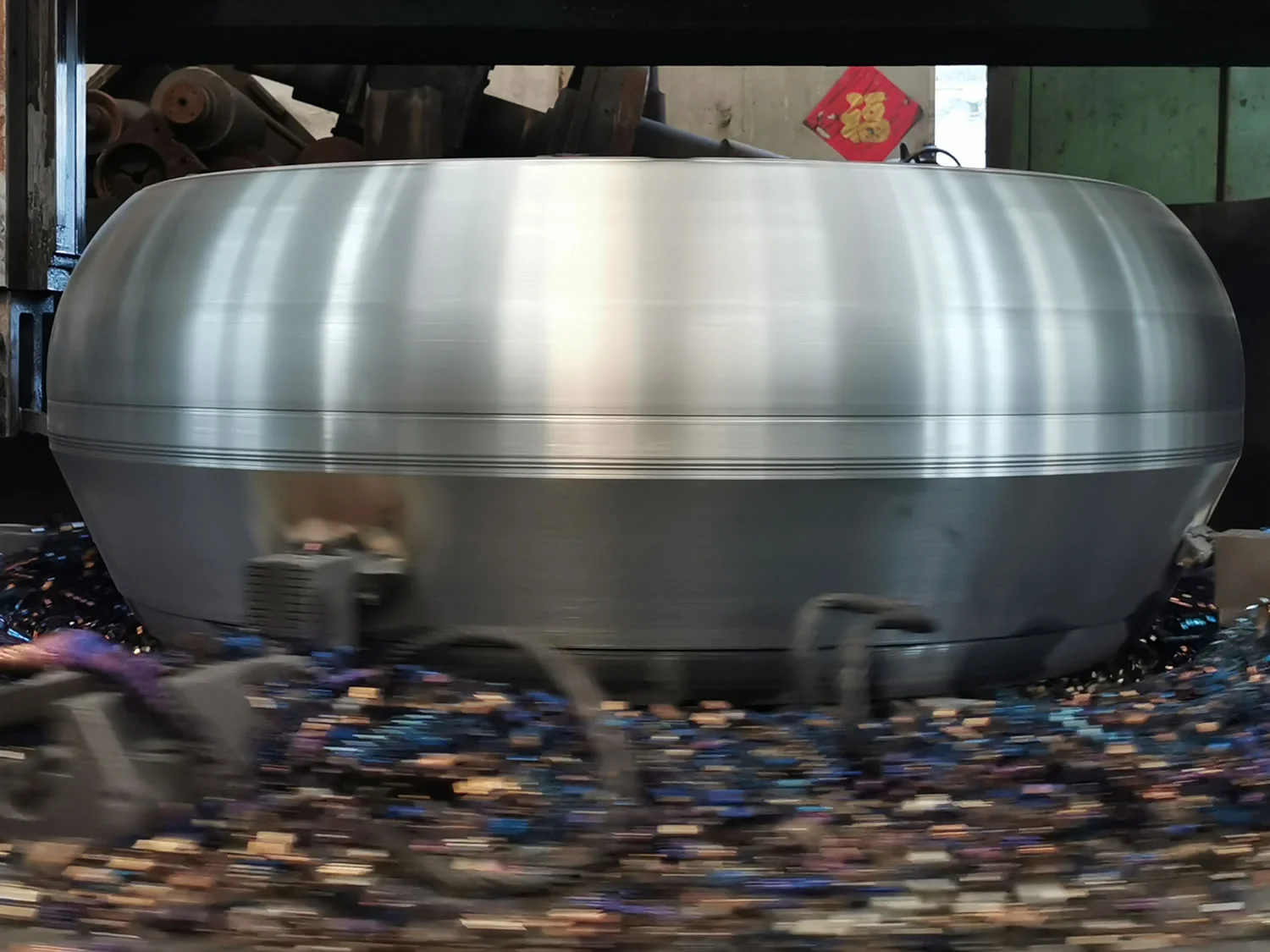
High Chromium Grinding Roller
There are fundamental differences between the design structures of vertical roller mills and roller presses, which directly influence grinding efficiency, energy utilization, and product fineness.

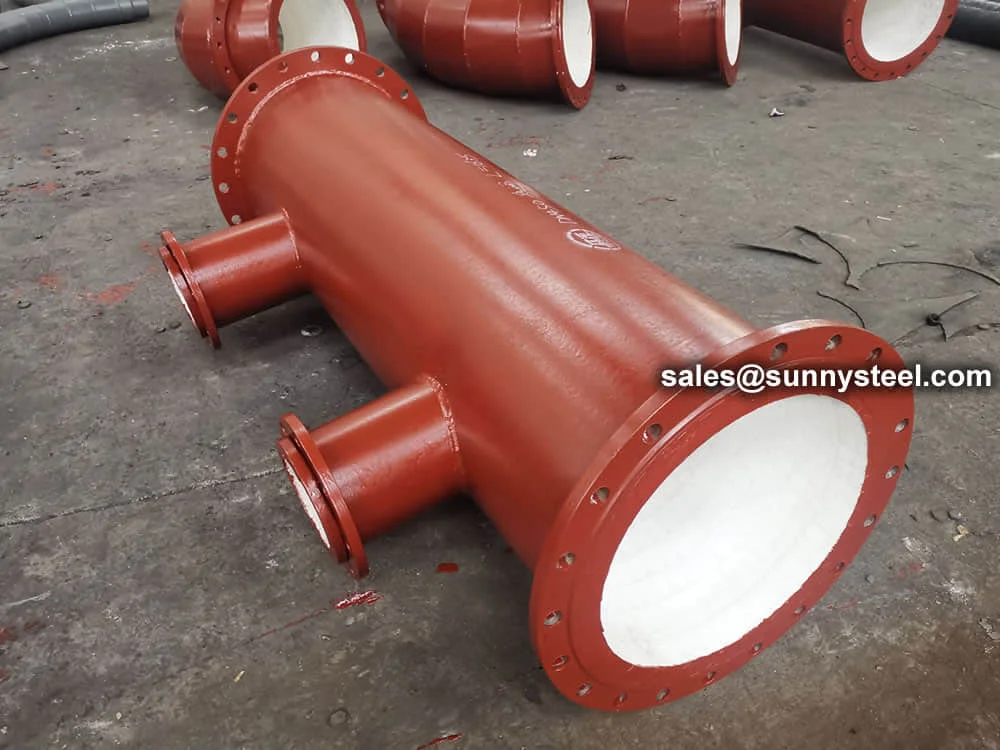
Customized Alumina Ceramic Lined Project
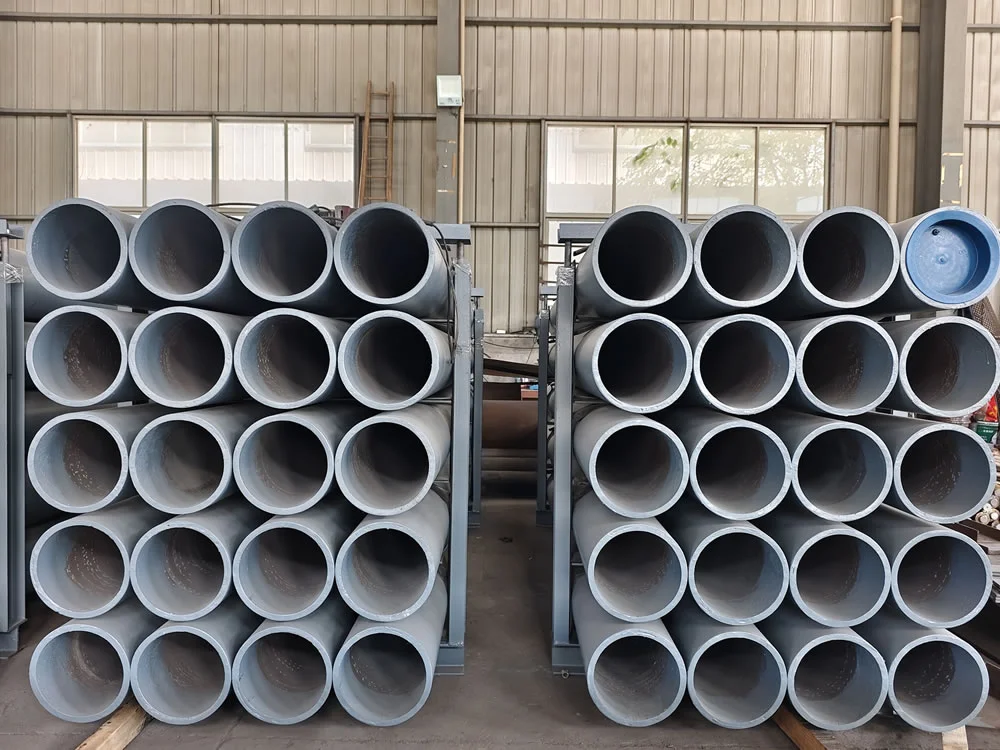
Wear-Resistant Hardfacing Liner Plate