0086-21-33780199 (service time:9:00-21:00)
Water Wall Panels

Water Wall Panels

High Efficiency Evaporation & Protection

Boiler water wall panels are high-efficiency heat absorbing tube assemblies designed for modern industrial boilers.

Water Wall Panels

High Efficiency Evaporation & Protection

Boiler water wall panels are high-efficiency heat absorbing tube assemblies designed for modern industrial boilers. they improve heat transfer, protect furnace walls and support stable steam generation.
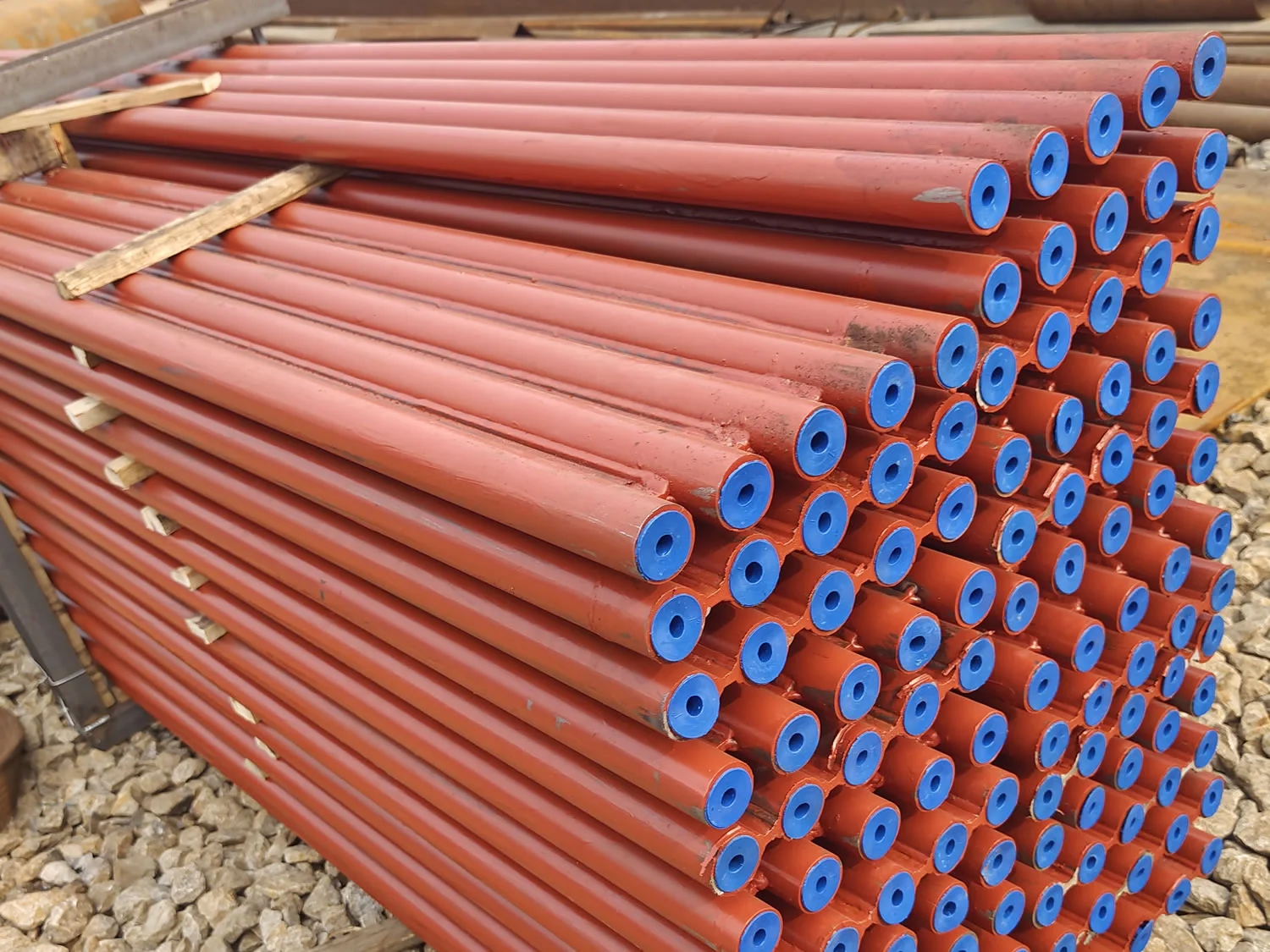
Boiler Water Wall Panels
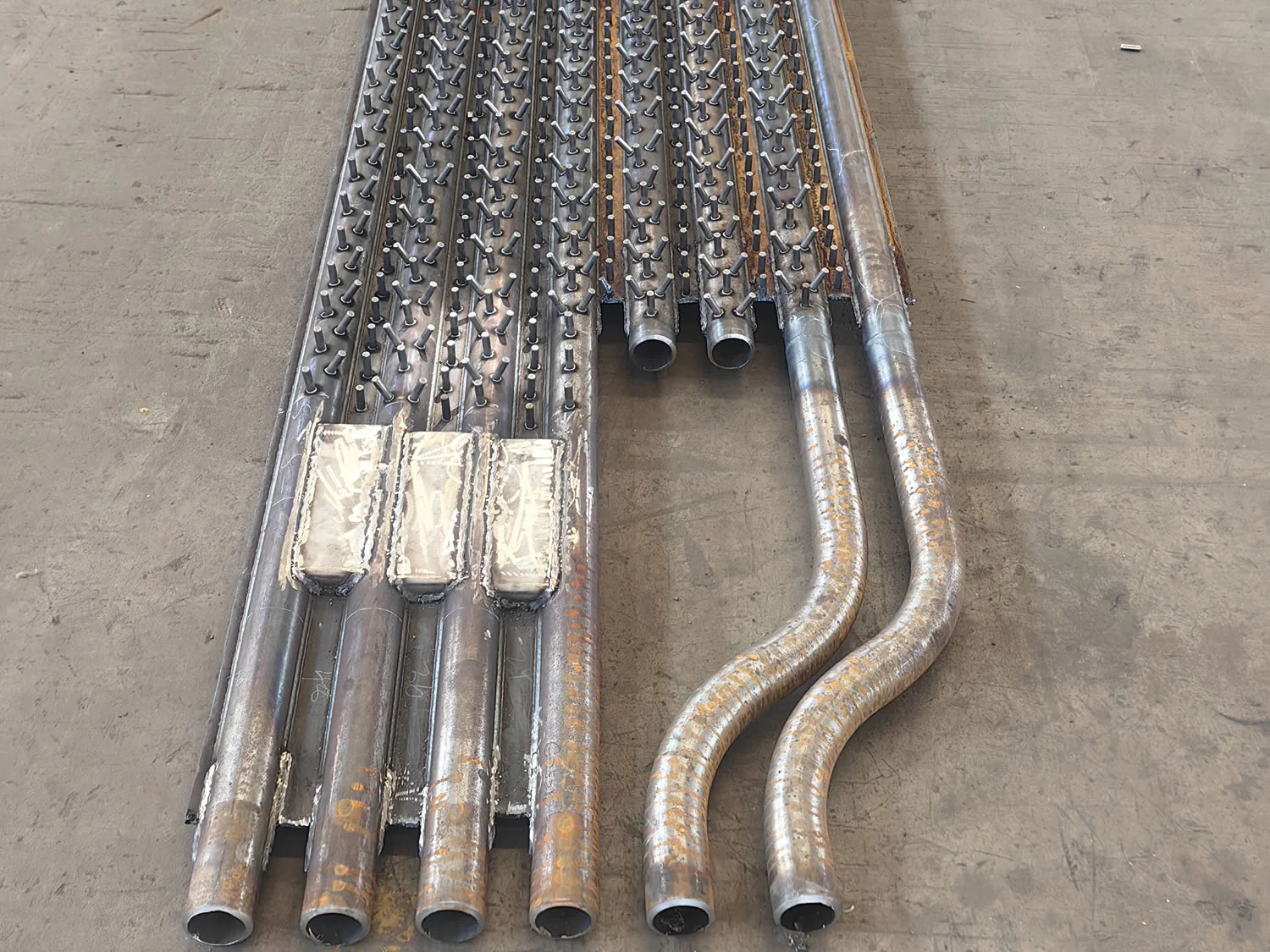
Membrane Water Wall
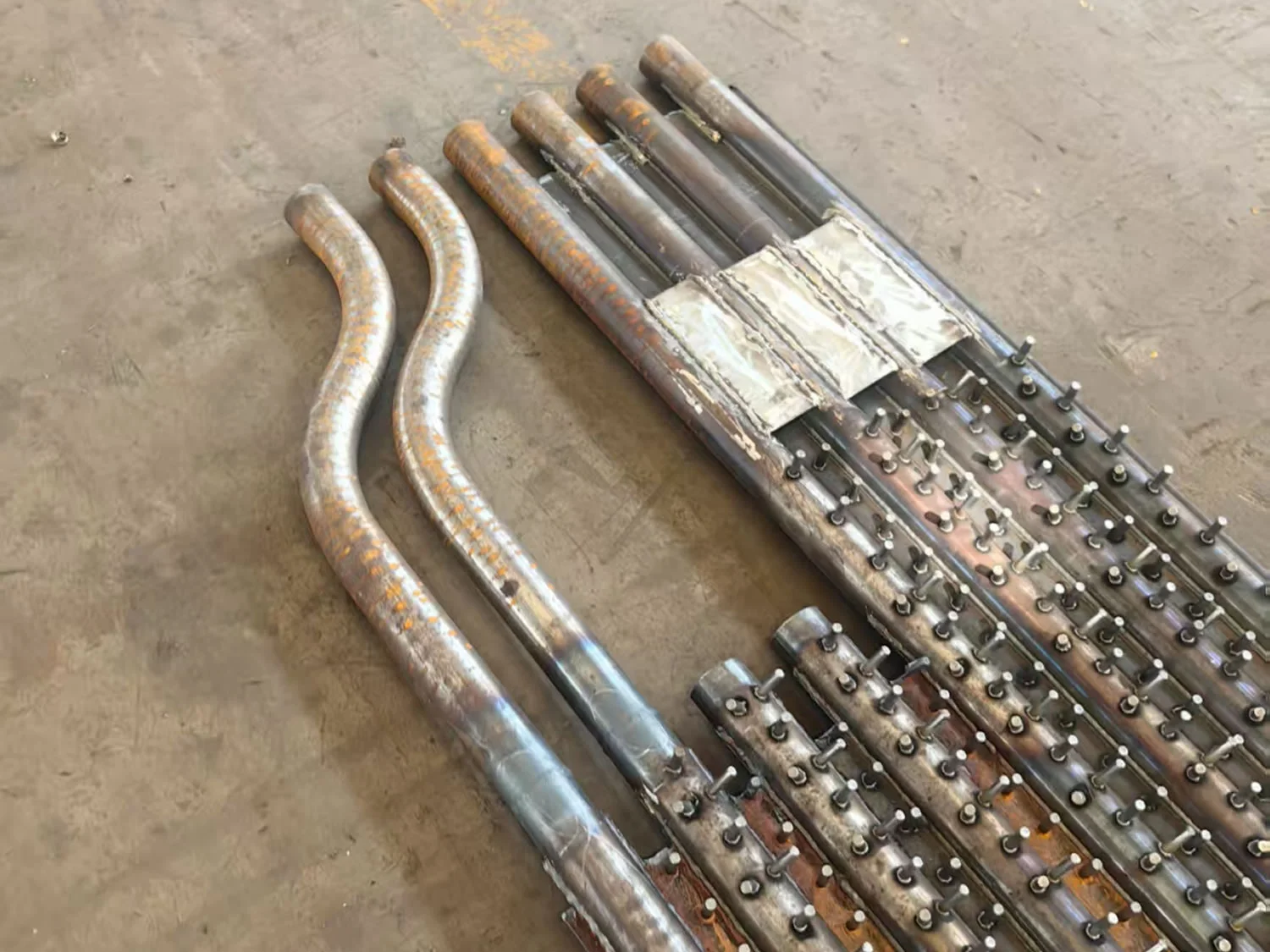
Studded Water Wall
Industrial Boiler Parts

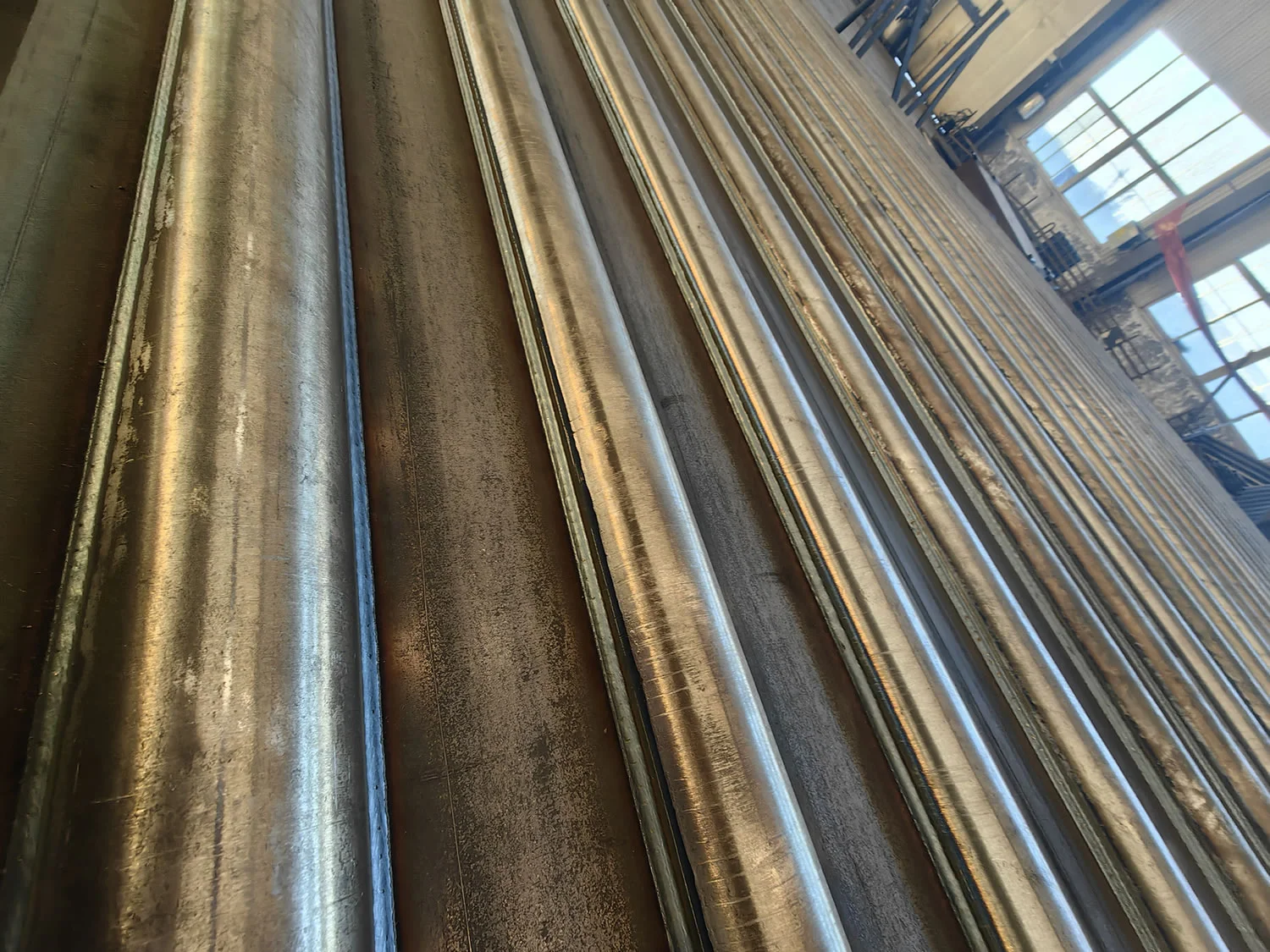
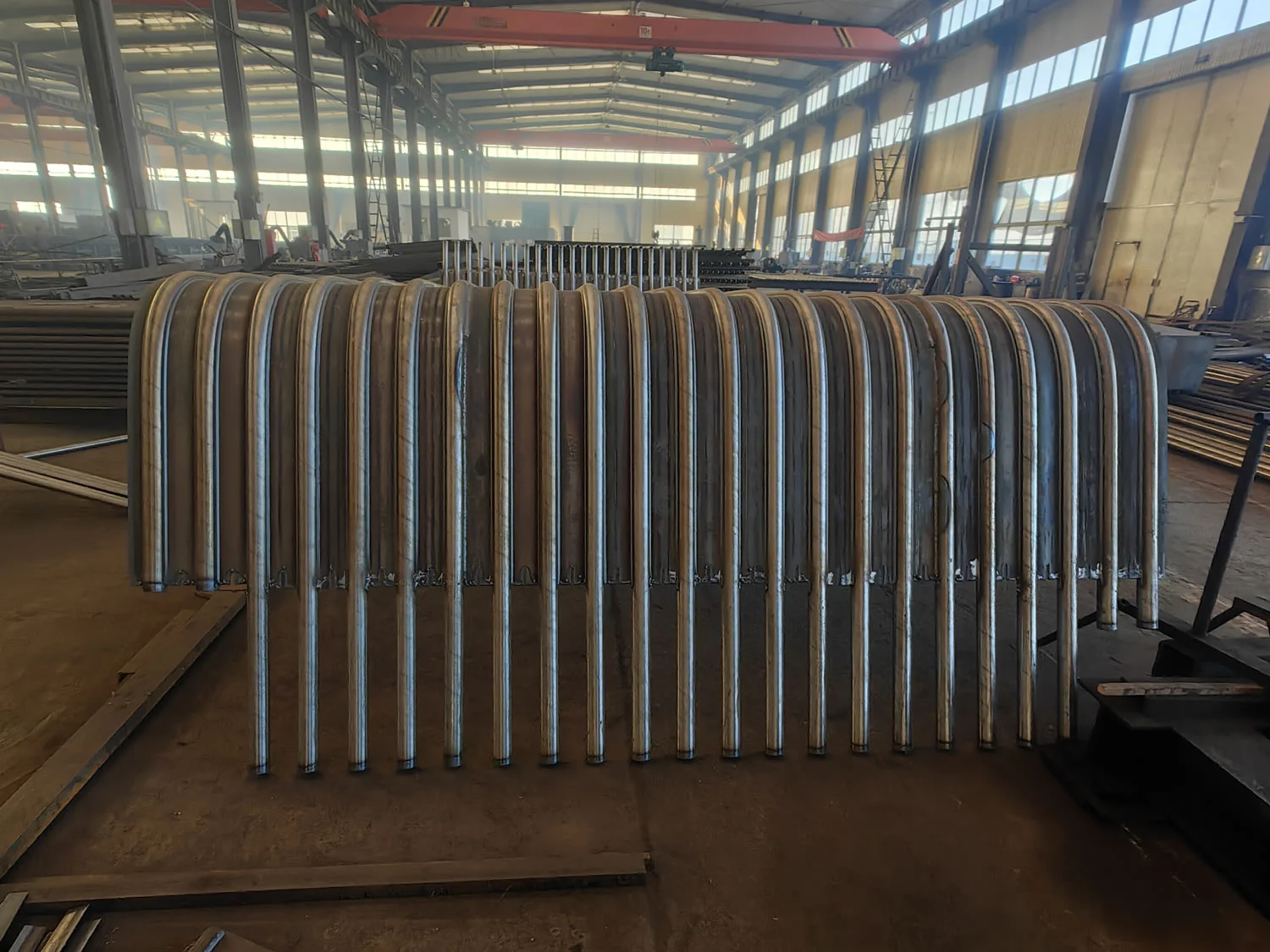
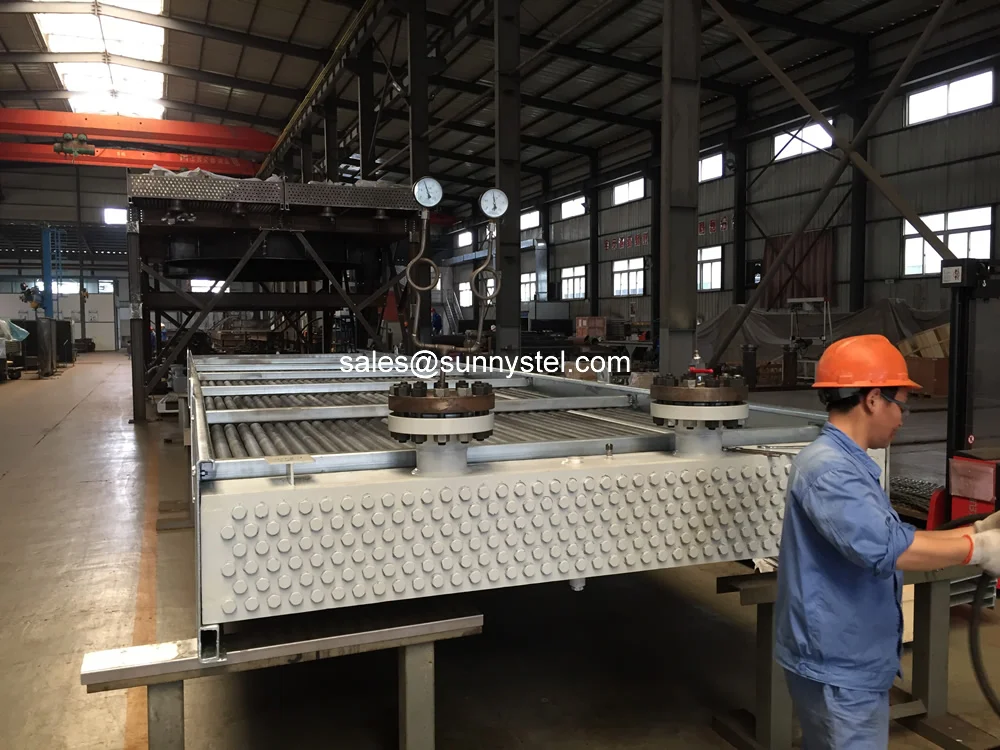
Water wall panels are used in modern industrial boilers to replace steam generating tubes. They are designed to absorb high temperature radiant heat given off by the flame in the fuel chamber, and reduce heat loss caused by the air tightness.

We manufacture boiler tubes of the water wall panels in a variety of shapes and sizes to meet customer requirements, and all are processed using automatic fin to tube welding machines and large tube benders.

Materials: 20# Steel, SA192, SA106B, 15CrMoVG, 12Cr1MoV

Standards: ASME Code standard, GB Standard

Quality Inspection: MT, RT, Hydraulic test

Types of Boiler Water Wall Panels

Membrane Boiler Water Wall Panel

Spot welds many rolled finned tubes into a sealed combined heating surface, which improves the airtightness of the furnace and reduces air leakage.

Studded Water Wall Tubing

Welds pins of 20 to 25 mm in length and 6 to 12 mm in diameter on the water wall tube, then applies chrome ore refractory plastic to reduce heat absorption and increase combustion zone temperature. Suitable for difficult-to-ignite fuels and specific slag tapping furnaces.

Plain Tube Boiler Water Wall Panel

Composed of a whole row of seamless steel pipes — the simplest structure.

Wall-attached Boiler Water Wall Tubing

Embedded in the inner wall of the furnace wall, single-sided heat absorption.

Double-sided Heated Water Wall Panel

Installed in the middle of large boiler furnaces, dividing into two independent parts with both sides heated.

Manufacturing Process

Processed using automatic fin to tube welding machines and large tube benders.

  • Membrane type: Spot welding of rolled finned tubes
  • Studded type: Welding of pins (20–25 mm length, 6–12 mm diameter) followed by refractory plastic application

Water Wall Panels Standard Specifications

Chemical Composition of Water Wall Panels (ASTM A179, A213 T11, EN 10216-2 P235GH)
Grade C (%) Si (%) Mn (%) P (% max) S (% max)
ASTM A179 0.06–0.18 - 0.27–0.63 0.035 0.035
ASTM A213 T11 0.05–0.15 0.50–1.00 0.30–0.60 0.025 0.025
EN 10216-2 P235GH 0.16 max 0.35 max 1.20 max 0.025 0.020

Material: Commonly used materials are carbon steel, low alloy steel, stainless steel, copper, copper-nickel alloy, aluminum alloy, titanium, etc. In addition, there are some non-metallic materials, such as graphite, ceramics, polytetrafluoroethylene, etc. In the design, appropriate materials should be selected according to the working pressure, temperature and corrosiveness of the medium.

Mechanical Properties of Water Wall Panels (ASTM A179, A213 T11, EN 10216-2 P235GH)
Grade Tensile Strength (MPa min) Yield Strength (MPa min) Elongation (% min)
ASTM A179 325 180 35
ASTM A213 T11 415 205 30
EN 10216-2 P235GH 360–500 235 25
Comparison of Heat Exchange Tubes with Fluid Tubes and Superheater Tubes
Feature Heat Exchange Tubes Fluid Tubes Superheater Tubes
Material Type Carbon/Low-Alloy Steel Carbon Steel Carbon/Alloy Steel
Temperature Range Up to 600°C -40°C to 450°C Up to 500°C
Tensile Strength (MPa) 325–500 360–500 325–480
Yield Strength (MPa) 180–235 235–240 180–280
Corrosion Resistance High (with coatings) Moderate (with coatings) Moderate (with coatings)
Pressure Resistance High (up to 25 MPa) High (up to 30 MPa) Moderate (up to 20 MPa)
Cost Moderate Moderate Moderate
Applications Heat exchangers, condensers Fluid transport (oil, gas) Superheaters, feedwater heaters
Key Advantage High thermal conductivity High-pressure fluid reliability Thermal conductivity in boilers
Manufacturing Process Seamless, heat-treated Seamless, heat-treated Seamless, cold-drawn

You Can Also Search Heat Exchange Tubes by

Explore seamless heat exchange tubes with targeted long-tail keywords, covering specifications, applications, manufacturing, procurement, and dimensions for heat exchanger systems.

Standards and Specifications
  • • Heat exchange tubes specifications
  • • ASTM A179 heat exchanger tubes standards
  • • ASTM A213 heat exchange tubes requirements
  • • Seamless heat exchanger tubes certification
Applications
  • • Heat exchange tubes for power plants
  • • Seamless heat exchanger tubes for petrochemicals
  • • Heat exchange tubes for HVAC systems
  • • Heat exchange tubes for waste heat recovery
Material and Grades
  • • ASTM A179 heat exchange tubes material
  • • ASTM A213 T11 heat exchanger tubes
  • • Heat exchange tubes chemical composition
  • • Heat exchange tubes mechanical properties
Manufacturing and Testing
  • • Heat exchange tubes manufacturing process
  • • Seamless heat exchanger tubes quality testing
  • • Heat exchange tubes heat treatment
  • • Heat exchange tubes nondestructive testing
Procurement and Suppliers
  • • Heat exchange tubes supplier
  • • Seamless heat exchanger tubes distributors
  • • Heat exchange tubes price
  • • Heat exchange tubes global suppliers
Dimensions and Customization
  • • Heat exchange tubes dimensions guide
  • • Seamless heat exchanger tubes tolerances
  • • Heat exchange tubes custom sizes
  • • Heat exchange tubes length options

Note: Heat exchange tubes are designed for efficient heat transfer in demanding applications. For detailed specifications, refer to ASTM A179, A213, EN 10216-2, or contact a certified supplier.

FAQ

Heat exchange tubes are seamless steel tubes used in heat exchangers for efficient heat transfer in high-pressure and high-temperature systems.

Carbon or low-alloy steel (e.g., ASTM A179, A213 T11, EN 10216-2 P235GH), optimized for thermal conductivity and corrosion resistance. Alloy steel tubes may include nickel, chromium, molybdenum, and vanadium for enhanced properties.

- ASTM A179: C 0.06–0.18%, Mn 0.27–0.63%, P ≤0.035%, S ≤0.035%
- ASTM A213 T11: C 0.05–0.15%, Si 0.50–1.00%, Mn 0.30–0.60%, P ≤0.025%, S ≤0.025%, Cr 1.00–1.50%, Mo 0.44–0.65%
- EN 10216-2 P235GH: C ≤0.16%, Si ≤0.35%, Mn ≤1.20%, P ≤0.025%, S ≤0.020%

- ASTM A179: Tensile ≥325 MPa, Yield ≥180 MPa, Elongation ≥35%
- ASTM A213 T11: Tensile ≥415 MPa, Yield ≥205 MPa, Elongation ≥30%
- EN 10216-2 P235GH: Tensile 360–500 MPa, Yield ≥235 MPa, Elongation ≥25%

OD: 6.35–101.6 mm, WT: 0.5–7.0 mm, Length: Up to 24 m. Tolerances: OD ±0.5%, WT ±10%.

Cold-drawing or hot-rolling, with annealing or normalizing for enhanced properties.

Tensile, hardness, flattening, flaring, hydrostatic, and nondestructive tests (ultrasonic or eddy current).

Used in power plant heat exchangers, petrochemical refineries, HVAC systems, chemical processing, high-pressure steam headers, and cryogenic applications.

Marked with grade, size, and manufacturer’s name. Packaged in bundles, crates, or with protective wrapping.

Equivalents include EN 10216-2 (e.g., P235GH), DIN 17175 (e.g., St35.8), and JIS G3461 (e.g., STB340).

The central moment (center-to-center distance) of heat exchange tubes is generally not less than 1.25 times the outer diameter (OD) of the tube to prevent elastic deformation zones from intersecting during expansion and to reduce welding stress between tube welds. For slot welding around tube holes on the tube sheet, the central moment should be at least 125% of the OD, with 132% or more preferred when conditions allow, and a minimum of 25 mm. For tubes with OD less than 25 mm, a clear distance of 6 mm between tubes is maintained to facilitate cleaning.

Corrosion in heat exchange tubes primarily occurs at pipe joints, with uniform corrosion being less significant. As heat exchange elements, tubes are kept thin to maintain heat transfer efficiency, resulting in a smaller corrosion allowance compared to the shell. Their design service life is shorter than the shell’s, but corrosion-resistant materials like stainless steel can be used for severe conditions. Corroded tubes can be replaced during maintenance, allowing continued use until the next overhaul.

As pressure components, heat exchange tubes require high dimensional accuracy (outer diameter, wall thickness, length), good plasticity and toughness for expansion, flanging, and bending, excellent welding performance for thin-walled tubes, and low hardness (lower than the tube sheet). They must also withstand high test pressures to ensure reliability in heat exchanger systems.

In multi-tube processes, the number of tubes per pass should be as equal as possible, with a relative error within 10% and a maximum of 20%.
The relative error is calculated as:
(Nmax - Nmin) / NCP, where NCP is the average number of tubes per pass, and Nmin and Nmax are the minimum and maximum number of tubes per pass, respectively.

Heat exchange tubes are arranged in four standard patterns: equilateral triangle, corner equilateral triangle, square, and corner square. The arrangement depends on the fluid flow direction, which is perpendicular to the baffle notch. Converting between equilateral triangle and corner equilateral triangle requires a 90° rotation of the piping. For square and corner square arrangements, a 45° rotation converts between the two; a 90° rotation retains the same arrangement (square remains square, corner square remains corner square).

Industrial Applications

Heat Exchange Tubes are vital for efficient heat transfer in power generation, petrochemical, and HVAC systems, ensuring optimal performance and durability.

Power Plant Heat Exchangers

Transfers heat in condensers and feedwater heaters.

Petrochemical Refineries

Manages heat in chemical processing systems.

HVAC Systems

Facilitates heat transfer in heating and cooling units.

Chemical Processing Plants

Handles corrosive fluids in heat exchangers.

Marine Heat Exchangers

Supports cooling systems in marine applications.

Waste Heat Recovery Systems

Recovers heat in industrial processes.
Related Products