Corrosion-resistant Clips
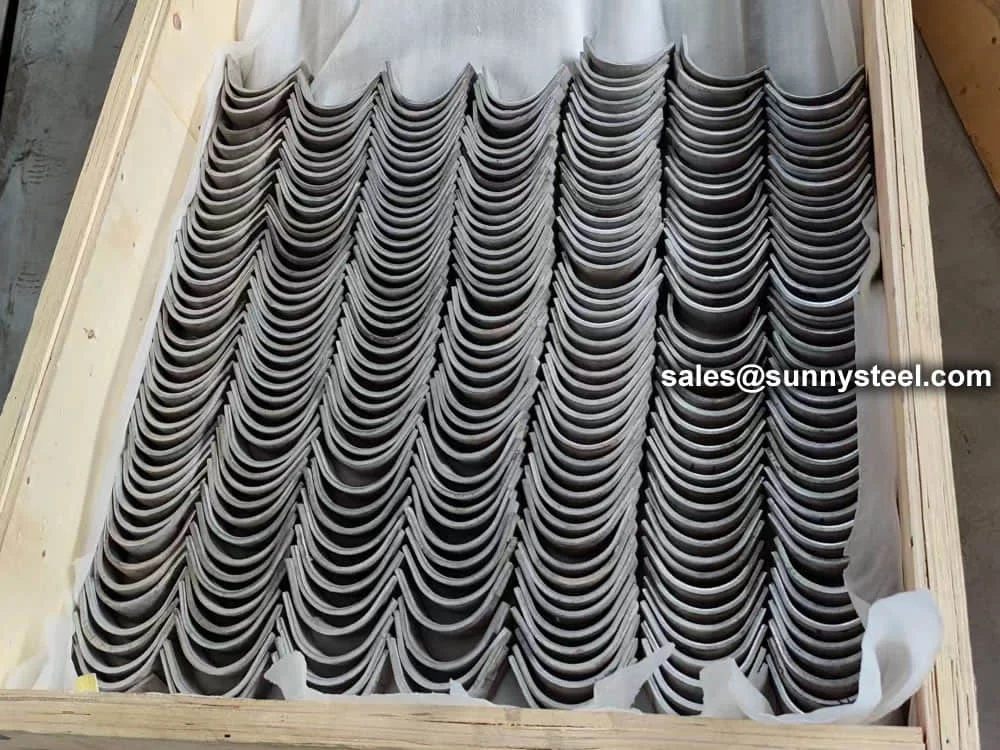
304 stainless snap rings provide cost-effective and corrosion-resistant fastening for boiler tube erosion shields, offering secure grip and long-term protection in industrial systems.
Corrosion-resistant Clips
304 stainless snap rings provide cost-effective and corrosion-resistant fastening for boiler tube erosion shields, offering secure grip and long-term protection in industrial systems.
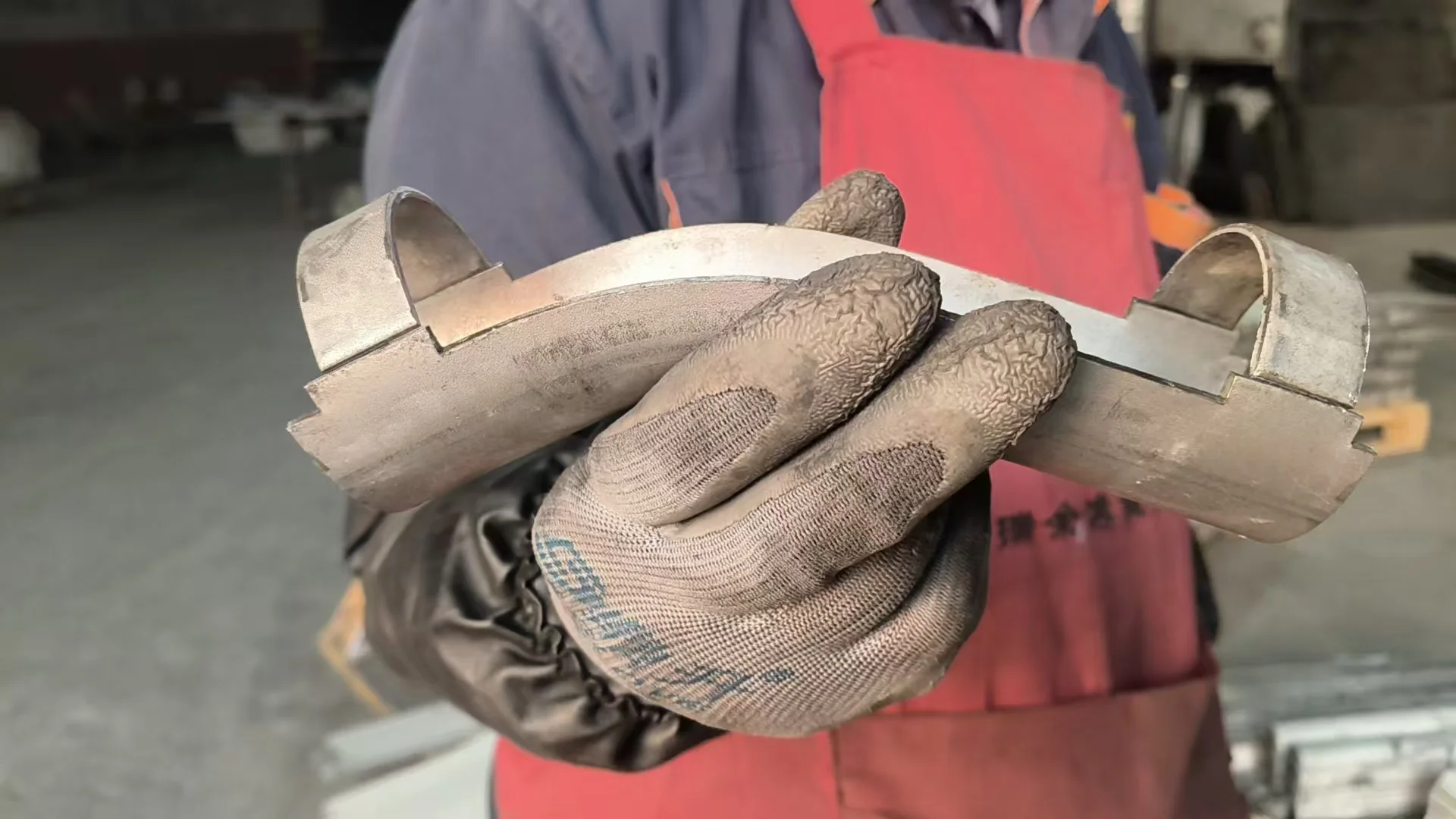
304 Stainless Snap Rings are fastening components used to secure erosion shields and wear sleeves on boiler tubes, heat exchangers, and industrial pipe systems. Manufactured from austenitic stainless steel grade 304, these snap rings offer good corrosion resistance, formability, and weldability, making them ideal for applications in moderately aggressive environments.
While not as heat-resistant as 310S or 316L, 304 stainless steel remains one of the most widely used alloys for its cost-efficiency and dependable mechanical properties. These snap rings typically wrap around 190°–200° of the erosion shield and tube surface, ensuring firm attachment and protection against movement or loosening under operational conditions.
They are suitable for environments involving steam, combustion gases, or light particulate erosion, especially in economizers, air preheaters, and lower-temperature boiler sections. 304 stainless snap rings can be installed quickly using clipping or spot welding, making them a practical solution for boiler maintenance and tube protection.
There are hundreds of different grades of stainless steel on the market. Each formulation offers enhanced corrosion resistance over plain carbon steel. Grade 304, 304L, and 304H are chemically similar but vary in carbon content, impacting their strength and weldability.
The similarity in naming can lead to confusion, especially between 304 and 304L. Understanding their composition and application is key.
| Element | Grade | ||
|---|---|---|---|
| 304 | 304L | 304H | |
| Carbon (C) | 0.08 | 0.030 | 0.04 – 0.10 |
| Manganese (Mn) | 2.00 | 2.00 | 2.00 |
| Phosphorus (P) | 0.045 | 0.045 | 0.045 |
| Sulfur (S) | 0.030 | 0.030 | 0.030 |
| Silicon (Si) | 0.75 | 0.75 | 0.75 |
| Chromium (Cr) | 18.00 – 20.00 | 18.00 – 20.00 | 18.00 – 20.00 |
| Nickel (Ni) | 8.00 – 10.50 | 8.00 – 12.00 | 8.00 – 10.50 |
| Nitrogen (N) | 0.10 | 0.10 | 0.10 |
| Grade | Tensile Strength (N/mm²) | Yield Strength (0.2%, N/mm²) | Elongation (%) |
|---|---|---|---|
| 304 Annealed | 500–700 | 195 | 40 |
| 304L Annealed | 460–680 | 180 | 40 |
| Property | Metric | Imperial |
|---|---|---|
| Density | 8 g/cm³ | 0.289 lb/in³ |
| Property | Metric | Imperial | Notes |
|---|---|---|---|
| Hardness, Brinell | 123 | 123 | Converted from Rockwell B |
| Hardness, Knoop | 138 | 138 | Converted from Rockwell B |
| Hardness, Rockwell B | 70 | 70 | |
| Hardness, Vickers | 129 | 129 | Converted from Rockwell B |
| Tensile Strength, Ultimate | 505 MPa | 73,200 psi | |
| Tensile Strength, Yield | 215 MPa | 31,200 psi | 0.2% offset |
| Elongation at Break | 70% | 70% | in 50 mm |
| Modulus of Elasticity | 193 – 200 GPa | 28,000 – 29,000 ksi | |
| Poisson’s Ratio | 0.29 | 0.29 | |
| Charpy Impact | 325 J | 240 ft-lb | |
| Shear Modulus | 86 GPa | 12,500 ksi |
| Property | Value (Metric) | Value (Imperial) | Condition |
|---|---|---|---|
| Electrical Resistivity | 7.2 × 10⁻⁵ Ω·cm | 7.2 × 10⁻⁵ Ω·cm | At 20°C; increases at 650°C |
| Magnetic Permeability | 1.008 | 1.008 | At room temperature |
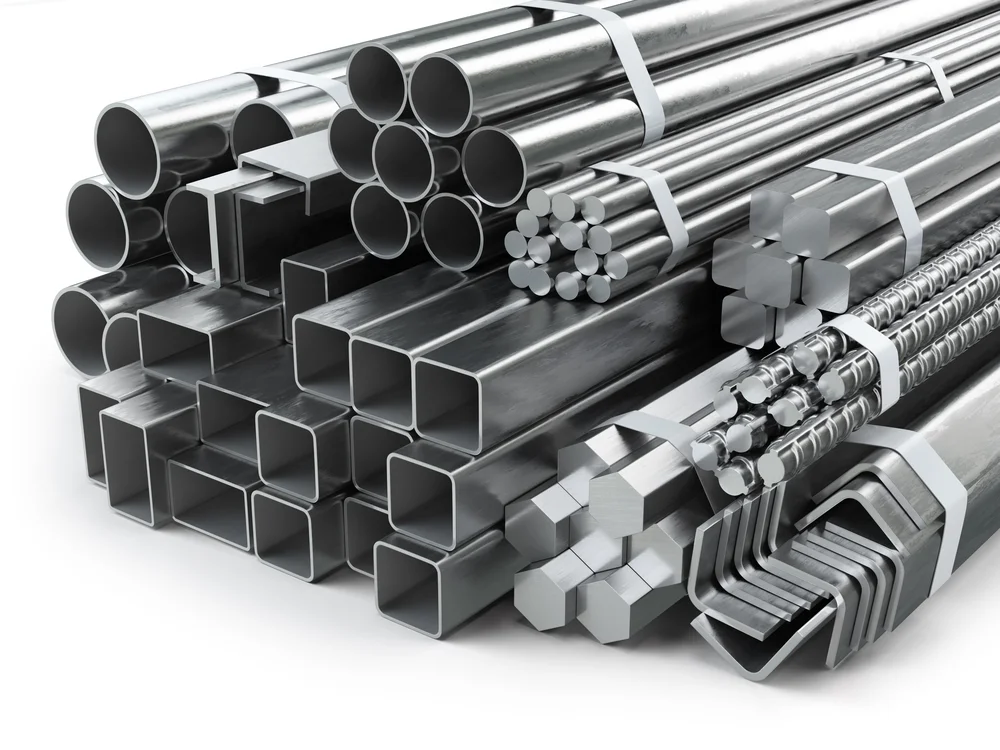
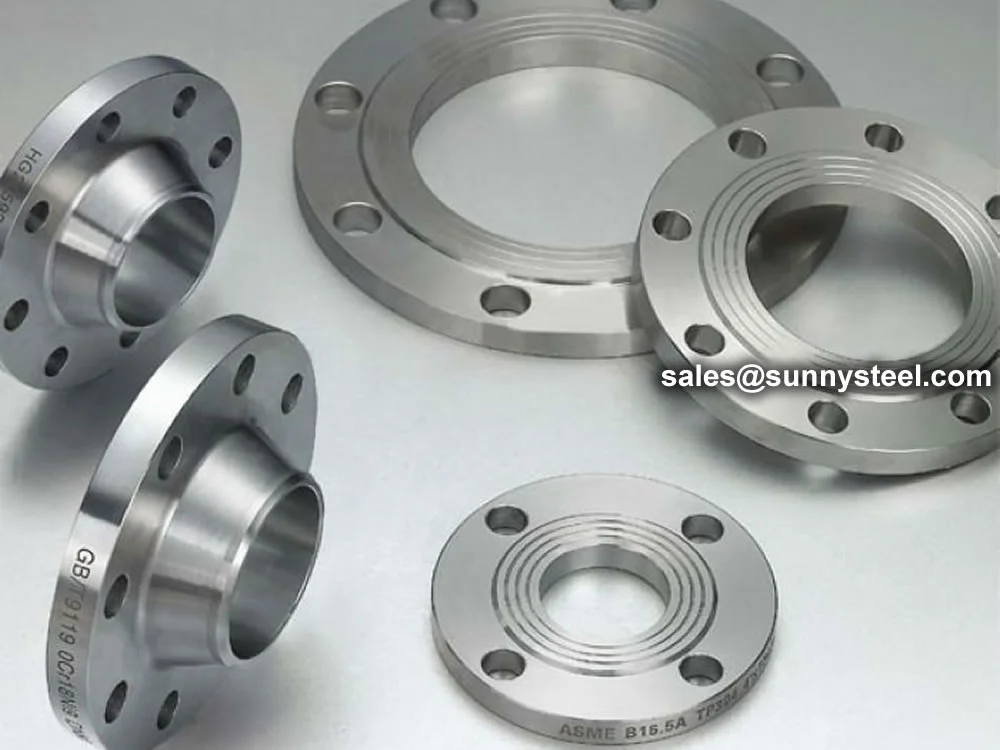
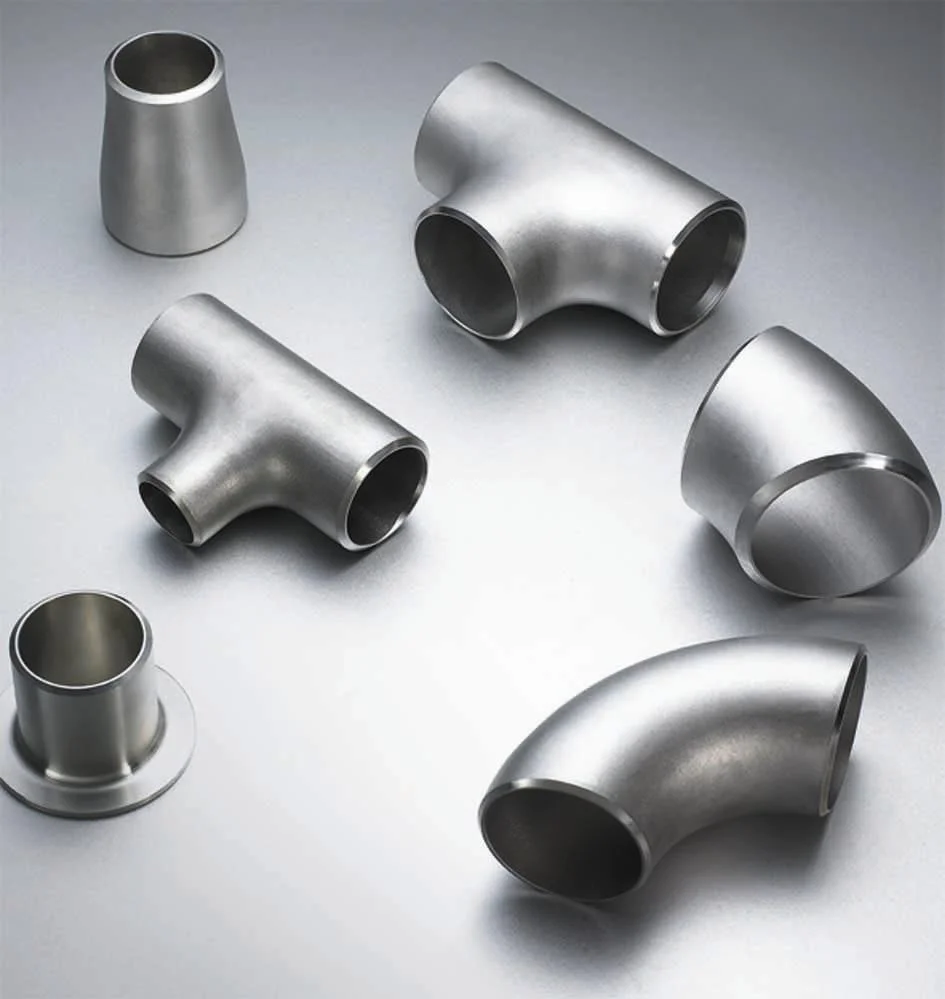
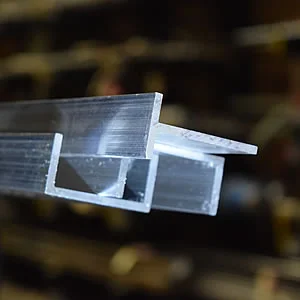
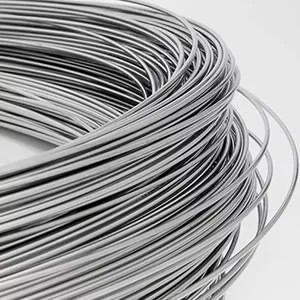
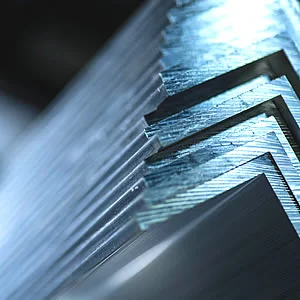
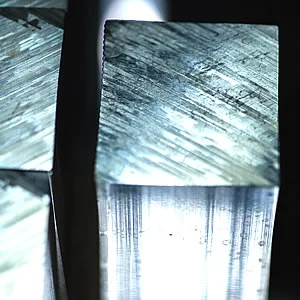
We stock stainless steels in a multitude of shapes and sizes.
We support our stainless steel stock with a wide range of shapes and sizes to suit your engineering applications. We hold thirteen different types of shapes to support the grades of material we stock, including bars, sheets and plates.
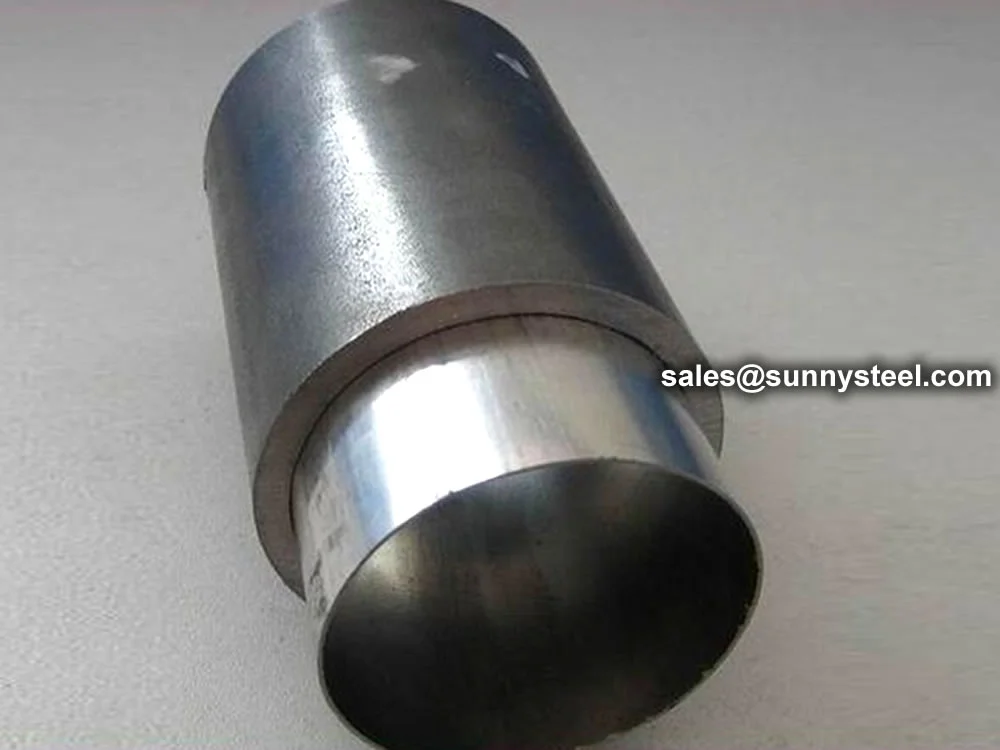
Stainless Carbon Steel Composite Pipe
Material-Specific Erosion Shields



Boiler tube erosion shields are typically attached using the following methods:
Yes,
we provide custom straight boiler tube shields based on customer requirements.
These can be tailored in shape, size, and material to suit specific boiler configurations.
Install Erosion Shields with Snap Ring
Proper installation of boiler tube erosion shields is essential for preventing wear, prolonging service life, and avoiding critical failures like boiler explosions.
Erosion shields are installed primarily to protect the heating surfaces of boiler tubes from high-velocity flue gases and abrasive particles. They reduce wear and enhance heat transfer efficiency in high-stress environments such as CFB boilers and waste heat recovery units.
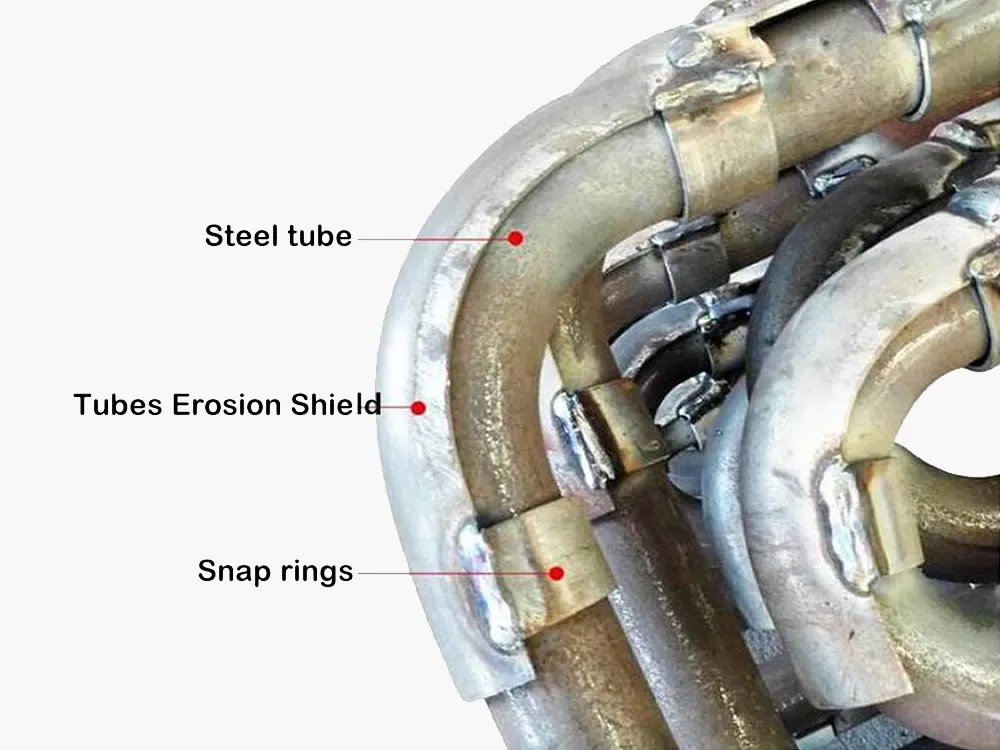
A snap ring is used to affix the erosion shield securely to the tube surface. It typically overlaps the shield slightly—usually with a 190°–200° arc—allowing it to clamp firmly while leaving space for welding. The ring width must be no less than 20mm for adequate support.
Each erosion shield requires 2–4 snap rings spaced at 200–500mm intervals. The rings and shield must be fully spot welded to prevent displacement from thermal expansion and vibrations during operation.
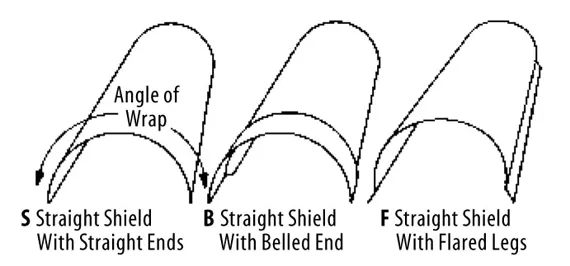
The installation procedure varies slightly for different shapes—straight, curved, or S-type. All joints must be secure, sealed, and aligned to ensure continuous protection without gaps.
Boiler tubes erosion shields protect critical boiler components from wear and corrosion, ensuring durability and efficiency across multiple industries.
Protects boiler tubes in coal-fired, natural gas, biomass, and waste-to-energy plants from abrasive flue gases and high temperatures.
Shields tubes in petrochemical, pulp and paper, food processing, and manufacturing boilers, reducing wear and maintenance costs.
Provides corrosion-resistant protection for marine boiler systems and offshore platform boilers in harsh, corrosive environments.
Enhances tube durability in gas turbine exhausts and industrial process systems, improving energy efficiency and longevity.
Reduces downtime with easy-to-install shields for straight, bent, and finned tubes, ensuring long-term boiler reliability.
Custom shields for unique boiler configurations, protecting against abrasive particles and high-pressure conditions.
| Industry | Application |
|---|---|
| Coal-Fired Power Plants | Protects superheaters, reheaters, and economizers from abrasive ash and flue gas erosion. |
| Natural Gas Combined Cycle | Shields tubes in high-pressure boilers from wear caused by high-velocity gas flows. |
| Biomass Power Stations | Reduces tube wear in boilers handling abrasive biomass materials like wood chips. |
| Waste-to-Energy Plants | Protects tubes from corrosion and erosion in incineration and waste processing systems. |
| Petrochemical Facilities | Ensures durability of boiler tubes in high-temperature, corrosive chemical environments. |
| Pulp and Paper Mills | Shields boiler tubes from wear in steam generation systems for paper production. |
| Food Processing Plants | Protects steam boiler tubes from wear and corrosion in hygienic processing environments. |
| Marine Boiler Systems | Provides corrosion-resistant protection for tubes in harsh marine environments. |
| Offshore Platform Boilers | Ensures tube longevity in remote, corrosive offshore conditions with minimal maintenance. |
| Heat Recovery Steam Generators | Enhances tube life in systems recovering heat from gas turbine exhausts. |
| Industrial Process Exhausts | Protects tubes in waste heat recovery systems handling variable, abrasive exhausts. |
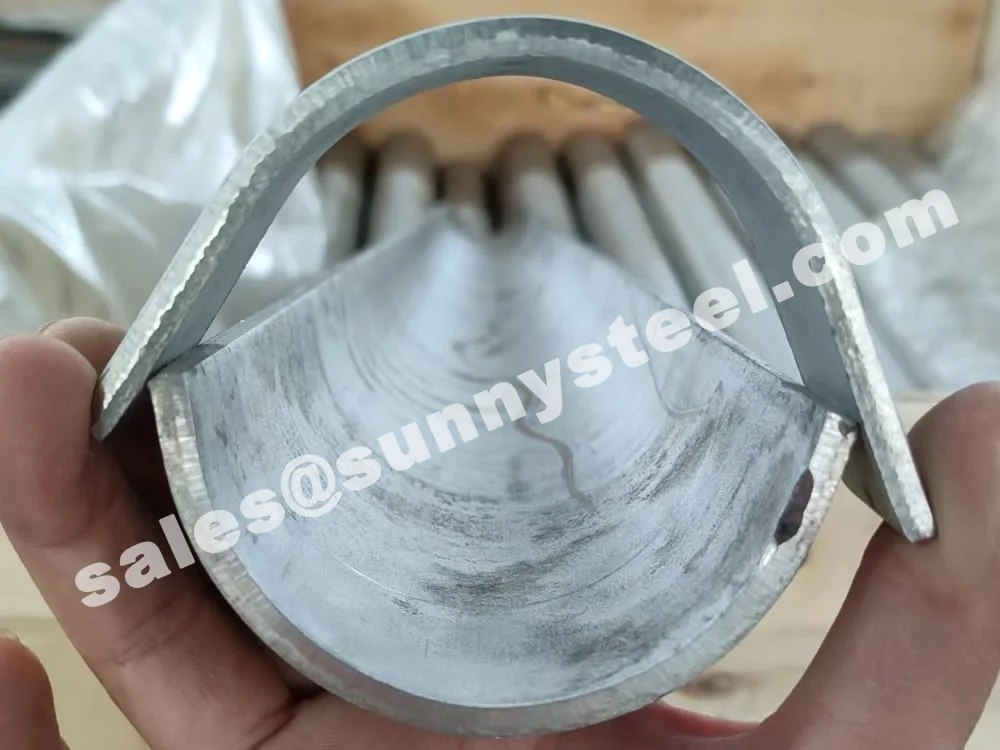
U-Shaped Snap Ring for Boiler Tube Shields
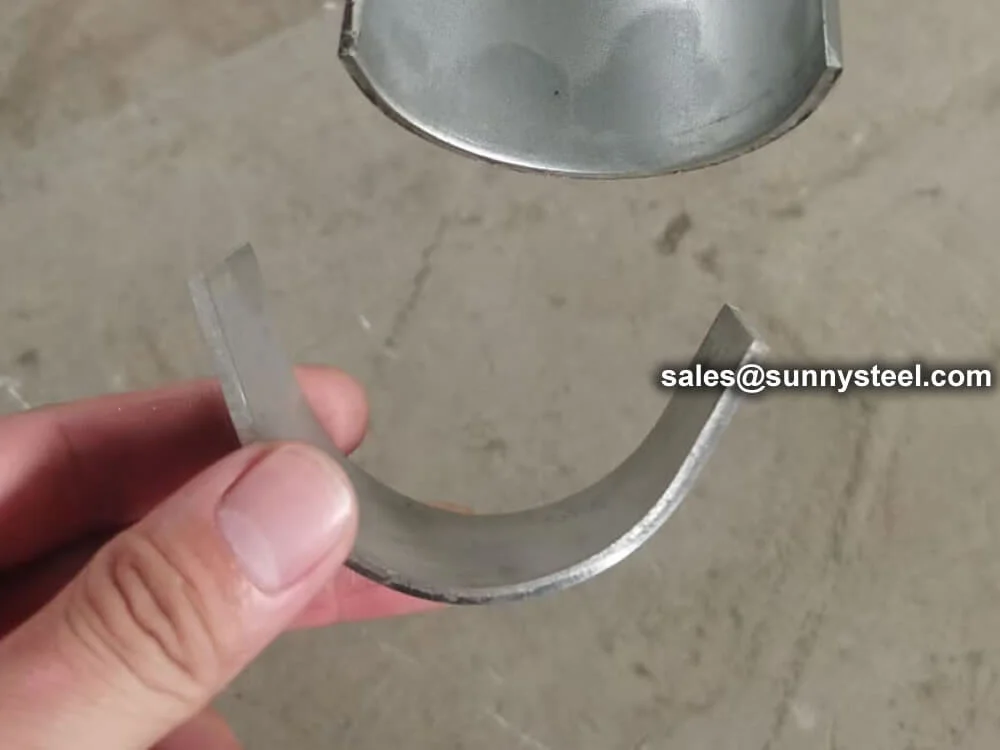
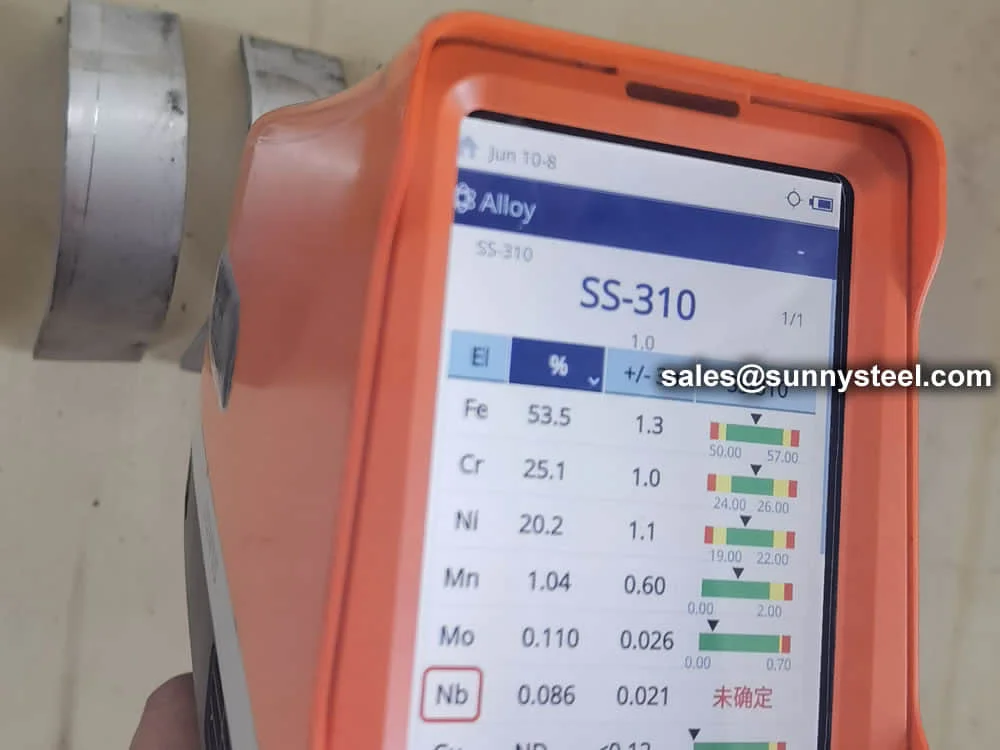
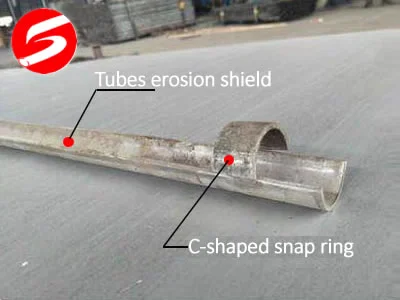
C-Shaped Snap Ring for Boiler Tube Shields
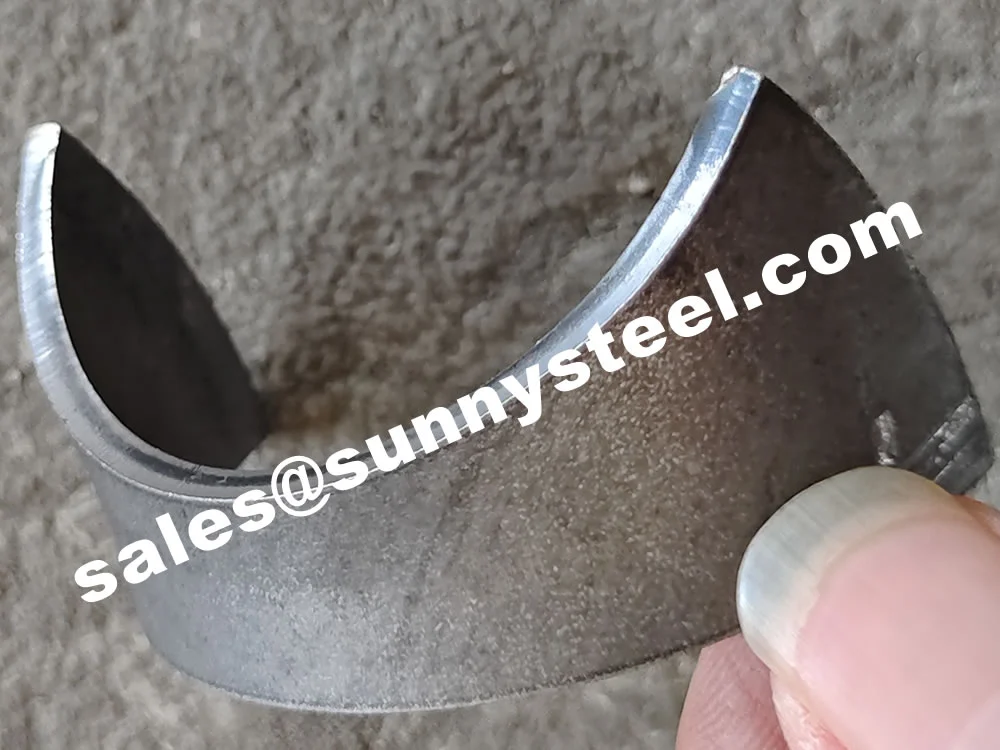
Custom Clips for Industrial Pipe Protection
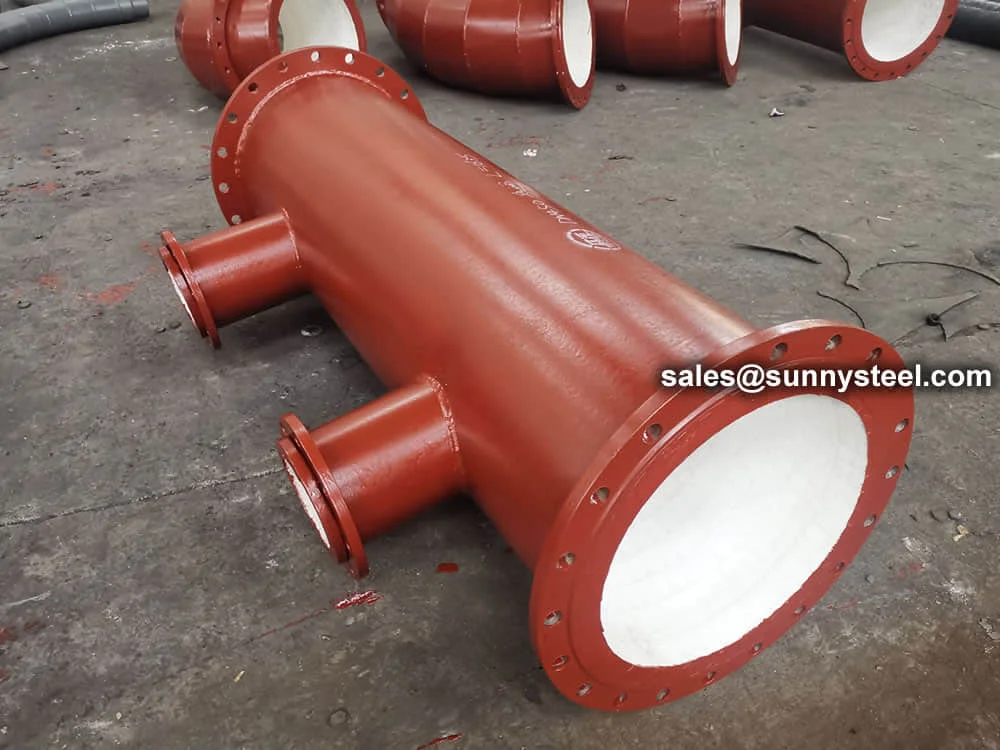
Customized Alumina Ceramic Lined Project
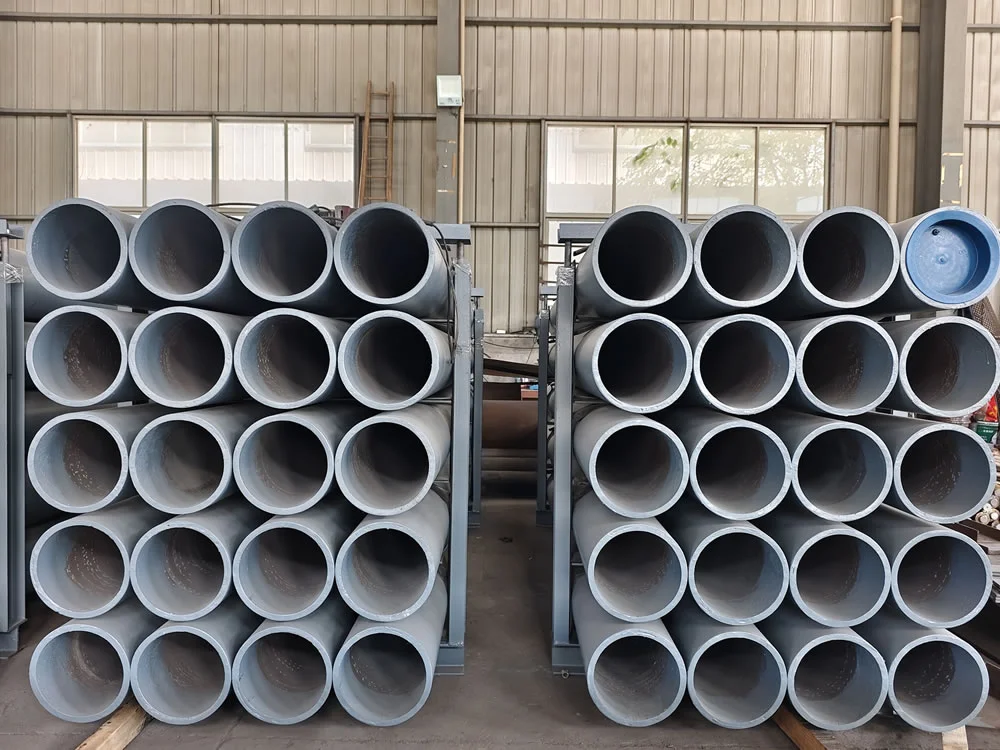
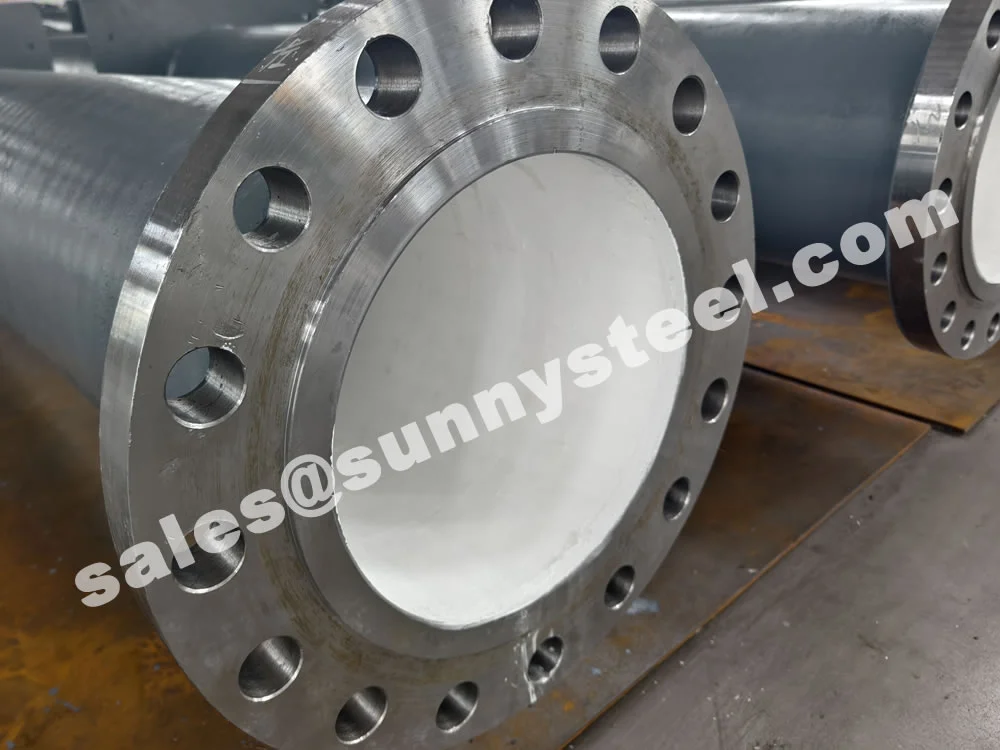
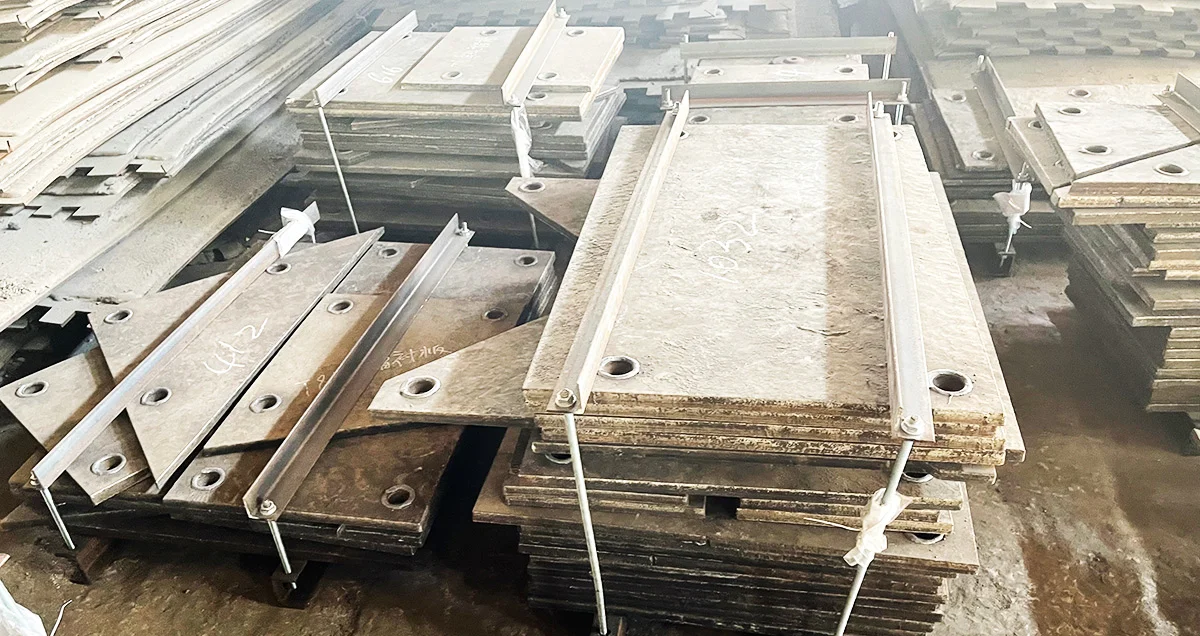
Wear-Resistant Hardfacing Liner Plate