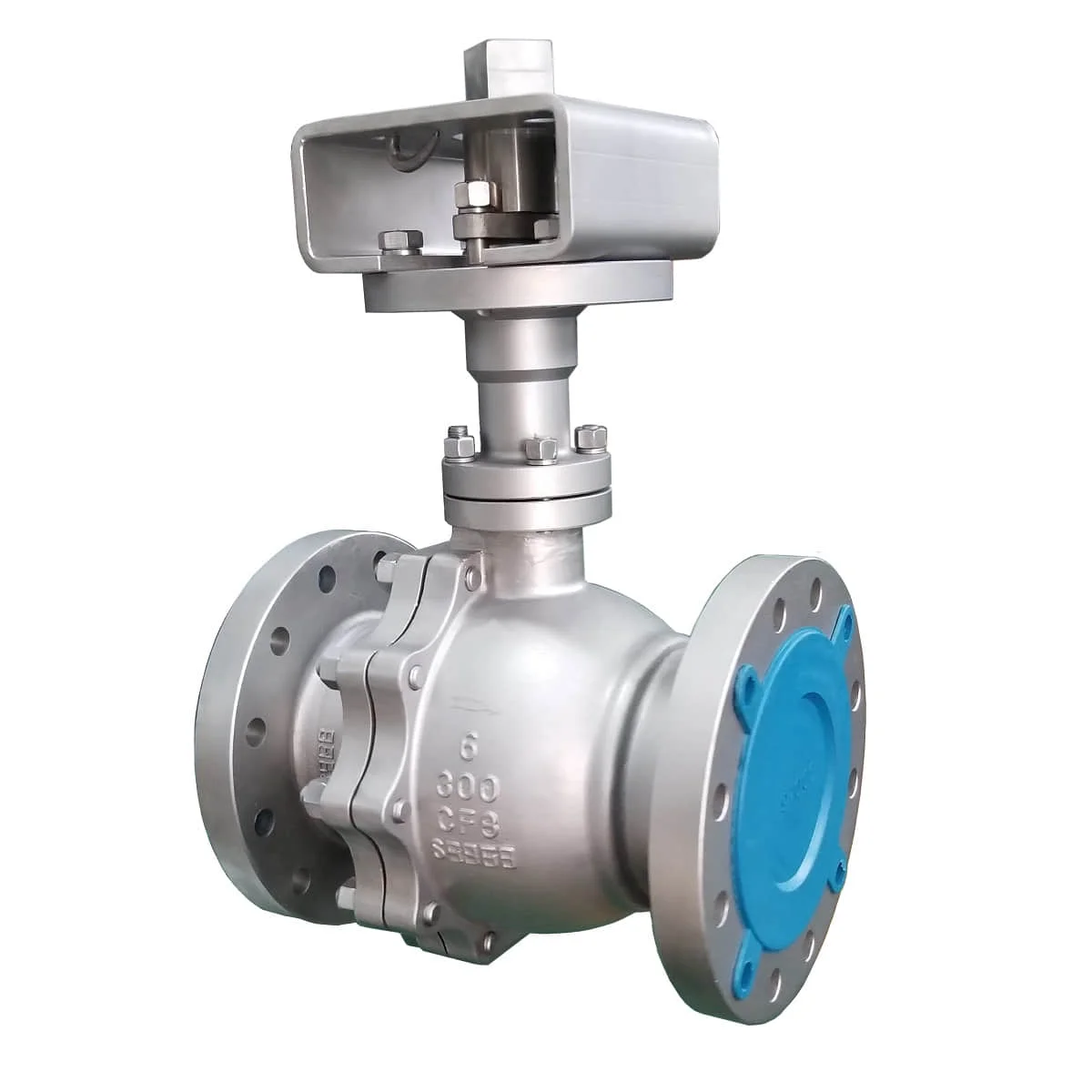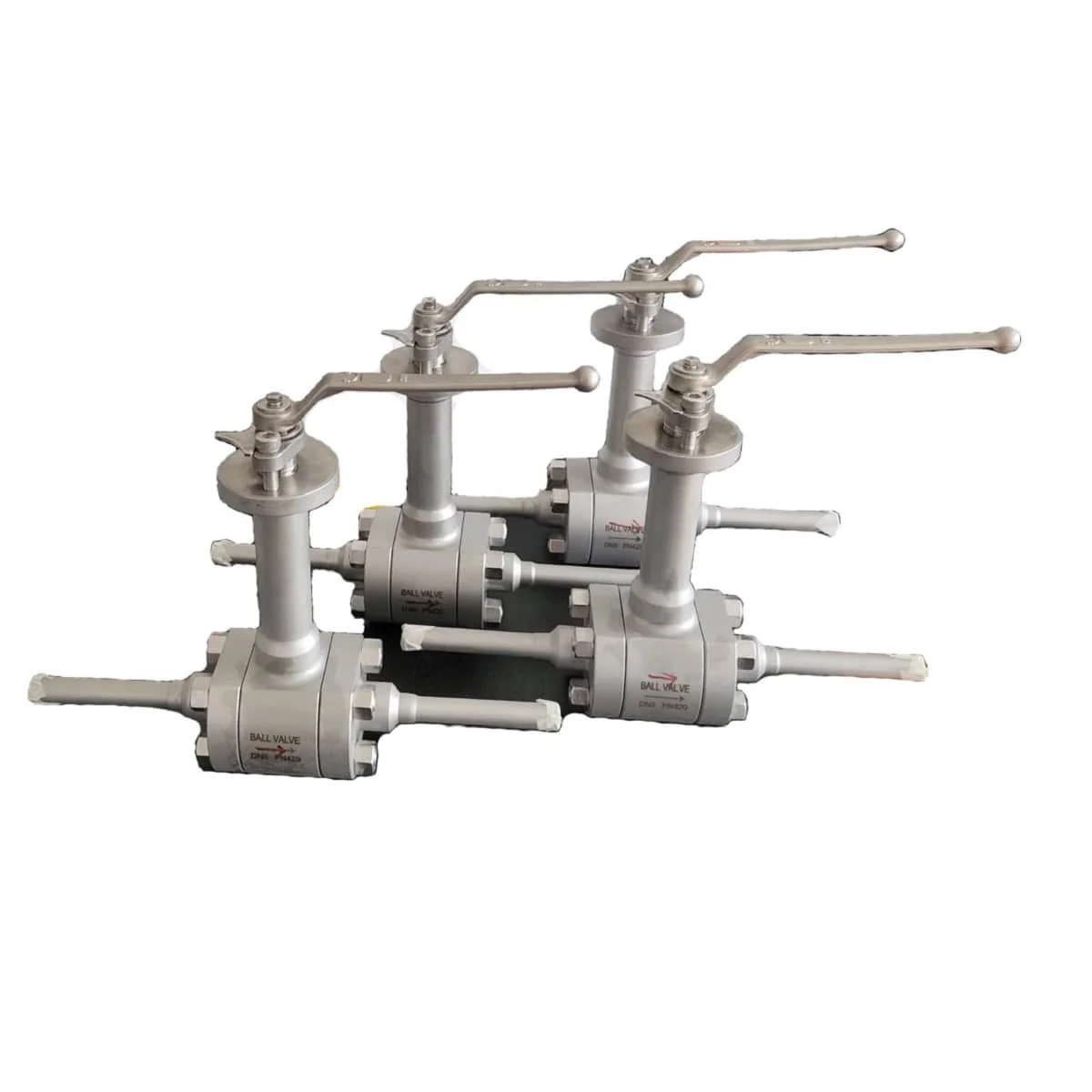
The cng lng cryogenic ball valve ensures reliable shutoff and flow control in extreme low-temperature lng and cng systems, featuring corrosion-resistant stainless steel and extended bonnets for durability up to -196°c and pn40 pressure ratings.
The cng lng cryogenic ball valve ensures reliable shutoff and flow control in extreme low-temperature lng and cng systems, featuring corrosion-resistant stainless steel and extended bonnets for durability up to -196°c and pn40 pressure ratings.
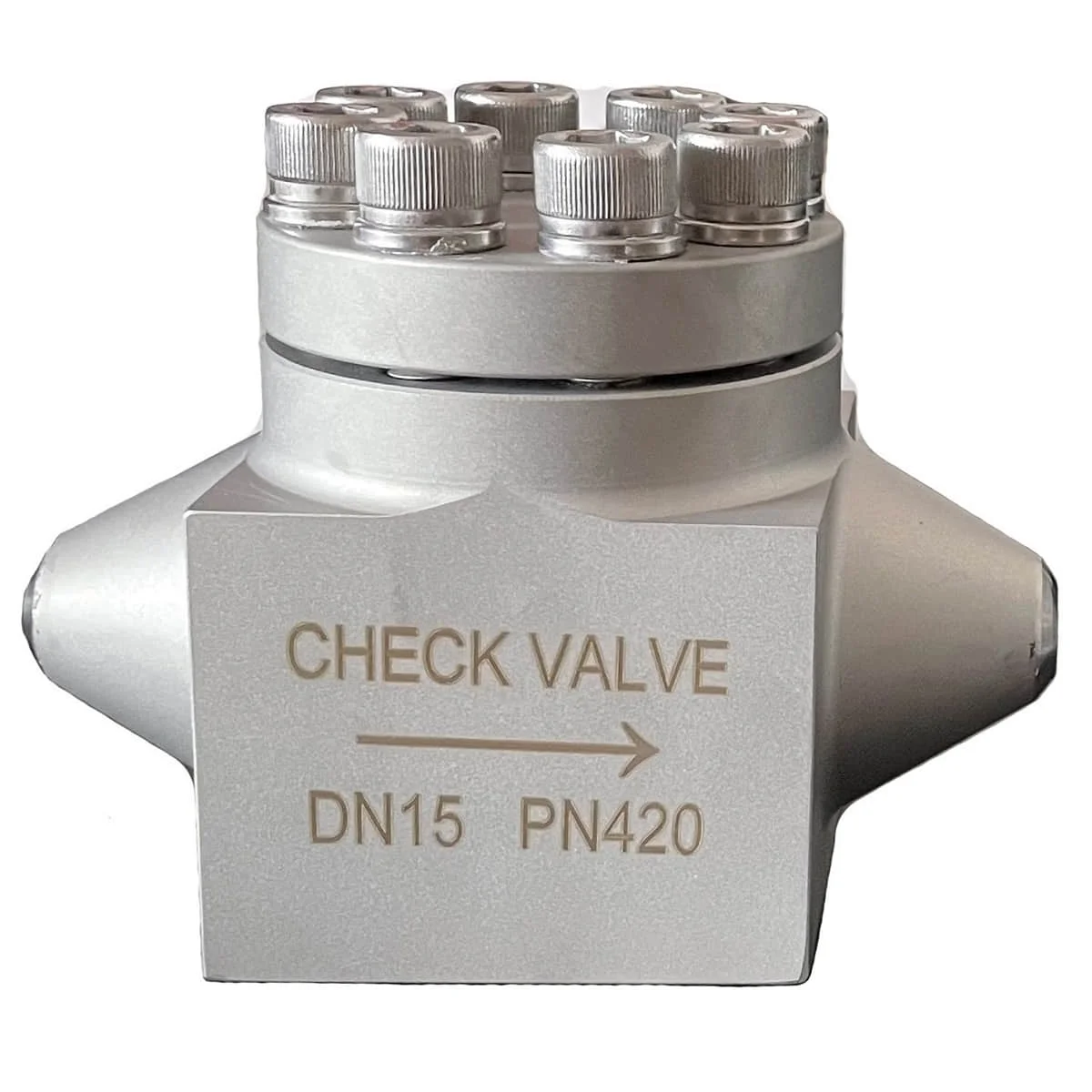
Detailed specifications for DN8 and DN20 cryogenic plug valves designed for ultra-low temperature service.
| Specification | DN8 | DN20 |
|---|---|---|
| Size | DN8 | DN20 |
| Rating | PN420 | |
| End Connection | BW as per B16.25 | |
| Temperature | -196 ℃ | |
| Body & Bonnet | ASTM A182 F304 | |
| Plug | ASTM A182 F304 + HF | |
| Seat | PCTFE or HF Metal | |
| Actuation | Manual or Pneumatic | |
The CNG LNG Cryogenic Ball Valve is a precision-engineered valve designed for extreme low-temperature applications, providing reliable shutoff and flow control in liquefied natural gas (LNG) and compressed natural gas (CNG) systems. Built to operate from -196°C to +80°C, this cryogenic ball valve features an extended bonnet and impact-tested materials to prevent stem freeze-up and material embrittlement, ensuring safe operation in harsh cryogenic environments. Constructed from austenitic stainless steels like ASTM A182 F316L or F304L, with optional Inconel trim, it delivers exceptional corrosion resistance against moisture-induced pitting and thermal stresses, making it ideal for LNG terminals, CNG fueling stations, and industrial gas processing.
Compliant with BS 6364 for cryogenic service and API 608 for ball valve design, the LNG ball valve is available in full-port or reduced-port configurations, with sizes from 1/2" to 24" (DN15 to DN600) and end connections including flanged (ASME B16.5), butt-weld (B16.25), or threaded (NPT). It supports pressure ratings up to PN40 (ANSI Class 150-600) and full vacuum capability, with extended bonnets (250-500mm) to isolate packing from cryogenic temperatures, preventing ice formation and leaks. The valve undergoes rigorous cryogenic testing at -196°C using liquid nitrogen, with helium leak detection ensuring Class VI bubble-tight shutoff. Certifications like API 6D, NACE MR0175 for sour service, and fire-safe API 607 validate its performance in industrial cryogenic valve applications, from LNG carriers to air separation plants.
The CNG ball valve features a floating or trunnion-mounted ball with spring-loaded seats (PTFE or PEEK) for low-torque operation, reducing actuator requirements in automated systems. Its corrosion resistance is enhanced by surface treatments like electropolishing or passivation, resisting oxidation in humid cryogenic conditions, while impact-tested materials (Charpy V-notch >27J at -196°C) prevent brittle fracture. The valve achieves tensile strengths above 515 MPa and yield strengths of 205 MPa, ensuring durability under thermal cycling and pressure surges up to 40 bar. Nondestructive testing (RT, UT, PT) per ASME Section V confirms defect-free construction, with low-emission packing (Grafoil or cryogenic-grade PTFE) meeting TA-Luft and EPA standards for fugitive emissions.
Compared to gate or globe valves, the low temperature ball valve offers a compact design (up to 50% lighter) and quarter-turn operation for rapid shutoff, ideal for emergency isolation in LNG transfer lines or CNG compression systems. Its streamlined two- or three-piece body minimizes leak paths, enhancing safety in flammable gas environments, while optional double-block-and-bleed configurations ensure zero leakage during maintenance. Customizable actuators (pneumatic or electric) with position feedback enable integration with SCADA systems, supporting real-time monitoring in cryogenic processes. The valve’s ability to handle multiphase flows without seat damage extends service life by 3-5 times compared to standard valves, reducing operational costs in industrial cryogenic valve setups.
Addressing challenges like thermal contraction, fugitive emissions, and material brittleness in low temperature ball valve applications, this CNG ball valve incorporates bellows seals and secondary metal-to-metal backups for enhanced integrity. Its compatibility with global standards like MSS SP-134 and EN 12516 ensures applicability in diverse systems, from offshore FPSOs to biomedical cryostorage. Whether isolating LNG loading arms or regulating nitrogen flows in superconductors, the CNG LNG Cryogenic Ball Valve delivers cost-effective, high-reliability performance, safety, and durability for extreme low-temperature industrial operations.
Engineered for reliable shutoff in cryogenic LNG and CNG systems with corrosion-resistant materials.
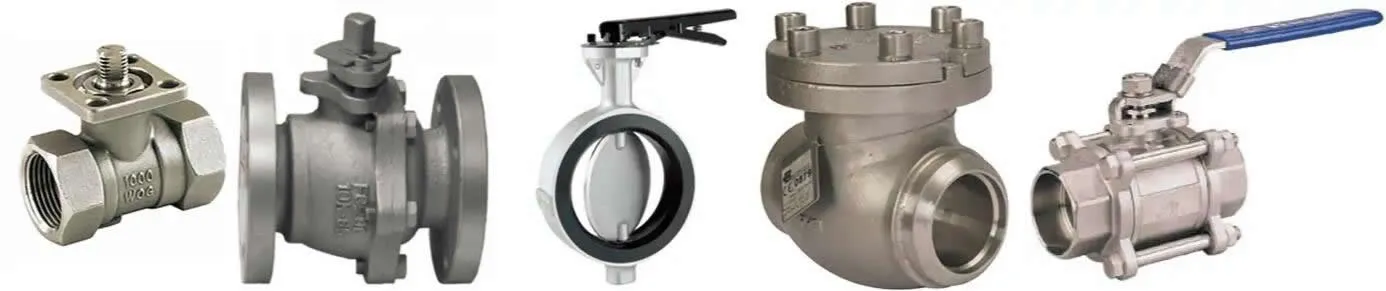
Cryogenic valves are designed to handle extremely low temperatures and prevent leakage of sensitive cryogenic fluids. While various types exist, all share a basic feature: a tight shut-off to ensure safety and efficiency.
Triple-offset butterfly valves are ideal for cryogenic service due to their non-friction, metal-to-metal seal that ensures bubble-tight shut-off. They provide fast opening/closing and are well-suited for remote operation. Example: Durco TX3 with excellent shutoff, low torque, and reduced wear.
Featuring a spherical body and a disc that rotates 90° to the seat plane, these valves provide long-term sealing. However, they are not suitable for high flow rates due to erosion risks. A full Stellite trim is recommended to reduce wear since cryogenic fluids lack lubricity.
Widely used in liquid gas applications, double-seal ball valves (e.g., L&T, AMPO Poyam) provide excellent flow characteristics and a tight seal. Their design incorporates a vapor space that keeps gland packing near ambient temperature, reducing thermal conductivity. Best for unrestricted flow paths, though seals and the ball may wear over time.
Equipped with a wedge-shaped gate, these valves ensure minimal pressure drop when fully open, making them desirable for large-size applications. Brands like Poyam, L&T, and NEWCO Douglas-Chero are commonly used. However, gate valves are more difficult to actuate compared to butterfly valves and are prone to wear under frequent operation. An advantage: metal-to-metal sealing avoids cold flow issues seen in Teflon-sealed ball valves.

Comprehensive list of key international valve standards from major organizations, updated as of 2025.
| Organization | Standard | Description |
|---|---|---|
| ANSI | American National Standards Institute | General industrial standards |
| API | American Petroleum Institute | Standards for oil and gas industry |
| ASME | American Society of Mechanical Engineers | Boiler and pressure vessel codes |
| BS | British Standards | UK national standards |
| GB, JB, HG | China Valve Standards | Chinese national and industry standards |
| FCI | Fluid Control Institute | Standards for fluid control and conditioning equipment |
American National Standards Institute
| Code | ANSI Standard Name |
|---|---|
| ANSI A126 | Grey Iron Castings for Valves, Flanges, and Pipe Fittings |
| ANSI A181 | Forged or Rolled Steel Pipe Flanges, Forged Fittings, and Valves and Parts for General Service |
| ANSI B16.10 | Face-to-Face and End-to-End Dimensions of Valves |
| ANSI B16.34 | Valves - Flanged, Threaded, and Welding End |
| ANSI B16.5 | Pipe Flanges and Flanged Fittings |
| ANSI/FCI 70-2 | Control Valve Seat Leakage |
| ANSI B127.1 | Constant-Level Oilers |
American Petroleum Institute
| Code | API Standard Name |
|---|---|
| API 526 | Flanged Steel Pressure-Relief Valves |
| API 527 | Seat Tightness of Pressure Relief Valves |
| API 594 | Check Valves: Flanged, Lug, Bolted Bonnet |
| API 595 | Cast Iron Gate Valves - Flanged Bonnet |
| API 597 | Steel Venturi Gate Valves - Flanged and Welding Ends |
| API 598 | Valve Inspection and Testing |
| API 599 | Steel and Ductile Iron Plug Valves |
| API 600 | Bolted Bonnet Steel Gate Valves for Refinery Service |
| API 602 | Compact Steel Gate Valves - Flanged, Threaded, and Welding Ends |
| API 603 | Corrosion-Resistant Gate Valves - Flanged Ends |
| API 604 | Ductile Iron Gate Valves - Flanged Ends |
| API 607 | Fire Test for Quarter-Turn Valves |
| API 608 | Metal Ball Valves - Flanged, Threaded, and Welding Ends |
| API 609 | Butterfly Valves: Double Flanged, Lug- and Wafer-Type |
| API 6D | Pipeline and Piping Valves |
| API 6FA | Fire Test for Valves |
| API RP 574 | Inspection Practices for Piping System Components |
| API RP 576 | Inspection of Pressure-Relieving Devices |
American Society of Mechanical Engineers
| Code | ASME Standard Name |
|---|---|
| ASME A105/A105M | Carbon Steel Forgings for Piping Applications |
| ASME A181/A181M | Carbon Steel Forgings, for General-Purpose Pipes |
| ASME A182/A182M | Forged or Rolled Alloy and Stainless Steel Pipe Flanges, Forged Fittings, and Valves and Parts for High-Temperature Service |
| ASME A350/A350M | Carbon and Low-Alloy Steel Forgings for Low-Temperature Service |
| ASME A694/A694M | Carbon and Alloy Steel Forgings for Pipe Flanges, Fittings, Valves, and Parts for High-Pressure Transmission Service |
| ASME B16.5 | Pipe Flanges and Flanged Fittings: NPS 1/2 Through NPS 24 Metric/Inch Standard |
| ASME B16.10 | Face-to-Face and End-to-End Dimensions of Valves |
| ASME B16.11 | Forged Fittings, Socket-Welding and Threaded |
| ASME B16.34 | Valves - Flanged, Threaded, and Welding End |
| ASME B31.1 | Power Piping |
| ASME B31.3 | Process Piping |
| ASME F1508 | Standard Specification for Angle Style, Pressure Relief Valves for Steam, Gas, and Liquid Services |
| ASME F1565 | Pressure-Reducing Valves for Steam Service |
British Standards Institution
| Code | British Standard Name |
|---|---|
| BS 1212 | Float Operated Valves - Automatic Valves (Including Float Valves) for Tanks, Cisterns, Hot-Water Cylinders and Feed Cisterns |
| BS 1414 | Specification for Steel Wedge Gate Valves (Flanged and Butt-Welding Ends) for the Petroleum, Petrochemical and Allied Industries |
| BS 1552 | Specification for Control Plug Cocks for Low Pressure Gases |
| BS 1868 | Specification for Steel Check Valves (Flanged and Butt-Welding Ends) for the Petroleum, Petrochemical and Allied Industries |
| BS 1873 | Specification for Steel Globe and Globe Stop and Check Valves (Flanged and Butt-Welding Ends) for the Petroleum, Petrochemical and Allied Industries |
| BS 1952 | Specification for Copper Alloy Gate Valves for General Purposes |
| BS 2080 | Specification for Face-to-Face, Centre-to-Face, End-to-End and Centre-to-End Dimensions for Flanged and Butt-Welding End Steel Valves for the Petroleum, Petrochemical and Allied Industries |
| BS 2995 | Specification for Cast and Forged Steel Wedge Gate, Globe, Check and Plug Valves Screwed and Socket-Welding Sizes 1/2 in and Smaller for the Petroleum Industry |
| BS 3464 | Specification for Cast Iron Gate Valves for General Purposes |
| BS 5150 | Specification for Cast Iron Wedge and Double Disk Gate Valves for General Purposes |
| BS 5151 | Specification for Cast Iron Gate (Parallel Slide) Valves for General Purposes |
| BS 5152 | Specification for Cast Iron Globe and Globe Stop and Check Valves for General Purposes |
| BS 5153 | Specification for Cast Iron Check Valves for General Purposes |
| BS 5154 | Specification for Copper Alloy Globe, Globe Stop and Check, Check and Gate Valves for General Purposes |
| BS 5155 | Specification for Butterfly Valves for General Purposes |
| BS 5156 | Specification for Screw-Down Diaphragm Valves for General Purposes |
| BS 5157 | Specification for Steel Gate (Parallel Slide) Valves for General Purposes |
| BS 5159 | Specification for Cast Iron and Carbon Steel Ball Valves for General Purposes |
| BS 5160 | Specification for Steel Globe Valves, Globe Stop Valves, Stop and Check Valves and Lift Type Check Valves |
| BS 5351 | Specification for Steel Ball Valves for Petroleum, Petrochemical and Allied Industries |
| BS EN 12266-1 | Industrial Valves - Testing of Metallic Valves Part 1: Pressure Tests - Test Procedures |
China National Standards
| Code | GB Standard Name | Adopting Standard |
|---|---|---|
| GB 12220 | General Valve - Marking | ISO 5209 |
| GB 12221 | Flanged Ends Metal Valve - Face-to-Face Dimensions | ISO 5752 |
| GB 12222 | Multi-Turn Valve - The Connection of the Driving Device | ISO 5210/1-3 |
| GB 12223 | Part-Turn Valve - The Connection of the Driving Device | ISO 5211/1-3 |
| GB 12224 | Steel Valve - General Requirements | ANSI B16.34 |
| GB 12225 | General Valve - Copper Alloy Casting Ware Technology Requirements | ASTM B584 |
| GB 12226 | General Valve - Gray Cast Iron Technology Requirements | ISO 185, BS 1452 |
| GB 12228 | General Valve - Carbon Forging Steel Technology Requirements | ASTM A105, A181 |
| GB 12229 | General Valve - Carbon Casting Steel Technology Requirements | ASTM A703 |
| GB 12230 | General Valve - Austenitic Casting Steel Technology Requirements | ASTM A351 |
| GB 12232 | General Valve - Flanged Ends Iron Gate Valve | ISO 5996-1982, API 595 |
| GB 12233 | General Valve - Iron Gate Valve and Lift Check Valve | BS 5152, 5153 |
| GB 12234 | General Valve - Flanged and Butt-Welding Ends Copper Gate Valve | API 600 |
| GB 12237 | General Valve - Flanged and Butt-Welding Ends Steel Ball Valve | ISO 7121, API 607 |
| GB 12238 | General Valve - Flanged and Wafer Ends Butterfly Valve | BS 5155 |
| GB 12239 | General Valve - Diaphragm Valve | BS 5156, NFE 29 |
| GB 12240 | General Valve - Iron Plug Valve | API 593 |
| GB 12241 | Safety Valve - General Requirements | ISO 4126 |
| GB 12242 | Safety Valve - Characteristic Testing Solution | ANSI/ASME PTC 25.3 |
| GB 12243 | Direct Spring-Loaded Safety Valve | JIS B 8210 |
| GB 12244 | Pressure Reducing Valve - General Requirements | JIS B 8372, B8410 |
| GB 12245 | Pressure Reducing Valve - Characteristic Testing Solution | JIS B 8372, B8410 |
| GB 12246 | Pilot Operated Pressure Reducing Valve | JIS B 8372, DSS 405 |
| GB 12247 | Steam Trap Valve - Classification | ISO 6704 |
| GB 12248 | Steam Trap Valve - Technology Terms | ISO 6552 |
| GB 12249 | Steam Trap Valve - Marking | ISO 6553 |
| GB 12250 | Steam Trap Valve - Face-to-Face Dimensions | ISO 6554 |
| GB 12251 | Steam Trap Valve - Testing Solution | ISO 6948, 7841, 7842 |
| GB/T 13927 | General Valve - Pressure Testing | ISO 5208 |
| JB/T 6899-93 | Valve Fire-Proof Test | ISO 10497 |
| JB/T 7927-95 | Valve Casting Steelware Out-Form Quality Requirements | MSS SP-55 |
| ZBJ 16006-90 | Inspection and Testing of Valve | API 598 |
| Code | GB Standard Name |
|---|---|
| GB 12227 | General Valve - Ductile Cast Iron Technology Requirements |
| GB 12235 | General Valve - Flanged Steel Stop and Lift Check Valve |
| GB 12236 | General Valve - Steel Swing Check Valve |
| GB/T 13932 | General Valve - Iron Swing Check Valve |
| GB/T 15185 | Iron and Copper Ball Valve |
| GB/T 15188.1 | Valve Face-to-Face Dimensions - Butt-Welding Ends Valve |
| GB/T 15188.2 | Valve Face-to-Face Dimensions - Wafer Ends Valve |
| GB/T 15188.3 | Valve Face-to-Face Dimensions - Female Screw-Down Valve |
| GB/T 15188.4 | Valve Face-to-Face Dimensions - Male Screw-Down Valve |
| JB 93 | Handle |
| JB/T 450 | PN16-32.0 MPa Forging Angle Type High-Pressure Valve, Fastener, and Technology Requirements |
| JB/T 7745-95 | Pipeline Ball Valve |
| JB/T 8527-97 | Metal Sealing Butterfly Valve |
| JB/T 8473-96 | Instrument Valve Series |
| ZBJ 16004-88 | Reducing Valve Type and Basing Coefficient |
| ZBJ 16007-90 | Steam Trap Valve Technology Terms |
| ZBJ 16009-90 | Valve Pneumatic Actuator Technology Terms |
Standards for fluid control and conditioning equipment
The Fluid Control Institute (FCI) provides standards to assist in understanding and using control valves, solenoid valves, and regulators.
| Code | FCI Standard Name |
|---|---|
| ANSI/FCI 70-2 | Control Valve Seat Leakage |
| ANSI/FCI 70-3 | Control Valve Aerodynamic Noise Prediction |
| ANSI/FCI 91-1 | Qualification of Control Valve Stem Seals |
| ANSI/FCI 85-1 | Method of Determining the Thermal Expansion of a Filled Thermal System |
| FCI 68-2 | Procedure in Rating Flow and Pressure Characteristics of Solenoid Valves for Liquid Service |
| FCI 75-1 | Test Conditions and Procedures for Measuring Electrical Characteristics of Solenoid Valves |
| FCI 82-1 | Recommended Methods for Testing and Classifying the Water Hammer Characteristics of Electrically Operated Valves |
| ANSI/FCI 69-1 | Pressure Ratings of Traps |
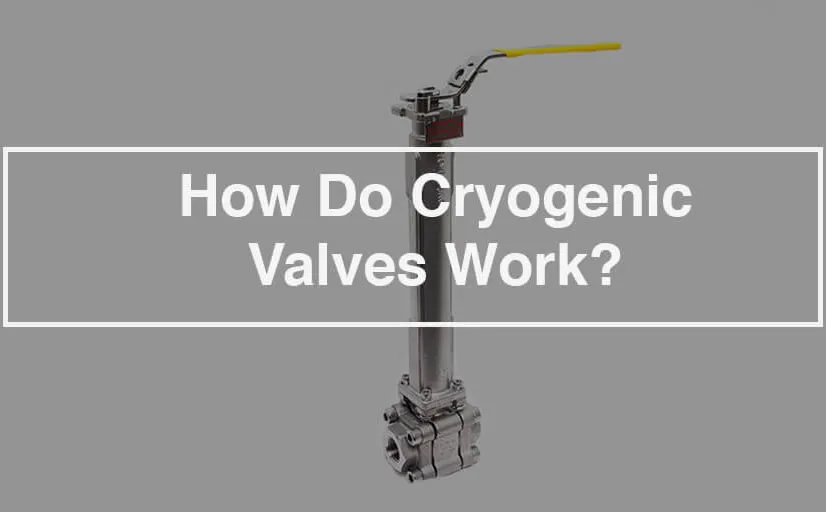
Cryogenic valves are mostly found in industrial facilities to harness the benefits of undergoing processes at cryogenic temperatures. Thus, the following sections highlight some of these applications.
As the name suggests, cryogenic valves are designed for use in very cold applications. They are therefore most commonly used by companies working with liquefied natural gas (LNG) or compressed natural gas (CNG). For example, the oil and gas industry often uses cryogenic temperature ranges starting at -238 degrees Fahrenheit (-150 degrees Celsius). In addition, some gases aren't labelled 'cryogenic' because of their temperature, but because they require more than a simple increase in pressure to compress their volume. Cryogenic valves are designed to help transport and store such cryogenic gases safely and efficiently. Cryogenic valves are distinguished from other standard valves on the market today by their ability to operate at temperatures as low as -320 degrees Fahrenheit (-196 degrees Celsius) and pressures as high as 750 psi.
In the oil and gas industry, cryogenic valves serve in the control of liquified gasses such as liquid nitrogen, methane, and helium. Because of the ease and safety of non-pressurized storage and transport, these elements cool to cryogenic temperatures, so they remain in the liquid state. As a result, larger volumes can be transported or stored for some time, while the piping system operates at much lower pressure levels. Before cooling these gasses into liquid, it is necessary to remove condensate, moisture, CO2, and H2S to prevent corrosion problems downstream.
From World War II, the field of cryogenics enjoyed accelerated development with its eventual commercialization in 1966 by Ed Busch. Busch increased metal tool design life by up to two to four times via cryogenic tempering rather than heat treatment. As a result, it is common to find cryogenic valves and accompanying equipment in steel production plants today. Another area of use is in the freezing of foods and biotech products such as vaccines.
Cryogenic valves are kept in a natural closed position to keep cryogenic gasses or other medium secure and safely contained. A cryogenic valve is generally designed to react to high pressure which pushes the valve into the open position to allow the gas or other media to flow readily through. Such open flow will continue until the pressure again decreases, at which point it will swing back and become seal with a special metal seat bubble-tight shutoff to prevent any leaking.
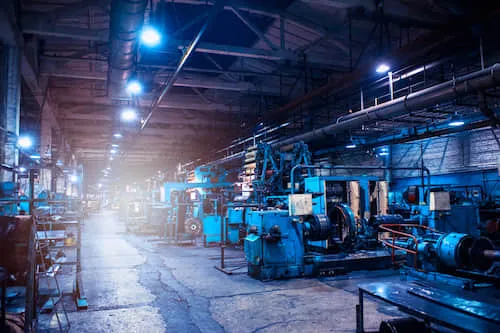
In the aerospace industry, cryogenic fuels have gained wide acceptance over the years. Liquid hydrogen and liquid oxygen often serve as propellants for space shuttles, either alone or in combination with jet fuel. The presence of cryogenic valves is a must in such systems.
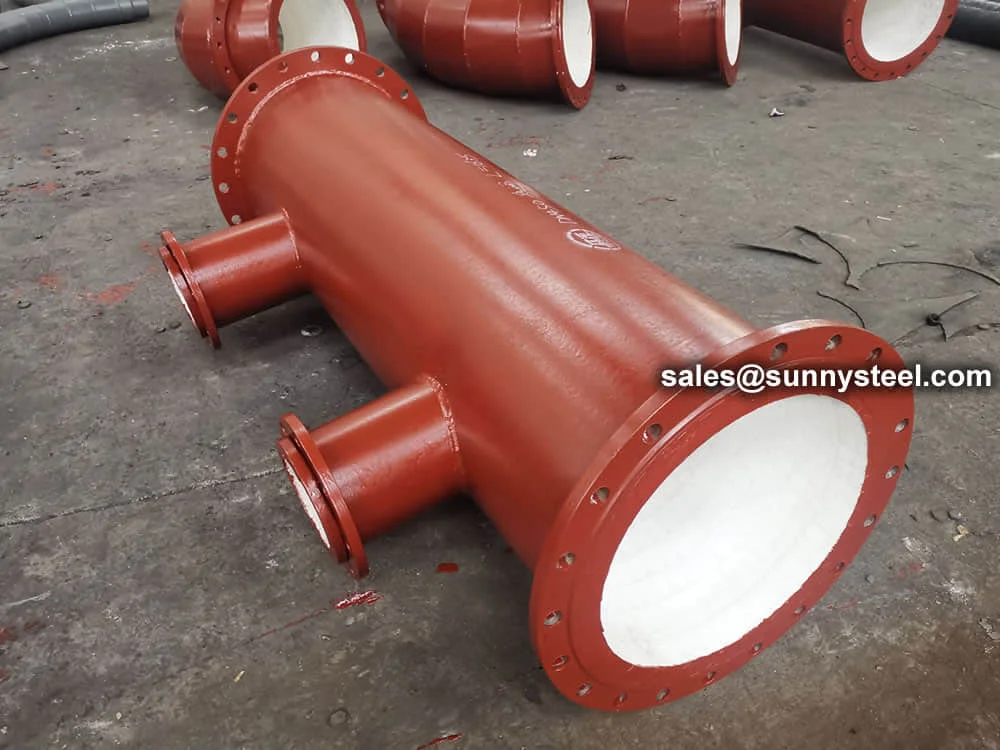
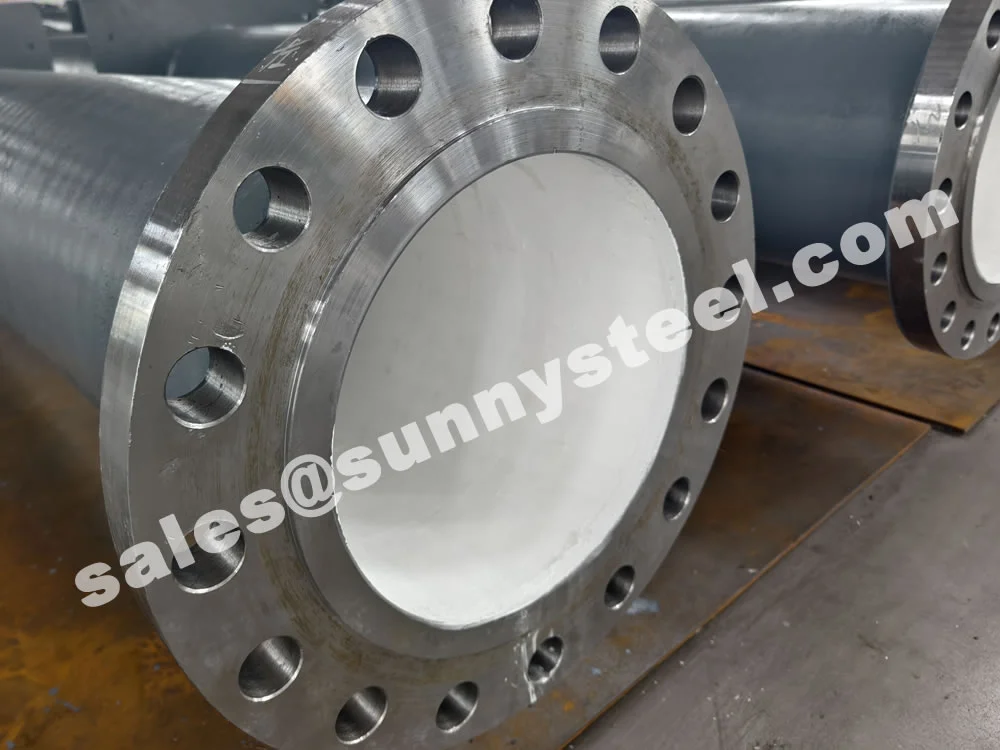
Customized Alumina Ceramic Lined Project
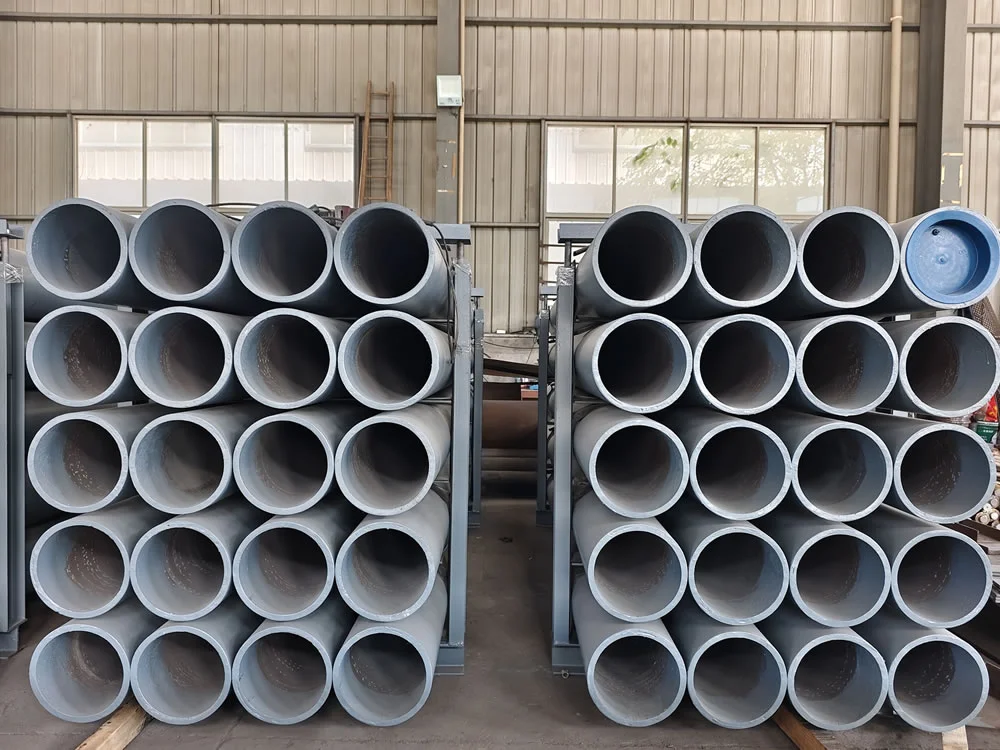
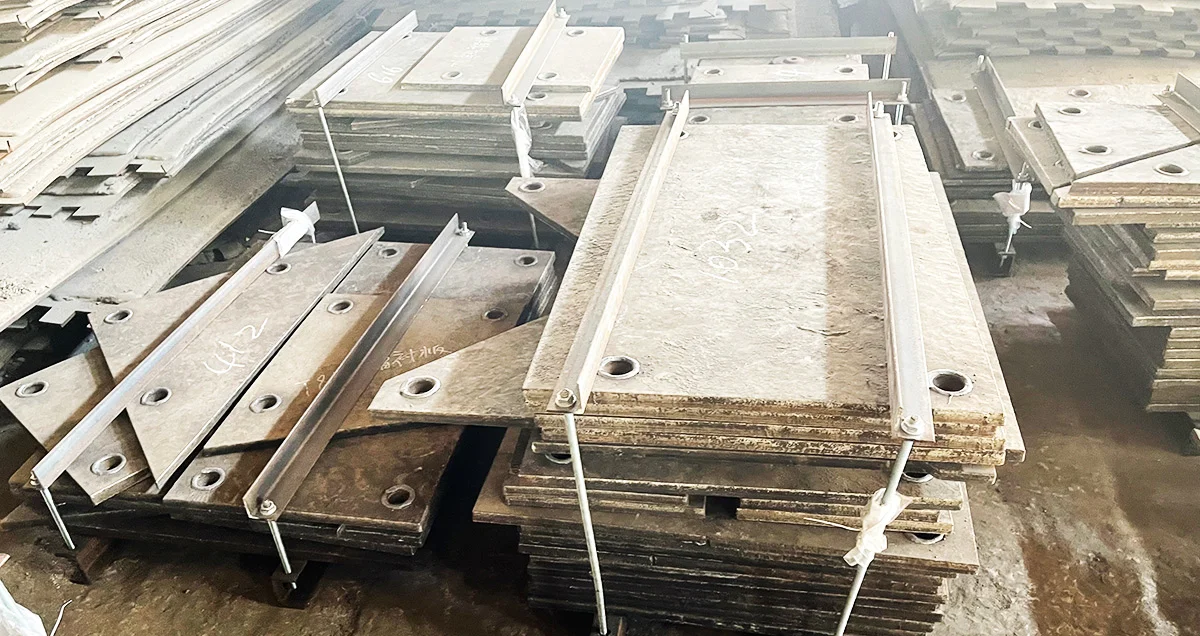
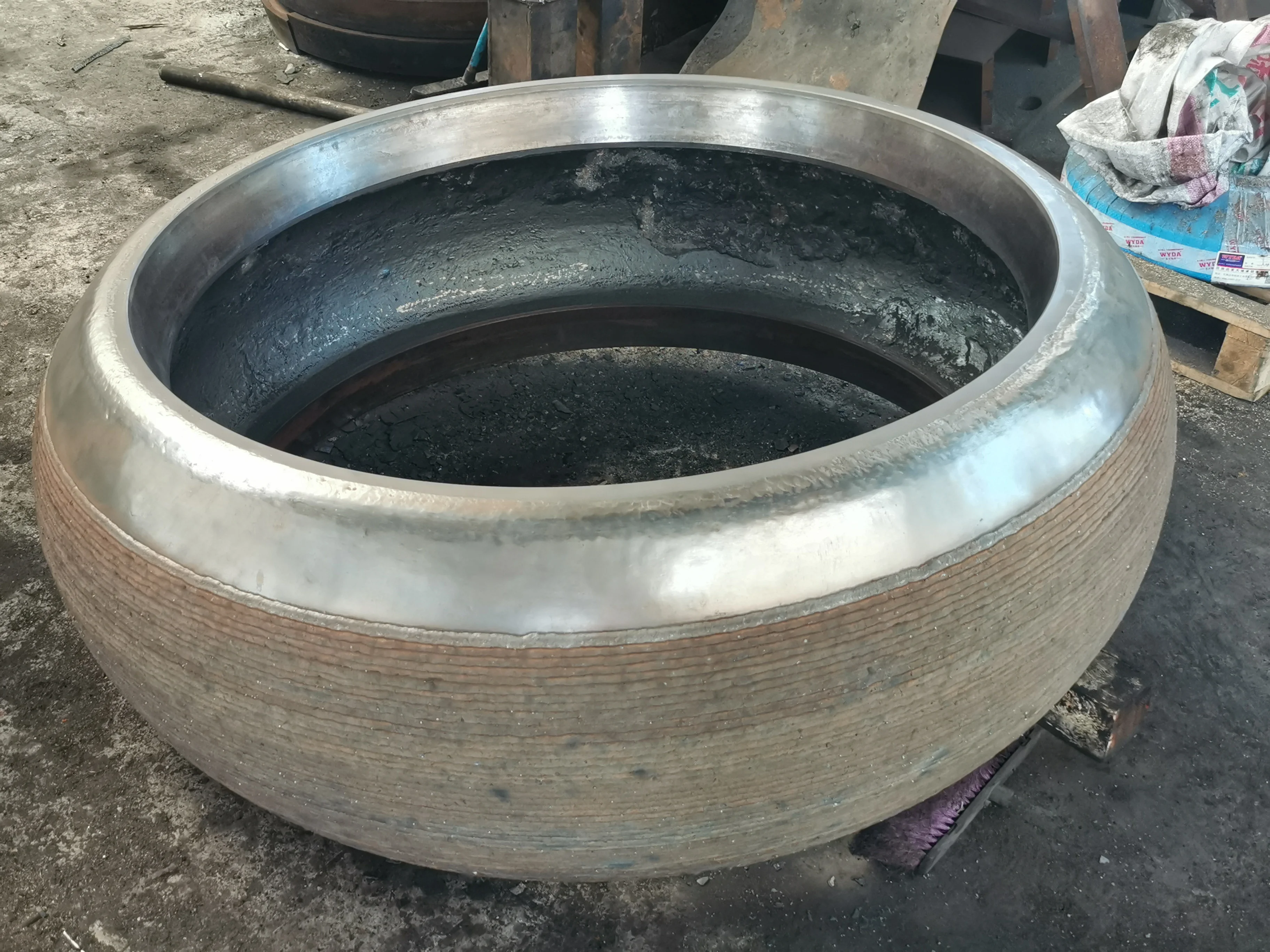
Wear-Resistant Hardfacing Liner Plate