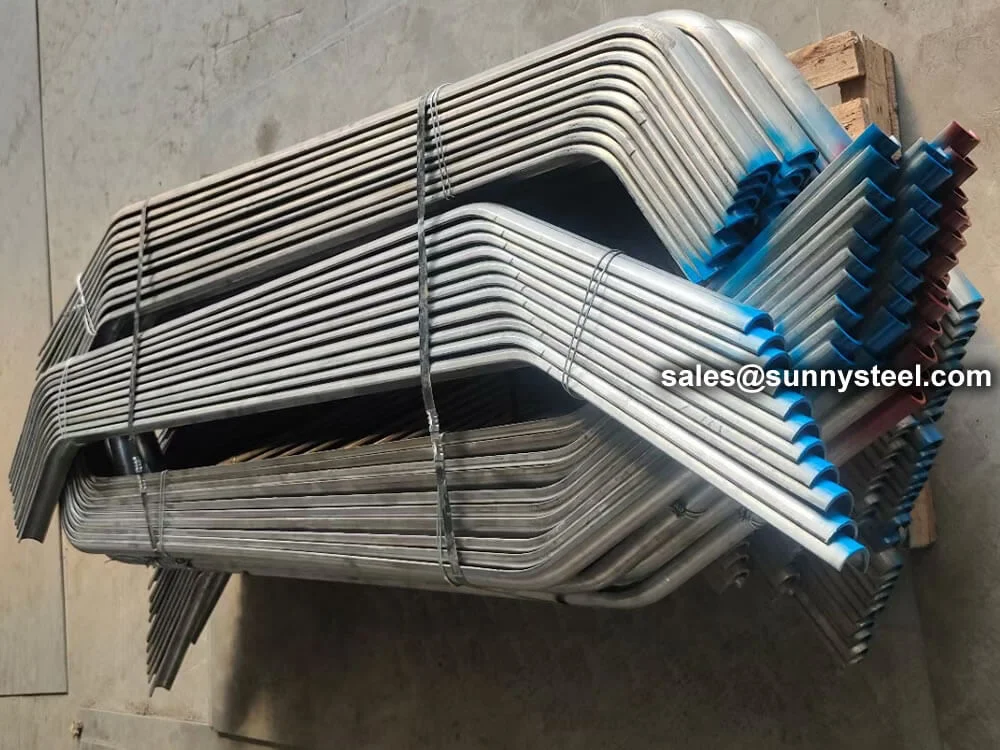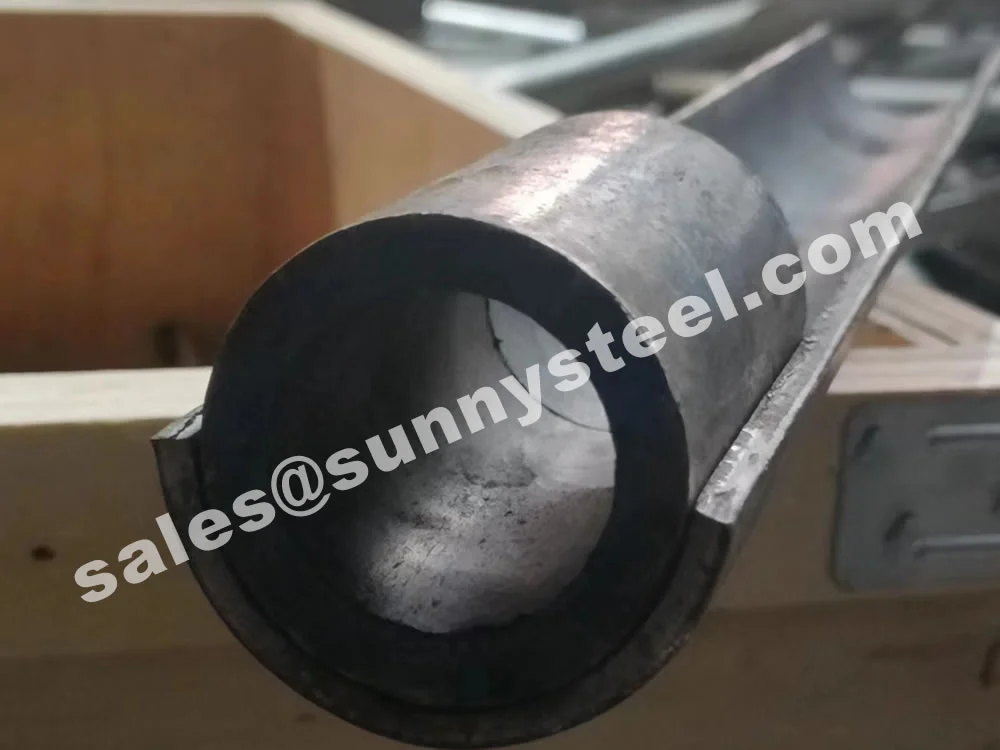
Cost-effective And Durable Q235 Carbon Steel Erosion Shields
Q235 tube shields offer reliable and economical erosion protection for boiler tubes in moderate temperature environments, ideal for general industrial use.
Cost-effective And Durable Q235 Carbon Steel Erosion Shields
Q235 tube shields offer reliable and economical erosion protection for boiler tubes in moderate temperature environments, ideal for general industrial use.
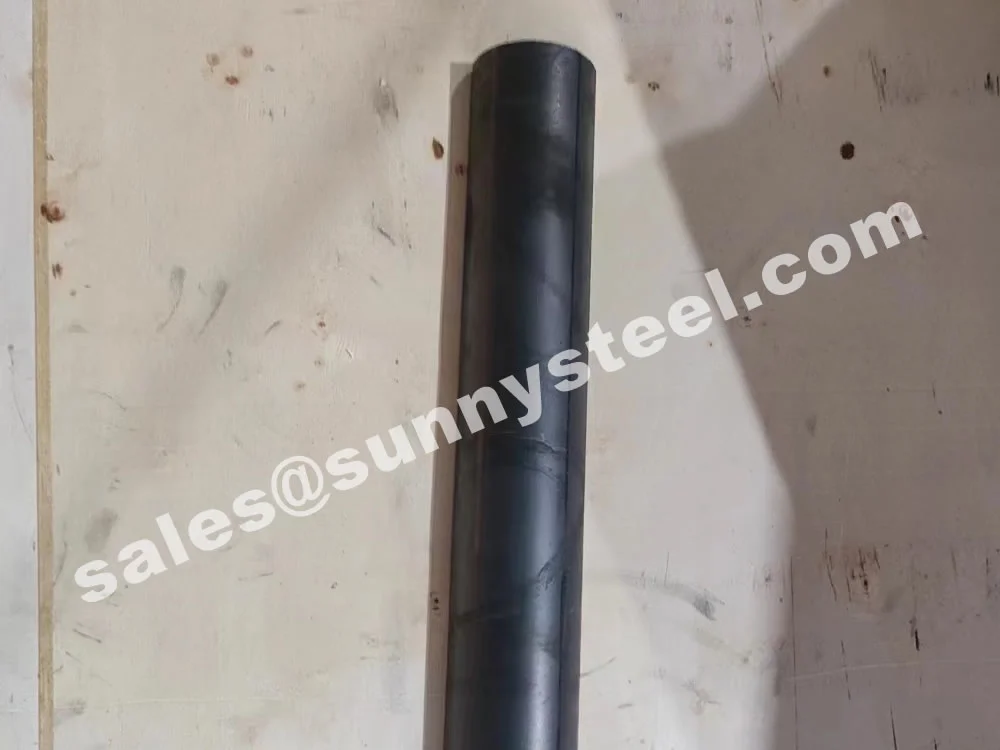
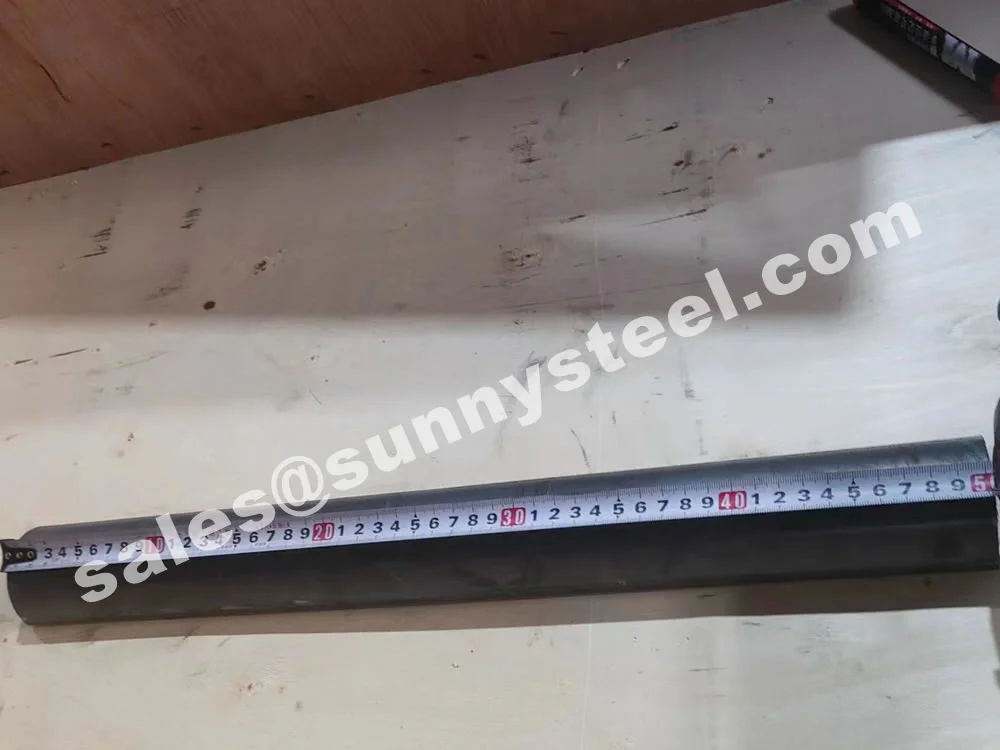
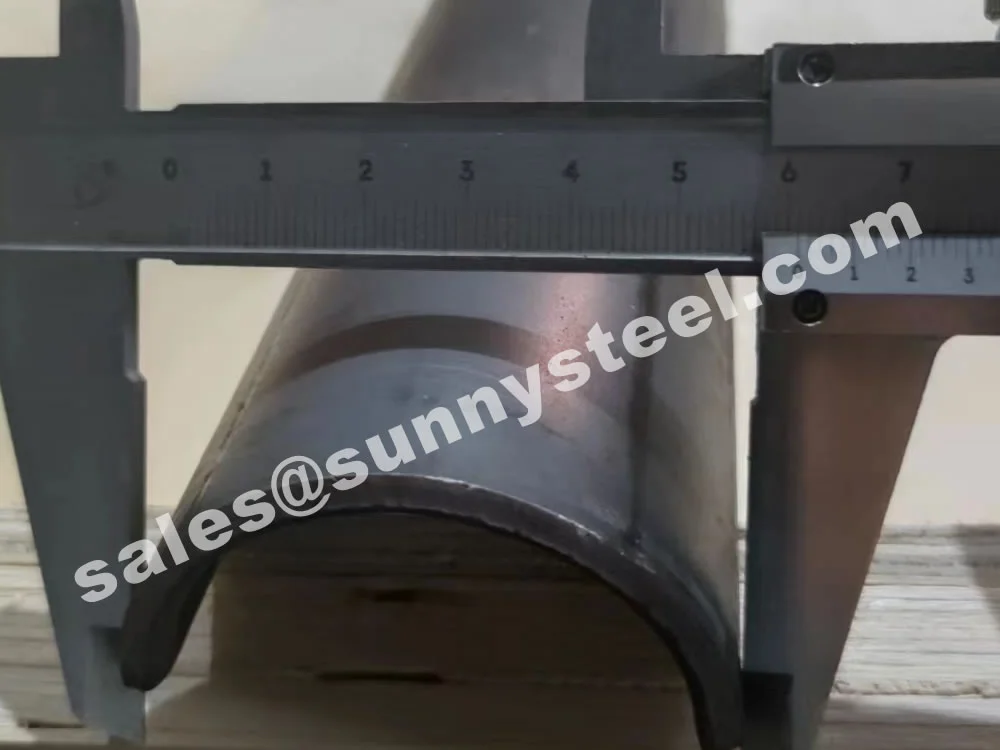
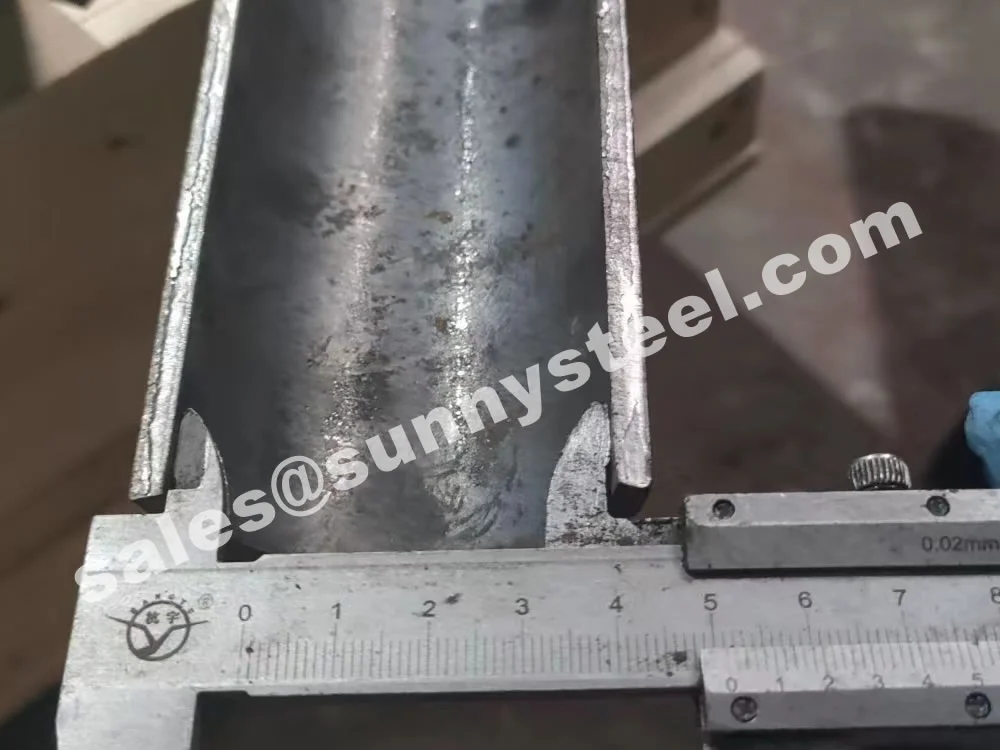
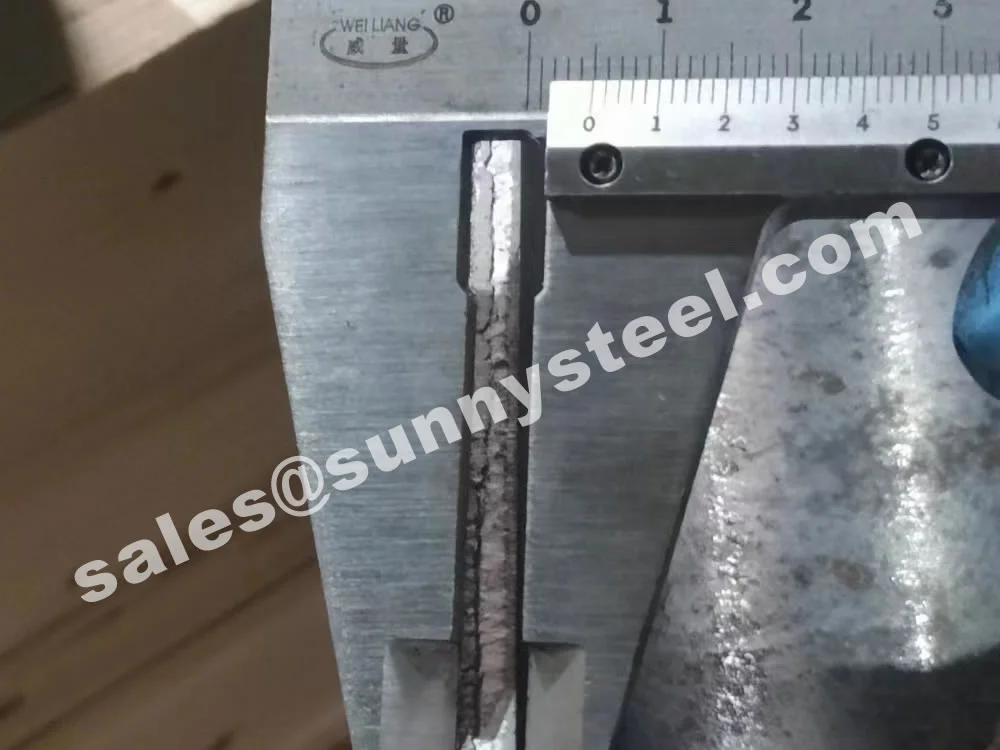
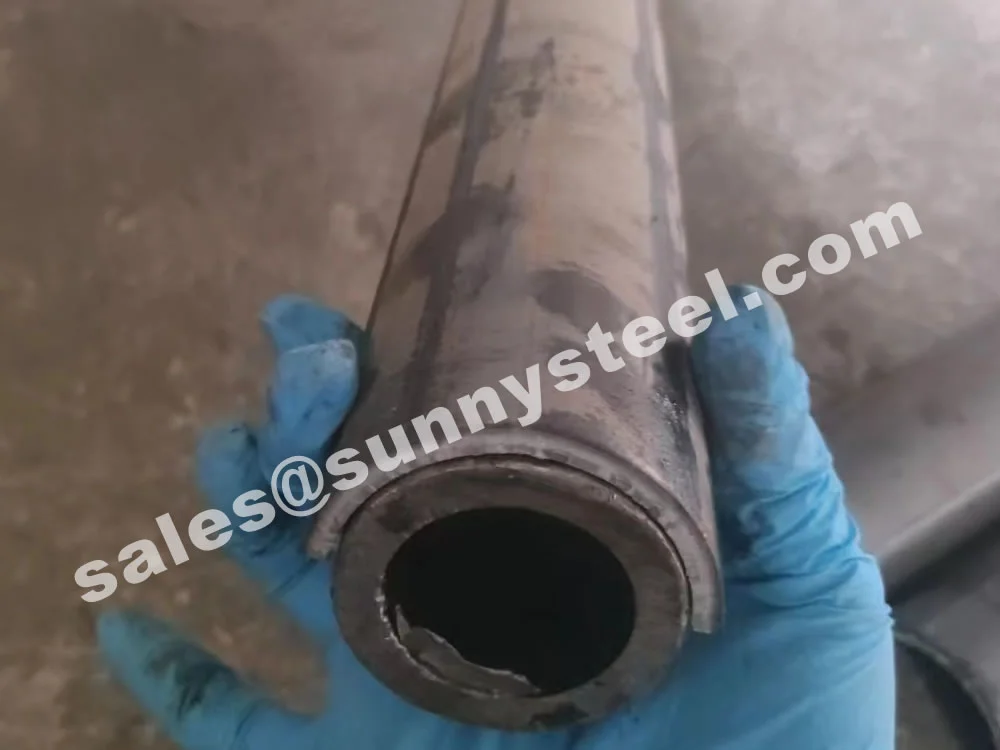
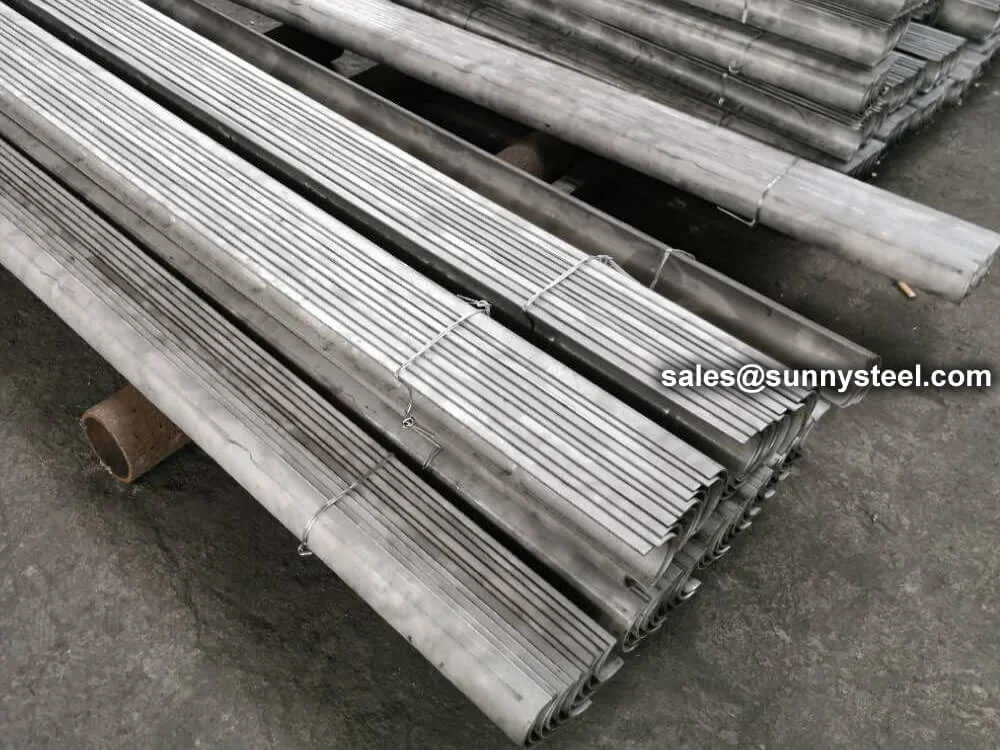
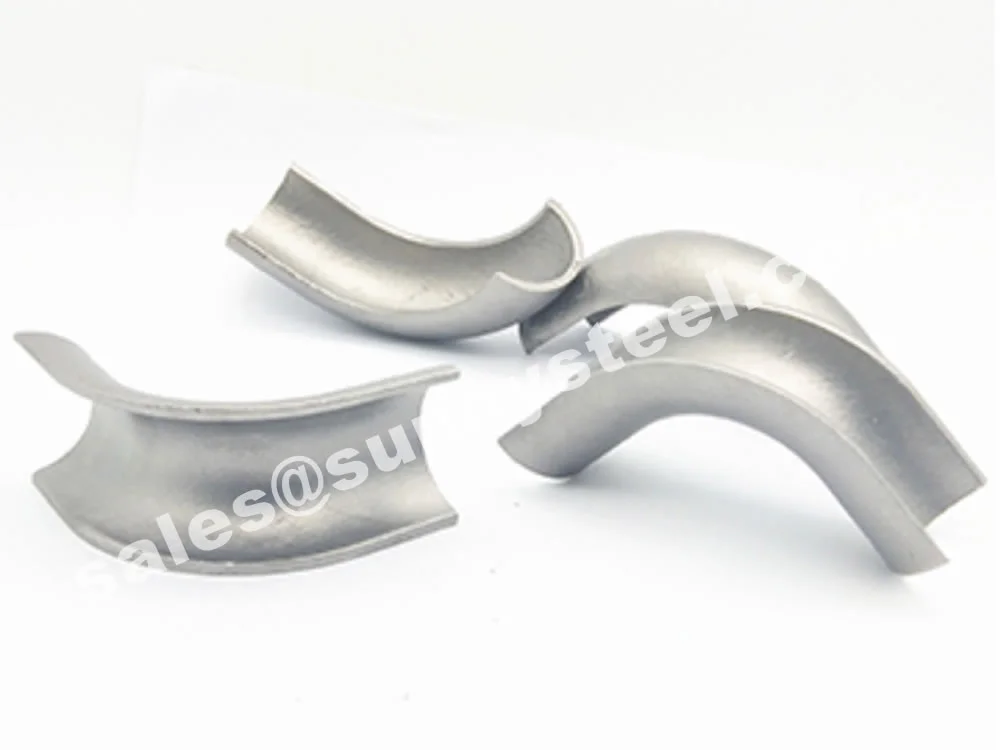
Q235 tube shields, also known as boiler tube shields, anti-erosion shields, or anti-corrosion shields, are protective components designed to safeguard boiler tubes from erosion, corrosion, and wear caused by high-temperature flue gases, abrasive fly ash, and corrosive chemical reactions in industrial boiler systems. These shields are widely used in industries such as power generation, petrochemical processing, and waste-to-energy plants, where boilers operate under extreme conditions involving high-pressure steam and harsh environments. By forming a robust protective barrier, Q235 tube shields significantly extend tube lifespan, reduce maintenance costs, and enhance operational reliability by preventing premature tube failures and costly downtime.
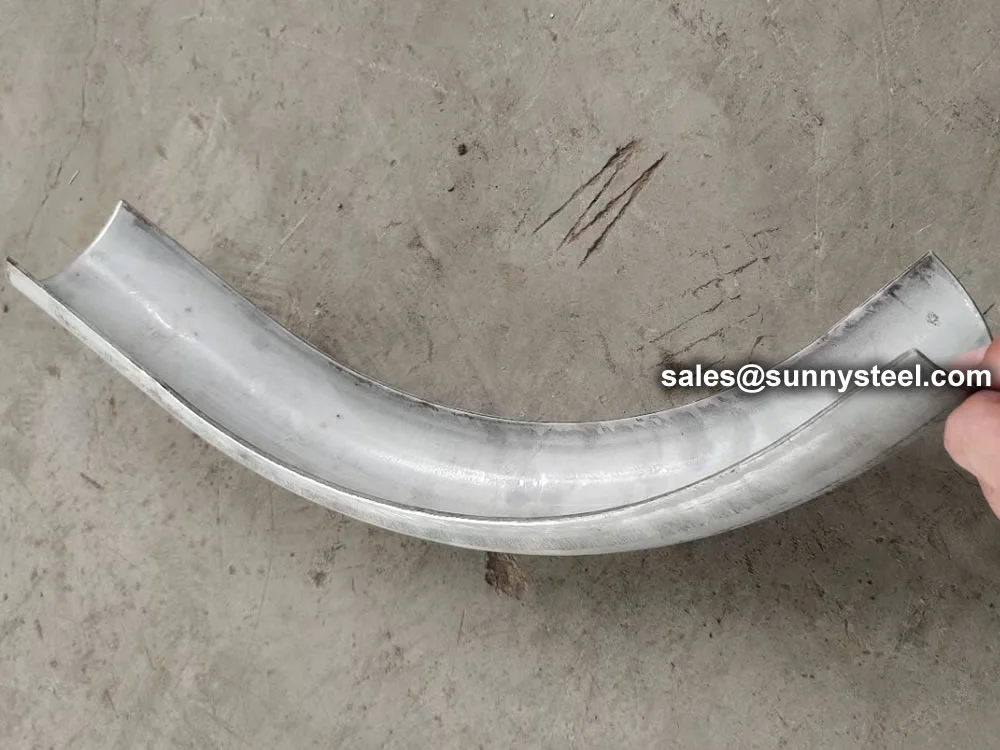
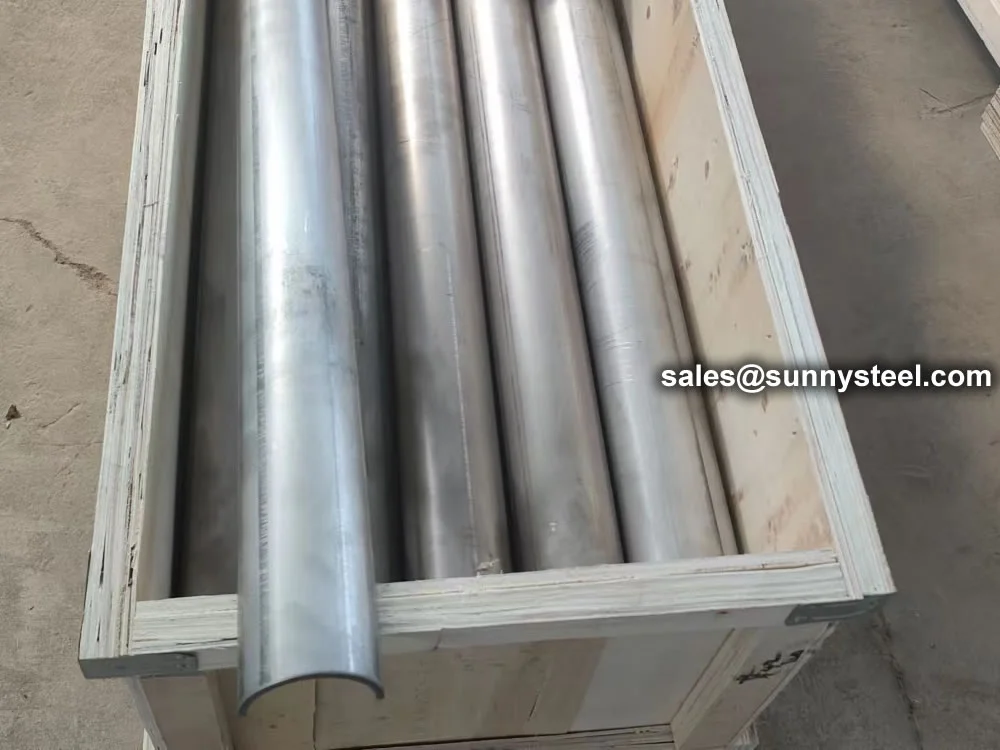
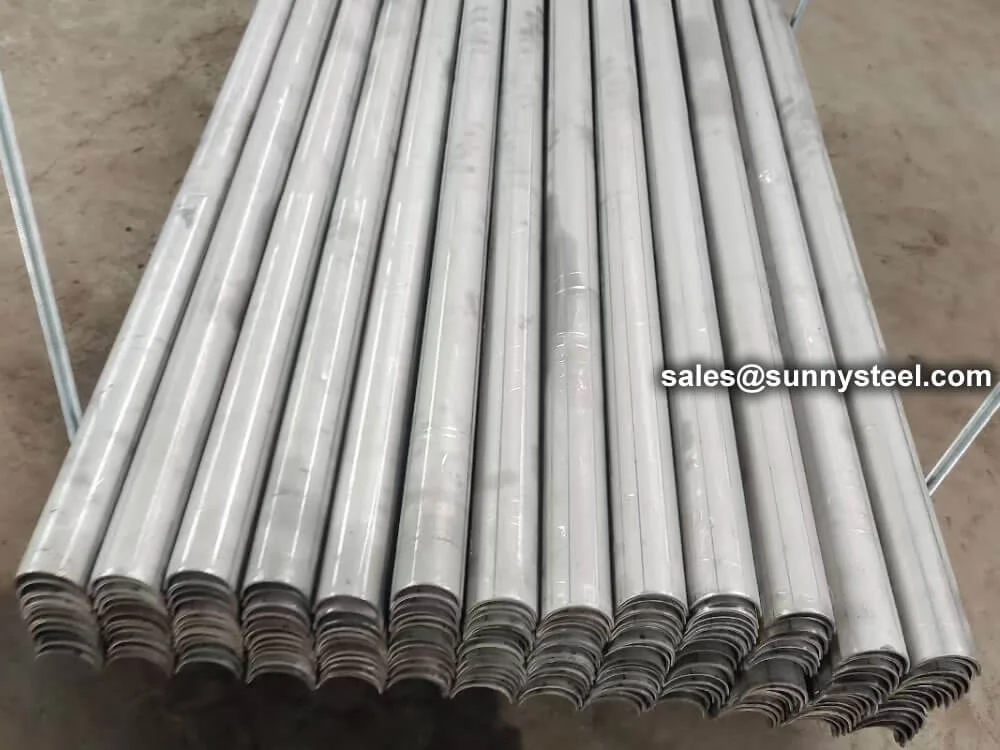
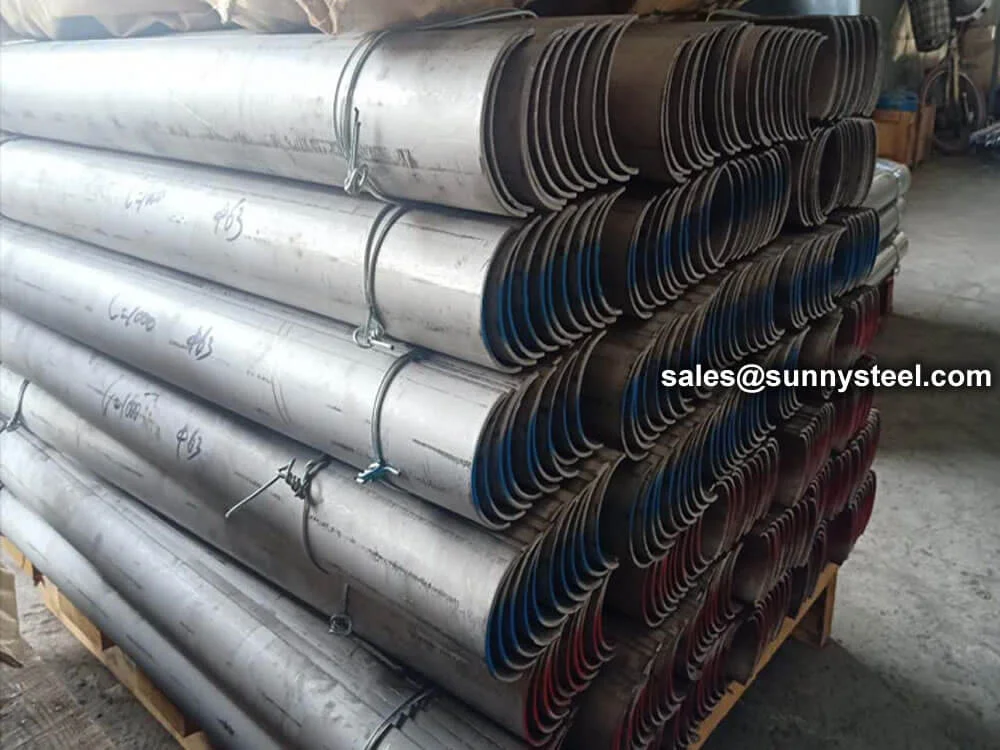
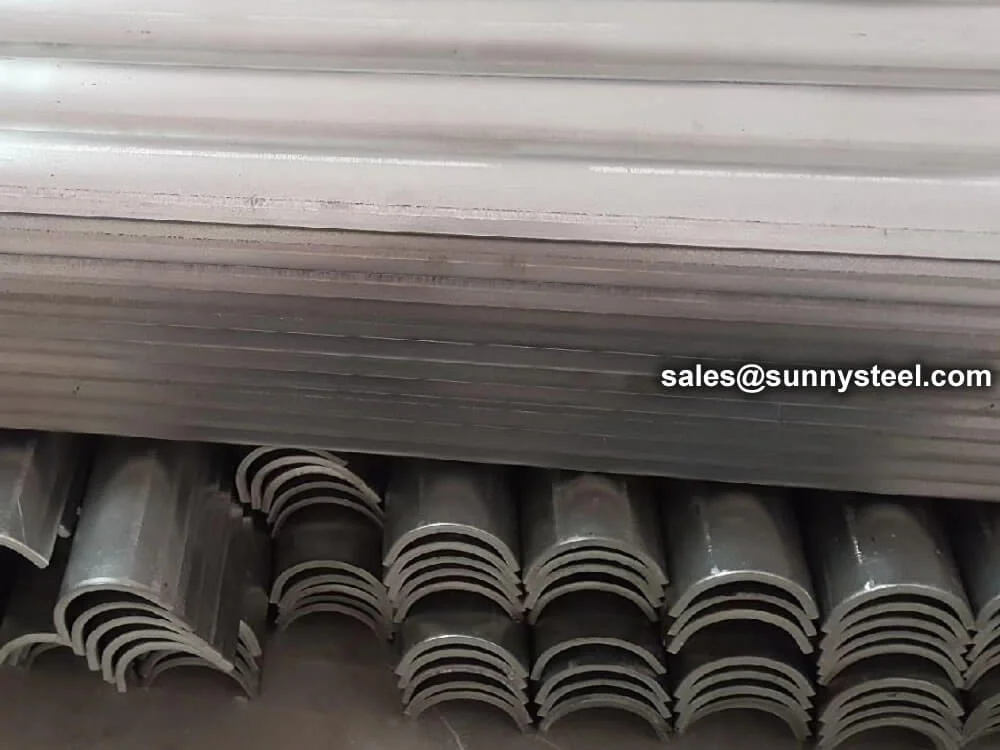
Manufactured from Q235 carbon steel, a mild or low-carbon steel with a carbon content typically between 0.12% and 0.20%, these shields offer a balance of strength, ductility, and weldability, making them a cost-effective choice for boiler tube protection. Q235 steel is known for its flexibility, ease of fabrication, and moderate corrosion resistance, suitable for applications where high-temperature resistance is less critical than in extreme environments. For enhanced durability in harsher conditions, Q235 tube shields can be coated with protective layers, such as chromium carbide, to improve wear and corrosion resistance. These shields are available in various configurations—straight, inner-curve, outer-curve, side-curve, and S-curve—to fit diverse tube geometries, including finned tubes used in superheaters, reheaters, economizers, and water-cooled walls. The shields typically feature a semi-circular (180-degree) cross-section, with customizable wrap angles ranging from 120 to 240 degrees to meet specific operational requirements.
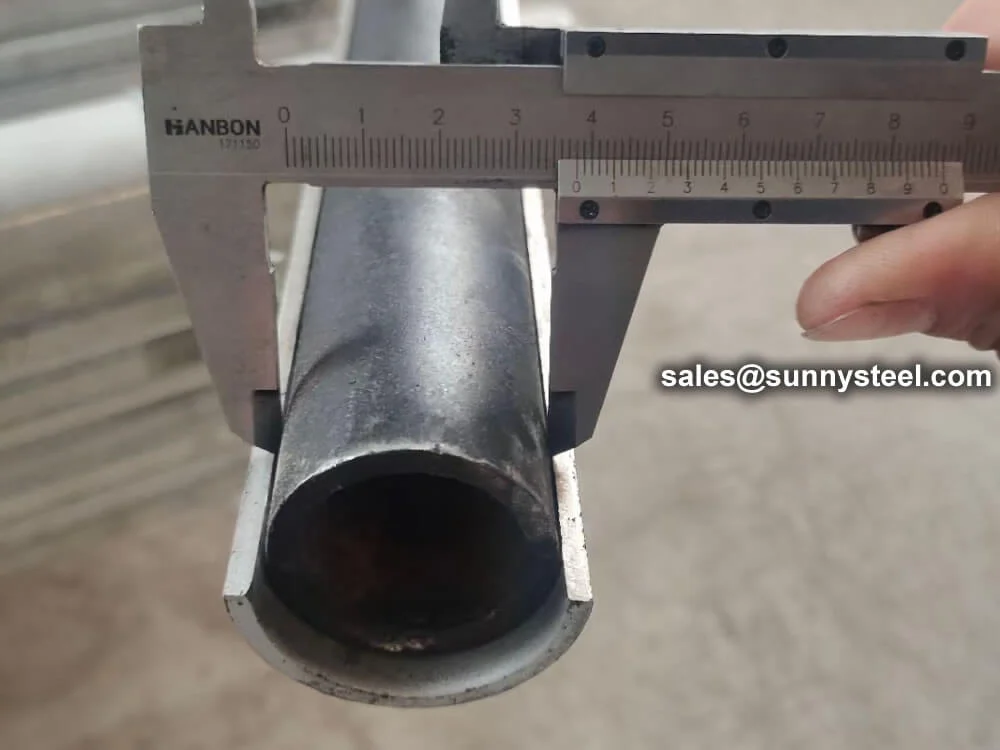
The production process for Q235 tube shields involves advanced techniques, such as high-pressure pressing and professional mold shaping, to ensure a smooth surface, excellent weldability, and a professional finish. For curved shields, specialized bending processes are used, with technical drawings specifying parameters like tube outer diameter, bending radius, and angle. The inner diameter of the shield is designed to be 1-3mm larger than the tube’s outer diameter for a secure fit. Common tube sizes include 32mm, 38mm, 44.5mm, 57mm, and 63.5mm, with shield lengths ranging from 20mm to 3000mm, though 1000-2000mm is the most common range for industrial applications. Snap rings, often made from excess Q235 material, are used to secure the shields to the tubes, typically welded at a 190-200-degree overlap for stability.
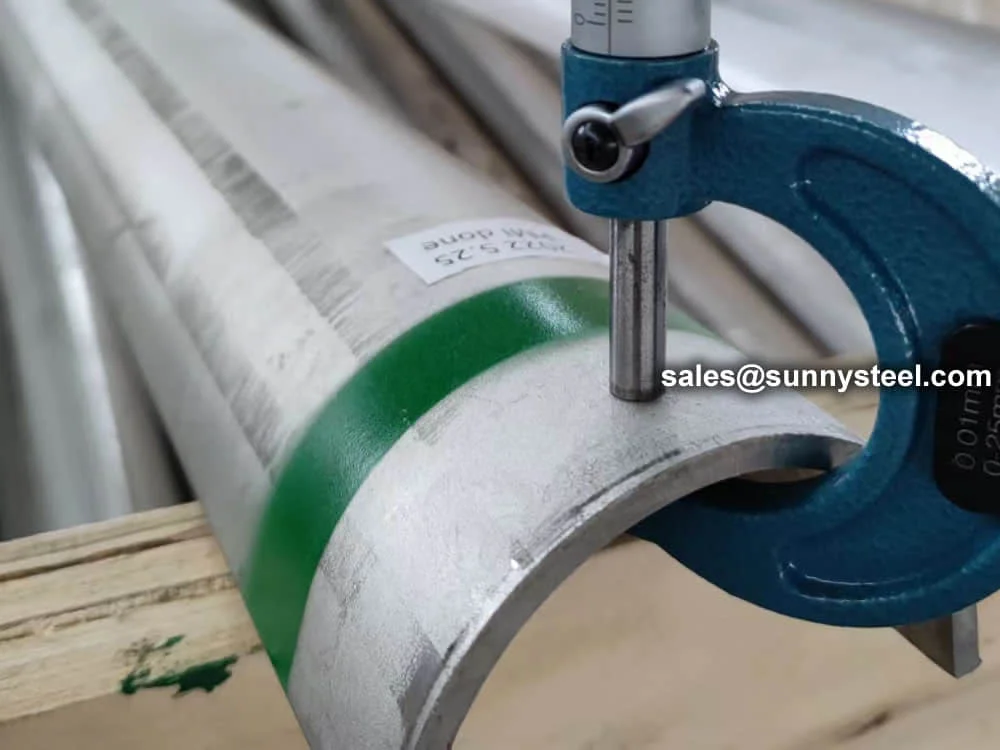
Q235 tube shields are engineered to address critical user needs, such as minimizing downtime and maintenance costs due to tube erosion or corrosion. They are particularly effective in protecting vital boiler components in fossil fuel-fired boilers, biomass power plants, and circulating fluidized bed (CFB) boilers, especially in areas prone to wear, such as the windward side of heating surfaces. Positive Material Identification (PMI) is employed during production to verify material quality and compliance with industry standards, ensuring reliability in demanding environments. With a typical service life of 3-5 years, depending on boiler type and operating conditions, Q235 tube shields offer long-term durability. Customizable features, such as variable wrap angles and end types (straight, belled, or flared), allow for precise adaptation to specific boiler configurations, ensuring optimal protection and performance.
Q235 carbon steel tube shields provide economical, high-strength protection against erosion and corrosion in industrial pipe systems.
Q235 is a mild or low-carbon steel with a carbon content between 0.12% and 0.20%, offering a balance of strength, ductility, and weldability. It is part of the GB/T 700 standard and widely used in structural steel applications across China.
| Grade | C | Mn | Si | S | P |
|---|---|---|---|---|---|
| Q235A | ≤0.22% | ≤1.4% | ≤0.35% | ≤0.050% | ≤0.045% |
| Q235B | ≤0.20% | ≤1.4% | ≤0.35% | ≤0.045% | ≤0.045% |
| Q235C | ≤0.17% | ≤1.4% | ≤0.35% | ≤0.040% | ≤0.040% |
| Q235D | ≤0.17% | ≤1.4% | ≤0.35% | ≤0.035% | ≤0.035% |
Q235 includes four grades: A, B, C, and D, with increasing impact toughness from A to D.
| Grade | Yield Strength (MPa) | Tensile Strength (MPa) | Elongation (%) |
|---|---|---|---|
| Q235 | 235 | 370–500 | 26% |
The number "235" in Q235 indicates a yield strength of 235 MPa. Impact toughness is evaluated using Charpy V-notch tests, with grade D showing the best low-temperature performance.
Q235, SS400 (JIS), and A36 (ASTM) are carbon structural steel grades from China, Japan, and the U.S. respectively. Below is a comparison of their key properties:
| Property | Q235 | SS400 | ASTM A36 |
|---|---|---|---|
| Chemical Composition (%) | |||
| Carbon (C) | ≤ 0.22 | ≤ 0.20 | ≤ 0.26 |
| Silicon (Si) | ≤ 0.35 | ≤ 0.35 | ≤ 0.40 |
| Manganese (Mn) | ≤ 1.40 | ≤ 1.40 | 0.60–1.20 |
| Sulfur (S) | ≤ 0.050 | ≤ 0.050 | ≤ 0.050 |
| Phosphorus (P) | ≤ 0.045 | ≤ 0.050 | ≤ 0.040 |
| Mechanical Properties | |||
| Yield Strength (MPa) | ≥ 235 | ≥ 245 | ≥ 250 |
| Tensile Strength (MPa) | 370–500 | 400–510 | 400–550 |
While ASTM A36 and SS400 have slightly higher strengths, these grades are often interchangeable depending on regional standards and application requirements.
High-carbon steels contain 0.60% to 1.70% carbon and are typically used for tools. In contrast, low-carbon steel like Q235 (≤0.25%) is softer and easier to form.
A traditional method to identify carbon content is through spark testing:
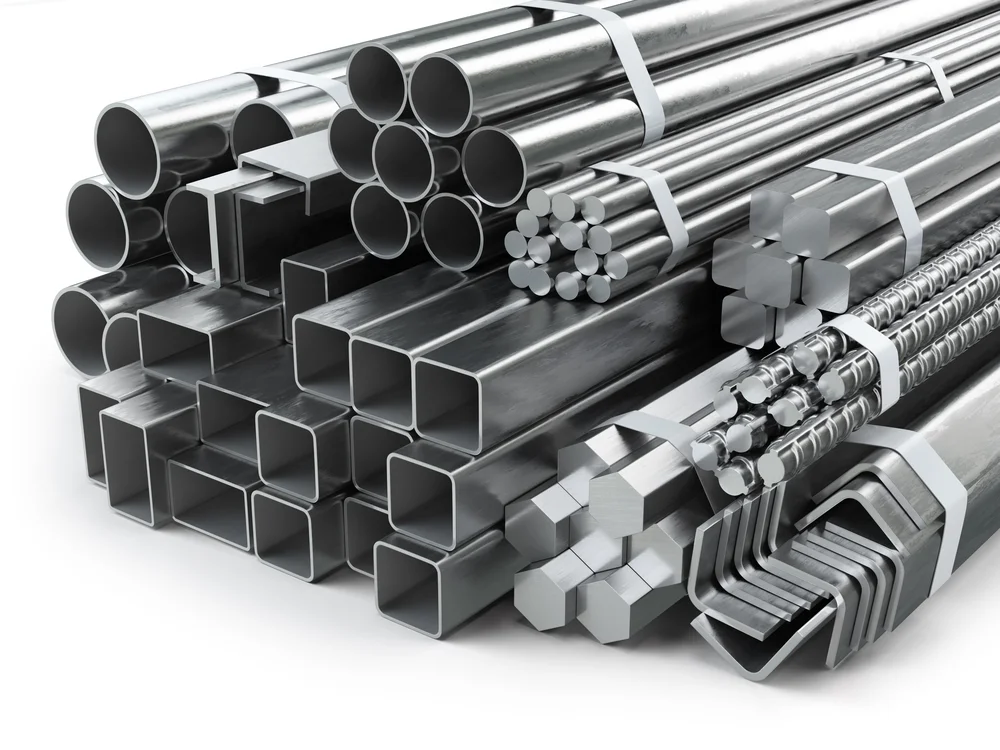
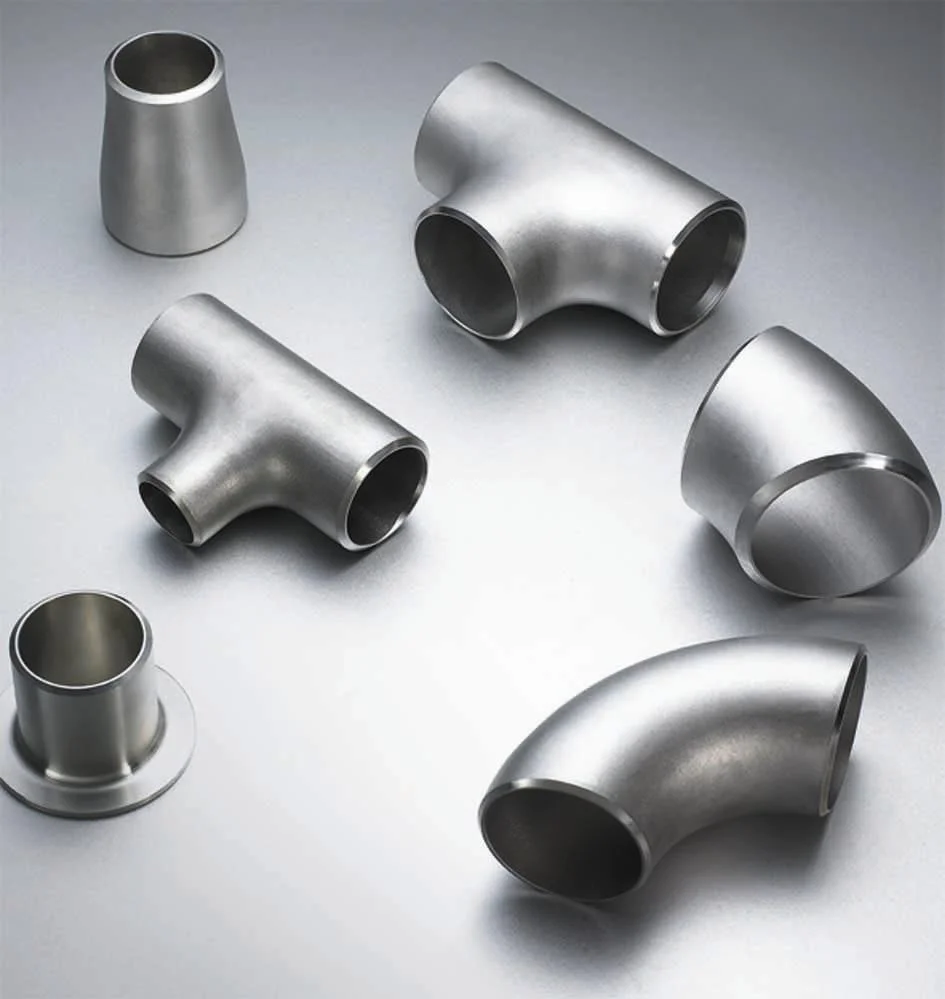
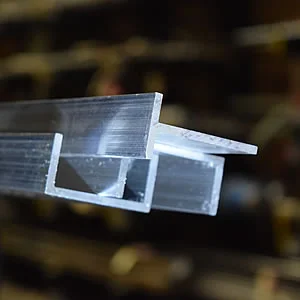
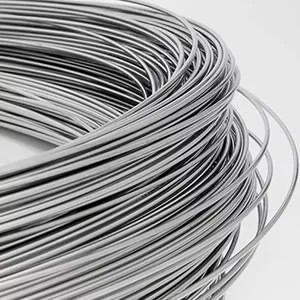
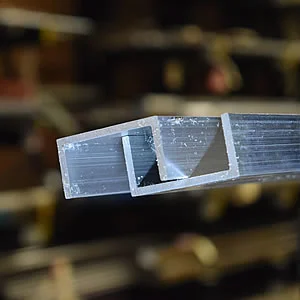
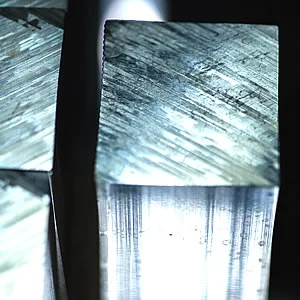
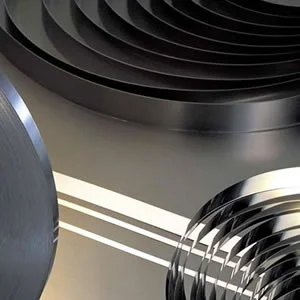
We stock stainless steels in a multitude of shapes and sizes.
We support our stainless steel stock with a wide range of shapes and sizes to suit your engineering applications. We hold thirteen different types of shapes to support the grades of material we stock, including bars, sheets and plates.
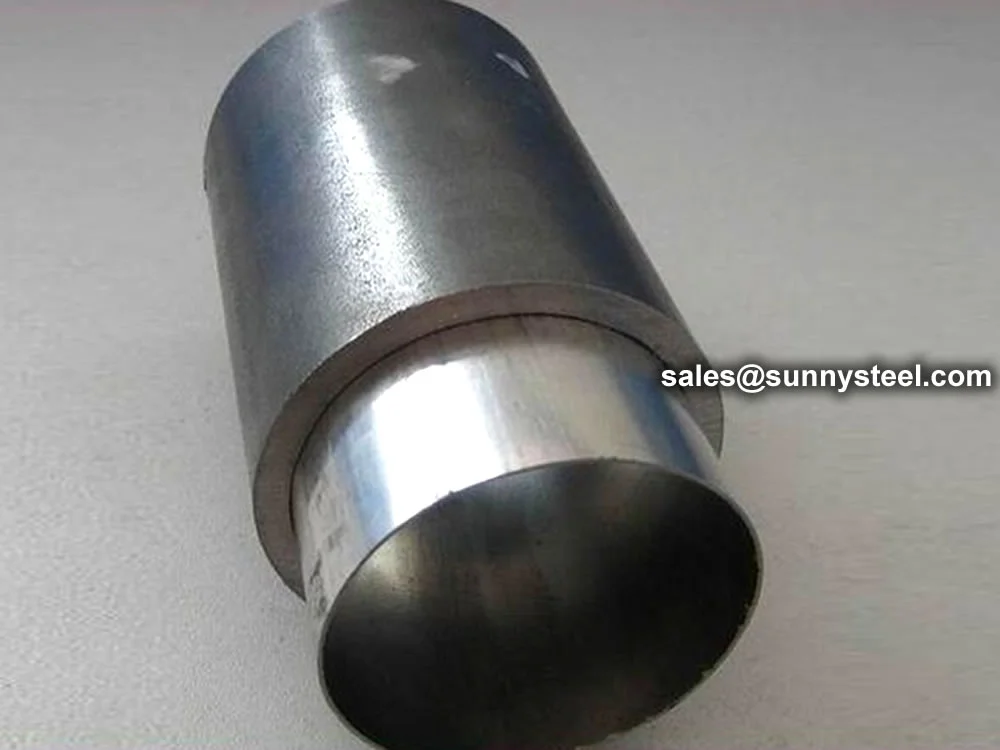
Stainless Carbon Steel Composite Pipe
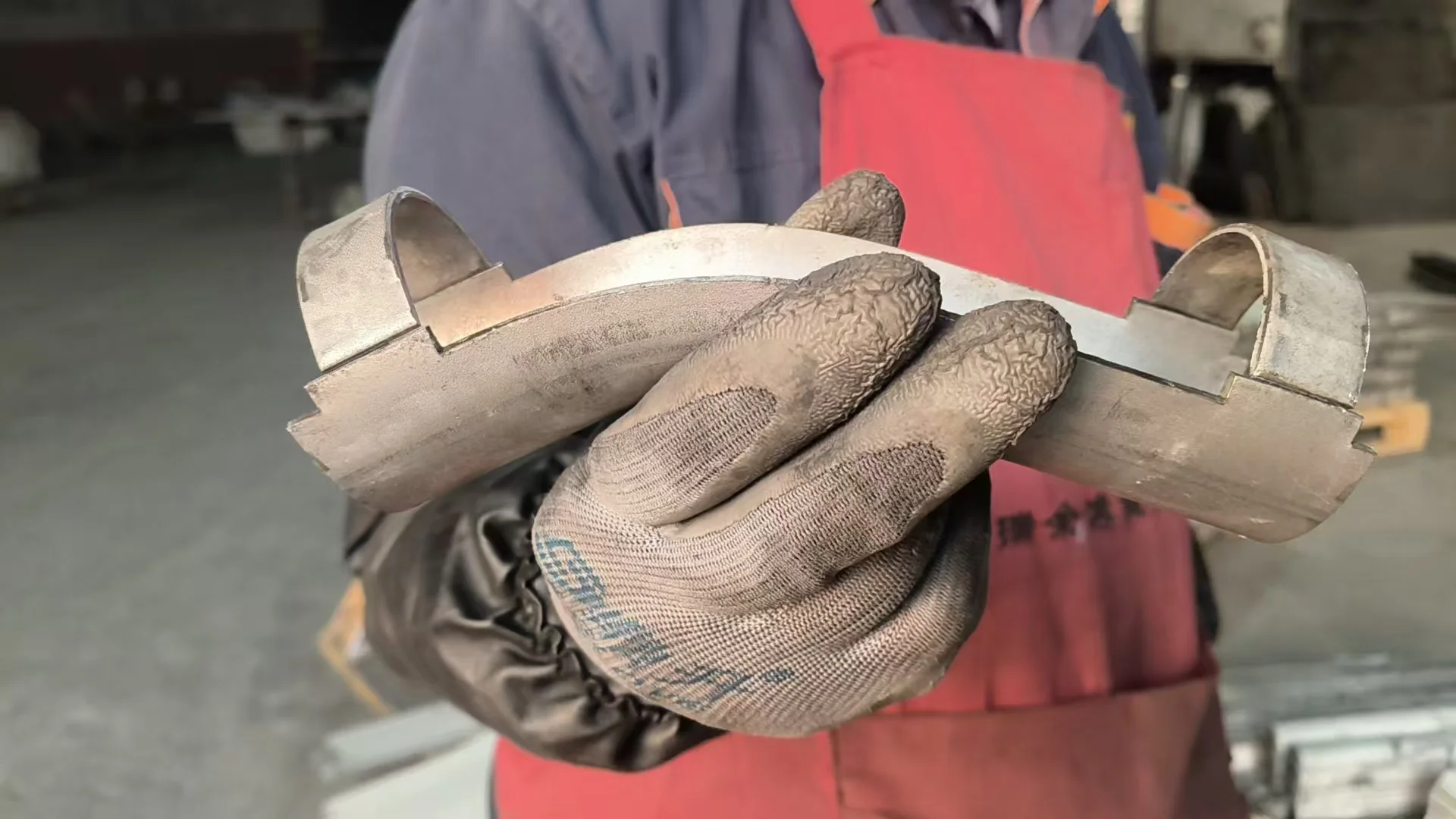
Material-Specific Erosion Shields


| Grade | C (% max) | Mn (% max) | Si (% max) | P (% max) | S (% max) | Cr (%) | Ni (%) | Mo (%) | N (% max) |
|---|---|---|---|---|---|---|---|---|---|
| 304 | 0.08 | 2.00 | 1.00 | 0.045 | 0.030 | 18.0-20.0 | 8.0-11.0 | - | 0.10 |
| 304L | 0.03 | 2.00 | 1.00 | 0.045 | 0.030 | 18.0-20.0 | 8.0-12.0 | - | 0.10 |
| 316 | 0.08 | 2.00 | 1.00 | 0.045 | 0.030 | 16.0-18.0 | 10.0-14.0 | 2.0-3.0 | 0.10 |
| 316L | 0.03 | 2.00 | 1.00 | 0.045 | 0.030 | 16.0-18.0 | 10.0-14.0 | 2.0-3.0 | 0.10 |
The low carbon content in 304L and 316L enhances weldability, while molybdenum in 316 and 316L improves resistance to pitting and crevice corrosion, making Q235 Tube Shield ideal for harsh environments.
| Grade | Tensile Strength (min, MPa) | Yield Strength (min, MPa) | Elongation (min, %) | Hardness (max, HB) | Hardness (max, HRB) |
|---|---|---|---|---|---|
| 304 | 515 | 205 | 40 | 201 | 92 |
| 304L | 485 | 170 | 40 | 201 | 92 |
| 316 | 515 | 205 | 40 | 217 | 95 |
| 316L | 485 | 170 | 40 | 217 | 95 |
These mechanical properties make Q235 Tube Shield suitable for applications requiring high strength and corrosion resistance, such as architectural structures, marine environments, and chemical processing.
In order to solve the cumbersome and difficult to remember stainless steel grades, improve the practicability of the brand representation, and the contrast with the international standard grades, China has formulated the "Universal Code System for Steel and Alloy Grades", such as 06Cr19Ni10, corresponding to 304. Different grades of stainless steel have different ingredients, but they all have a national standard. The standards of each country are also different.
| No | China (GB) | Japan (JIS) | American | Korea (KS) | EU (BS EN) | India (IS) | Australia (AS) | Taiwan (CNS) | ||
|---|---|---|---|---|---|---|---|---|---|---|
| Old | New (07.10) | SUS | ASTM | UNS | STS | EN | IS | AS | CNS | |
| Austenitic Stainless Steel | ||||||||||
| 1 | 1Cr17Mn6Ni5N | 12Cr17Mn6Ni5N | SUS201 | 201 | S20100 | STS201 | 1.4372 | 10Cr17Mn6Ni4N20 | 201-2 | 201 |
| 2 | 1Cr18Mn8Ni5N | 12Cr18Mn9Ni5N | SUS202 | 202 | S20200 | STS202 | 1.4373 | — | — | 202 |
| 3 | 1Cr17Ni7 | 12Cr17Ni7 | SUS301 | 301 | S30100 | STS301 | 1.4319 | 10Cr17Ni7 | 301 | 301 |
| 4 | 0Cr18Ni9 | 06Cr19Ni10 | SUS304 | 304 | S30400 | STS304 | 1.4301 | 07Cr18Ni9 | 304 | 304 |
| 5 | 00Cr19Ni10 | 022Cr19Ni10 | SUS304L | 304L | S30403 | STS304L | 1.4306 | 02Cr18Ni11 | 304L | 304L |
| 6 | 0Cr19Ni9N | 06Cr19Ni10N | SUS304N1 | 304N | S30451 | STS304N1 | 1.4315 | — | 304N1 | 304N1 |
| 7 | 0Cr19Ni10NbN | 06Cr19Ni9NbN | SUS304N2 | XM21 | S30452 | STS304N2 | — | — | 304N2 | 304N2 |
| 8 | 00Cr18Ni10N | 022Cr19Ni10N | SUS304LN | 304LN | S30453 | STS304LN | — | — | 304LN | 304LN |
| 9 | 1Cr18Ni12 | 10Cr18Ni12 | SUS305 | 305 | S30500 | STS305 | 1.4303 | — | 305 | 305 |
| 10 | 0Cr23Ni13 | 06Cr23Ni13 | SUS309S | 309S | S30908 | STS309S | 1.4833 | — | 309S | 309S |
| 11 | 0Cr25Ni20 | 06Cr25Ni20 | SUS310S | 310S | S31008 | STS310S | 1.4845 | — | 310S | 310S |
| 12 | 0Cr17Ni12Mo2 | 06Cr17Ni12Mo2 | SUS316 | 316 | S31600 | STS316 | 1.4401 | 04Cr17Ni12Mo2 | 316 | 316 |
| 13 | 0Cr18Ni12Mo3Ti | 06Cr17Ni12Mo2Ti | SUS316Ti | 316Ti | S31635 | — | 1.4571 | 04Cr17Ni12MoTi20 | 316Ti | 316Ti |
| 14 | 00Cr17Ni14Mo2 | 022Cr17Ni12Mo2 | SUS316L | 316L | S31603 | STS316L | 1.4404 | 02Cr17Ni12Mo2 | 316L | 316L |
| 15 | 0Cr17Ni12Mo2N | 06Cr17Ni12Mo2N | SUS316N | 316N | S31651 | STS316N | — | — | 316N | 316N |
| 16 | 00Cr17Ni13Mo2N | 022Cr17Ni13Mo2N | SUS316LN | 316LN | S31653 | STS316LN | 1.4429 | — | 316LN | 316LN |
| 17 | 0Cr18Ni12Mo2Cu2 | 06Cr18Ni12Mo2Cu2 | SUS316J1 | — | — | STS316J1 | — | — | 316J1 | 316J1 |
| 18 | 00Cr18Ni14Mo2Cu2 | 022Cr18Ni14Mo2Cu2 | SUS316J1L | — | — | STS316J1L | — | — | — | 316J1L |
| 19 | 0Cr19Ni13Mo3 | 06Cr19Ni13Mo3 | SUS317 | 317 | S31700 | STS317 | — | — | 317 | 317 |
| 20 | 00Cr19Ni13Mo3 | 022Cr19Ni13Mo3 | SUS317L | 317L | S31703 | STS317L | 1.4438 | — | 317L | 317L |
| 21 | 0Cr18Ni10Ti | 06Cr18Ni11Ti | SUS321 | 321 | S32100 | STS321 | 1.4541 | 04Cr18Ni10Ti20 | 321 | 321 |
| 22 | 0Cr18Ni11Nb | 06Cr18Ni11Nb | SUS347 | 347 | S34700 | STS347 | 1.4550 | 04Cr18Ni10Nb40 | 347 | 347 |
| Austenitic-Ferritic Stainless Steel (Duplex) | ||||||||||
| 23 | 0Cr26Ni5Mo2 | — | SUS329J1 | 329 | S32900 | STS329J1 | 1.4477 | — | 329J1 | 329J1 |
| 24 | 00Cr18Ni5Mo3Si2 | 022Cr19Ni5Mo3Si2N | SUS329J3L | — | S31803 | STS329J3L | 1.4462 | — | 329J3L | 329J3L |
| Ferritic Stainless Steel | ||||||||||
| 25 | 0Cr13Al | 06Cr13Al | SUS405 | 405 | S40500 | STS405 | 1.4002 | 04Cr13 | 405 | 405 |
| 26 | — | 022Cr11Ti | SUH409 | 409 | S40900 | STS409 | 1.4512 | — | 409L | 409L |
| 27 | 00Cr12 | 022Cr12 | SUS410L | — | — | STS410L | — | — | 410L | 410L |
| 28 | 1Cr17 | 10Cr17 | SUS430 | 430 | S43000 | STS430 | 1.4016 | 05Cr17 | 430 | 430 |
| 29 | 1Cr17Mo | 10Cr17Mo | SUS434 | 434 | S43400 | STS434 | 1.4113 | — | 434 | 434 |
| 30 | — | 022Cr18NbTi | — | — | S43940 | — | 1.4509 | — | 439 | 439 |
| 31 | 00Cr18Mo2 | 019Cr19Mo2NbTi | SUS444 | 444 | S44400 | STS444 | 1.4521 | — | 444 | 444 |
| Martensitic Stainless Steel | ||||||||||
| 32 | 1Cr12 | 12Cr12 | SUS403 | 403 | S40300 | STS403 | — | — | 403 | 403 |
| 33 | 1Cr13 | 12Cr13 | SUS410 | 410 | S41000 | STS410 | 1.4006 | 12Cr13 | 410 | 410 |
| 34 | 2Cr13 | 20Cr13 | SUS420J1 | 420 | S42000 | STS420J1 | 1.4021 | 20Cr13 | 420 | 420J1 |
| 35 | 3Cr13 | 30Cr13 | SUS420J2 | — | — | STS420J2 | 1.4028 | 30Cr13 | 420J2 | 420J2 |
| 36 | 7Cr17 | 68Cr17 | SUS440A | 440A | S44002 | STS440A | — | — | 440A | 440A |
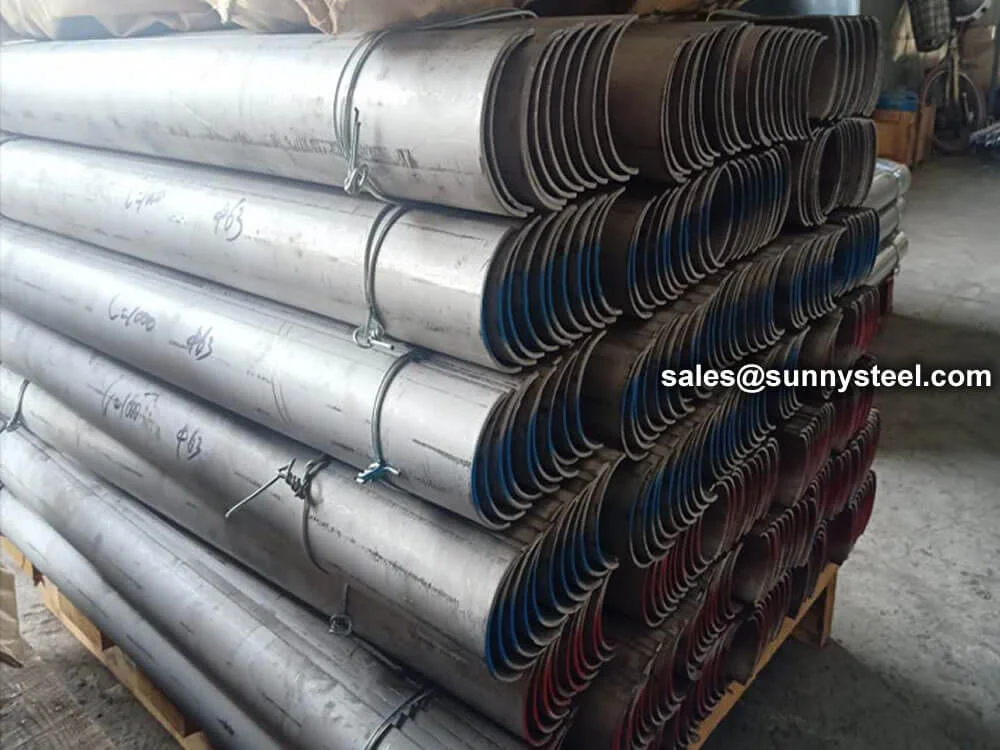
309S Stainless Ferrules & Fittings – Erosion Shield Solutions for Superheater Tubes
316L Stainless Steel Erosion Shields for Corrosion & Wear Resistance