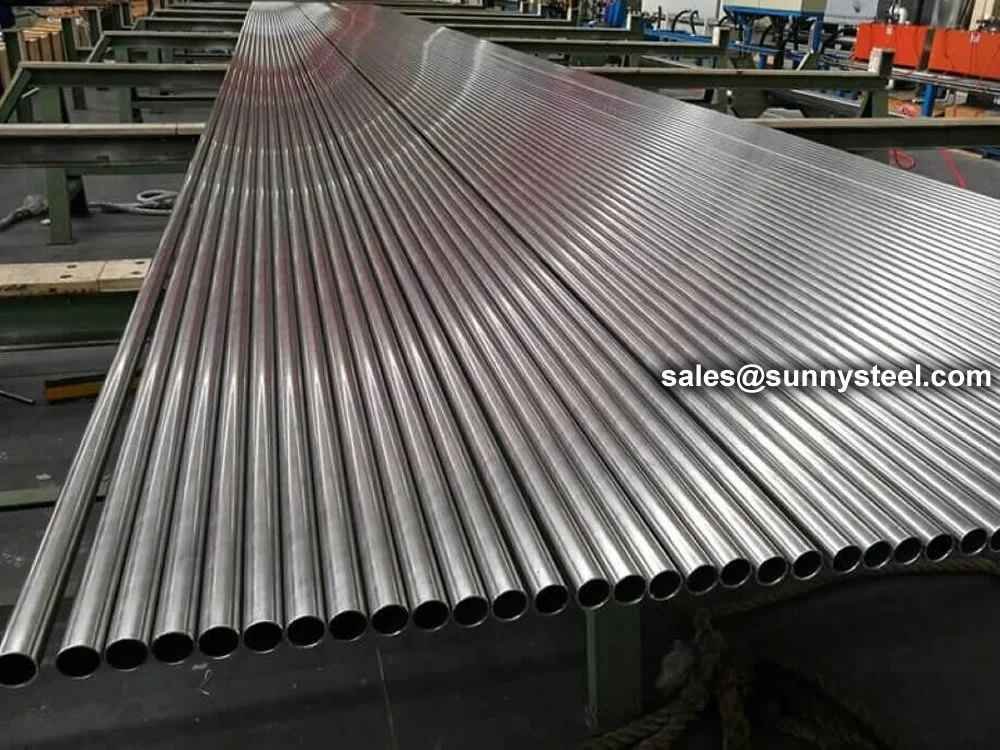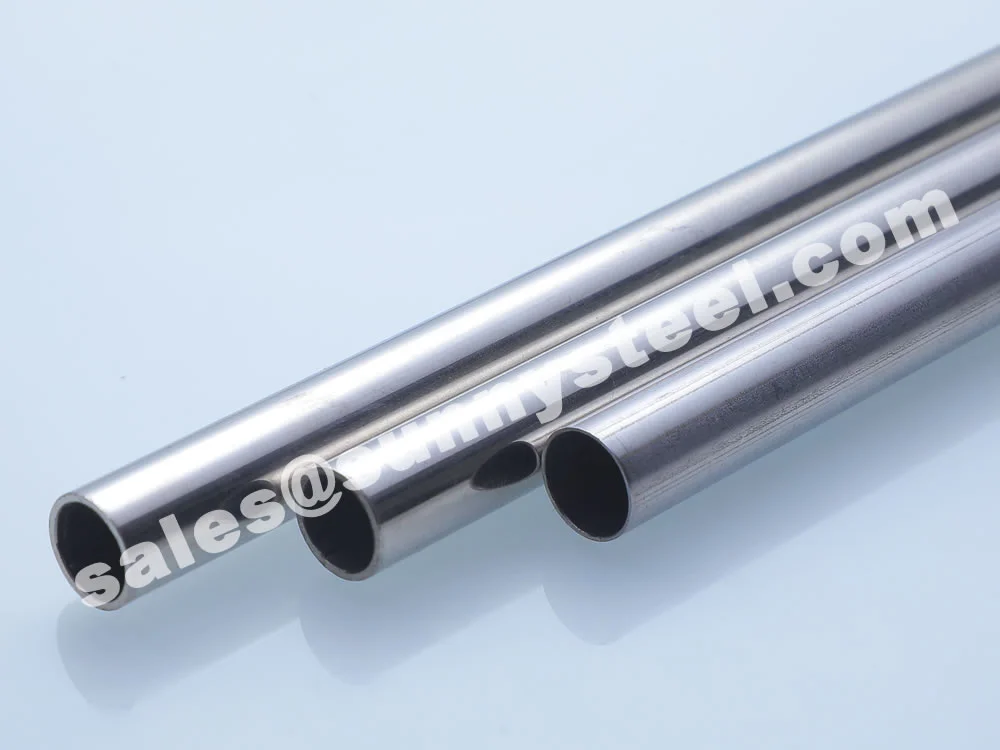
High-temperature Solutions For Boiler Pipelines And Industrial Piping
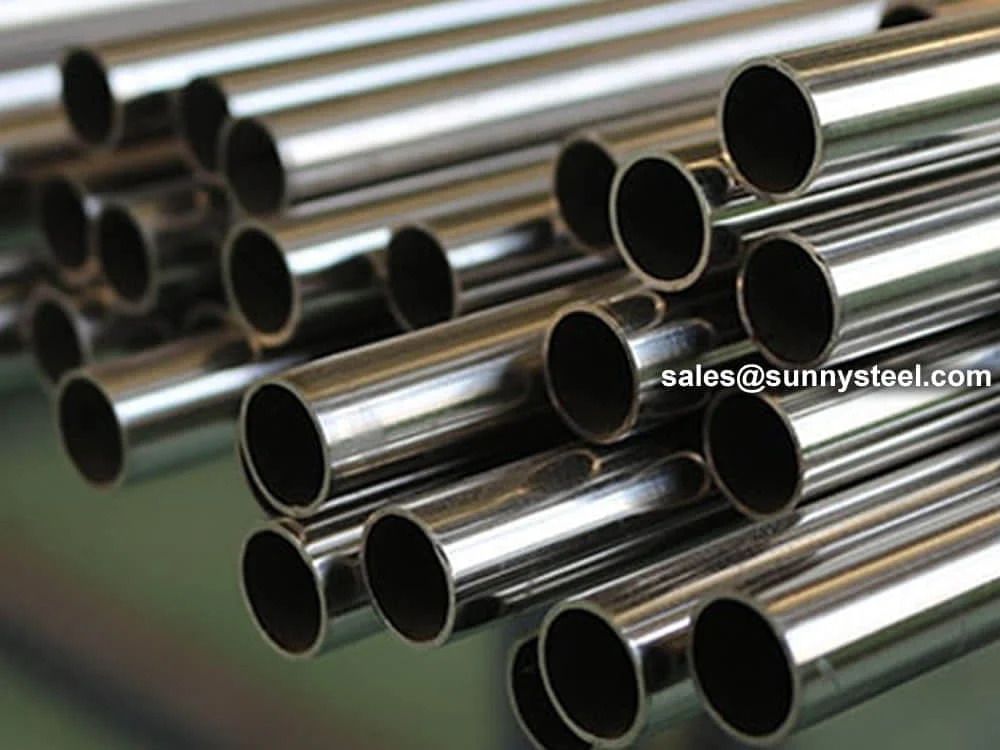
Ferritic stainless steel tubes are a crucial component in various industries due to their unique combination of strength, durability, and corrosion resistance.
High-temperature Solutions For Boiler Pipelines And Industrial Piping
Ferritic stainless steel tubes are a crucial component in various industries due to their unique combination of strength, durability, and corrosion resistance.
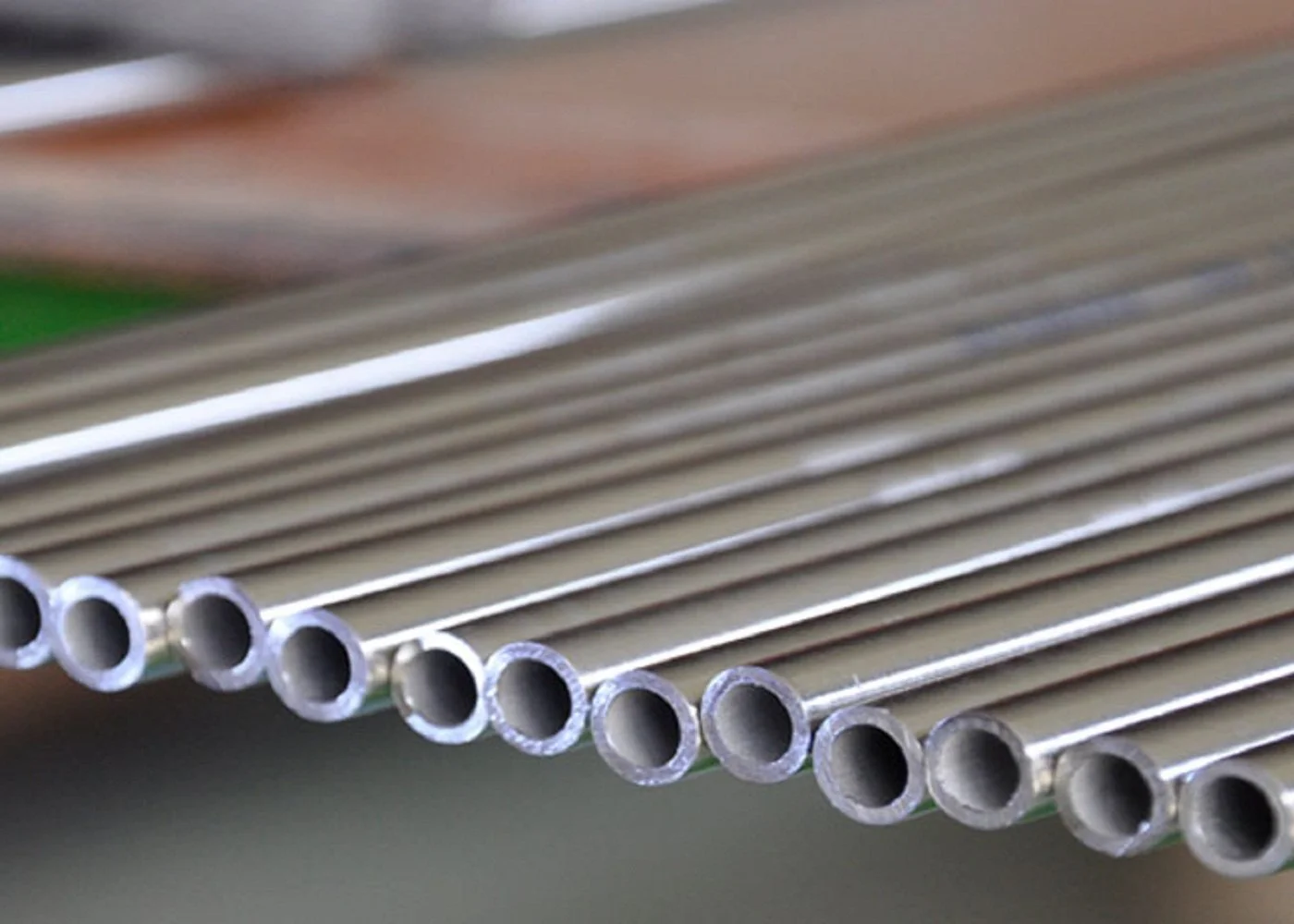
Ferritic stainless steel tubes are essential for industries requiring robust corrosion resistant tubes and high temperature tubing, particularly in boiler pipeline protection where oxidation and erosion pose significant threats. These tubes, characterized by high chromium content (10.5-30%) and low carbon ( Conforming to standards like ASTM A268 and A240, grades such as 409, 430, and 439 ensure reliable performance in power generation, petrochemical processing, and automotive exhaust systems, with seamless or welded constructions optimized for pressures up to 10 MPa and temperatures exceeding 800°C.
Produced through hot extrusion or cold pilgering, ferritic stainless steel tubes benefit from
annealing treatments that enhance ductility while preserving their ferritic microstructure and magnetic properties.
The absence of nickel reduces costs compared to austenitic alternatives, yet provides superior thermal
conductivity—up to twice that of 304 stainless steel—and lower thermal expansion, minimizing distortion in
fluctuating heat cycles typical of heat exchanger tubes.
In boiler pipeline protection, these tubes excel by mitigating steam-side erosion and fireside
corrosion from sulfurous environments, with high-chromium grades like 446 offering scaling resistance up to
1100°C.
Relative to martensitic steels, ferritic stainless steel tubes demonstrate better intergranular
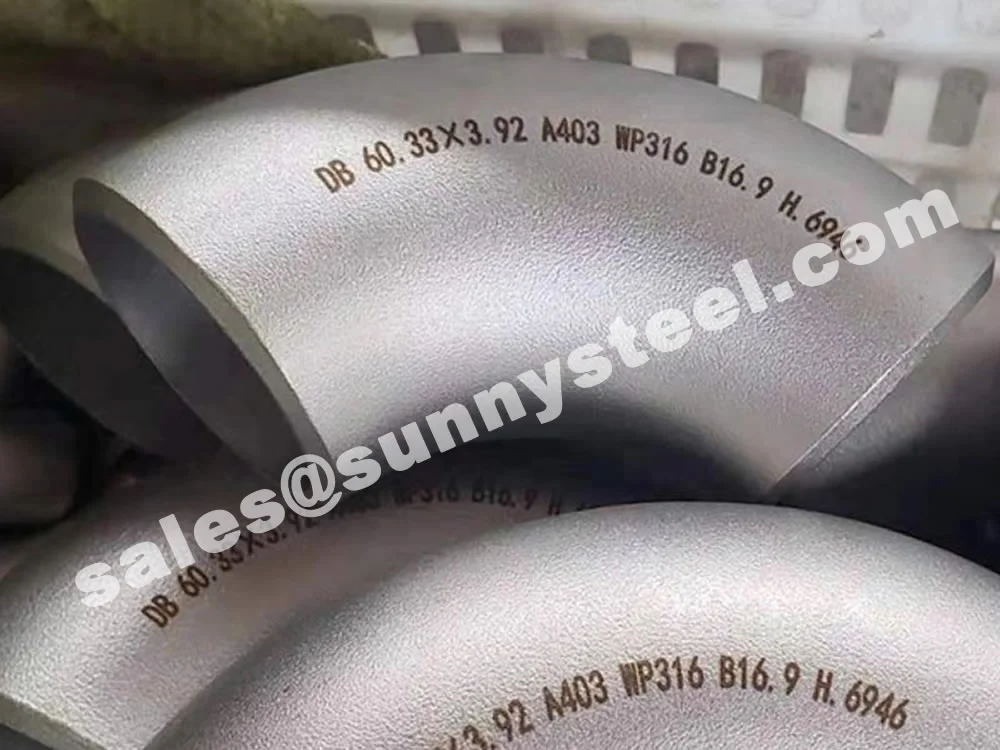
corrosion resistance and formability, supporting fabrication into elbows, reducers, and custom bends per ASTM
A403.
Tackling prevalent issues such as tube wall thinning from fly ash erosion or chloride-induced pitting,
corrosion resistant tubes like these extend operational life by 40-60% in harsh settings, lowering
downtime and repair expenses.
Typical composition for common ferritic grades (wt. % max unless specified; balance Fe).
| Grade | C | Mn | Si | P | S | Cr | Ni | Ti or Others |
|---|---|---|---|---|---|---|---|---|
| 409 | 0.08 | 1.00 | 1.00 | 0.045 | 0.045 | 10.5-11.75 | 0.50 | Ti: 6xC min - 0.75 max |
| 430 | 0.12 | 1.00 | 1.00 | 0.040 | 0.030 | 16.0-18.0 | 0.75 | - |
| 439 | 0.03 | 1.00 | 1.00 | 0.040 | 0.030 | 17.0-19.0 | 0.50 | Ti: 0.15-0.45 |
| 444 | 0.025 | 1.00 | 1.00 | 0.040 | 0.030 | 17.5-19.5 | 1.00 | Mo: 1.75-2.50; Ti: 5x(C+N) min - 0.8 max; Nb: 0.3-0.8 |
| 446 | 0.20 | 1.25 | 1.00 | 0.040 | 0.030 | 23.0-27.0 | 0.25 | Al: 0.10-0.50 (optional) |
Minimum values at room temperature for annealed condition.
| Grade | Tensile Strength (MPa) | Yield Strength (MPa) | Elongation (%) | Hardness (HB max) |
|---|---|---|---|---|
| 409 | 380 | 205 | 20 | 179 |
| 430 | 450 | 205 | 22 | 183 |
| 439 | 415 | 205 | 28 | 179 |
| 444 | 415 | 205 | 20 | 190 |
| 446 | 435 | 275 | 20 | 217 |
High chromium forms a protective oxide layer, shielding against pitting and oxidation in harsh industrial settings.
Maintains integrity up to 800°C with low expansion, ideal for boiler and furnace applications.
Resists abrasive flows and thermal fatigue, extending lifespan in erosion-prone pipelines.
Stabilized grades enable easy fusion welding without post-heat treatment in many cases.
Nickel-free composition lowers costs while delivering austenitic-level performance.
Magnetic and fully recyclable, supporting sustainable manufacturing practices.
| Grade | Key Feature | Typical Applications |
|---|---|---|
| 430 | Basic ferritic grade with good resistance to nitric acid, sulfur gases, and organic/food acids | Food processing equipment, chemical environments, decorative applications |
| 405 | Lower chromium with added aluminum to prevent hardening when cooled from high temperatures | Heat exchangers, thermal components |
| 409 | Lowest chromium content; most economical ferritic grade | Mufflers, automotive exhaust components, exterior non-critical parts |
| 434 | Improved corrosion resistance with added molybdenum | Automotive trim, fasteners, architectural components |
| 436 | Enhanced corrosion and heat resistance with columbium (niobium) | Deep-drawn parts, industrial components |
| 442 | Higher chromium content for improved scaling resistance | Furnace parts, heater components |
| 446 | Highest chromium among listed grades; excellent high-temperature corrosion resistance | Oxidizing and sulfuric atmospheres, high-temperature furnace applications |
| GB | ISO Unified Digital Code |
ASTM / ASME | UNS Code | EN Code | Company Commercial Grade |
|---|---|---|---|---|---|
| 06Cr13Al | S11348 | 405 | S40500 | 1.4002 | – |
| – | 409 409L | S40900 | 1.4512 | ||
| 0Cr13SiAl | – | – | – | 1.4724 | SIC9(Sanyo)/ 1C256(Sandvik) |
| 10Cr17 | S11710 | 430 | S43000 | 1.4016 | – |
| 022Cr18Ti | S11863 | 439 | S43035 | 1.451 | – |
| 019Cr19Mo2NbTi | S11972 | 444 | S44400 | 1.4521 | – |
| 0Cr18SiAl | – | – | – | 1.4742 | SIC10(Sanyo)/ 1C356(Sandvik) |
| 0Cr24SiAl | – | – | – | 1.4762 | SIC12(Sanyo) |
| 16Cr25N | S12550 | TP446-1/TP446-2 | S44600 | 1.4762 | 2C52/2C48(Sandvik) |
| 1Cr25Ti | – | – | – | – | QS25T(Sanyo) |
| 00Cr27Mo3Ni2TiNb | – | S44660 | S44660 | – | Sea-Cure(Plymouth Tube) |
| 00Cr29Mo4TiNb | – | S44735 | S44735 | – | AL29-4C(ATI) |
| 00Cr29Mo4Ni2TiNb | – | S44736 | S44736 | – | AL29-4-2(ATI) |
| – | S44300 | S44300 | 1.4522 | 443 |
Ferritic stainless steels, which are part of the 400 series of stainless alloys, have chromium as their major alloying element and are typically low in carbon content. Their ductility and formability are lower than those of the austenitic grades. The corrosion resistance is comparable to that of austenitic stainless steels in certain applications. Thermal conductivity is about half that of carbon steels.
Ferritic stainless steels are magnetic and generally have good ductility. They can be welded or fabricated without difficulty. These grades can be processed to develop an aesthetically pleasing, bright finish and are therefore sometimes used for automotive trim and appliance molding.
They are also commonly used in functional applications where cost is a significant factor, such as automotive exhaust systems, catalytic converters, radiator caps, and chimney liners. These grades can be hardened by cold rolling, although not to the same extent as austenitic alloys.
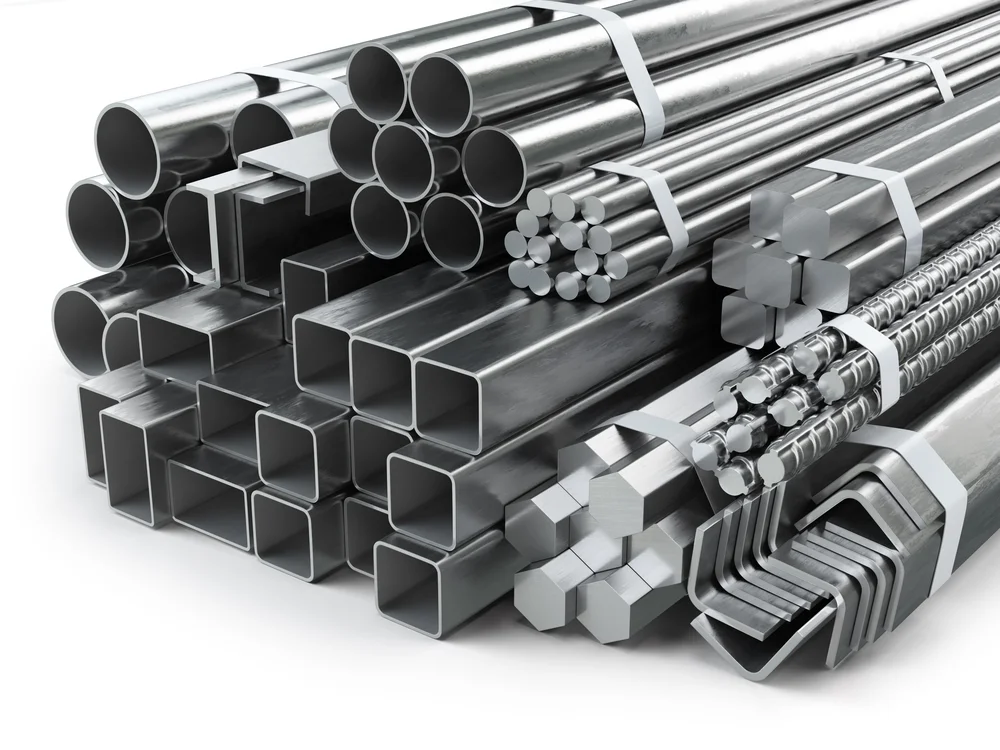
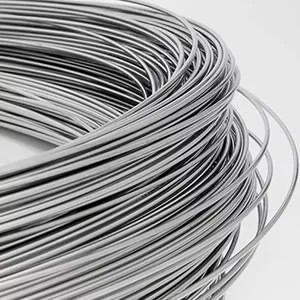
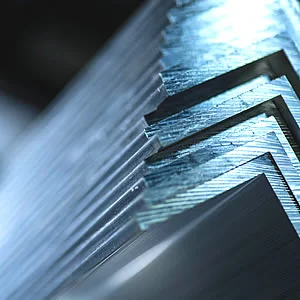
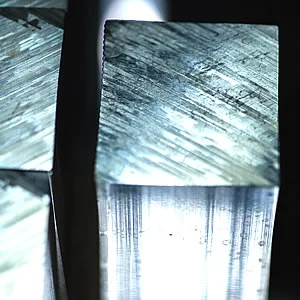
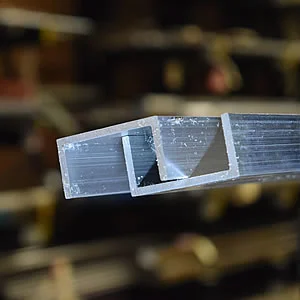
We stock stainless steels in a multitude of shapes and sizes.
We support our stainless steel stock with a wide range of shapes and sizes to suit your engineering applications. We hold thirteen different types of shapes to support the grades of material we stock, including bars, sheets and plates.
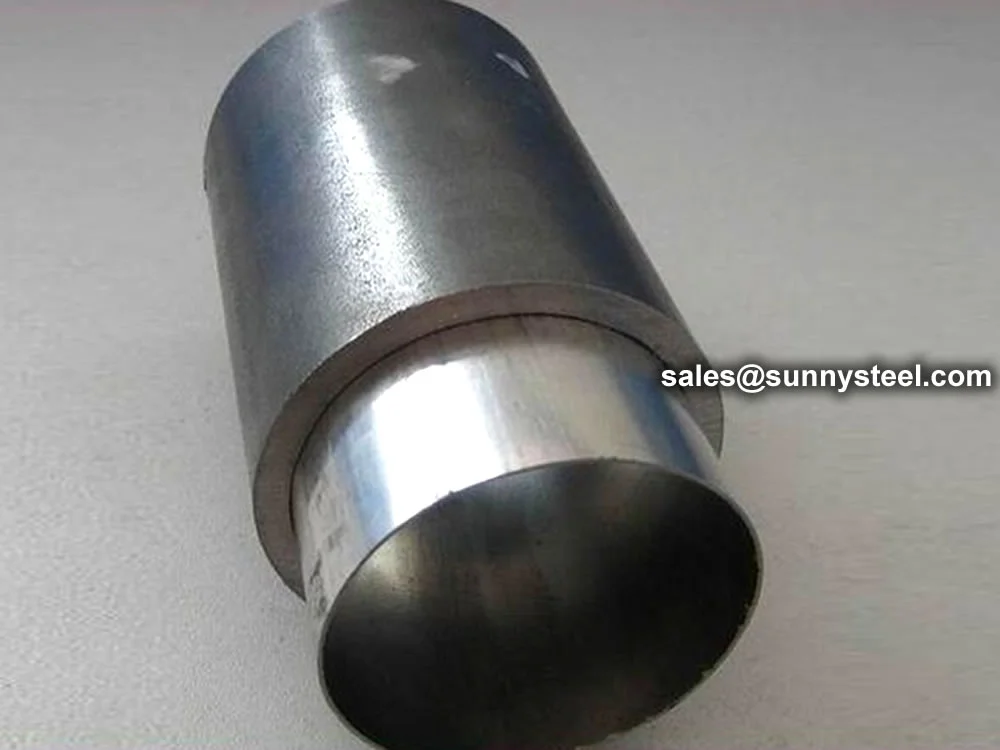
Stainless Carbon Steel Composite Pipe
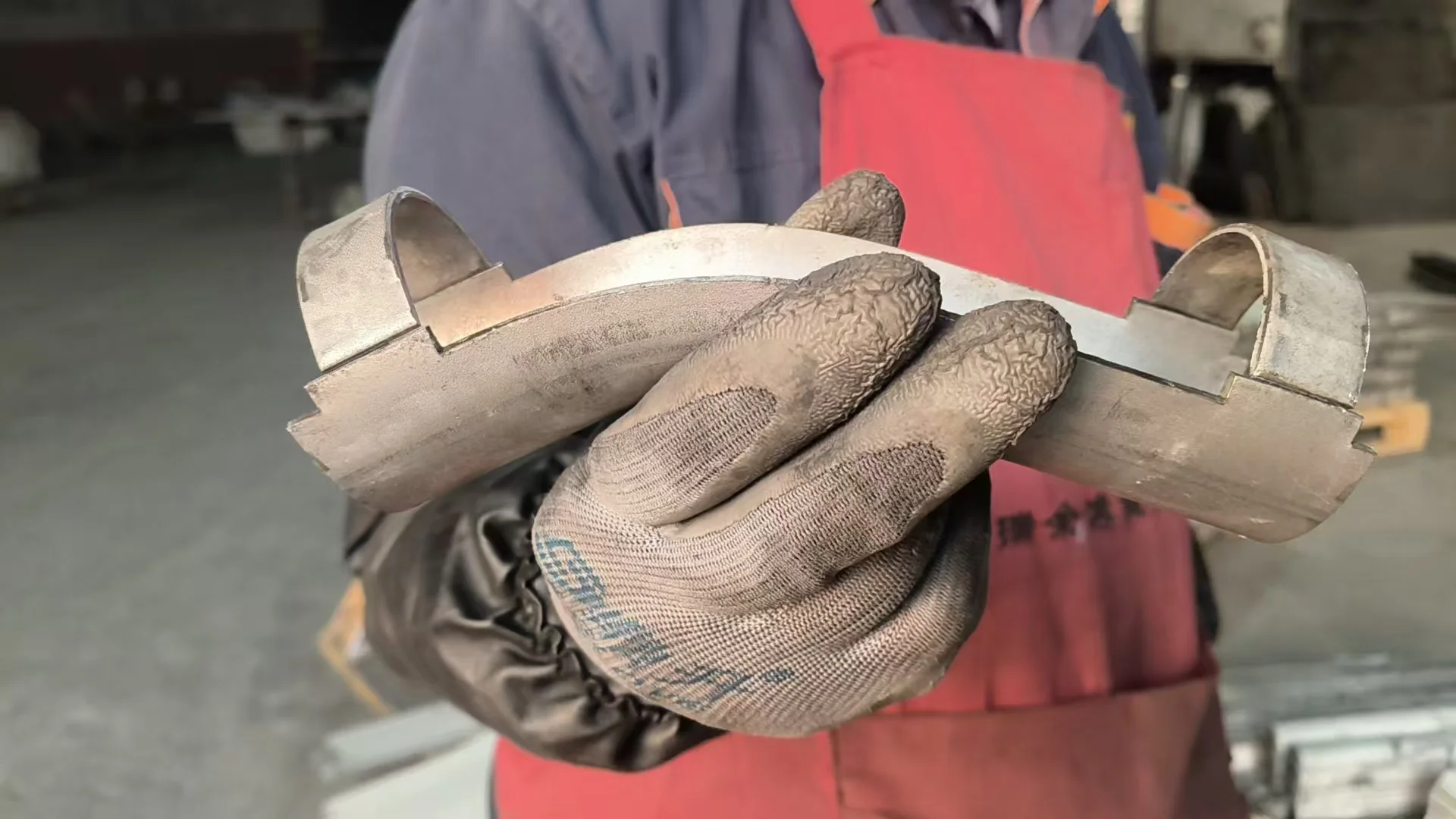
Material-Specific Erosion Shields


| Grade | C (% max) | Mn (% max) | Si (% max) | P (% max) | S (% max) | Cr (%) | Ni (%) | Mo (%) | N (% max) |
|---|---|---|---|---|---|---|---|---|---|
| 304 | 0.08 | 2.00 | 1.00 | 0.045 | 0.030 | 18.0-20.0 | 8.0-11.0 | - | 0.10 |
| 304L | 0.03 | 2.00 | 1.00 | 0.045 | 0.030 | 18.0-20.0 | 8.0-12.0 | - | 0.10 |
| 316 | 0.08 | 2.00 | 1.00 | 0.045 | 0.030 | 16.0-18.0 | 10.0-14.0 | 2.0-3.0 | 0.10 |
| 316L | 0.03 | 2.00 | 1.00 | 0.045 | 0.030 | 16.0-18.0 | 10.0-14.0 | 2.0-3.0 | 0.10 |
The low carbon content in 304L and 316L enhances weldability, while molybdenum in 316 and 316L improves resistance to pitting and crevice corrosion, making Ferritic stainless steel tubes ideal for harsh environments.
| Grade | Tensile Strength (min, MPa) | Yield Strength (min, MPa) | Elongation (min, %) | Hardness (max, HB) | Hardness (max, HRB) |
|---|---|---|---|---|---|
| 304 | 515 | 205 | 40 | 201 | 92 |
| 304L | 485 | 170 | 40 | 201 | 92 |
| 316 | 515 | 205 | 40 | 217 | 95 |
| 316L | 485 | 170 | 40 | 217 | 95 |
These mechanical properties make Ferritic stainless steel tubes suitable for applications requiring high strength and corrosion resistance, such as architectural structures, marine environments, and chemical processing.
In order to solve the cumbersome and difficult to remember stainless steel grades, improve the practicability of the brand representation, and the contrast with the international standard grades, China has formulated the "Universal Code System for Steel and Alloy Grades", such as 06Cr19Ni10, corresponding to 304. Different grades of stainless steel have different ingredients, but they all have a national standard. The standards of each country are also different.
| No | China (GB) | Japan (JIS) | American | Korea (KS) | EU (BS EN) | India (IS) | Australia (AS) | Taiwan (CNS) | ||
|---|---|---|---|---|---|---|---|---|---|---|
| Old | New (07.10) | SUS | ASTM | UNS | STS | EN | IS | AS | CNS | |
| Austenitic Stainless Steel | ||||||||||
| 1 | 1Cr17Mn6Ni5N | 12Cr17Mn6Ni5N | SUS201 | 201 | S20100 | STS201 | 1.4372 | 10Cr17Mn6Ni4N20 | 201-2 | 201 |
| 2 | 1Cr18Mn8Ni5N | 12Cr18Mn9Ni5N | SUS202 | 202 | S20200 | STS202 | 1.4373 | — | — | 202 |
| 3 | 1Cr17Ni7 | 12Cr17Ni7 | SUS301 | 301 | S30100 | STS301 | 1.4319 | 10Cr17Ni7 | 301 | 301 |
| 4 | 0Cr18Ni9 | 06Cr19Ni10 | SUS304 | 304 | S30400 | STS304 | 1.4301 | 07Cr18Ni9 | 304 | 304 |
| 5 | 00Cr19Ni10 | 022Cr19Ni10 | SUS304L | 304L | S30403 | STS304L | 1.4306 | 02Cr18Ni11 | 304L | 304L |
| 6 | 0Cr19Ni9N | 06Cr19Ni10N | SUS304N1 | 304N | S30451 | STS304N1 | 1.4315 | — | 304N1 | 304N1 |
| 7 | 0Cr19Ni10NbN | 06Cr19Ni9NbN | SUS304N2 | XM21 | S30452 | STS304N2 | — | — | 304N2 | 304N2 |
| 8 | 00Cr18Ni10N | 022Cr19Ni10N | SUS304LN | 304LN | S30453 | STS304LN | — | — | 304LN | 304LN |
| 9 | 1Cr18Ni12 | 10Cr18Ni12 | SUS305 | 305 | S30500 | STS305 | 1.4303 | — | 305 | 305 |
| 10 | 0Cr23Ni13 | 06Cr23Ni13 | SUS309S | 309S | S30908 | STS309S | 1.4833 | — | 309S | 309S |
| 11 | 0Cr25Ni20 | 06Cr25Ni20 | SUS310S | 310S | S31008 | STS310S | 1.4845 | — | 310S | 310S |
| 12 | 0Cr17Ni12Mo2 | 06Cr17Ni12Mo2 | SUS316 | 316 | S31600 | STS316 | 1.4401 | 04Cr17Ni12Mo2 | 316 | 316 |
| 13 | 0Cr18Ni12Mo3Ti | 06Cr17Ni12Mo2Ti | SUS316Ti | 316Ti | S31635 | — | 1.4571 | 04Cr17Ni12MoTi20 | 316Ti | 316Ti |
| 14 | 00Cr17Ni14Mo2 | 022Cr17Ni12Mo2 | SUS316L | 316L | S31603 | STS316L | 1.4404 | 02Cr17Ni12Mo2 | 316L | 316L |
| 15 | 0Cr17Ni12Mo2N | 06Cr17Ni12Mo2N | SUS316N | 316N | S31651 | STS316N | — | — | 316N | 316N |
| 16 | 00Cr17Ni13Mo2N | 022Cr17Ni13Mo2N | SUS316LN | 316LN | S31653 | STS316LN | 1.4429 | — | 316LN | 316LN |
| 17 | 0Cr18Ni12Mo2Cu2 | 06Cr18Ni12Mo2Cu2 | SUS316J1 | — | — | STS316J1 | — | — | 316J1 | 316J1 |
| 18 | 00Cr18Ni14Mo2Cu2 | 022Cr18Ni14Mo2Cu2 | SUS316J1L | — | — | STS316J1L | — | — | — | 316J1L |
| 19 | 0Cr19Ni13Mo3 | 06Cr19Ni13Mo3 | SUS317 | 317 | S31700 | STS317 | — | — | 317 | 317 |
| 20 | 00Cr19Ni13Mo3 | 022Cr19Ni13Mo3 | SUS317L | 317L | S31703 | STS317L | 1.4438 | — | 317L | 317L |
| 21 | 0Cr18Ni10Ti | 06Cr18Ni11Ti | SUS321 | 321 | S32100 | STS321 | 1.4541 | 04Cr18Ni10Ti20 | 321 | 321 |
| 22 | 0Cr18Ni11Nb | 06Cr18Ni11Nb | SUS347 | 347 | S34700 | STS347 | 1.4550 | 04Cr18Ni10Nb40 | 347 | 347 |
| Austenitic-Ferritic Stainless Steel (Duplex) | ||||||||||
| 23 | 0Cr26Ni5Mo2 | — | SUS329J1 | 329 | S32900 | STS329J1 | 1.4477 | — | 329J1 | 329J1 |
| 24 | 00Cr18Ni5Mo3Si2 | 022Cr19Ni5Mo3Si2N | SUS329J3L | — | S31803 | STS329J3L | 1.4462 | — | 329J3L | 329J3L |
| Ferritic Stainless Steel | ||||||||||
| 25 | 0Cr13Al | 06Cr13Al | SUS405 | 405 | S40500 | STS405 | 1.4002 | 04Cr13 | 405 | 405 |
| 26 | — | 022Cr11Ti | SUH409 | 409 | S40900 | STS409 | 1.4512 | — | 409L | 409L |
| 27 | 00Cr12 | 022Cr12 | SUS410L | — | — | STS410L | — | — | 410L | 410L |
| 28 | 1Cr17 | 10Cr17 | SUS430 | 430 | S43000 | STS430 | 1.4016 | 05Cr17 | 430 | 430 |
| 29 | 1Cr17Mo | 10Cr17Mo | SUS434 | 434 | S43400 | STS434 | 1.4113 | — | 434 | 434 |
| 30 | — | 022Cr18NbTi | — | — | S43940 | — | 1.4509 | — | 439 | 439 |
| 31 | 00Cr18Mo2 | 019Cr19Mo2NbTi | SUS444 | 444 | S44400 | STS444 | 1.4521 | — | 444 | 444 |
| Martensitic Stainless Steel | ||||||||||
| 32 | 1Cr12 | 12Cr12 | SUS403 | 403 | S40300 | STS403 | — | — | 403 | 403 |
| 33 | 1Cr13 | 12Cr13 | SUS410 | 410 | S41000 | STS410 | 1.4006 | 12Cr13 | 410 | 410 |
| 34 | 2Cr13 | 20Cr13 | SUS420J1 | 420 | S42000 | STS420J1 | 1.4021 | 20Cr13 | 420 | 420J1 |
| 35 | 3Cr13 | 30Cr13 | SUS420J2 | — | — | STS420J2 | 1.4028 | 30Cr13 | 420J2 | 420J2 |
| 36 | 7Cr17 | 68Cr17 | SUS440A | 440A | S44002 | STS440A | — | — | 440A | 440A |
Seamless pipes are critical in various industries thanks to their excellent strength, temperature resistance, and structural uniformity. They ensure safe and efficient performance in demanding environments.
Used in steam pipelines, boiler tubes, superheaters, and heat exchangers for high-temperature and high-pressure conditions in power plants.
Transports crude oil, natural gas, and petroleum products in pipelines and refinery units, handling high-pressure and corrosion.
Handles chemicals, gases, and hazardous substances in reactors and heat exchangers, ensuring safe processing.
Applied in automotive systems and machinery for fluid conveyance and precision components requiring strength and accuracy.
Used in structural support, water and sewage systems, and building frameworks for strength and corrosion resistance.
Utilized in hydraulic and engine systems onboard, resisting corrosion in marine environments.
Employed in aircraft and military equipment for hydraulic systems and structural components.
Stainless pipes for hygienic transport of food and pharmaceutical products, maintaining sterility.
Designed for transporting slurries and chemicals in mining, withstanding abrasion and harsh conditions.
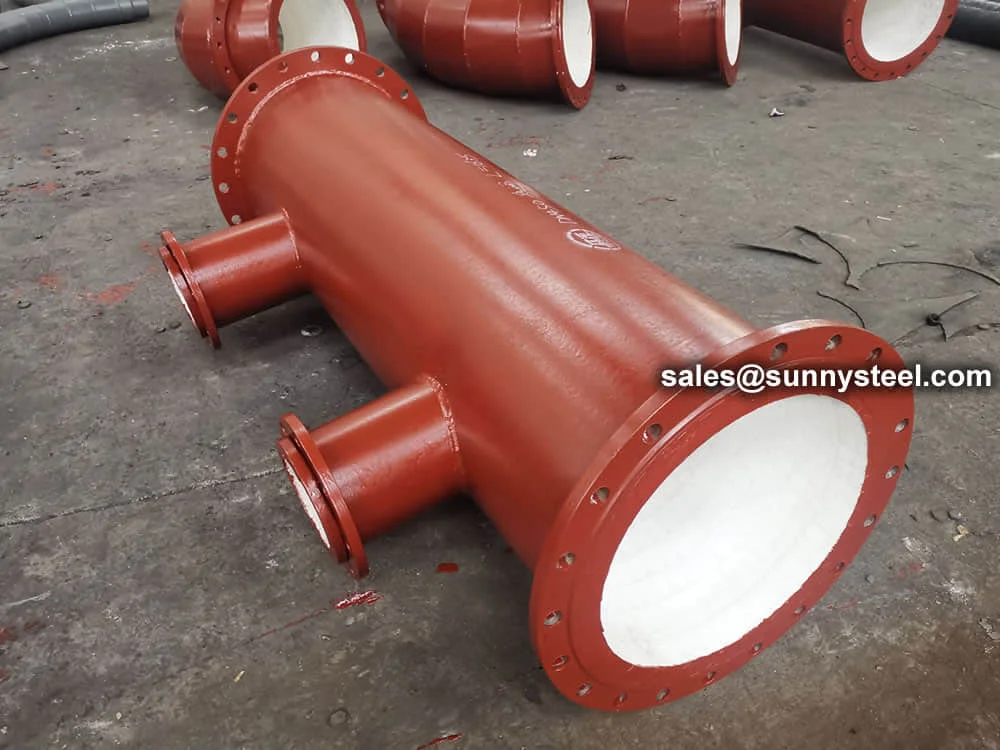
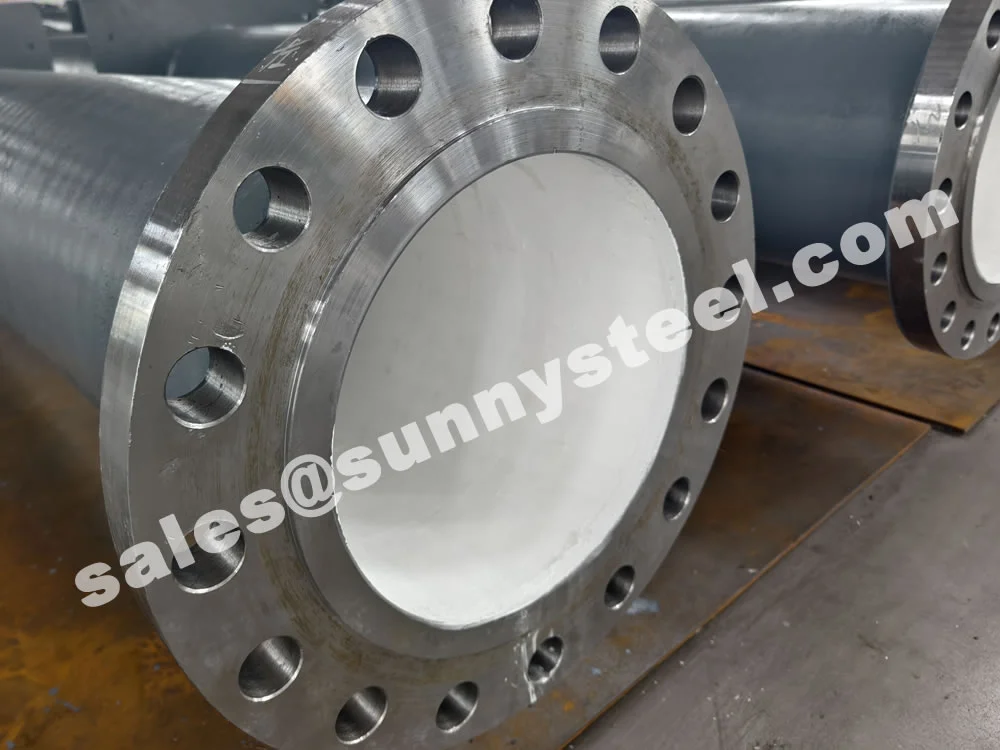
Customized Alumina Ceramic Lined Project
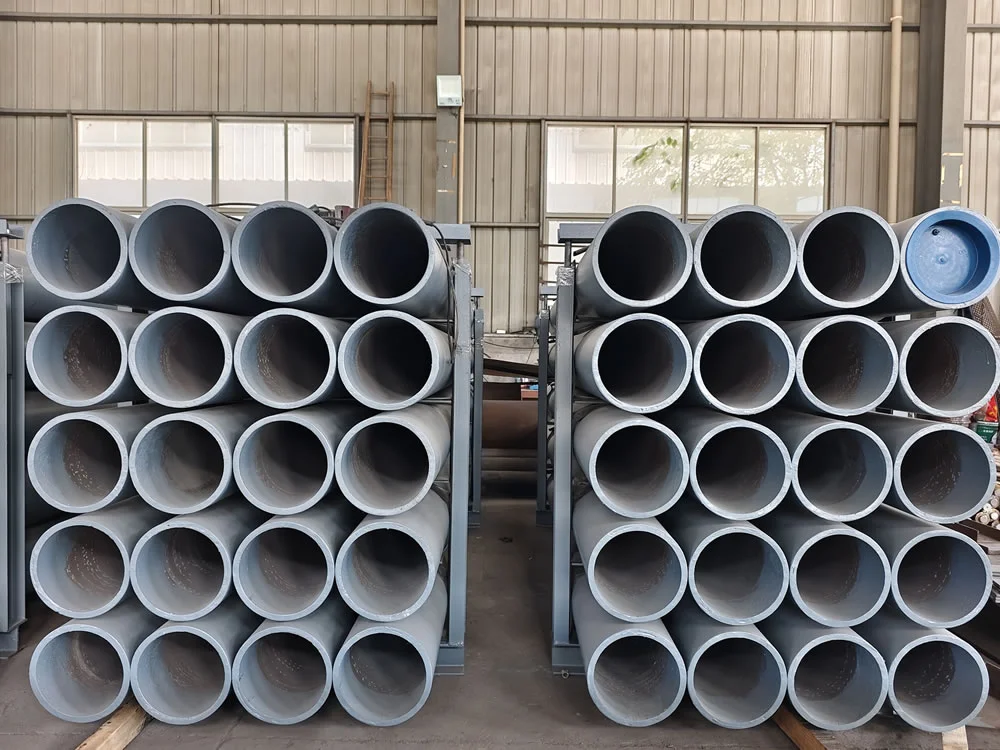
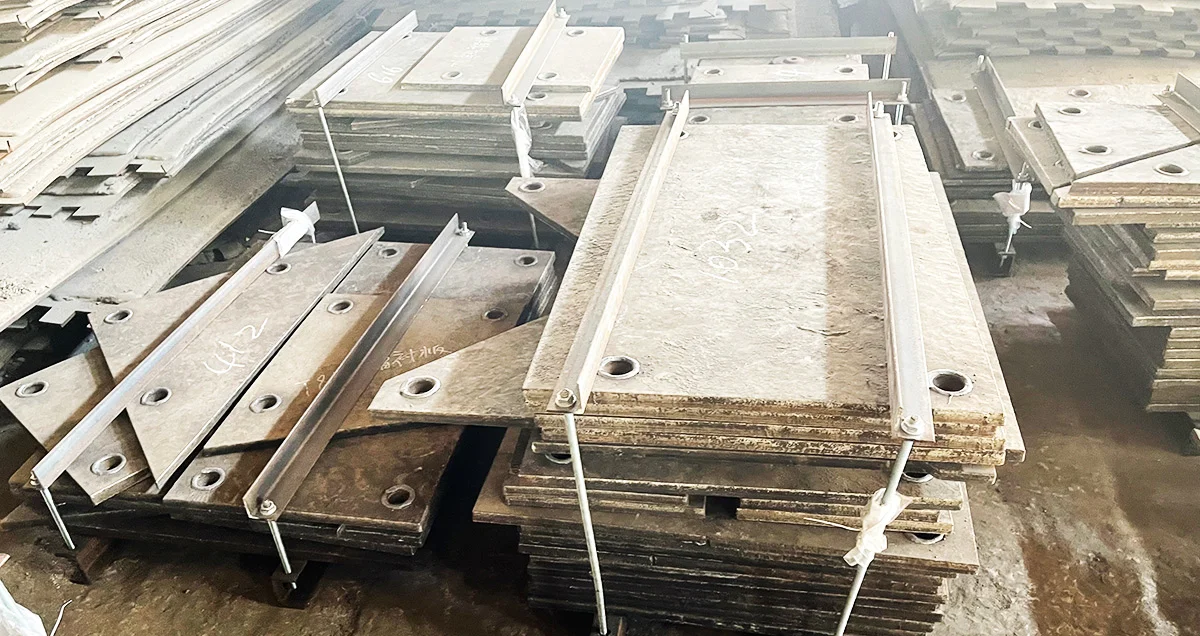
Wear-Resistant Hardfacing Liner Plate