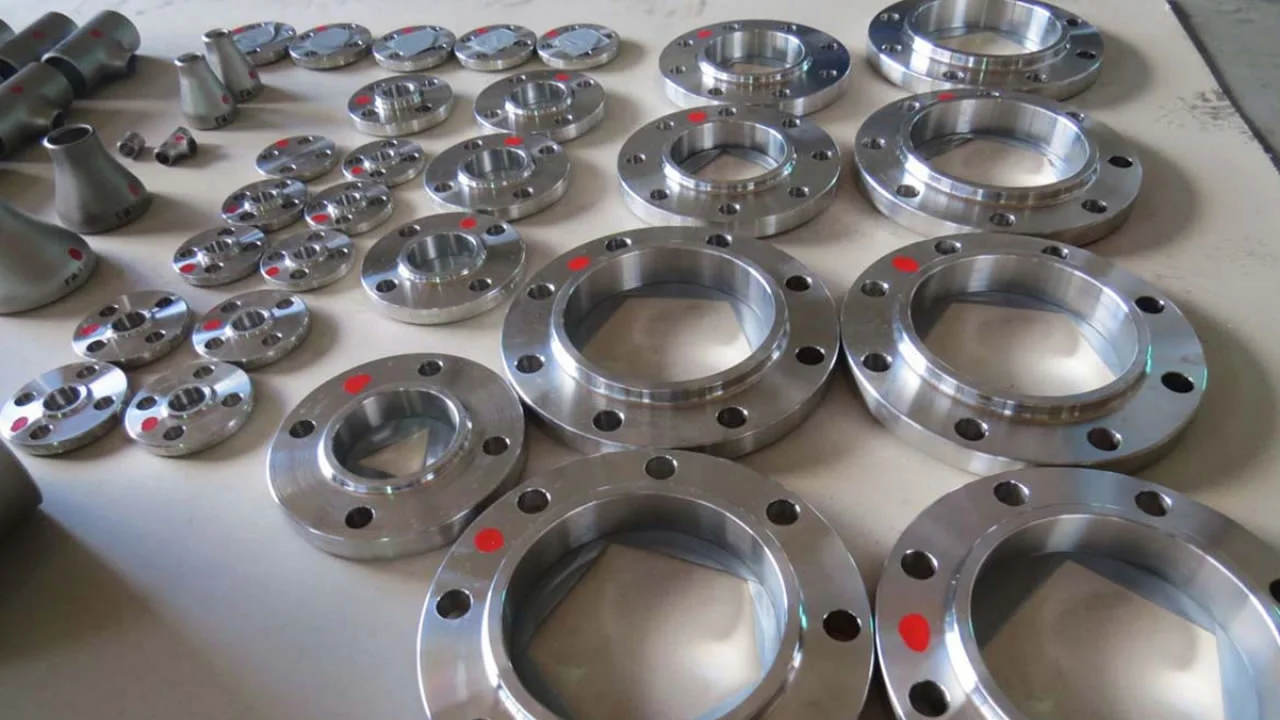
Corrosion-resistant Piping Solutions
Stainless steel 304/ 304l flanges may be manufactured in accordance with asme b16.
Corrosion-resistant Piping Solutions
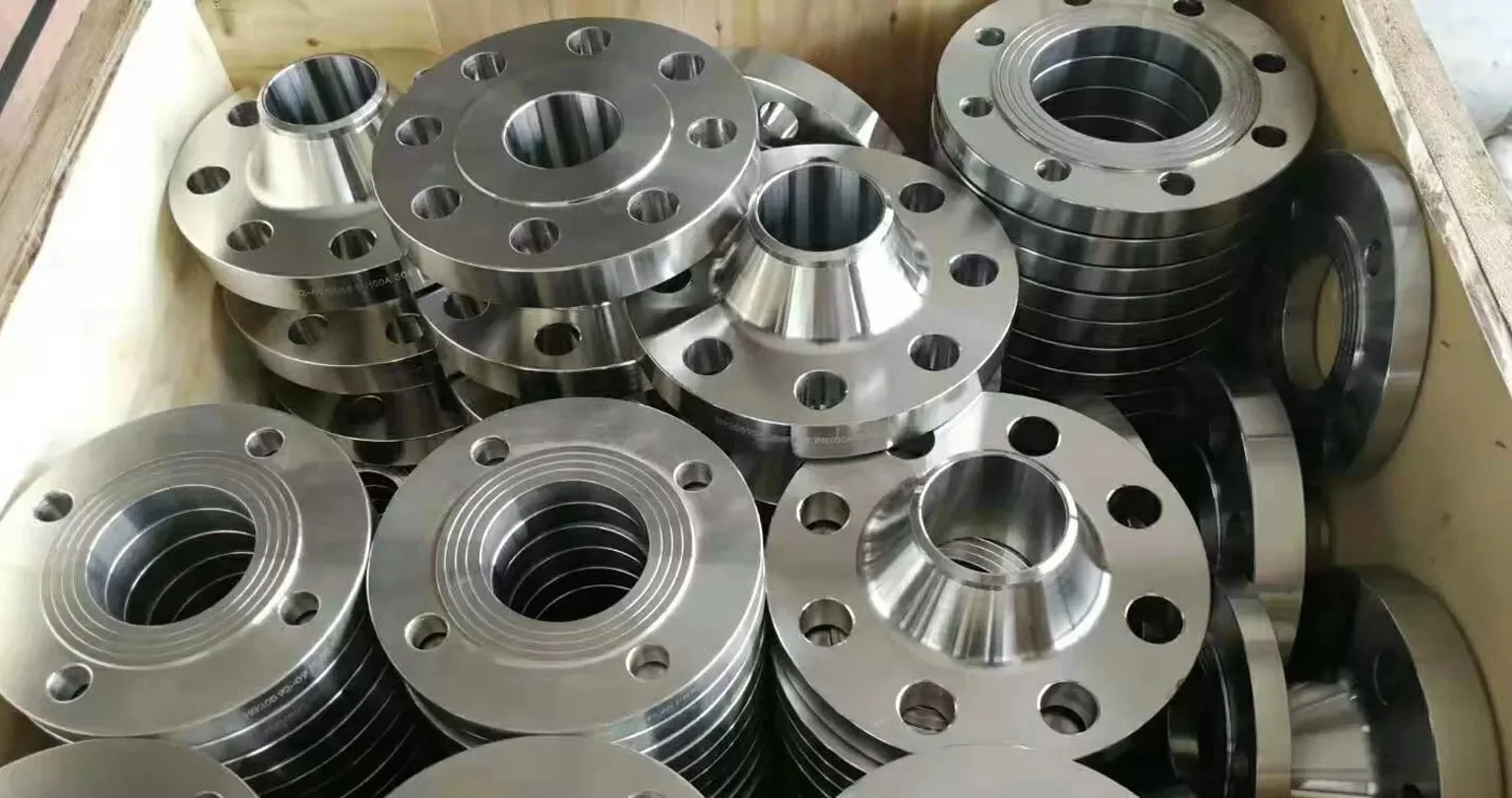
Stainless steel 304/ 304l flanges may be manufactured in accordance with asme b16.5 or asme b16.47 with nominal composition of 18cr-8ni. the letter “l” denotes low-carbon version of the 304 stainless steel. the flanges may be made from forgings, castings, or plates covering various types and classes of asme b16.5 and asme b16.47 (both series a and series b).
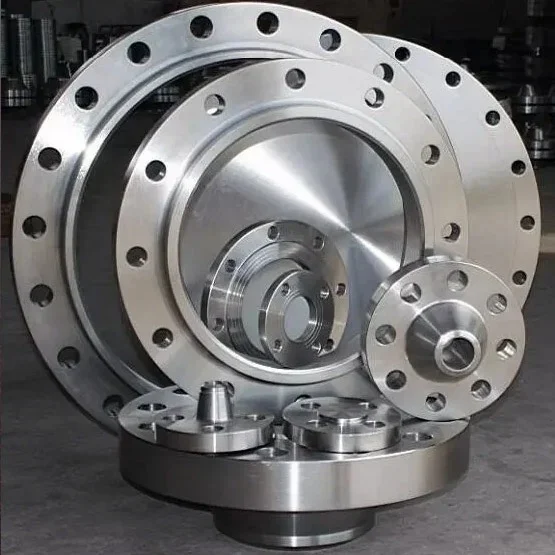
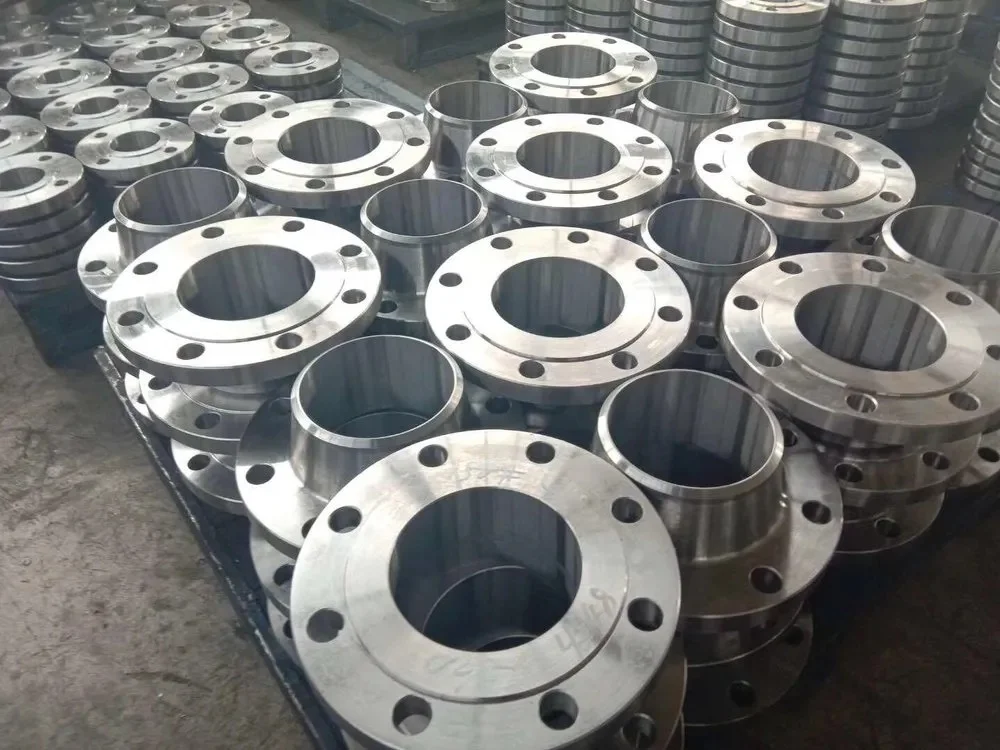
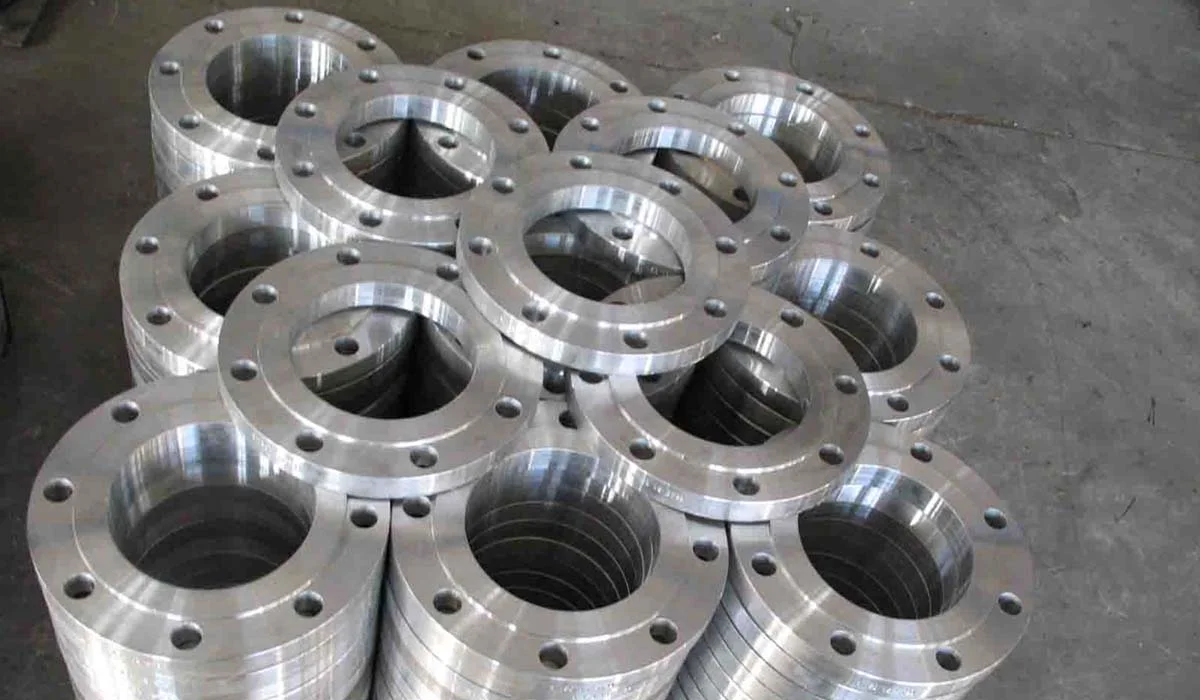
Stainless Steel 304 Flanges are corrosion-resistant flanges crafted from grade 304 stainless steel, adhering to ASTM A182 and ASME B16.5 standards as of August 25, 2025, 02:47 AM PDT. These Corrosion-Resistant Flanges excel in durability.
Available in sizes from 1/2” to 48” with pressure ratings up to Class 2500, Stainless Steel 304 Flanges withstand temperatures up to 870°C, making them ideal for demanding environments.
Forged or machined with a high chromium-nickel composition, these flanges offer excellent resistance to oxidation and corrosion, enhanced by surface treatments like passivation as of August 2025. Reliability stands out.
Compared to carbon steel flanges, Stainless Steel 304 Flanges provide superior corrosion resistance, with a service life of 20–40 years with proper maintenance and care.
Stainless Steel 304 Flanges address challenges like rust and chemical exposure, delivering robust stainless steel piping flanges as of August 25, 2025.
| Element | Percentage (%) | Function |
|---|---|---|
| Carbon (max) | 0.08 | Enhances strength and hardness |
| Manganese (max) | 2.00 | Improves toughness |
| Phosphorus (max) | 0.045 | Reduces brittleness |
| Sulfur (max) | 0.030 | Enhances machinability |
| Silicon (max) | 1.00 | Increases strength |
| Chromium | 18.0–20.0 | Provides corrosion resistance |
| Nickel | 8.0–10.5 | Enhances ductility and resistance |
| Nitrogen (max) | 0.10 | Improves strength |
The composition of Stainless Steel 304 Flanges ensures exceptional corrosion resistance and mechanical stability.
| Property | Value | Test Standard |
|---|---|---|
| Tensile Strength (min) | 515 MPa | ASTM A370 |
| Yield Strength (min) | 205 MPa | ASTM A370 |
| Elongation (min) | 40% | ASTM E8 |
| Hardness (Brinell) | 123–183 HB | ASTM E10 |
| Impact Toughness (min) | 50 J at -196°C | ASTM E23 |
| Temperature Range | -196°C to 870°C | N/A |
These properties make Stainless Steel 304 Flanges ideal for high-temperature and corrosive environments.
| Standard/Type | Material | Size Range | Pressure Rating | Key Advantage |
|---|---|---|---|---|
| Stainless Steel 304 Flanges | Grade 304 Stainless Steel | 1/2”–48” | Up to Class 2500 | Superior Corrosion Resistance |
| ASME B16.5 | Forged Steel | 1/2”–24” | Class 150–2500 | Standardized Versatility |
| ASTM A105 | Carbon Steel | 1/2”–48” | Class 150–2500 | Cost-Effective Strength |
| Stainless Steel 316 Flanges | Grade 316 Stainless Steel | 1/2”–48” | Up to Class 2500 | Enhanced Corrosion Resistance |
Stainless Steel 304 Flanges offer excellent corrosion resistance, while ASME B16.5 provides versatility, ASTM A105 is cost-effective, and 316 Flanges enhance resistance further as of August 25, 2025.
| Standard Code | Standard Name & Flange Types |
|---|---|
| American Steel Flanges Standard | |
| ANSI ASME SA-182 | Forged Flanges |
| ANSI ASME B16.5 | Slip on flange, Welding neck flange, Blind flange, Threaded flange, Lap joint flange, RTJ flange |
| ASME – B 16.47 | Welding neck flange, Blind flange |
| ASME – B 16.36 | Welding neck flange, Slip on flange |
| German Steel Flanges Standard | |
| DIN 2527 | Steel Blind Flanges, BLRF |
| DIN 2573 / 2576 | Flat Flange for Welding (Slip On) |
| DIN 2673 | Loose Flanges and Rings for Welding (Slip On Flanges and Plain Collars) |
| DIN 2641 / 2642 | Lapped / Loose (Lap Joint) Flanges Plain Collars |
| DIN 28115 | Long Neck Welding Flanges |
| DIN PN10, PN16 | SS 304 PN10 Flanges, 304L SS DIN PN 10 Flanges, 304 SS PN16 Flange |
| DIN PN20, PN25 | SS 304 PN20 Flanges, 304L SS DIN PN 25 Flanges |
| DIN PN40, PN50 | SS 304 PN40 Flanges, 304L SS DIN PN 50 Flanges |
| Japanese Steel Flanges Standard | |
| JIS B2220 | Slipon plate flange (SOP), Slipon Hub (SOH), Socket Welding flange (SW), Welding neck flange (WN), Lapjoint (LJ), Threaded flange (TR)/ Integral flange (IT) Blank flange (BL) |
| JIS B2291 | Slipon plate flange (SOP), Slipon Hub (SOH), Socket Welding flange (SW), Welding neck flange (WN), Lapjoint (LJ), Threaded flange (TR)/ Integral flange (IT) Blank flange (BL) |
| JIS 5K, 10K | SS 304 5K SORF Flanges, 304L SS 10K SOFF Flanges |
| JIS 16K, 20K | SS 304 16K Blind Flanges, 304L SS 20K BLRF Flanges |
| JIS 30K, 40K | SS 304 30K Slip on Flanges, 304L SS 40K Blind Flanges |
| Italian Flanges Standard | |
| UNI FLANGES | Plan flanges (2276, 2277, 2278, 6083, 6084); Welding neck (2280, 2281, 2282, 2283, 2284, 2285, 2286); Lapped flanges (6088, 6089, 6090, 2999, 2300); Blind flanges (6091, 6092, 6093, 6094, 6095, 6096, 6097); Threaded flanges (2253, 2254) |
| British Standard Pipe Flanges Standard | |
| BS 10 Table D | SS 304 BS 10 Table D Flanges, 304L Table D Pipe Flange |
| BS 10 Table E | SS 304 BS 10 Table E Flanges, 304L Table E Pipe Flange |
| BS 10 Table F | SS 304 BS 10 Table F Flanges, 304L Stainless Steel Table F Flanges |
| BS 10 Table H | SS 304 BS 10 Table H Flanges, Stainless Steel 304L Table H Pipe Flanges |
There are hundreds of different grades of stainless steel on the market. Each formulation offers enhanced corrosion resistance over plain carbon steel. Grade 304, 304L, and 304H are chemically similar but vary in carbon content, impacting their strength and weldability.
The similarity in naming can lead to confusion, especially between 304 and 304L. Understanding their composition and application is key.
| Element | Grade | ||
|---|---|---|---|
| 304 | 304L | 304H | |
| Carbon (C) | 0.08 | 0.030 | 0.04 – 0.10 |
| Manganese (Mn) | 2.00 | 2.00 | 2.00 |
| Phosphorus (P) | 0.045 | 0.045 | 0.045 |
| Sulfur (S) | 0.030 | 0.030 | 0.030 |
| Silicon (Si) | 0.75 | 0.75 | 0.75 |
| Chromium (Cr) | 18.00 – 20.00 | 18.00 – 20.00 | 18.00 – 20.00 |
| Nickel (Ni) | 8.00 – 10.50 | 8.00 – 12.00 | 8.00 – 10.50 |
| Nitrogen (N) | 0.10 | 0.10 | 0.10 |
| Grade | Tensile Strength (N/mm²) | Yield Strength (0.2%, N/mm²) | Elongation (%) |
|---|---|---|---|
| 304 Annealed | 500–700 | 195 | 40 |
| 304L Annealed | 460–680 | 180 | 40 |
| Property | Metric | Imperial |
|---|---|---|
| Density | 8 g/cm³ | 0.289 lb/in³ |
| Property | Metric | Imperial | Notes |
|---|---|---|---|
| Hardness, Brinell | 123 | 123 | Converted from Rockwell B |
| Hardness, Knoop | 138 | 138 | Converted from Rockwell B |
| Hardness, Rockwell B | 70 | 70 | |
| Hardness, Vickers | 129 | 129 | Converted from Rockwell B |
| Tensile Strength, Ultimate | 505 MPa | 73,200 psi | |
| Tensile Strength, Yield | 215 MPa | 31,200 psi | 0.2% offset |
| Elongation at Break | 70% | 70% | in 50 mm |
| Modulus of Elasticity | 193 – 200 GPa | 28,000 – 29,000 ksi | |
| Poisson’s Ratio | 0.29 | 0.29 | |
| Charpy Impact | 325 J | 240 ft-lb | |
| Shear Modulus | 86 GPa | 12,500 ksi |
| Property | Value (Metric) | Value (Imperial) | Condition |
|---|---|---|---|
| Electrical Resistivity | 7.2 × 10⁻⁵ Ω·cm | 7.2 × 10⁻⁵ Ω·cm | At 20°C; increases at 650°C |
| Magnetic Permeability | 1.008 | 1.008 | At room temperature |
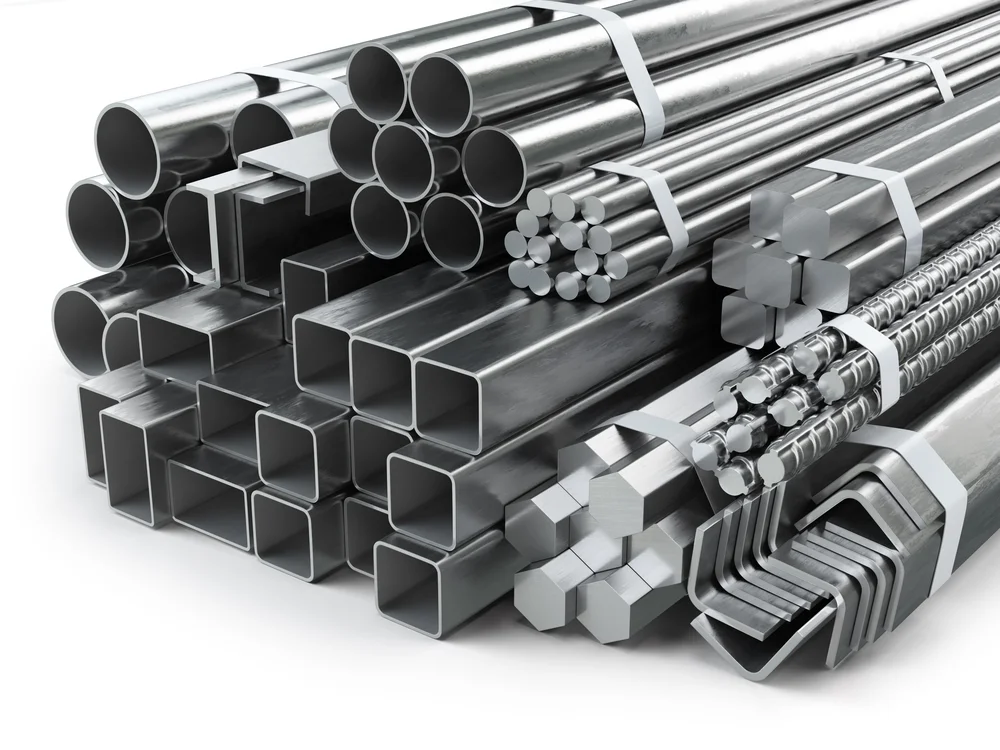
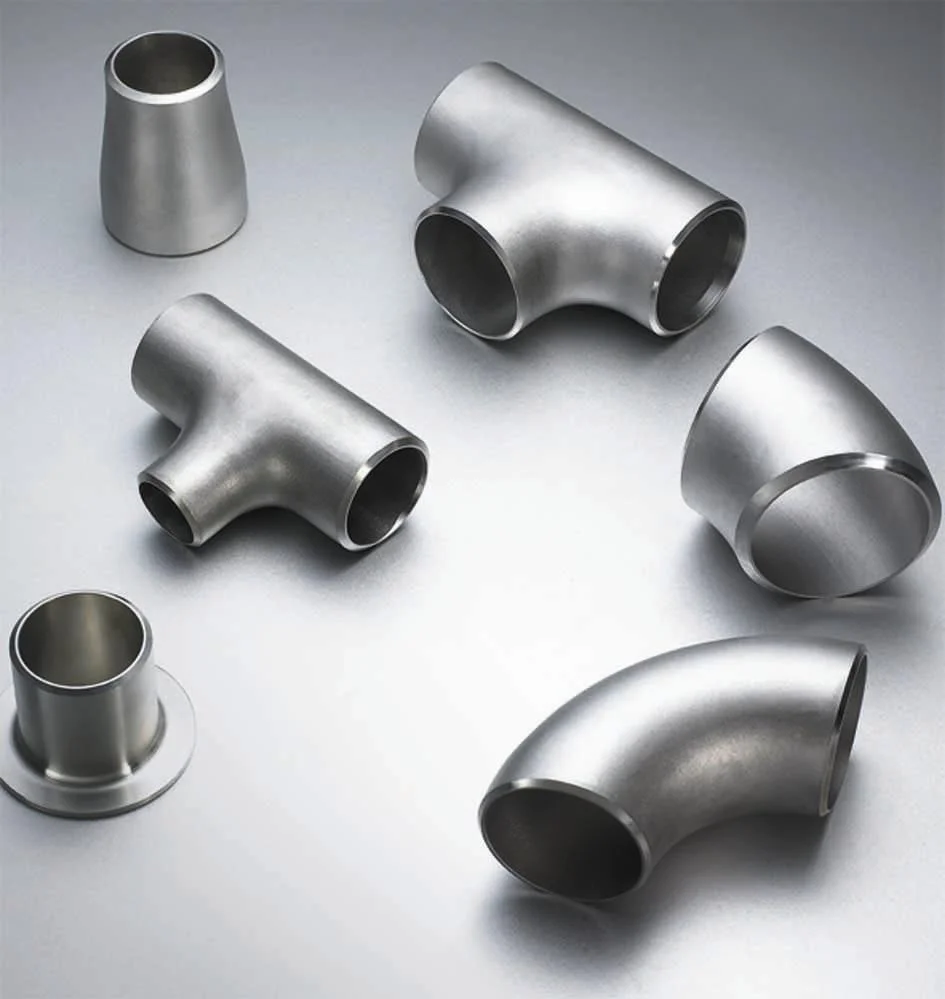
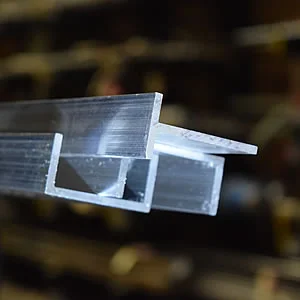
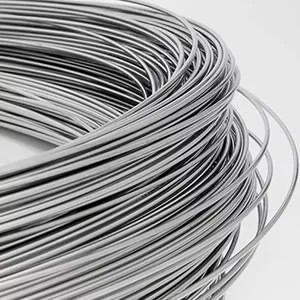
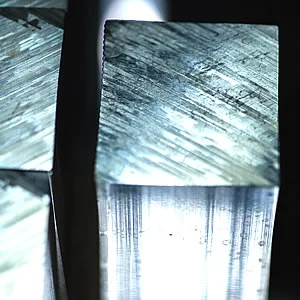
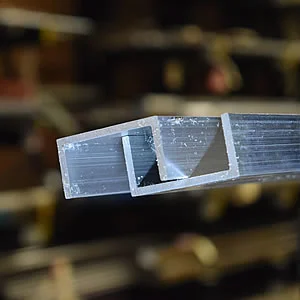
We stock stainless steels in a multitude of shapes and sizes.
We support our stainless steel stock with a wide range of shapes and sizes to suit your engineering applications. We hold thirteen different types of shapes to support the grades of material we stock, including bars, sheets and plates.
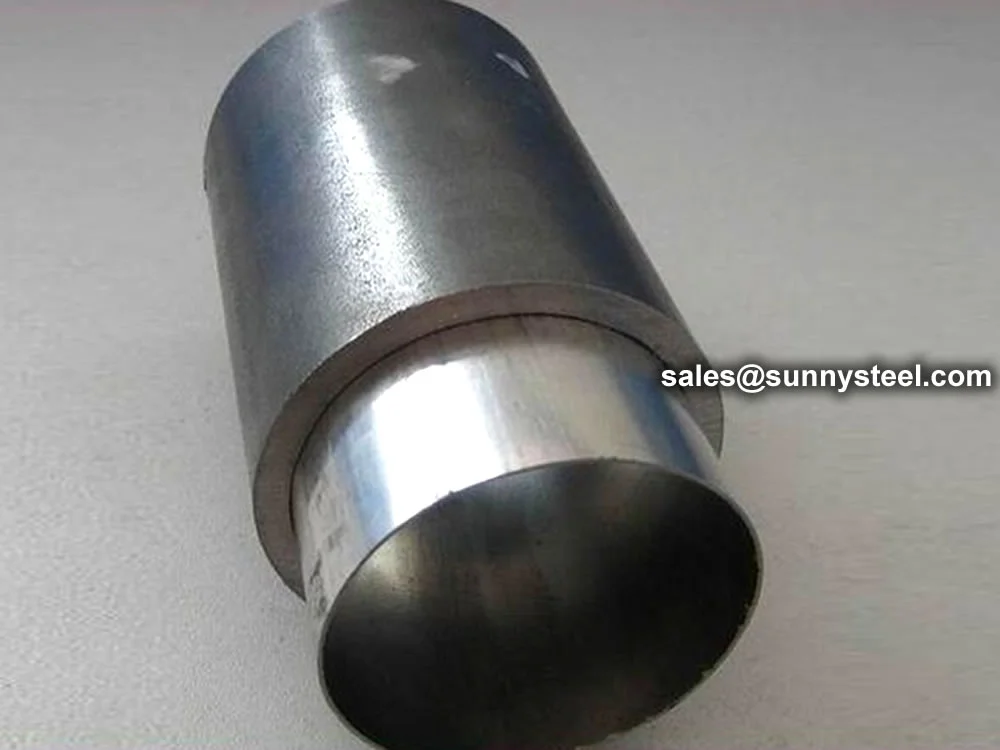
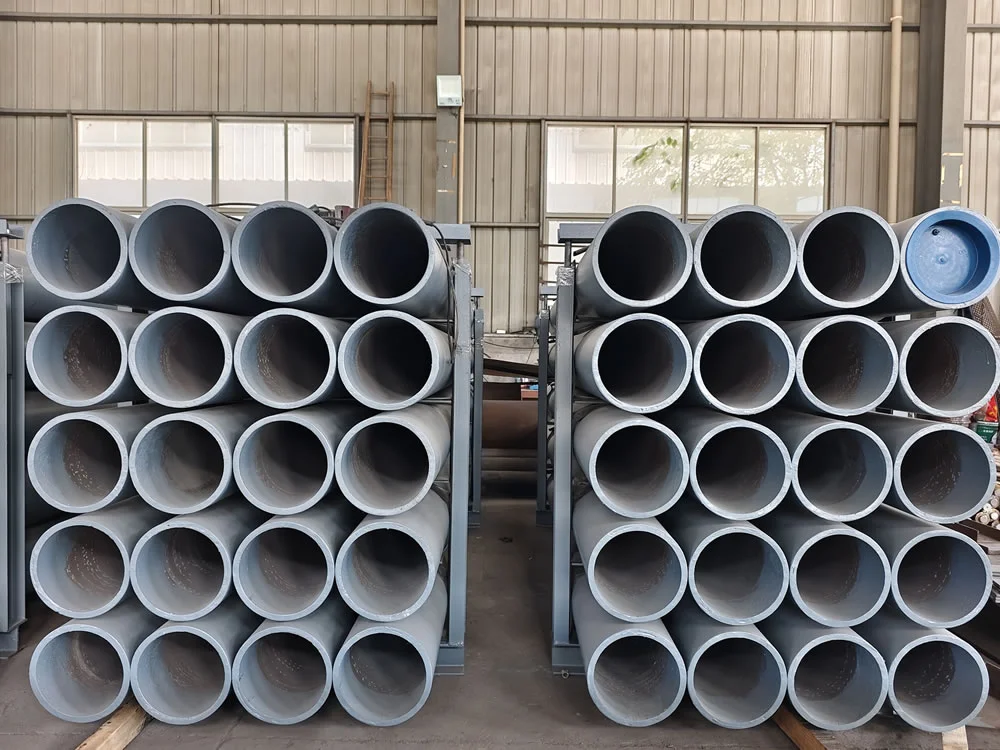
Stainless Carbon Steel Composite Pipe
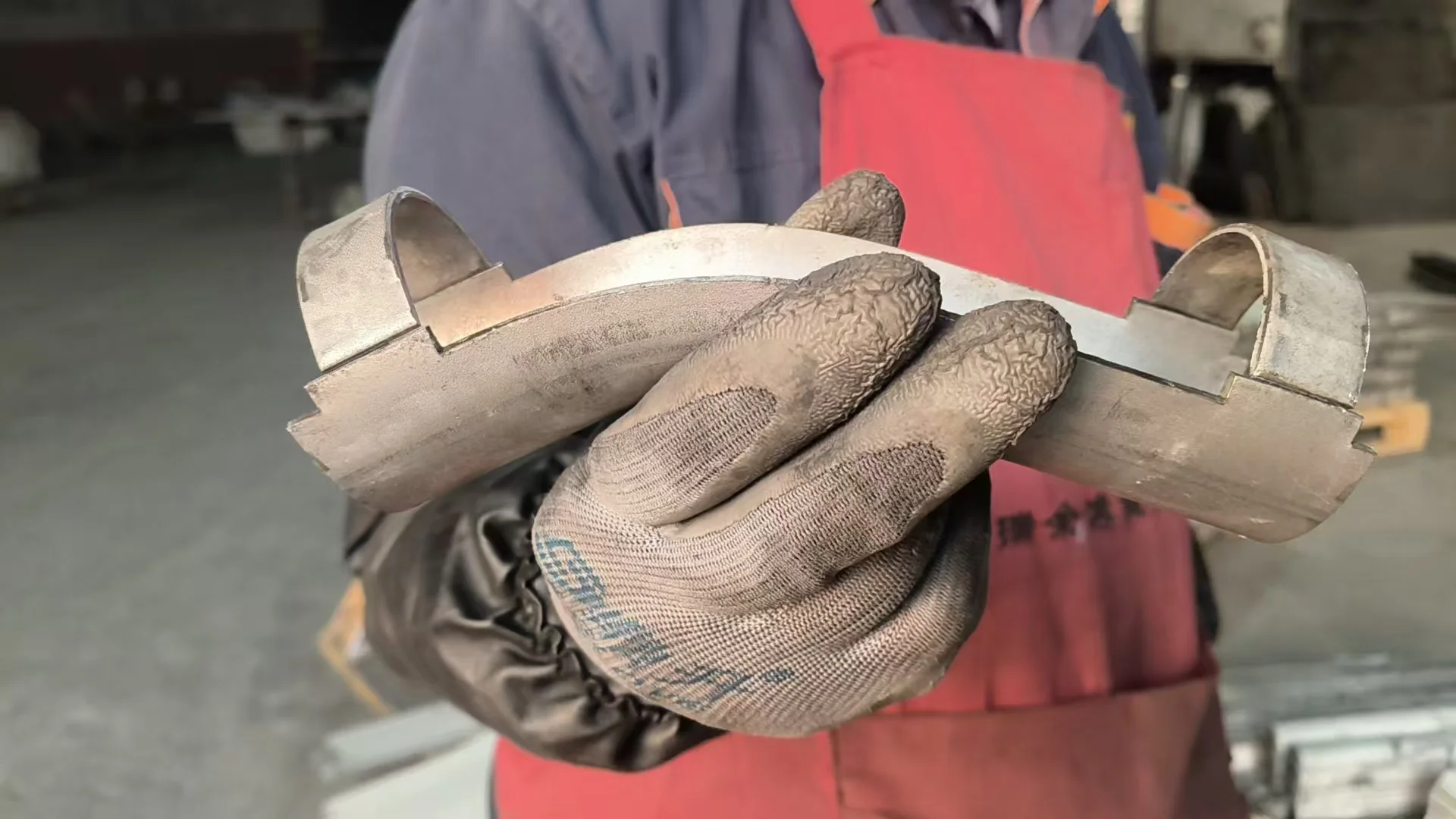
Material-Specific Erosion Shields
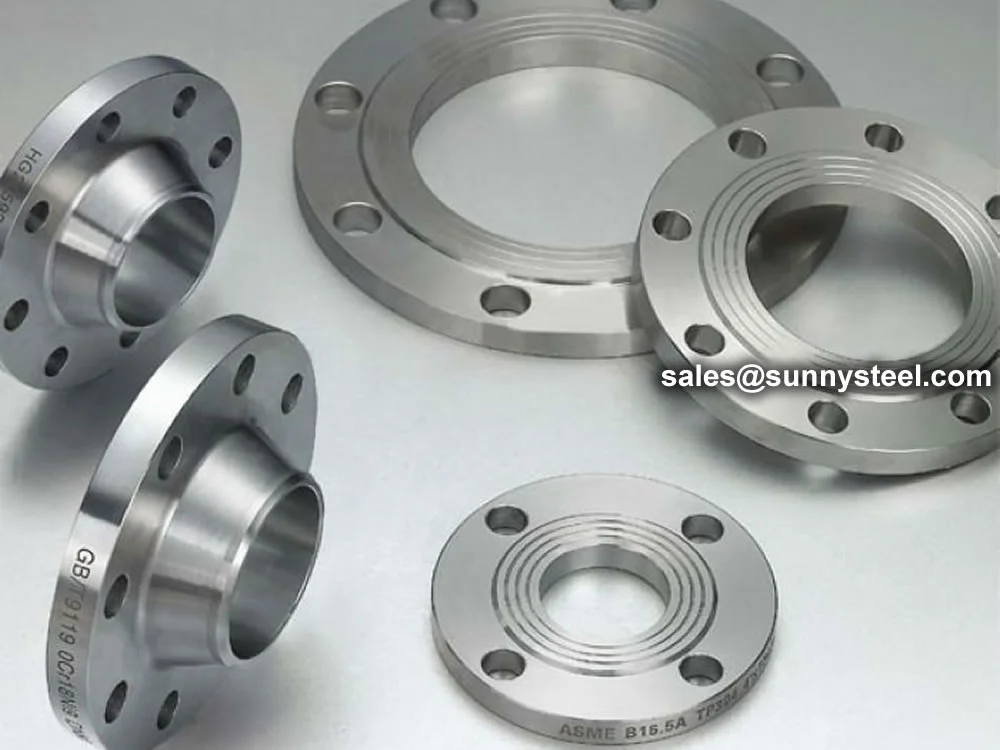



The most common type, featuring a raised sealing surface that concentrates the bolting force on a smaller area.
Has a flat sealing surface, commonly used with cast iron flanges and for low-pressure applications.
Features a groove for metal ring gaskets (oval or octagonal), providing metal-to-metal sealing.
Features matching tongue and groove surfaces, providing self-alignment and confined gasket area.
Flange faces have to be smooth enough to ensure a tight, leak-free seal for bolted flanges.
| Flange Face Type | Flange Face Type | Flange Face Type |
|---|---|---|
| Type A: flat face | Type D: groove face | Type G: O Ring recess |
| Type B: raised face | Type E: spigot | Type H: O Ring groove |
| Type C: tongue face | Type F: recess |
| ASME B16.5 | Pipe Flanges NPS 1/2 - 24 |
| ASTM A105 | Forged Carbon Steel |
| ASTM A350 LF2 | Low-Temperature Service |
| ASTM A182 | High-Temperature Service |
| ASTM A694 | High-Pressure Transmission |
| DIN EN 1092-1 | European Standard PN 2.5-400 |
Most commonly used, forged with machined surfaces
Corrosion resistant, grades 304, 316, etc.
High-temperature and high-pressure applications
Cast iron, aluminum, brass, bronze, plastic
| Material Category | Fittings (ASTM Grade) | Flanges (ASTM Grade) | Valves (ASTM Grade) | Bolts & Nuts (ASTM Grade) |
|---|---|---|---|---|
| Carbon Steel | A234 Gr WPA | A105 | A216 Gr WCB | A193 Gr B7 A194 Gr 2H |
| A234 Gr WPB | A105 | A216 Gr WCB | ||
| A234 Gr WPC | A105 | A216 Gr WCB | ||
| Carbon Steel
Alloy (High-Temperature) |
A234 Gr WP1 | A182 Gr F1 | A217 Gr WC1 | A193 Gr B7 A194 Gr 2H |
| A234 Gr WP11 | A182 Gr F11 | A217 Gr WC6 | ||
| A234 Gr WP12 | A182 Gr F12 | A217 Gr WC6 | ||
| A234 Gr WP22 | A182 Gr F22 | A217 Gr WC9 | ||
| A234 Gr WP5 | A182 Gr F5 | A217 Gr C5 | ||
| A234 Gr WP9 | A182 Gr F9 | A217 Gr C12 | ||
| Carbon Steel
Alloy (Low-Temperature) |
A420 Gr WPL6 | A350 Gr LF2 | A352 Gr LCB | A320 Gr L7 A194 Gr 7 |
| A420 Gr WPL3 | A350 Gr LF3 | A352 Gr LC3 | ||
| Austenitic Stainless Steel | A403 Gr WP304 | A182 Gr F304 | A182 Gr F304 | A193 Gr B8 A194 Gr 8 |
| A403 Gr WP316 | A182 Gr F316 | A182 Gr F316 | ||
| A403 Gr WP321 | A182 Gr F321 | A182 Gr F321 | ||
| A403 Gr WP347 | A182 Gr F347 | A182 Gr F347 |
ASTM standards define the specific manufacturing process of the material and determine the exact chemical composition of pipes, fittings and flanges, through percentages of the permitted quantities of carbon, magnesium, nickel, etc., and are indicated by "Grade".
The usual materials of flanges include stainless steel, carbon steel, aluminum and plastic. The choice of the material largely depends on the purpose of the flange. For example, stainless steel is more durable and is necessary for heavy use. On the other hand, plastic is more feasible for use in the home because of its reasonable price and easy installation. The materials used for flanges are under the designation of the American Society of Mechanical Engineers.
The most common materials for pipe flanges (forged grades) are: ASTM A105 (carbon steel high temperature to match A53/A106/API 5L pipes), A350 Grades LF1/2/3 (carbon steel low temperature to match A333 pipes), A694 Grades F42 to F80 (high yield carbon steel to match API 5L pipe grades), ASTM A182 Grades F5 to F91 (alloy steel flanges to match A335 pipes), A182 Grade F304/316 (stainless steel flanges to match A312 SS pipes), A182 Gr. F44/F51/F53/F55 (duplex and super duplex to match A790/A928 pipes) and various nickel alloy grades (Inconel, Incoloy, Hastelloy, Monel).
The material qualities for these flanges are defined in the ASTM standards.
Metal flanges are classified from 150 to 2500 # rating for different pressure applications.
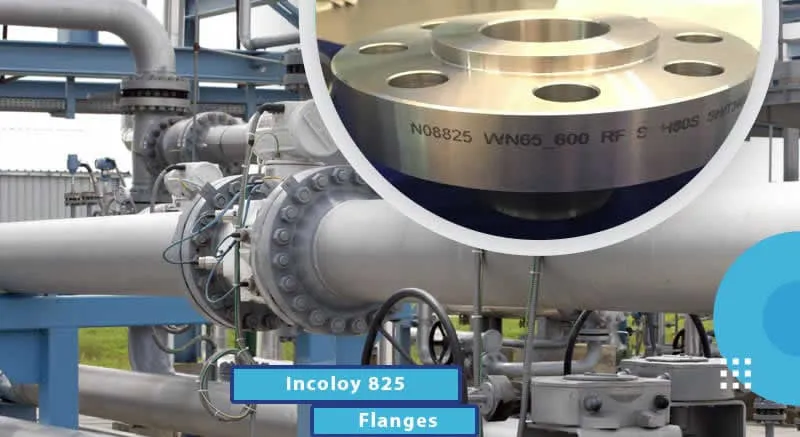
Incoloy 825 Flange
Industries Using
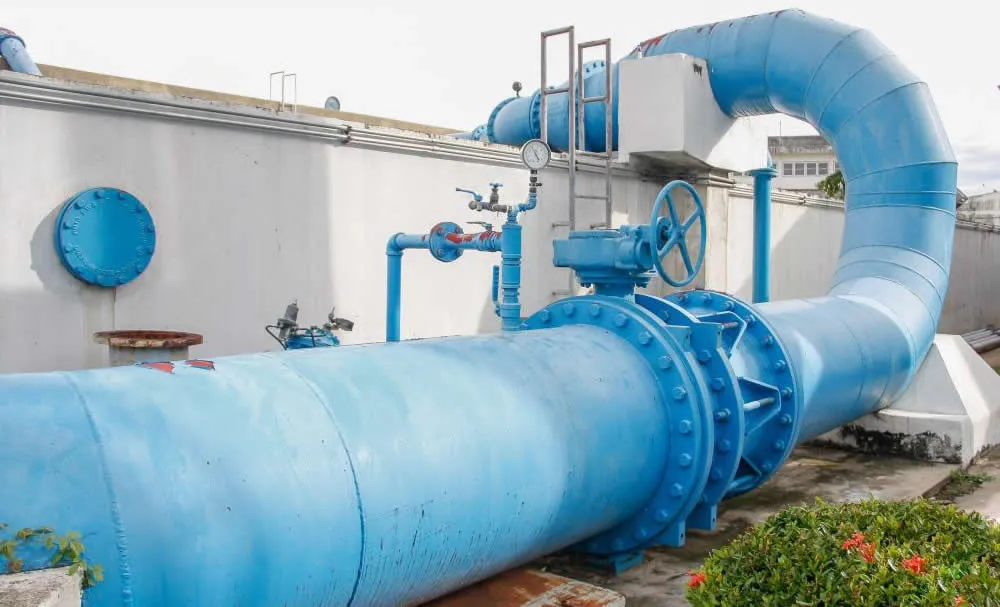
The basic application of the Stainless Steel 304 Flange to connect pumps, pipes, valves, and other equipment, often using butt welds, to make a pipework system.
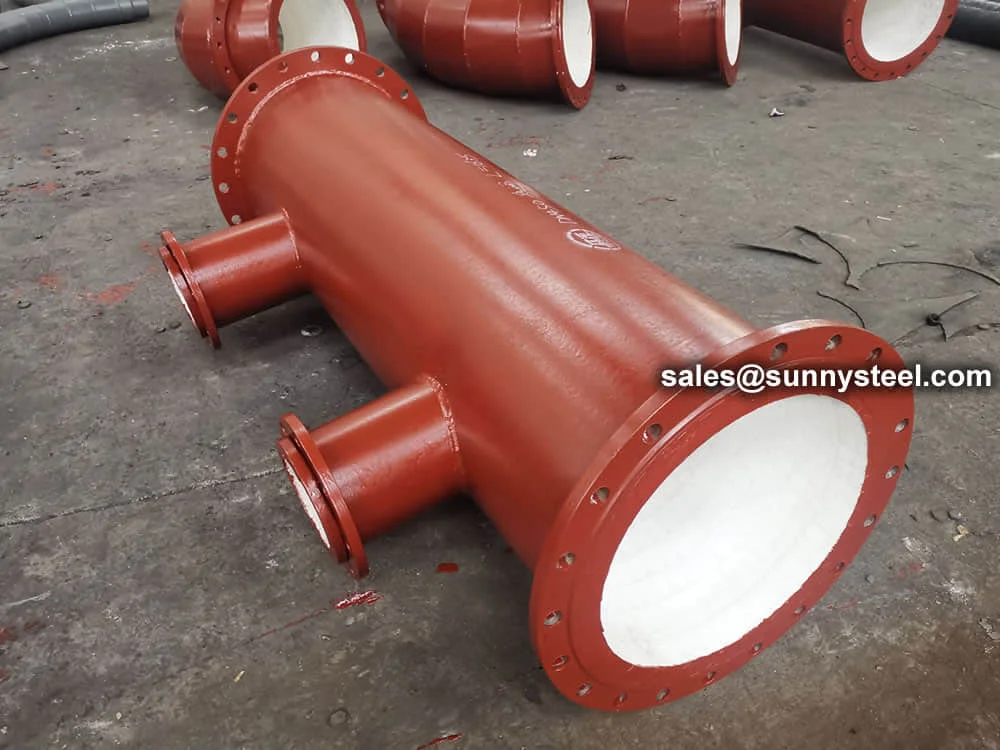
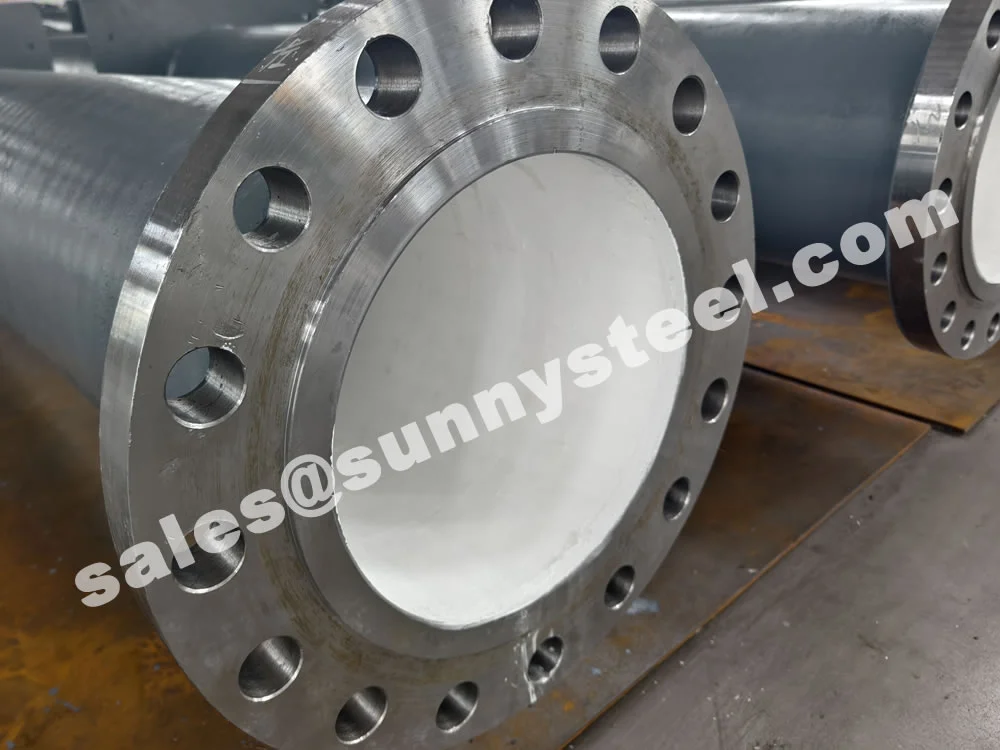
Customized Alumina Ceramic Lined Project
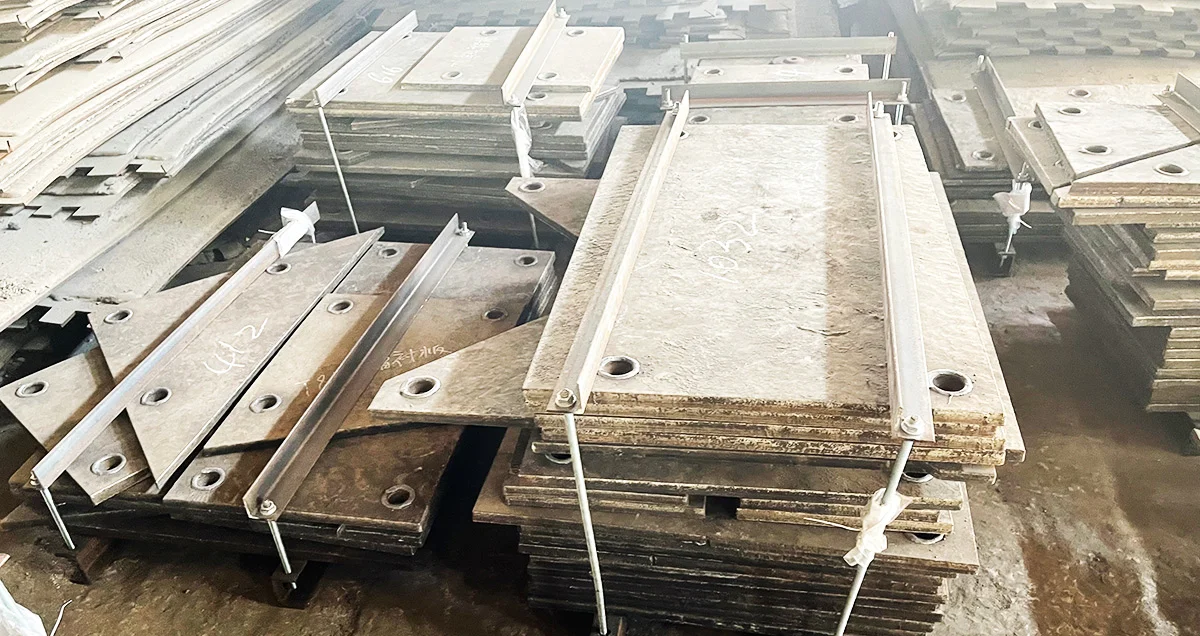
Wear-Resistant Hardfacing Liner Plate