- High-performance Isolation Valves For Efficient Flow Control
Butterfly valves for heat exchangers and hvac systems offer precise flow control and shut-off with low pressure drop, ideal for water, air, and steam applications. featuring resilient seats and high-performance designs, they ensure corrosion resistance and reliable boiler pipeline protection in demanding environments.
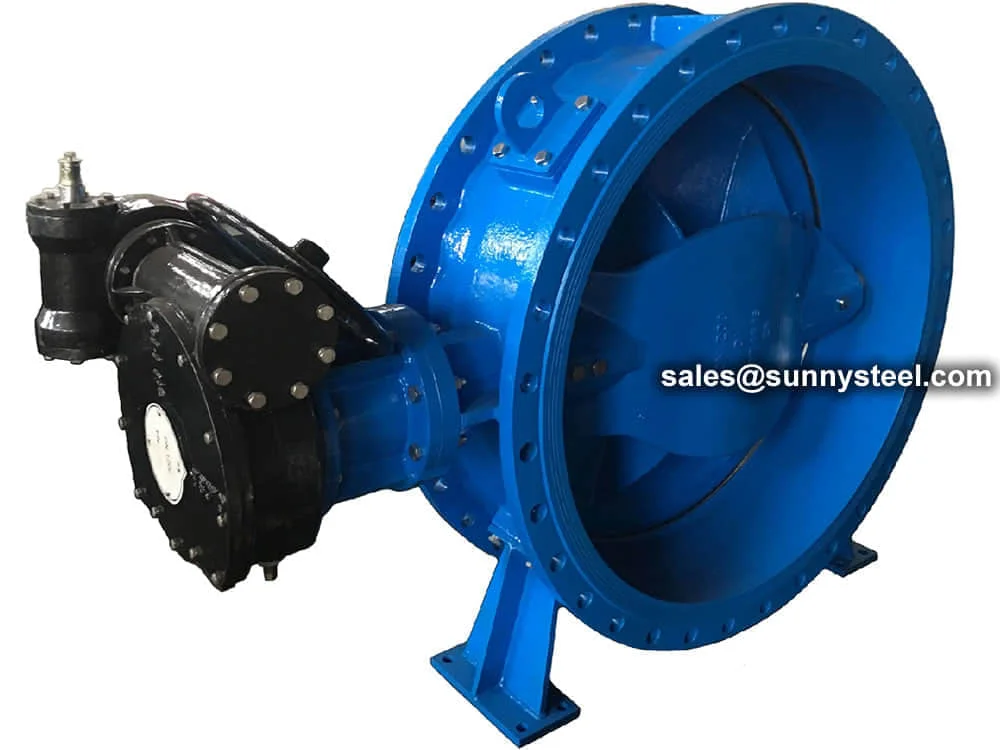
Butterfly Valve is a high-performance flow control device designed for efficient regulation and shut-off in industrial piping and HVAC systems. Compliant with standards like API 609, ASME B16.34, and EN 593, these industrial butterfly valves are constructed from materials such as ductile iron, stainless steel (AISI 316/304), or carbon steel, offering excellent corrosion resistant butterfly valve properties. Widely used in water treatment, HVAC, chemical processing, and oil and gas applications, they provide reliable pipeline flow control under pressures up to 300 PSI and temperatures ranging from -29°C to 200°C, ensuring versatility and durability in diverse environments.
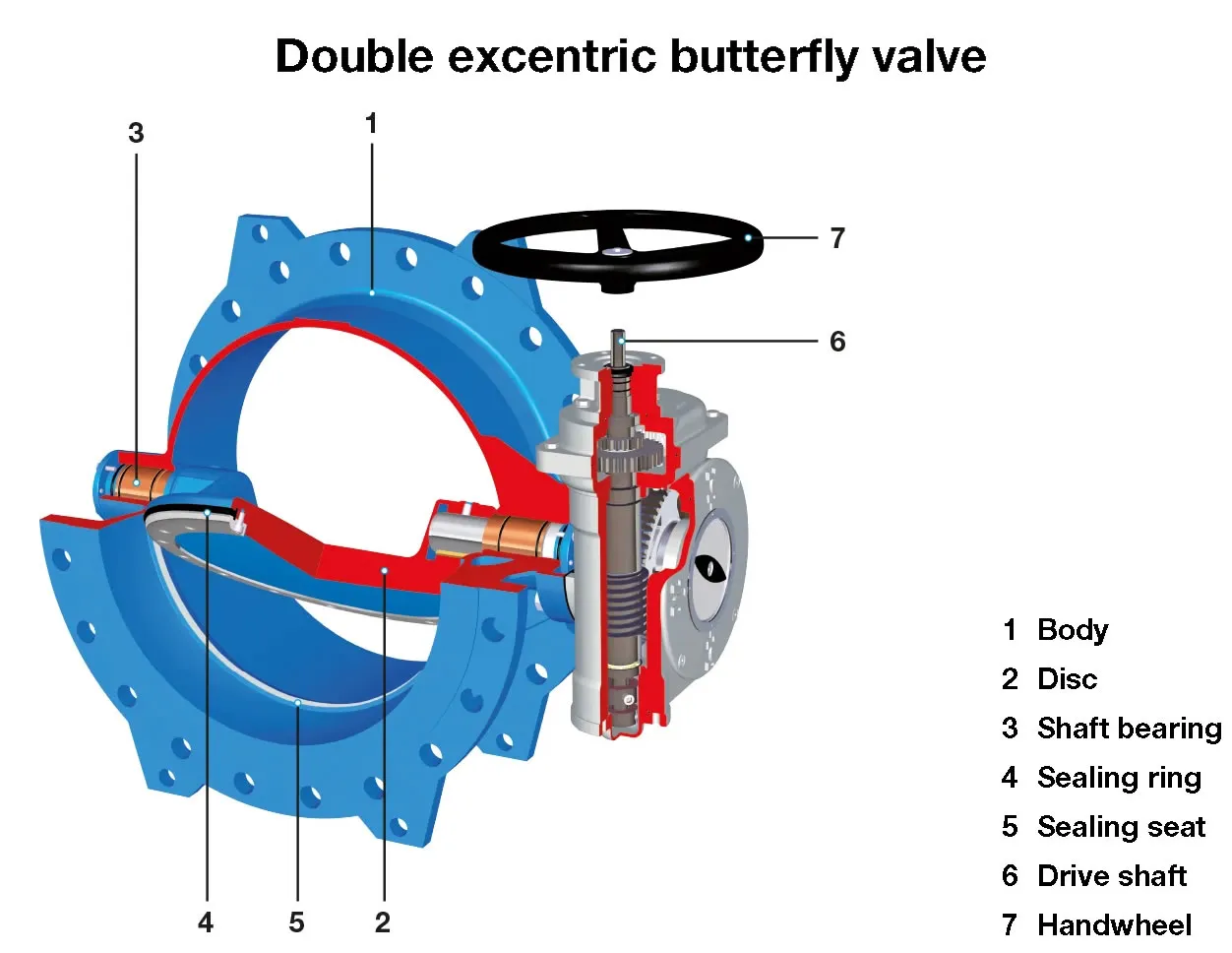
Manufactured through precision casting or forging, the butterfly valve features a disc that rotates 90° to control flow, offering low-pressure drop and quick operation. Available in sizes from 2" to 72" (DN50 to DN1800), they support wafer, lug, or flanged connections, with resilient seated or high-performance designs. Resilient seated valves use EPDM, NBR, or PTFE seals for leak-free performance, while high-performance models with metal seats handle higher temperatures and pressures. Surface treatments like epoxy coating or nickel plating enhance corrosion resistance, making them suitable for water, air, steam, and mildly corrosive media in resilient seated butterfly valve applications.
Butterfly Valves undergo rigorous testing, including hydrostatic, leakage, and cycle tests, to comply with API 598 and EN 12266 standards. With a minimum tensile strength of 485 MPa and yield strength of 275 MPa for ductile iron, these valves ensure durability in demanding conditions. Their quarter-turn operation enables rapid flow control, while the streamlined disc design minimizes turbulence and pressure loss, making them ideal for HVAC and water distribution systems. Features like ISO 5211 mounting pads, anti-static devices, and lockable handles enhance operational safety and compatibility with pneumatic or electric actuators.
Compared to gate or ball valves, the butterfly valve offers a compact, lightweight design with lower installation and maintenance costs, making it ideal for large-diameter pipelines. Certified by API 609 for performance and WRAS for potable water, these valves support manual, gear-operated, or automated actuation for versatile control. Their bidirectional sealing capability ensures reliable performance in both flow directions, while specialized options, such as triple offset or cryogenic designs, cater to niche applications like chemical processing or LNG systems. The valves’ robust construction resists wear and corrosion, extending service life in harsh environments.
Addressing challenges like corrosion, leaks, and flow inefficiencies, Butterfly Valves deliver reliable, cost-effective solutions for industrial piping systems. Their corrosion-resistant materials, efficient design, and easy operation make them a preferred choice for engineers seeking durable high-performance butterfly valves. Backed by Sunny Steel’s white-glove service, these valves ensure exceptional performance, safety, and longevity in water treatment, HVAC, and chemical applications.
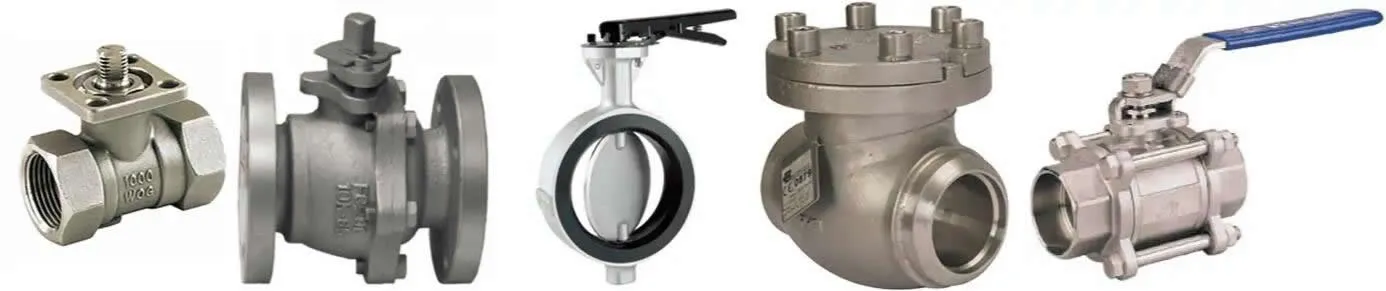
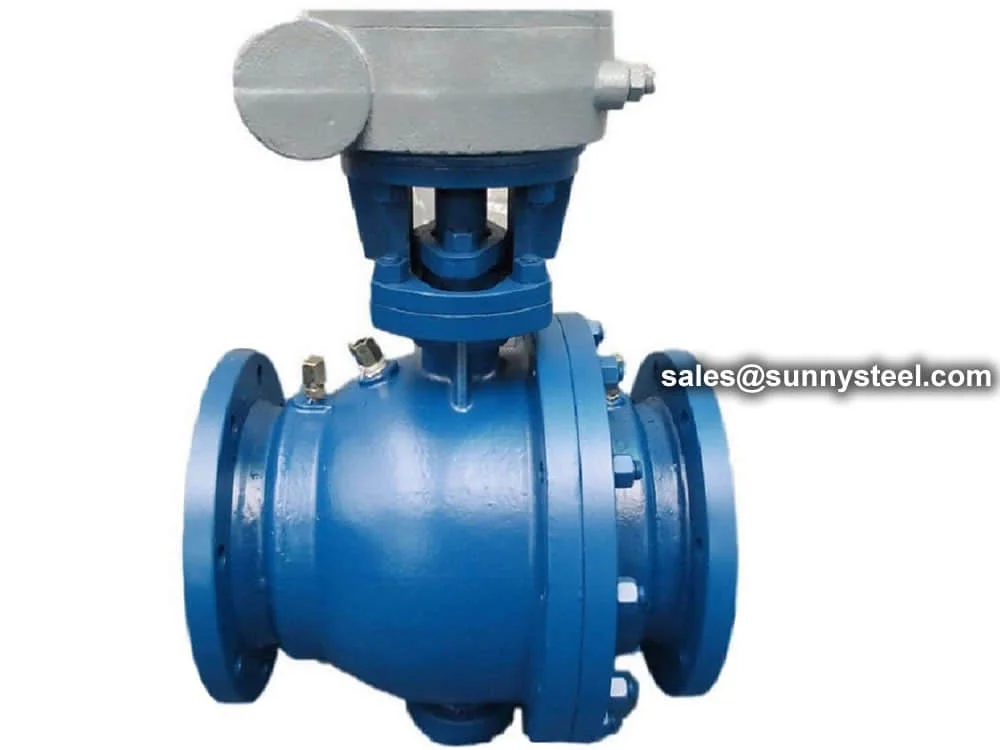
A ball valve consists of several critical components that work together to ensure durability, tight sealing, and precise flow control.
The main housing that supports all parts, providing strength and structural stability.
A perforated sphere that regulates flow by rotating with the stem.
Connects the ball to the actuator or handle, transferring torque for operation.
Protects and seals the stem area with packing or O-rings to prevent leakage.
Non-metallic inserts like PTFE or Nylon ensure leak-tight sealing and smooth operation.
Provides manual or automated operation. Larger valves may use gearboxes for torque reduction.
Butterfly valves offer several advantages over other valve types, especially for sizes above DN 200 (200 mm).
Compact design with smaller face-to-face dimensions reduces installation footprint and lowers costs for labor, equipment, and piping support.
Simple design with few moving parts minimizes wear points and significantly reduces maintenance requirements.
90° handle rotation allows quick opening/closing. Larger valves may use gearboxes to reduce torque and simplify operation.
Fewer materials and simpler manufacturing make butterfly valves a cost-effective option, especially for sizes above DN 300.
Suitable for a wide range of applications, including underground installations, making them highly versatile.
Add another key advantage or special feature here. This template can be reused for any additional benefit.

Comprehensive list of key international valve standards from major organizations, updated as of 2025.
| Organization | Standard | Description |
|---|---|---|
| ANSI | American National Standards Institute | General industrial standards |
| API | American Petroleum Institute | Standards for oil and gas industry |
| ASME | American Society of Mechanical Engineers | Boiler and pressure vessel codes |
| BS | British Standards | UK national standards |
| GB, JB, HG | China Valve Standards | Chinese national and industry standards |
| FCI | Fluid Control Institute | Standards for fluid control and conditioning equipment |
American National Standards Institute
| Code | ANSI Standard Name |
|---|---|
| ANSI A126 | Grey Iron Castings for Valves, Flanges, and Pipe Fittings |
| ANSI A181 | Forged or Rolled Steel Pipe Flanges, Forged Fittings, and Valves and Parts for General Service |
| ANSI B16.10 | Face-to-Face and End-to-End Dimensions of Valves |
| ANSI B16.34 | Valves - Flanged, Threaded, and Welding End |
| ANSI B16.5 | Pipe Flanges and Flanged Fittings |
| ANSI/FCI 70-2 | Control Valve Seat Leakage |
| ANSI B127.1 | Constant-Level Oilers |
American Petroleum Institute
| Code | API Standard Name |
|---|---|
| API 526 | Flanged Steel Pressure-Relief Valves |
| API 527 | Seat Tightness of Pressure Relief Valves |
| API 594 | Check Valves: Flanged, Lug, Bolted Bonnet |
| API 595 | Cast Iron Gate Valves - Flanged Bonnet |
| API 597 | Steel Venturi Gate Valves - Flanged and Welding Ends |
| API 598 | Valve Inspection and Testing |
| API 599 | Steel and Ductile Iron Plug Valves |
| API 600 | Bolted Bonnet Steel Gate Valves for Refinery Service |
| API 602 | Compact Steel Gate Valves - Flanged, Threaded, and Welding Ends |
| API 603 | Corrosion-Resistant Gate Valves - Flanged Ends |
| API 604 | Ductile Iron Gate Valves - Flanged Ends |
| API 607 | Fire Test for Quarter-Turn Valves |
| API 608 | Metal Ball Valves - Flanged, Threaded, and Welding Ends |
| API 609 | Butterfly Valves: Double Flanged, Lug- and Wafer-Type |
| API 6D | Pipeline and Piping Valves |
| API 6FA | Fire Test for Valves |
| API RP 574 | Inspection Practices for Piping System Components |
| API RP 576 | Inspection of Pressure-Relieving Devices |
American Society of Mechanical Engineers
| Code | ASME Standard Name |
|---|---|
| ASME A105/A105M | Carbon Steel Forgings for Piping Applications |
| ASME A181/A181M | Carbon Steel Forgings, for General-Purpose Pipes |
| ASME A182/A182M | Forged or Rolled Alloy and Stainless Steel Pipe Flanges, Forged Fittings, and Valves and Parts for High-Temperature Service |
| ASME A350/A350M | Carbon and Low-Alloy Steel Forgings for Low-Temperature Service |
| ASME A694/A694M | Carbon and Alloy Steel Forgings for Pipe Flanges, Fittings, Valves, and Parts for High-Pressure Transmission Service |
| ASME B16.5 | Pipe Flanges and Flanged Fittings: NPS 1/2 Through NPS 24 Metric/Inch Standard |
| ASME B16.10 | Face-to-Face and End-to-End Dimensions of Valves |
| ASME B16.11 | Forged Fittings, Socket-Welding and Threaded |
| ASME B16.34 | Valves - Flanged, Threaded, and Welding End |
| ASME B31.1 | Power Piping |
| ASME B31.3 | Process Piping |
| ASME F1508 | Standard Specification for Angle Style, Pressure Relief Valves for Steam, Gas, and Liquid Services |
| ASME F1565 | Pressure-Reducing Valves for Steam Service |
British Standards Institution
| Code | British Standard Name |
|---|---|
| BS 1212 | Float Operated Valves - Automatic Valves (Including Float Valves) for Tanks, Cisterns, Hot-Water Cylinders and Feed Cisterns |
| BS 1414 | Specification for Steel Wedge Gate Valves (Flanged and Butt-Welding Ends) for the Petroleum, Petrochemical and Allied Industries |
| BS 1552 | Specification for Control Plug Cocks for Low Pressure Gases |
| BS 1868 | Specification for Steel Check Valves (Flanged and Butt-Welding Ends) for the Petroleum, Petrochemical and Allied Industries |
| BS 1873 | Specification for Steel Globe and Globe Stop and Check Valves (Flanged and Butt-Welding Ends) for the Petroleum, Petrochemical and Allied Industries |
| BS 1952 | Specification for Copper Alloy Gate Valves for General Purposes |
| BS 2080 | Specification for Face-to-Face, Centre-to-Face, End-to-End and Centre-to-End Dimensions for Flanged and Butt-Welding End Steel Valves for the Petroleum, Petrochemical and Allied Industries |
| BS 2995 | Specification for Cast and Forged Steel Wedge Gate, Globe, Check and Plug Valves Screwed and Socket-Welding Sizes 1/2 in and Smaller for the Petroleum Industry |
| BS 3464 | Specification for Cast Iron Gate Valves for General Purposes |
| BS 5150 | Specification for Cast Iron Wedge and Double Disk Gate Valves for General Purposes |
| BS 5151 | Specification for Cast Iron Gate (Parallel Slide) Valves for General Purposes |
| BS 5152 | Specification for Cast Iron Globe and Globe Stop and Check Valves for General Purposes |
| BS 5153 | Specification for Cast Iron Check Valves for General Purposes |
| BS 5154 | Specification for Copper Alloy Globe, Globe Stop and Check, Check and Gate Valves for General Purposes |
| BS 5155 | Specification for Butterfly Valves for General Purposes |
| BS 5156 | Specification for Screw-Down Diaphragm Valves for General Purposes |
| BS 5157 | Specification for Steel Gate (Parallel Slide) Valves for General Purposes |
| BS 5159 | Specification for Cast Iron and Carbon Steel Ball Valves for General Purposes |
| BS 5160 | Specification for Steel Globe Valves, Globe Stop Valves, Stop and Check Valves and Lift Type Check Valves |
| BS 5351 | Specification for Steel Ball Valves for Petroleum, Petrochemical and Allied Industries |
| BS EN 12266-1 | Industrial Valves - Testing of Metallic Valves Part 1: Pressure Tests - Test Procedures |
China National Standards
| Code | GB Standard Name | Adopting Standard |
|---|---|---|
| GB 12220 | General Valve - Marking | ISO 5209 |
| GB 12221 | Flanged Ends Metal Valve - Face-to-Face Dimensions | ISO 5752 |
| GB 12222 | Multi-Turn Valve - The Connection of the Driving Device | ISO 5210/1-3 |
| GB 12223 | Part-Turn Valve - The Connection of the Driving Device | ISO 5211/1-3 |
| GB 12224 | Steel Valve - General Requirements | ANSI B16.34 |
| GB 12225 | General Valve - Copper Alloy Casting Ware Technology Requirements | ASTM B584 |
| GB 12226 | General Valve - Gray Cast Iron Technology Requirements | ISO 185, BS 1452 |
| GB 12228 | General Valve - Carbon Forging Steel Technology Requirements | ASTM A105, A181 |
| GB 12229 | General Valve - Carbon Casting Steel Technology Requirements | ASTM A703 |
| GB 12230 | General Valve - Austenitic Casting Steel Technology Requirements | ASTM A351 |
| GB 12232 | General Valve - Flanged Ends Iron Gate Valve | ISO 5996-1982, API 595 |
| GB 12233 | General Valve - Iron Gate Valve and Lift Check Valve | BS 5152, 5153 |
| GB 12234 | General Valve - Flanged and Butt-Welding Ends Copper Gate Valve | API 600 |
| GB 12237 | General Valve - Flanged and Butt-Welding Ends Steel Ball Valve | ISO 7121, API 607 |
| GB 12238 | General Valve - Flanged and Wafer Ends Butterfly Valve | BS 5155 |
| GB 12239 | General Valve - Diaphragm Valve | BS 5156, NFE 29 |
| GB 12240 | General Valve - Iron Plug Valve | API 593 |
| GB 12241 | Safety Valve - General Requirements | ISO 4126 |
| GB 12242 | Safety Valve - Characteristic Testing Solution | ANSI/ASME PTC 25.3 |
| GB 12243 | Direct Spring-Loaded Safety Valve | JIS B 8210 |
| GB 12244 | Pressure Reducing Valve - General Requirements | JIS B 8372, B8410 |
| GB 12245 | Pressure Reducing Valve - Characteristic Testing Solution | JIS B 8372, B8410 |
| GB 12246 | Pilot Operated Pressure Reducing Valve | JIS B 8372, DSS 405 |
| GB 12247 | Steam Trap Valve - Classification | ISO 6704 |
| GB 12248 | Steam Trap Valve - Technology Terms | ISO 6552 |
| GB 12249 | Steam Trap Valve - Marking | ISO 6553 |
| GB 12250 | Steam Trap Valve - Face-to-Face Dimensions | ISO 6554 |
| GB 12251 | Steam Trap Valve - Testing Solution | ISO 6948, 7841, 7842 |
| GB/T 13927 | General Valve - Pressure Testing | ISO 5208 |
| JB/T 6899-93 | Valve Fire-Proof Test | ISO 10497 |
| JB/T 7927-95 | Valve Casting Steelware Out-Form Quality Requirements | MSS SP-55 |
| ZBJ 16006-90 | Inspection and Testing of Valve | API 598 |
| Code | GB Standard Name |
|---|---|
| GB 12227 | General Valve - Ductile Cast Iron Technology Requirements |
| GB 12235 | General Valve - Flanged Steel Stop and Lift Check Valve |
| GB 12236 | General Valve - Steel Swing Check Valve |
| GB/T 13932 | General Valve - Iron Swing Check Valve |
| GB/T 15185 | Iron and Copper Ball Valve |
| GB/T 15188.1 | Valve Face-to-Face Dimensions - Butt-Welding Ends Valve |
| GB/T 15188.2 | Valve Face-to-Face Dimensions - Wafer Ends Valve |
| GB/T 15188.3 | Valve Face-to-Face Dimensions - Female Screw-Down Valve |
| GB/T 15188.4 | Valve Face-to-Face Dimensions - Male Screw-Down Valve |
| JB 93 | Handle |
| JB/T 450 | PN16-32.0 MPa Forging Angle Type High-Pressure Valve, Fastener, and Technology Requirements |
| JB/T 7745-95 | Pipeline Ball Valve |
| JB/T 8527-97 | Metal Sealing Butterfly Valve |
| JB/T 8473-96 | Instrument Valve Series |
| ZBJ 16004-88 | Reducing Valve Type and Basing Coefficient |
| ZBJ 16007-90 | Steam Trap Valve Technology Terms |
| ZBJ 16009-90 | Valve Pneumatic Actuator Technology Terms |
Standards for fluid control and conditioning equipment
The Fluid Control Institute (FCI) provides standards to assist in understanding and using control valves, solenoid valves, and regulators.
| Code | FCI Standard Name |
|---|---|
| ANSI/FCI 70-2 | Control Valve Seat Leakage |
| ANSI/FCI 70-3 | Control Valve Aerodynamic Noise Prediction |
| ANSI/FCI 91-1 | Qualification of Control Valve Stem Seals |
| ANSI/FCI 85-1 | Method of Determining the Thermal Expansion of a Filled Thermal System |
| FCI 68-2 | Procedure in Rating Flow and Pressure Characteristics of Solenoid Valves for Liquid Service |
| FCI 75-1 | Test Conditions and Procedures for Measuring Electrical Characteristics of Solenoid Valves |
| FCI 82-1 | Recommended Methods for Testing and Classifying the Water Hammer Characteristics of Electrically Operated Valves |
| ANSI/FCI 69-1 | Pressure Ratings of Traps |
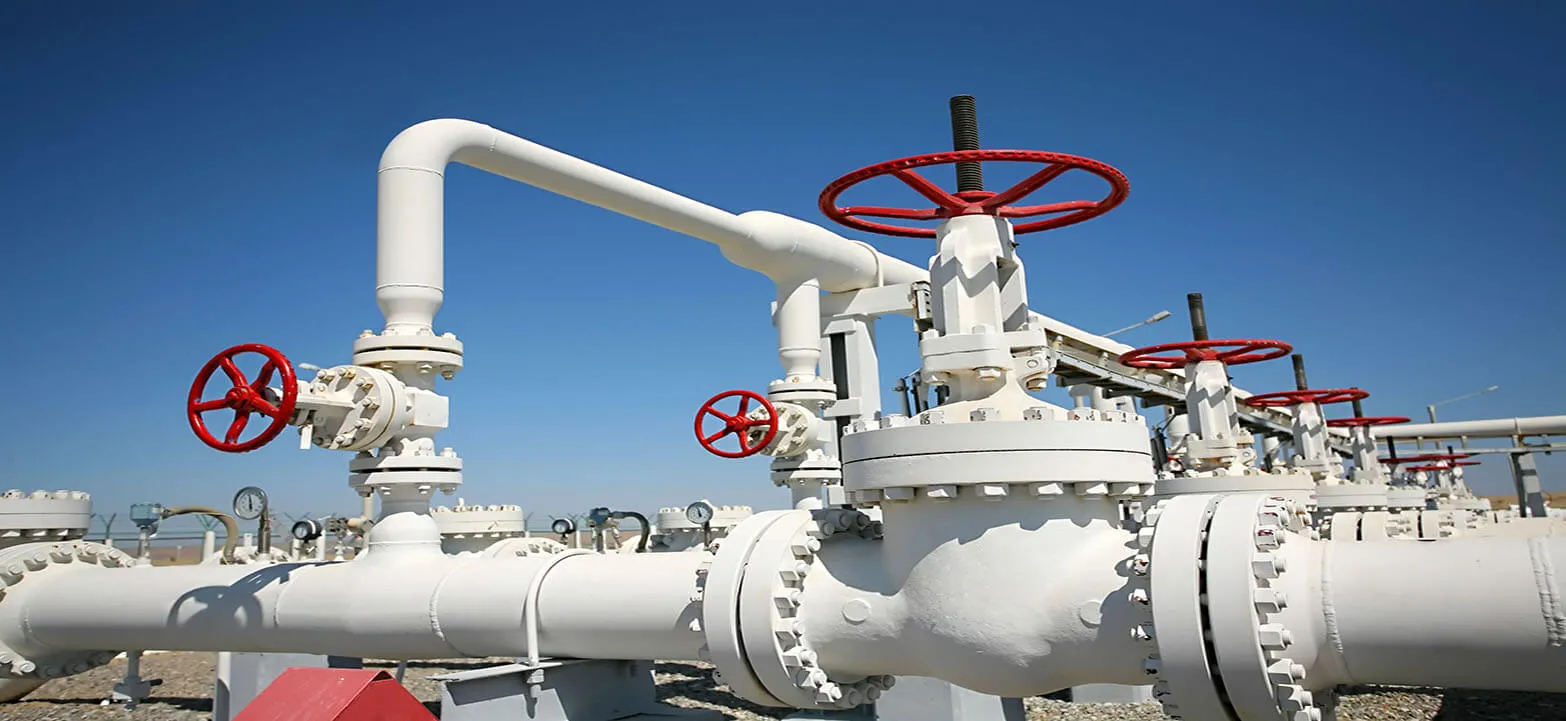
Upstream, midstream, and downstream operations, including drilling, refining, and transportation.
Handling corrosive and hazardous chemicals in various chemical plants.
Steam, water, and fuel systems in thermal, nuclear, and hydroelectric plants.
Municipal water supply, wastewater treatment, and industrial water management.
Heating, ventilation, and air conditioning systems in commercial and industrial buildings.
Sterile and hygienic applications, precise flow control in sensitive industries.
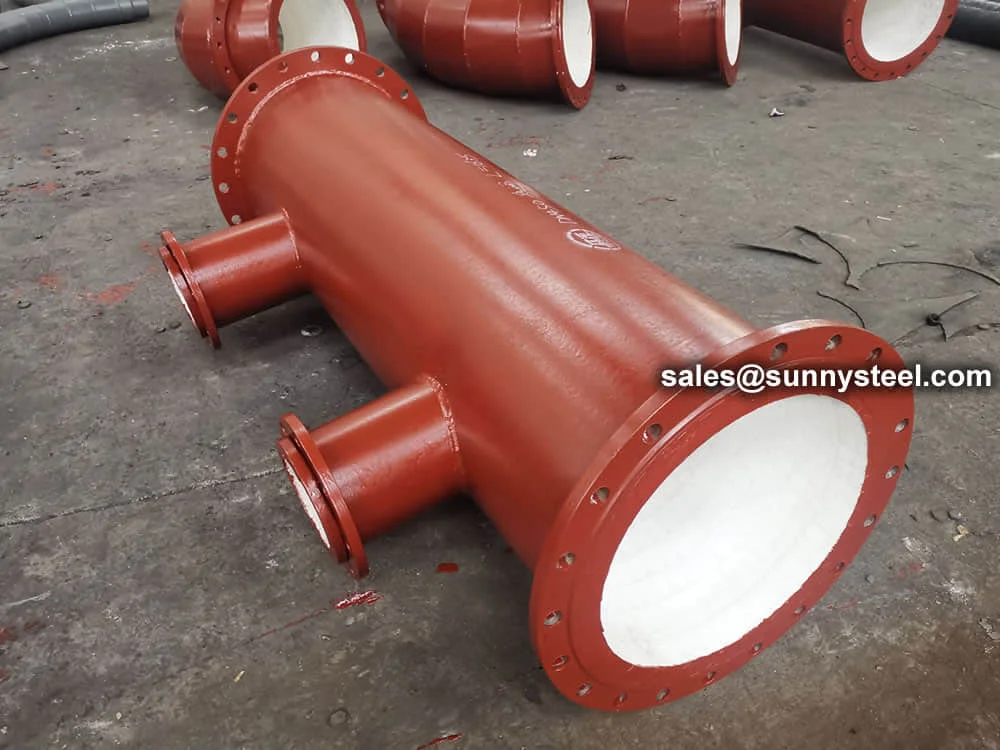
Customized Alumina Ceramic Lined Project
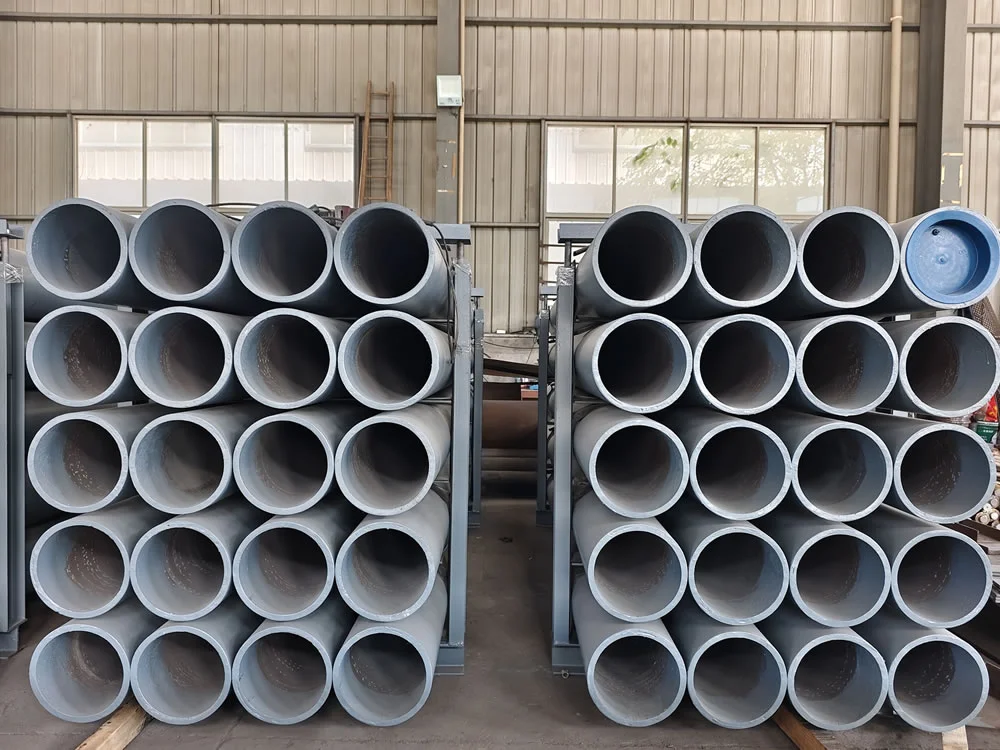
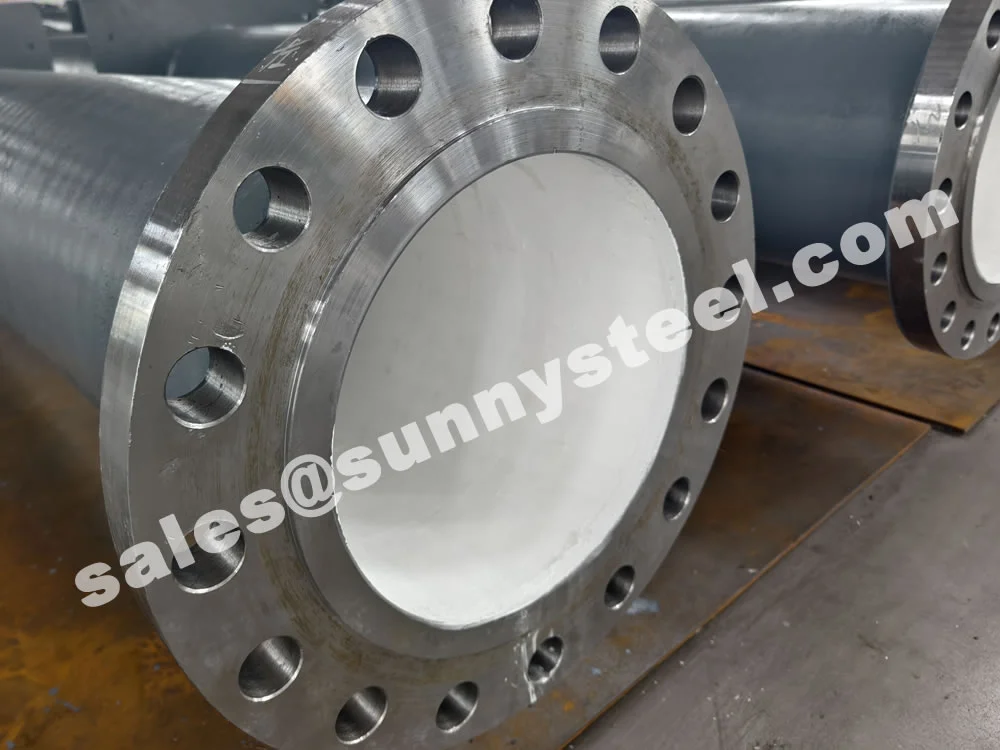
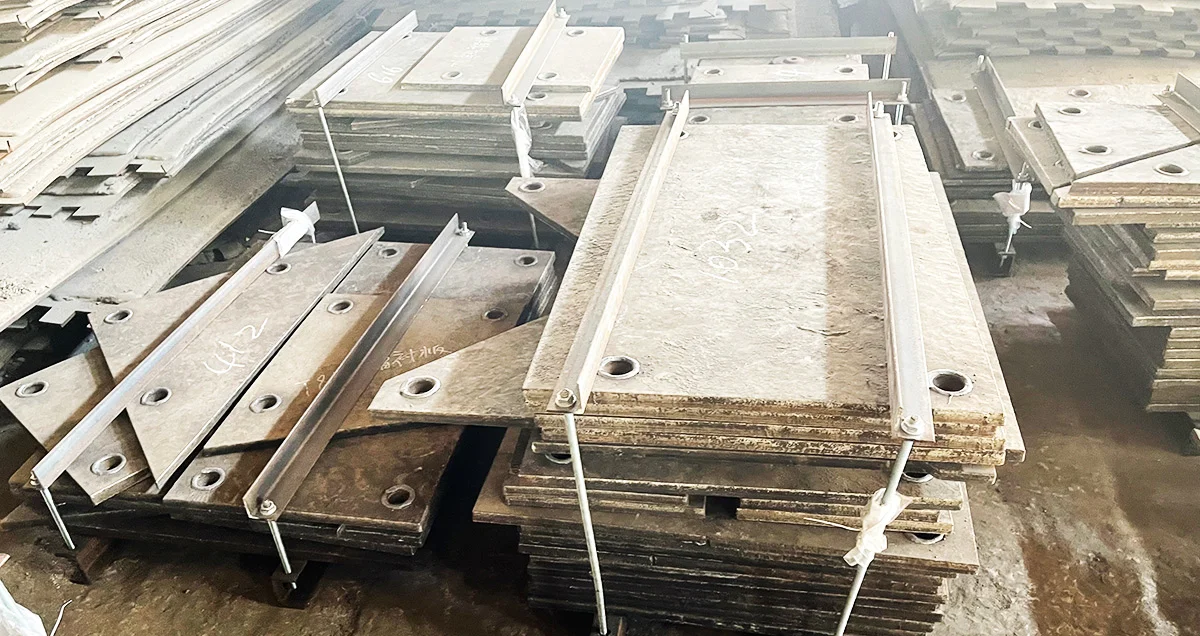
Wear-Resistant Hardfacing Liner Plate